Protein Power - Maximizing Muscle Gains Through Digestibility and Bioavailability

Are you tired of throwing money at protein supplements that your body can't even absorb properly? You're not alone. With the fitness industry raking in billions, the quest for optimal muscle growth has never been more intense. Recent studies reveal that up to 70% of protein supplements fail to deliver due to poor digestibility and bioavailability. This means that most of us are missing out on gains, despite our best efforts. As we dive into the world of protein power, let's explore how maximizing digestibility and bioavailability can be the game-changer your fitness journey needs right now. Unlock the secrets to supercharging your muscle gains by understanding the factors that make protein truly effective.
The Protein Puzzle: Why Not All Sources Are Created Equal

You're serious about building muscle and crushing your fitness goals, but are you getting the most out of your protein intake? It's not just about how much protein you consume, it's about what kind and how your body uses it. Protein is the real MVP when it comes to muscle growth and repair, but its effectiveness depends on two key factors: digestibility and bioavailability.
Think of it like this: you can have the best quality protein powder on the market, but if your body can't absorb it efficiently, it's like throwing money out the window. According to Dr. Layne Norton, a renowned sports nutritionist, "Protein quality is just as important as protein quantity." Different protein sources have varying levels of digestibility, affecting how well your body can absorb those essential amino acids.
What Affects Protein Quality?
Several factors come into play, including the protein's amino acid profile, anti-nutritional factors, and cooking methods. For example, plant-based proteins like beans and grains often contain anti-nutrients that can inhibit protein absorption, whereas animal-based proteins like eggs and dairy are considered high-quality sources with excellent bioavailability.
- Wheat protein has a digestibility score of 42-53%
- Egg protein clocks in at a whopping 97%
- Wheat protein isolate is around 99%
Understanding protein quality is crucial for optimizing your fitness goals and overall health. By choosing the right protein sources and preparation methods, you can maximize your muscle gains and get the most out of your hard work. So, which protein sources should you prioritize? Stay tuned for the next section, where we dive into the top protein sources for optimal muscle growth.
Decoding Protein Digestibility: What You Need to Know
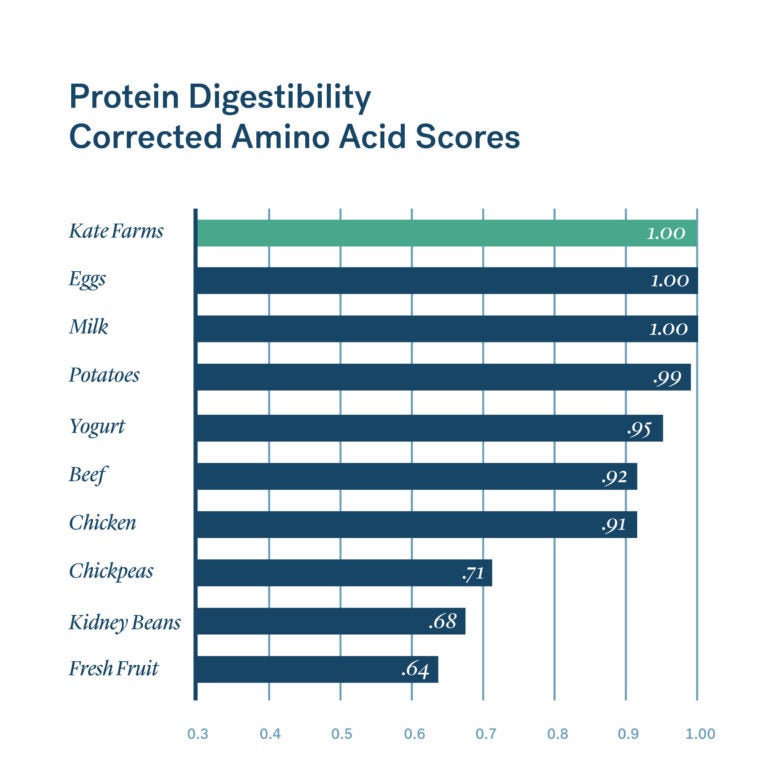
Protein digestibility is a game-changer when it comes to muscle gains. Simply put, it's the body's ability to break down protein into absorbable amino acids. Think of it like this: you're eating protein to fuel your muscles, but if your body can't absorb it efficiently, those gains you're working so hard for? They're slipping right through.
Animal-Based Proteins: The Digestibility Kings
Animal-based proteins like eggs, dairy, and meat are like the elite athletes of digestibility. Take eggs, for example – they've got a PDCAAS (Protein Digestibility-Corrected Amino Acid Score) of 1.0, the highest possible score. That means your body can absorb almost 100% of the protein in eggs. Dairy products like whey protein isolate are another great example, with digestibility scores hovering around 0.99. Meat like chicken breast? Also clocks in at around 0.95-0.98 on the PDCAAS scale. These are the proteins you want to prioritize if you're looking for quick absorption and maximum muscle fuel.
Plant-Based Proteins: The Rising Stars
Now, plant-based proteins often get a bad rap for being less digestible. But here's the thing – with a bit of processing, they can be just as effective. Take soy protein isolate, for instance. It's got a PDCAAS score of 1.0, putting it right up there with eggs. Other plant-based proteins like pea protein and rice protein can be combined to create a complete amino acid profile, boosting their overall digestibility and usefulness for muscle growth.
One popular method to boost plant protein digestibility is extrusion. This process involves heat and pressure to break down the protein, making it easier for your body to absorb. It's like giving your protein a head start – by the time it hits your muscles, it's ready to go.
So, what's the takeaway? Focus on protein sources with high digestibility scores, and don't be afraid to mix and match – especially with plant-based proteins. Your muscles are counting on you to fuel them efficiently.
Bioavailability: The Key to Unlocking Protein's Full Potential
Here's the thing: not all proteins are created equal. You can be consuming top-notch protein sources, but if your body can't absorb and utilize the amino acids effectively, you're leaving gains on the table. That's where bioavailability comes in – it's like the ultimate efficiency metric for protein utilization. Think of it like this: you're trying to fuel a high-performance engine (your muscles), but if the fuel (protein) isn't being absorbed and utilized properly, you're not going to get the performance you need.
Bioavailability measures the body's ability to absorb and utilize the amino acids from the protein you consume. Factors like anti-nutrients (found in plant-based proteins), fiber content, and even cooking methods can impact protein bioavailability. For example, whey protein has a bioavailability score of ~104, while plant-based proteins like soy and pea range from 60-80. That's a significant difference! High-quality proteins like whey and casein have excellent bioavailability profiles, making them popular choices among athletes and fitness enthusiasts.
Real-World Impact
Let's look at a case study: a study published in the Journal of Nutrition found that participants who consumed whey protein after exercise had a significantly higher muscle protein synthesis rate compared to those who consumed soy protein. This is largely due to whey protein's high bioavailability and rapid digestion rate, allowing for a swift spike in amino acid delivery to the muscles.
- Animal-based proteins (e.g., eggs, dairy, meat) generally have higher bioavailability scores (~90-100)
- Plant-based proteins (e.g., legumes, grains) often have lower bioavailability scores (~60-80)
- Cooking methods (e.g., heat, pressure) can enhance or reduce protein bioavailability
The takeaway? Focus on consuming high-quality proteins with excellent bioavailability profiles, especially post-workout, to maximize muscle gains.
Animal vs Plant Proteins: A Digestibility Showdown

When it comes to building muscle, not all proteins are created equal. Animal proteins, like whey, casein, and egg, are the gold standard - they're like a well-oiled machine, easily absorbed and utilized by your body. We're talking 90-100% bioavailability, meaning almost all the protein is available for muscle growth and repair. For example, a study published in the Journal of Nutrition showed that whey protein isolate has a Protein Digestibility-Corrected Amino Acid Score (PDCAAS) of 1.0, the highest possible score.
Plant proteins, on the other hand, often have lower digestibility and bioavailability - around 70-80%. This doesn't mean they're not effective, but you might need to consume more to get the same muscle-building benefits. Legumes like beans and lentils, and grains like rice and wheat, are good examples. They're a bit more like a puzzle - you need to pair them correctly to get all the essential amino acids your body needs. For instance, pairing rice (low in lysine) with beans (low in methionine) creates a complete protein profile. It's not rocket science, but it does require some planning.
Plant Powerhouses
But here's the thing - some plant proteins are breaking the mold. Soy protein isolate and quinoa are two examples that boast high digestibility and bioavailability, comparable to animal proteins. Quinoa, in particular, is a complete protein, containing all nine essential amino acids. A study in the Journal of Agricultural and Food Chemistry found that quinoa protein has a PDCAAS score of 0.85, making it an excellent plant-based option.
So, what does this mean for you? If you're looking to maximize muscle gains, animal proteins are still the top choice, but carefully planned plant-based options can be just as effective. It's all about understanding the strengths and weaknesses of each protein source and creating a strategy that works for you.
Maximizing Protein Absorption: Tips and Strategies
You've got your protein intake sorted, but are you getting the most out of it? Absorption is key, and there are a few clever ways to boost it. Consuming protein with vitamin C and healthy fats can make a big difference. Think grilled chicken with a squeeze of fresh lemon juice and a side of avocado - it's a winning combo! The vitamin C in the lemon helps increase iron absorption, while the healthy fats in avocado support overall nutrient uptake.
Plant Protein Hacking
Plant-based proteins like legumes and grains can be a bit trickier to digest. But don't worry, there's a solution! Processing techniques like sprouting and fermenting can work wonders. Take tempeh, for example - it's a fermented soybean product that's packed with protein and has a boosted bioavailability thanks to the fermentation process. Similarly, sprouting quinoa can increase its protein digestibility by up to 20%.
Adequate hydration and balanced gut health are also crucial for optimal protein digestion. If you're not drinking enough water, your body might struggle to break down protein efficiently. And if your gut's out of whack, it can affect nutrient absorption across the board. Aim to drink at least 8-10 glasses of water a day, and consider adding probiotics to your diet to keep your gut happy.
- Eat protein with vitamin C-rich foods like citrus fruits or bell peppers
- Add healthy fats like nuts or seeds to your meals
- Try sprouting or fermenting plant-based proteins to boost bioavailability
- Stay hydrated and prioritize gut health with probiotics and fiber
Protein Timing: When to Fuel for Maximum Muscle Gains
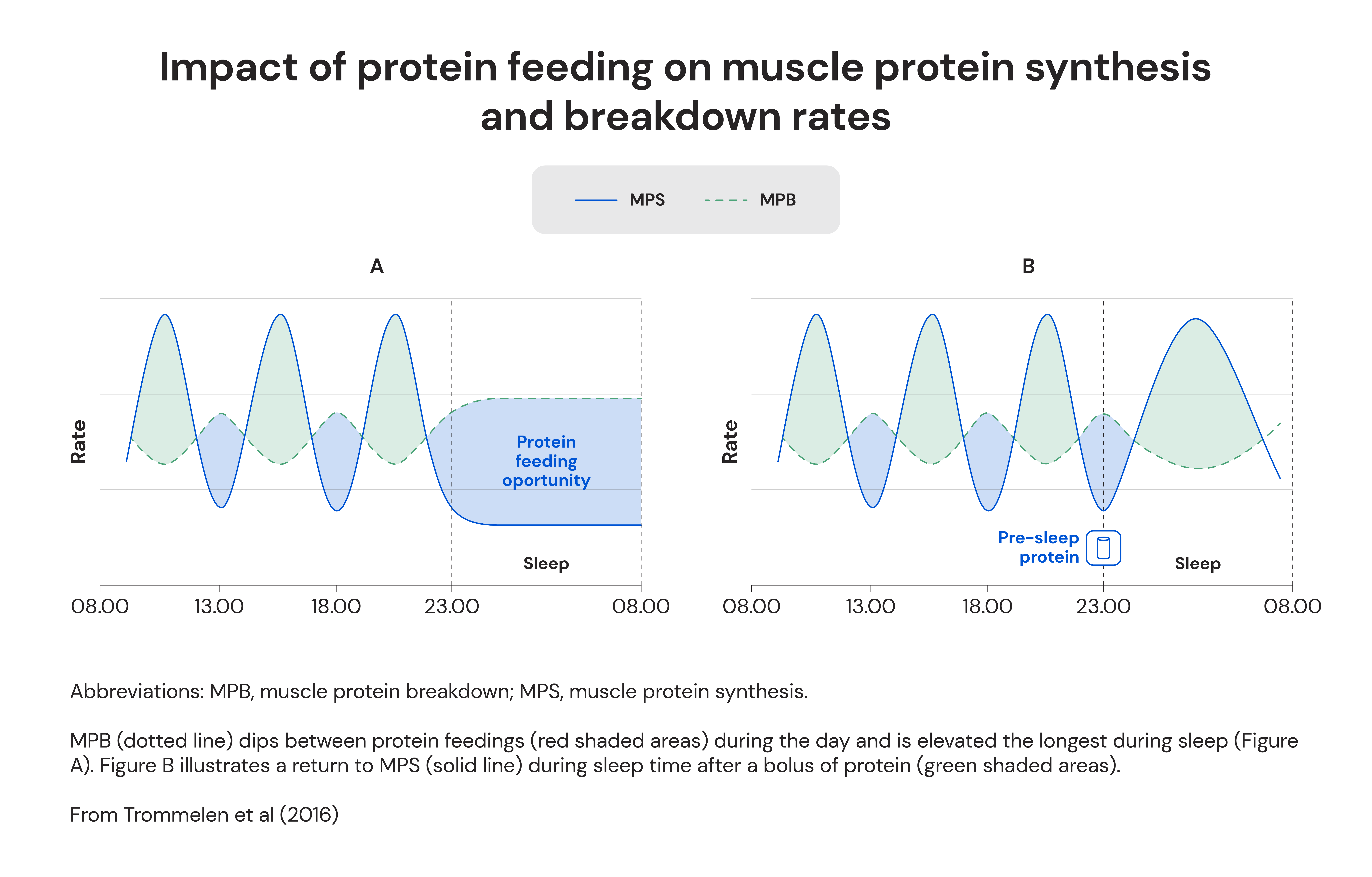
You know how they say timing is everything? Well, when it comes to protein and muscle growth, that's especially true. Consuming protein within an hour after exercise supports muscle recovery and growth - it's like giving your muscles the bricks they need to build that new protein structure.
Research backs this up, like a study where participants who consumed 20-25 grams of protein post-workout saw significant improvements in muscle protein synthesis. For example, a 2010 study by Moore et al. found that 20-25 grams of protein was enough to maximize muscle protein synthesis after resistance exercise. You're looking at a window of about 30-60 minutes post-workout, so don't wait too long!
Spread It Out
Spreading protein intake throughout the day maintains a positive nitrogen balance, keeping your muscles in growth mode. Think of it like keeping the fire burning - you need to keep adding fuel, not just throw it all on at once. Shoot for 20-30 grams of protein per meal, spaced out every 3-4 hours.
And don't forget about bedtime. Pre-bedtime protein consumption can promote overnight muscle repair and growth. Casein protein, like in cottage cheese or milk, is a great option here because it's slow-digesting, providing a steady stream of amino acids while you're catching Z's. A 2015 study by Res et al. found that pre-sleep protein ingestion increased muscle protein synthesis rates during overnight sleep.
- Post-workout: 20-25 grams protein within 30-60 minutes
- Throughout the day: 20-30 grams protein every 3-4 hours
- Before bed: 20-30 grams slow-digesting protein (casein)
Bottom line: time your protein intake strategically to maximize muscle gains. You're fueling your body's growth engine, so make it count!
Beyond Protein Powders: Whole Foods for Optimal Muscle Gains
You know how we've been talking about protein powders and supplements? Well, whole foods are where it's at! They're like nature's multivitamin – packed with everything you need to fuel those muscles. Take eggs, for example. They're like a perfect protein package: high bioavailability (around 93-94%), rich in leucine, and loaded with vitamins and minerals.
Combining Proteins for Complete Amino Acid Profiles
Combining different protein sources gives you a complete amino acid profile. Think rice and beans – a classic combo! Rice is low in lysine, but beans are rich in it. Pair them up, and you've got a match made in heaven. Other great combos include:
- Whole wheat bread with peanut butter
- Lentils with quinoa
- Chickpeas with whole grain pita
These combinations aren't just good for your muscles; they're good for your wallet and the planet, too! By focusing on whole foods, you're cutting down on supplement costs and supporting sustainable eating habits. Plus, foods like salmon, spinach, and sweet potatoes offer a ton of benefits beyond just protein – omega-3s, antioxidants, and complex carbs to name a few.
Let's look at a real example. The traditional Japanese diet includes a lot of fish, rice, and soy – all great protein sources with high bioavailability. It's no coincidence that Japan has a high number of centenarians! By prioritizing whole foods, you're on the right track to maximizing those muscle gains and supporting overall health.
So, next time you're planning your meals, think beyond the protein powder and grab some whole foods instead. Your muscles (and the planet) will thank you!
Future-Proofing Your Fitness: Personalized Protein Strategies
You're not just building muscle, you're building a better you. And that requires a protein strategy that's as unique as your fingerprint. Genetic testing and biomarker analysis can give you insights into your individual protein needs. For instance, genetic variations in the mTOR gene can affect how you respond to protein intake. Knowing this, you can tailor your protein intake to get the most out of your workouts. Let's say you're a 30-year-old athlete looking to maximize muscle gains. Research suggests that you might benefit from a higher protein intake, around 1.6-2.2 grams per kilogram of body weight daily. But what if you're a beginner? You might start with a more moderate intake, around 1.2-1.6 grams per kilogram, and adjust based on your progress. Your health status also plays a role in how you should approach protein intake. For example, if you're dealing with kidney issues, you might need to limit your protein intake. On the other hand, if you're looking to lose weight, a higher protein diet can help you feel fuller for longer. Staying updated on protein research and innovations can help you refine your nutrition strategy. For instance, did you know that pea protein has become a game-changer for plant-based athletes? It's easily digestible and boasts a complete amino acid profile. Companies like NOW Sports and Vega have already caught on, offering high-quality pea protein supplements. You can also explore other protein sources like collagen, which is great for joint health, or casein, which provides a slow release of amino acids. The key is to find what works for you and stick to it. So, what's the takeaway? Your protein strategy should be as dynamic as your fitness goals. Keep learning, stay adaptable, and you'll be flexing those gains in no time. Your protein journey is unique. Own it. Dive deeper: [How genetic testing can improve your protein strategy]((link unavailable)) [Best plant-based protein sources for athletes]((link unavailable)) [How to calculate your daily protein needs]((link unavailable))






Comments ()