Potassium Powerhouses to Tame High Blood Pressure
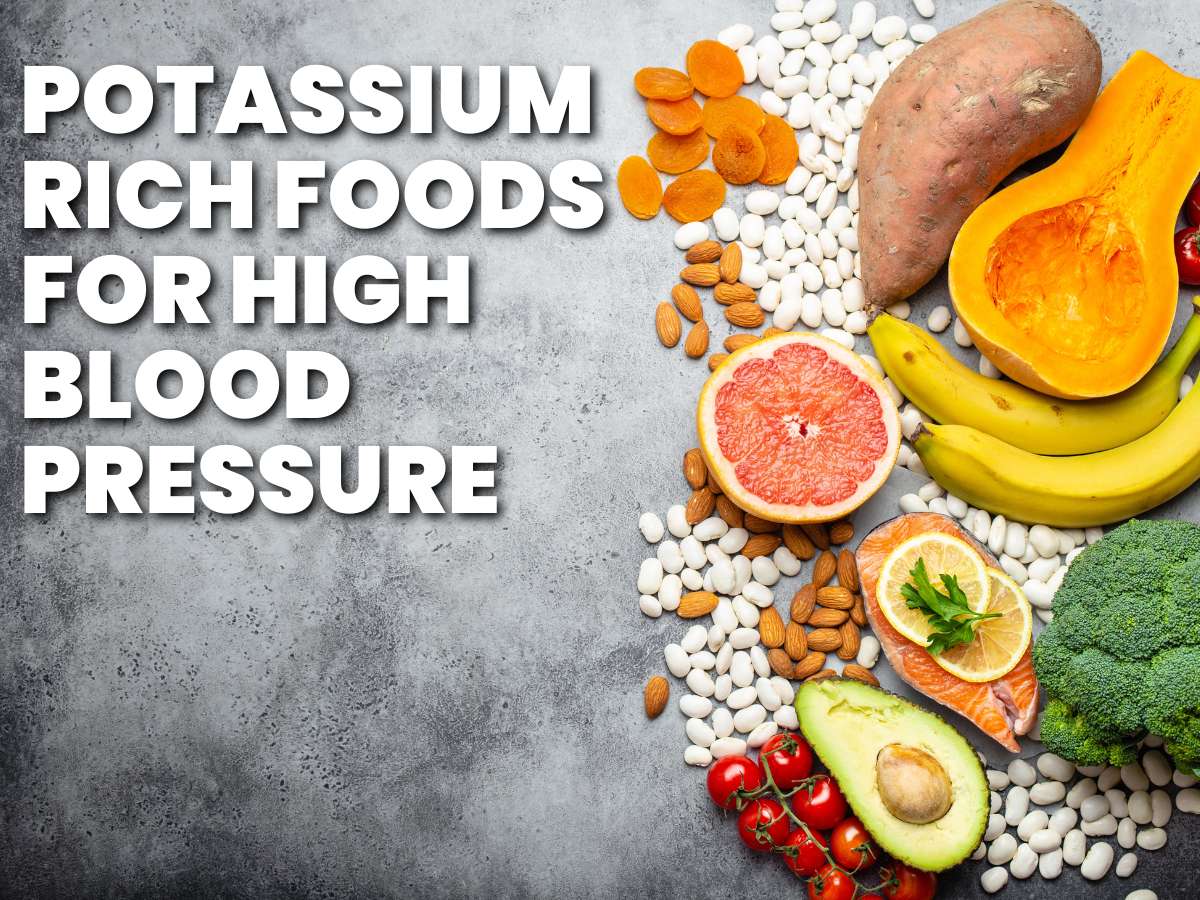
Are you one of the millions of Indians struggling with high blood pressure? With hypertension affecting over 30% of the adult population in India, according to the latest WHO reports, managing it has become a pressing health concern. The good news is that simple dietary changes can make a significant impact. Recent studies have shown that potassium-rich foods can help lower blood pressure and even reduce the risk of cardiovascular diseases. So, which potassium powerhouses should you be adding to your plate? Let's explore the top foods that can help tame high blood pressure and get your health back on track.
The Silent Threat of High Blood Pressure
You might feel fine, but high blood pressure can be silently ticking away, affecting millions of Americans without showing any symptoms. It's like a stealthy intruder that can lead to serious health issues if left unchecked. According to the American Heart Association, nearly half of adults in the United States have hypertension, and many don't even know it.
Uncontrolled high blood pressure can wreak havoc on your body, increasing the risk of heart disease, stroke, and kidney damage. Dr. John Deanfield, a cardiologist at University College London, says, "High blood pressure is a major risk factor for cardiovascular disease, and managing it is crucial to preventing premature deaths." The good news is that lifestyle changes, including diet, can play a significant role in keeping your blood pressure in check.
The numbers are alarming: one in three Indian adults has hypertension, and only about 10% have their condition under control, as per the Indian Council of Medical Research. This is where potassium-rich foods come in – they can help counteract the effects of sodium and lower blood pressure. By incorporating these powerhouses into your diet, you're taking a proactive step towards managing your blood pressure and overall health.
How Potassium Helps Lower Blood Pressure
You might be wondering how exactly potassium works its magic on blood pressure. Let's break it down: potassium counteracts sodium's effects, promoting healthy blood vessel function. When you consume too much sodium, your body retains water, which can increase blood pressure. Potassium helps balance this out by relaxing your blood vessel walls, making it easier for blood to flow.
Flushing Out Excess Sodium
Potassium also helps your kidneys remove excess sodium from your body, which is a big win for your blood pressure. Think of it like a natural diuretic, but without the meds. Studies have shown that increasing potassium intake can lead to significant reductions in blood pressure, especially in people who are sensitive to sodium. For example, a study published in the Journal of the American Medical Association (JAMA) found that potassium supplementation lowered blood pressure in people with hypertension.
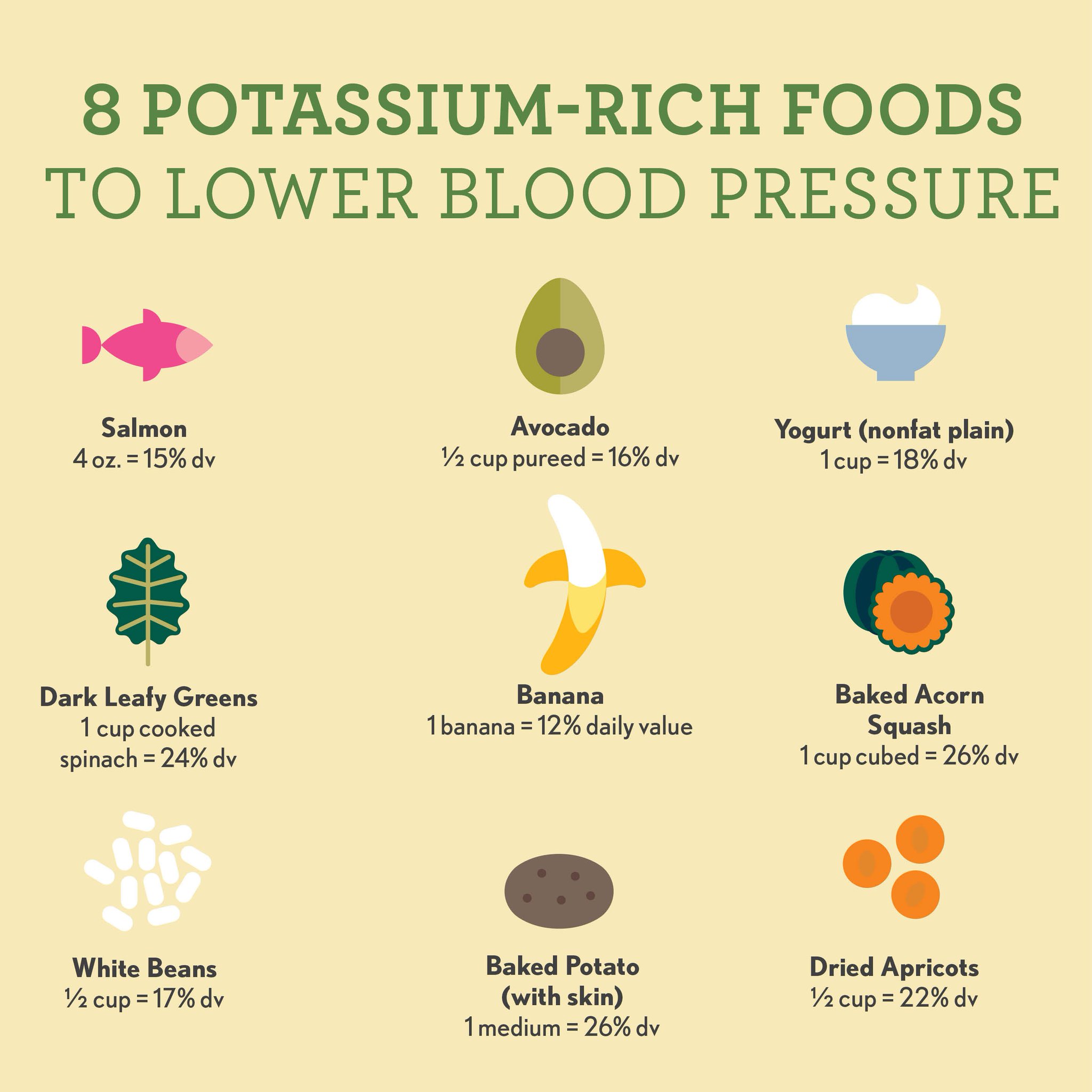
But that's not all - adequate potassium intake may also reduce stroke risk and support overall cardiovascular health. The American Heart Association recommends getting at least 4,700 milligrams of potassium per day, but most of us aren't even close to meeting that goal. Bananas are often touted as a top potassium-rich food, but there are plenty of other options, like spinach, sweet potatoes, and avocados.
- Potassium-rich foods can be a game-changer for blood pressure management
- Aiming for 4,700 milligrams per day can make a big difference
- Talk to your doctor about incorporating more potassium into your diet
Top Potassium-Rich Foods to Add to Your Diet
You know what's great about adding potassium-rich foods to your diet? Not only do they help lower blood pressure, but they're also packed with other nutrients that'll make you feel amazing! Let's dive into some of the top potassium powerhouses you should consider adding to your meals.
The Top Contenders
Avocados are a great place to start - one medium fruit packs a whopping 975mg of potassium, plus healthy fats and fiber that'll keep you full and satisfied. Use them in guacamole, smoothies, or as a toast topping. Sweet potatoes are another fantastic source, with 540-700mg per medium spud. They're rich in vitamin A and fiber, making them a great side dish or main course. And then there's spinach - 840mg per cooked cup is nothing to scoff at! It's packed with iron and antioxidants, so you can go green and feel great.
Here's how these foods stack up:
- Avocados: 975mg per medium fruit, plus healthy fats and fiber
- Sweet Potatoes: 540-700mg per medium, rich in vitamin A and fiber
- Spinach: 840mg per cooked cup, packed with iron and antioxidants
Adding these foods to your diet is easier than you think. Try swapping regular potatoes for sweet potatoes, or adding spinach to your morning omelette. You can also toss some avocado into your salad or use it as a creamy sandwich spread.
More Potassium Powerhouses
You know how we're always talking about getting more potassium in our diets? It's because this mighty mineral helps balance out the sodium in our bodies and keeps those blood pressure numbers in check. Now, let's dive into some more potassium powerhouses that'll make it easy to add this vital nutrient to your daily routine.
Plant-Based and Proud
Lentils are an amazing source – just one cooked cup packs a whiff of 700mg of potassium. Plus, they're high in protein and fiber, making them a triple threat for your health. Use them in soups, stews, or as a base for salads. For example, a warm lentil soup with some spinach and garlic is not only comforting but also a potassium party in your mouth.
- Salmon: 330mg per 3-oz serving, plus omega-3 fatty acids
- Bananas: 350-400mg per medium, convenient and nutrient-rich
Fish lovers, rejoice! Salmon is another great potassium-rich food, with a 3-oz serving giving you 330mg. And let's not forget about the omega-3 fatty acids that come with it – they're like a bonus for your heart health. Grill it, bake it, or toss it in a salad; the options are endless. Bananas, on the other hand, are the ultimate snack – grab one on the go and get a potassium boost anywhere, anytime.
Adding these foods to your diet isn't just about one meal; it's about creating a lifestyle that keeps your heart happy and healthy. So go ahead, get creative with lentils, salmon, and bananas – your body will thank you.
Incorporating Potassium into Your Meals
Now that we've explored the benefits of potassium, let's talk about how to get more of it into your diet. The good news is, it's easier than you think! You can start by adding spinach to your smoothies - just blend it with some banana, yogurt, and milk, and you'll barely taste it. Or, sauté it with garlic as a delicious side dish, like the Palak Paneer recipe from nutritionist NammaChef.
Herbs to the Rescue
Another way to boost your potassium intake is by using herbs like parsley and basil in your cooking. Not only do they add amazing flavor, but they're also packed with nutrients. Try adding fresh parsley to your salads or using basil to make a delicious pesto sauce. A quarter cup of fresh parsley has about 160mg of potassium, while basil has around 295mg per quarter cup.
Some other potassium-rich foods you might want to try are avocados (1 medium avocado has around 708mg!), sweet potatoes, and bananas. And if you're looking for a quick fix, grab a potassium-fortified yogurt or cereal - just check the labels to make sure.
- Spinach (1 cup cooked): 840mg potassium
- Avocado (1 medium): 708mg potassium
- Basil (1/4 cup): 295mg potassium
- Parsley (1/4 cup): 160mg potassium
The thing is, most of us don't even come close to getting enough potassium. The recommended daily intake is around 4,700mg, but most people get less than half that. So, every little bit counts, and incorporating these potassium-rich foods into your diet can make a big difference.
Balancing Potassium Intake with Kidney Health
If you're dealing with kidney disease, you're probably familiar with the need to watch your potassium intake. See, when your kidneys aren't functioning at their best, they can't process potassium as efficiently, leading to potential build-up in your blood. This can be a problem, as high potassium levels (hyperkalemia) can be life-threatening.
Medications Can Play a Role Too
Certain meds, like ACE inhibitors (e.g., lisinopril) and potassium-sparing diuretics (e.g., spironolactone), can increase potassium levels. If you're on these medications, your doctor might recommend more frequent blood tests to monitor your levels. For instance, a study published in the Journal of Clinical Hypertension found that patients taking ACE inhibitors had significantly higher potassium levels than those not taking the medication.
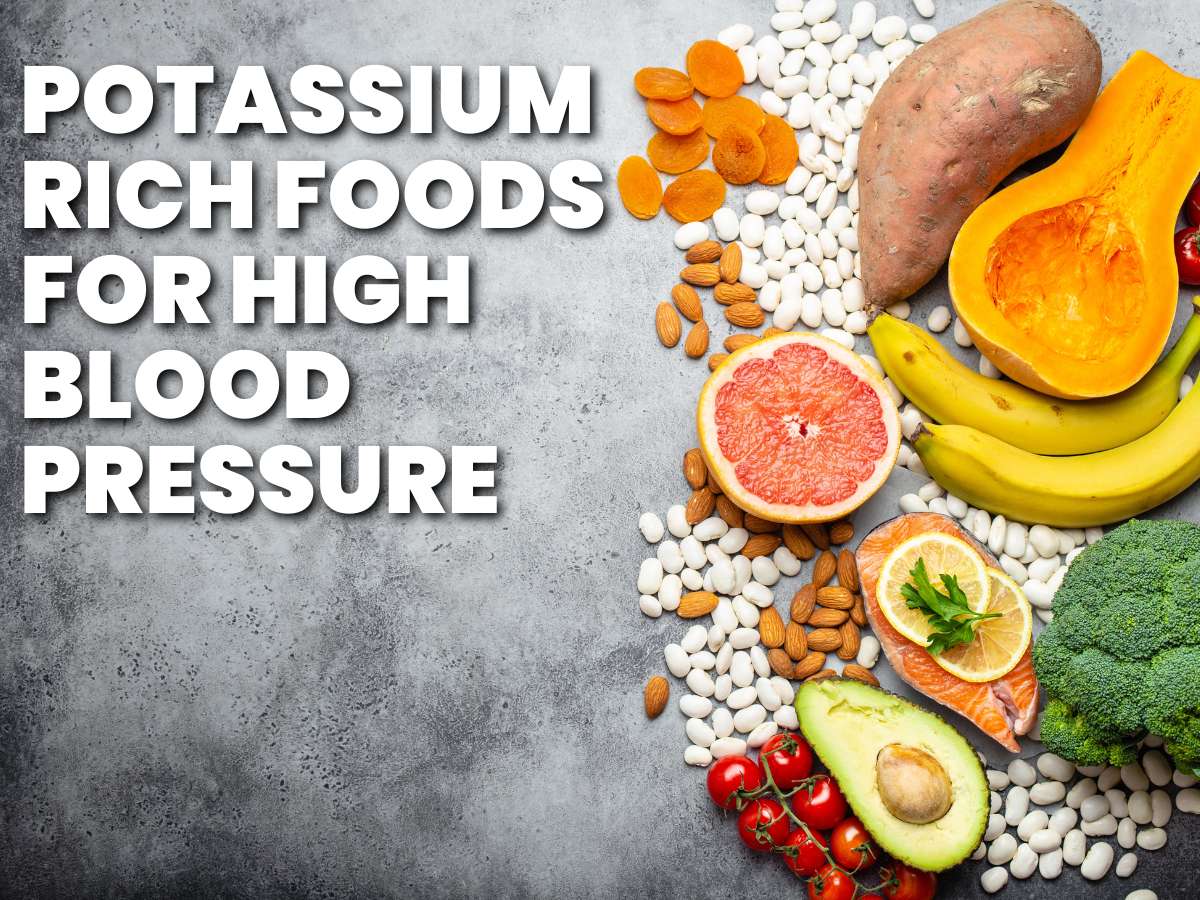
So, what's the target? Aim for 3,500-5,000mg of potassium daily from food sources, unless your doctor advises otherwise. You're likely familiar with bananas (422mg per medium-sized fruit), but there's also spinach (840mg per cooked cup), sweet potatoes (542mg per medium-sized spud), and avocados (708mg per medium-sized fruit).
- Kidney disease patients: work with your doc to determine a safe potassium range
- Medication users: consult your doctor about potential potassium interactions
- Healthy folks: enjoy those potassium-rich foods, but don't overdo it
Bottom line: get your levels checked, and work with your healthcare team to find a potassium sweet spot that works for you.
Potassium-Based Salt Substitutes: A Healthy Option?
You're looking for ways to shake up your salt game, and potassium-based salt substitutes are catching your eye. Let's dive into the details. These alternatives can be a healthy choice, especially if you're watching your sodium intake or managing high blood pressure. One popular option is potassium chloride, a compound that's naturally found in many foods. It's often used as a 1:1 substitute for regular salt in cooking and can help reduce sodium intake by up to 30%. For instance, if you're making a hearty beef stew, you can use potassium chloride instead of regular salt to season it. The result? A dish that's not only flavorful but also lower in sodium.
Benefits for Blood Pressure
Studies have shown that potassium-based salt substitutes can have a significant impact on blood pressure. In one notable study published in the New England Journal of Medicine, researchers found that using a potassium-enriched salt substitute reduced systolic blood pressure by an average of 4.7 mmHg in participants with hypertension. That's a substantial drop, especially when you consider that even small reductions in blood pressure can lower the risk of heart disease and stroke. The benefits don't stop there. Potassium itself has been shown to have a positive effect on blood pressure, helping to balance out the effects of sodium and promoting healthy blood vessel function. You're getting a two-for-one deal with potassium-based salt substitutes – reducing sodium intake while increasing potassium consumption.
Consult Your Doctor
Before making any changes to your diet, especially if you have kidney issues or are taking medications, it's crucial to consult with your healthcare provider. Certain individuals, such as those with chronic kidney disease, may need to limit their potassium intake. Your doctor can help you determine the best approach for your specific needs. Some popular potassium-based salt substitutes include LoSalt and NuSalt. When shopping for these products, be sure to check the ingredient labels and choose options that are low in sodium and free from additives. By incorporating potassium-based salt substitutes into your diet, you can take a proactive step towards managing your blood pressure and improving your overall health.
Next Steps: Take Control of Your Blood Pressure
You've got the knowledge, now it's time to take action! Managing high blood pressure is all about making informed choices, and incorporating potassium-rich foods into your diet is a great place to start. Think of it like giving your body a shield against those pesky blood pressure spikes.
Your Action Plan
Don't go it alone!
Consult with a healthcare provider or registered dietitian to create a personalized plan that suits your needs. They'll help you navigate the best foods and strategies for your specific situation.
Start small – add a serving of potassium-rich spinach to your omelette or snack on some bananas. Swap regular potatoes for sweet potatoes, and try some coconut water for a refreshing twist. These tiny changes add up!
Keep track of your progress and adjust as needed. Monitor your blood pressure regularly, and don't hesitate to reach out to your healthcare provider if you notice any changes (good or bad). You're in the driver's seat here!
- Load up on potassium-rich foods like bananas (422mg each), spinach (840mg per cup cooked), and sweet potatoes (542mg each)
- Explore new recipes and flavors to keep things interesting
- Stay hydrated and limit sodium intake for maximum benefits
The power to manage your blood pressure is literally in your hands – and on your plate! Make these simple changes and take the first step towards a healthier, happier you.












Comments ()