Porsche Russia Crisis

In a bizarre turn of events, hundreds of Porsche owners in Russia woke up to find their prized vehicles immobilized, with engines dead and alarms failing to respond. The mysterious shutdown, affecting models as old as 2013, has sparked fears of satellite interference or sabotage. Porsche's Vehicle Tracking System (VTS), designed to prevent theft, seems to be the culprit, automatically activating the engine immobilizer when it loses satellite signal. With no official statement from Porsche, owners are left wondering if this is a technical glitch or something more sinister. Let's dive into the details of this unfolding crisis and explore what's happening to these luxury rides.
The Mysterious Shutdown

You've probably heard the whispers - hundreds of Porsches across Russia, all suddenly gone dark. We're talking about some seriously high-end rides here, models dating back to 2013, like the iconic 911 and Panamera. But what's behind this mysterious shutdown? It seems the culprit is a failure in the factory-installed satellite security system, which has left owners stranded and scratching their heads.
The Problem
Reports started flooding in recently, with owners complaining of sudden engine shutdowns and alarms failing without explanation. One minute they're cruising down the Moscow Ring Road, the next their prized Porsche is beeping helplessly, refusing to budge. According to industry insiders, over 300 vehicles are affected, with some owners experiencing multiple shutdowns.
Porsche Russia has acknowledged the issue, stating they've seen a spike in complaints. But when it comes to what's causing the problem, they're staying tight-lipped - no official comment on whether it's a software glitch, hardware failure, or something more sinister. "We're looking into the matter," a spokesperson said, before going dark themselves.
So what's next for these unlucky Porsche owners? Will they see their beloved rides fixed under warranty, or are they in for a costly repair bill? Stay tuned as this story develops.
Satellite Security System Suspected
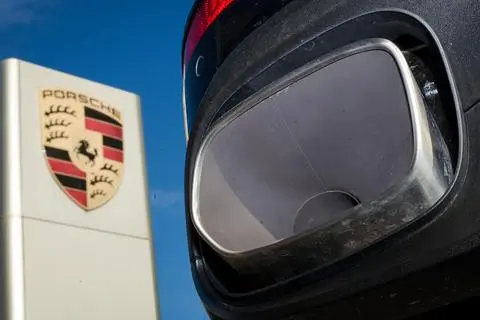
The plot thickens in the Porsche Russia crisis. You're probably wondering what's causing these brand-new, high-performance machines to suddenly stop working. Well, the finger's pointing at the Vehicle Tracking System (VTS) – specifically, the satellite security system that's supposed to keep these cars safe from thieves.
Here's the thing: if the VTS loses connection with the satellite, it automatically activates the engine immobilizer, bringing the car to a grinding halt. It's like the car is saying, "Hey, I'm not getting the signal I need, so I'm shutting down for security reasons." And trust me, it's not just a minor glitch – some owners are reporting that their Porsches are completely unresponsive, even after trying to restart the engine or disconnect the battery.
The VTS Conundrum
Some owners have tried to outsmart the system by disconnecting the batteries or disabling the VTS altogether. However, success stories are mixed, and it's unclear what the long-term consequences might be. Take Sergey, a Porsche owner from Moscow, who tried to disconnect his car's battery, only to find that it didn't work. "I was hoping it would be a simple fix, but nope, the car is still not working," he said in a recent interview.
- The VTS is designed to prevent theft, but it's causing chaos for legitimate owners
- Some owners are reporting errors on their dashboards, indicating a loss of satellite signal
- Porsche Russia hasn't officially commented on the issue, but sources suggest they're working on a fix
The big question on everyone's mind is: what's causing the VTS to malfunction? Is it a technical issue or something more sinister? We'll have to wait and see how this unfolds.
Speculation and Theories
The big question on everyone's mind: what's really going on with Porsche Russia? Some folks are speculating that the issue might be deliberate, possibly related to sanctions or geopolitical tensions. It's not hard to see why they'd think that - given the current climate, companies are under pressure to take sides.
Others point to a software update gone wrong or a technical glitch. You might recall the 2018 incident when Volkswagen (Porsche's parent company) faced a major software-related recall affecting thousands of vehicles. These things happen, and it's possible that Porsche's facing a similar hiccup.
As for what's fueling these theories, there's not much concrete evidence yet. Porsche's global headquarters hasn't commented on the situation, leaving everyone to fill in the blanks. Analysts like Sergey Skvortsov from Sberbank CIB point out that it's unusual for a company like Porsche to just go dark without explanation.
The Bigger Picture
This isn't just about Porsche; it's about how global brands navigate complex geopolitical landscapes. Companies like Apple and Tesla have faced similar challenges in regions like China and Russia. When sanctions kick in, businesses often find themselves caught in the middle, juggling compliance with local regulations and maintaining operations.
- Software issues can be fixed with updates
- Sanctions can lead to operational shutdowns
- Communication (or lack thereof) fuels speculation
For now, Porsche owners in Russia are left waiting, wondering if they'll get their keys back anytime soon. The situation remains fluid, and we'll keep an eye on developments.
Impact on Owners

You might've heard about the chaos unfolding in Russia, where Porsche owners are facing a nightmare. The crisis has left many stranded, with their prized cars refusing to start or respond. Just imagine being in the middle of nowhere, ready to hit the road, and your Porsche just won't budge.
Service centers are flooded with requests, and some owners are even trying DIY fixes, hoping to revive their beloved vehicles. Take Sergey, a Porsche enthusiast from Moscow, who's been waiting for days to get his Taycan fixed. "I love my car, but this is crazy," he says. "I just want it back on the road." The issue has sparked panic among Porsche owners in Russia, with many taking to social media to share their experiences and seek help.
The Struggle is Real
With over 1,000 Porsche vehicles affected, the situation is getting desperate. Owners are reporting issues with everything from the engine to the infotainment system. Some have even resorted to using public transport, a far cry from their usual luxury ride. The Porsche community is in an uproar, with many demanding answers and solutions from the company.
- Over 1,000 vehicles affected
- Service centers overwhelmed with requests
- Owners seeking DIY fixes and online support
The crisis is still unfolding, and it's unclear when Porsche will resolve the issue. For now, owners are left to navigate the chaos and hope for a swift solution.
Possible Fixes and Workarounds
You're probably wondering what you can do right now to get your Porsche up and running. Well, some owners have found temporary solutions that might just work for you. Let's dive into the specifics. One approach that's worked for some is disconnecting the battery for a few hours. Yeah, it sounds simple, but it's worth a shot, right? One Porsche enthusiast on a forum shared that after disconnecting the battery for about 4 hours, his car restarted without any issues. He tried it with his 2022 Macan, and it worked like a charm. Now, this isn't a permanent fix, but it's a good workaround if you're in a bind. Another strategy some owners have tried is disabling or rebooting the VTS system. For those who might not know, VTS stands for Vehicle Theft Deterrent System. Some owners have reported success by disconnecting the VTS module or simply rebooting it. However, be cautious here – messing with your car's security system isn't something to take lightly. If you're not comfortable with DIY car repairs, it's best to leave this one to the pros. Porsche dealerships are aware of the issue and are actively investigating. While there's no official fix available yet, they're working closely with owners to understand the problem better. In fact, some owners have reported that their local dealerships are offering software updates that might address the issue. For instance, a dealership in Moscow reportedly offered a software update to fix the VTS system, and it worked for some owners. If you're experiencing this issue, here are a few things you can try:
- Disconnect the battery for a few hours and then try restarting the car
- Check if there's a software update available for your car's VTS system
- Reach out to your local Porsche dealership for assistance
Keep in mind that these workarounds might not work for everyone, and it's essential to get your car checked by a professional as soon as possible. The Porsche community is rallying around affected owners, sharing their experiences and solutions. By working together, they might just find a more permanent solution.
Broader Implications
The Porsche Russia crisis throws a spotlight on a growing concern: connected vehicle security. With modern cars increasingly reliant on sophisticated software and satellite-based systems, you're essentially driving a computer on wheels. And that comes with risks.
Think about it – your car's GPS navigation, emergency response systems, and even engine controls are all potentially vulnerable to disruptions. It's not just about hackers getting into your playlist; we're talking about safety-critical systems. In 2020, researchers demonstrated they could hack into a Tesla Model X's systems remotely, showing just how exposed these vehicles can be.
Reliance on Satellite Systems Raises Eyebrows
The Porsche incident highlights another issue: reliance on satellite-based systems like Russia's GLONASS or America's GPS. If these networks face disruptions – whether through cyberattacks, solar flares, or geopolitical tensions – you're left with a vehicle that's more style than substance. And with luxury brands like Mercedes-Benz, BMW, and Audi also using similar tech, the question is: are you comfortable with that level of dependency?
- Luxury car brands with satellite-based systems:
- Porsche (affected in Russia)
- Mercedes-Benz (MBUX system)
- BMW (ConnectedDrive)
- Audi (Car-to-X communication)
For instance, in 2017, hackers demonstrated they could spoof GPS signals, tricking a yacht's navigation system off course. If it can happen to a yacht, it can happen to your car. The implications are clear: as vehicles get smarter, they also get more vulnerable.
Moving Forward

Porsche owners in Russia are breathing a sigh of relief, but they're not out of the woods yet. If you're one of them, stay calm and reach out to your local dealership for assistance. They're working on solutions, and it's crucial you stay informed about any developments.
The situation has raised concerns about vehicle security systems, and we might see increased scrutiny on these systems in the future. With the global chip shortage already causing ripples, this incident might add to the complexity of the automotive industry's challenges. Companies like Porsche are working hard to stay ahead, but it's clear that cybersecurity is a cat-and-mouse game.
What's Next?
A solution is expected to be found, but let's be real, this incident leaves a mark on Porsche's reputation. The German automaker is known for its high-performance vehicles, and this crisis might make some potential buyers think twice. For now, it's a waiting game, but one thing's for sure - Porsche will be working hard to regain trust.
For you, the takeaway is simple: stay vigilant, keep an eye on your vehicle's software updates, and don't hesitate to reach out to your dealership if you notice anything unusual. As for Porsche, it's time to put the pieces back together and come out stronger.
The road ahead might be bumpy, but one thing's clear: Porsche is built to last.










Comments ()