Plant-Based Proteins - The Powerhouse of Nutrition

Are you looking for a way to supercharge your health, reduce your carbon footprint, and still enjoy delicious food? Look no further than plant-based proteins! With the world going guttural about sustainable living, it's no wonder that plant-based proteins are gaining popularity - in fact, the global plant-based protein market is projected to reach a whopping ₹1.8 lakh crore by 2025, growing at a CAGR of 14.5%. But what's driving this trend? From powering up your muscles to saving the planet, let's dive into the powerhouse of nutrition that is plant-based proteins and explore the top sources that are about to become your new best friends.
The Protein Puzzle: Why Plant-Based is the Future
You know protein is crucial for building and repairing tissues in your body, right? It's like the building blocks for muscles, bones, and even hormones. And let's be real, with the world's population projected to hit 9.7 billion by 2050, we're gonna need a protein source that's not only good for us but also good for the planet.
Here's the thing: animal-based proteins, like meat and dairy, can be resource-intensive. Did you know that producing just one pound of beef requires around 1,800 gallons of water? According to the Food and Agriculture Organization (FAO), the livestock sector is responsible for around 14.5% of global greenhouse gas emissions! That's a hefty environmental cost, if you ask me.
That's where plant-based proteins come in – they're like the sustainable alternative we need. Foods like lentils, chickpeas, and tofu are not only packed with protein but also tend to have a lower carbon footprint. For instance, producing lentils requires about 1/15th the water needed for beef production. Plus, plants like quinoa and hemp are complete protein sources, meaning they got all the essential amino acids your body needs.
Now, I'm not saying you need to go full vegan or anything, but incorporating more plant-based proteins into your diet can make a difference. As Dr. Michael Greger, a renowned nutrition expert, puts it, "The best way to reduce your carbon footprint is to eat more plants."
The Bottom Line
It's clear that plant-based proteins are more than just a trend – they're a sustainable solution for our protein needs. And trust me, your body (and the planet) will thank you for it.
From Lentils to Legumes: Exploring the Variety
You know what's wild? The variety of plant-based proteins out there. We're talking lentils, chickpeas, black beans, kidney beans... the list goes on. These powerhouses are packed with protein and fiber, making them a staple in many diets.
Lentils: The Protein-Rich Superfood
Lentils are a great example. One cup of cooked lentils packs a whopping 18 grams of protein and 16 grams of fiber. That's crazy good for your gut and your muscles. In India, lentil-based dishes like dal are a common feature in many households. In fact, did you know that the Indian state of Bihar is the largest producer of lentils in the country?
Chickpeas: The Versatile Favourite
Chickpeas are another popular choice. You can toss them in salads, blend them into hummus, or roast them as a snack. One cup of cooked chickpeas has around 15 grams of protein and 12 grams of fiber. They're a favourite in Mediterranean cuisine, and are often used in dishes like hummus and falafel.
Legumes, in general, are a powerhouse. They're rich in essential nutrients like iron, zinc, and folate. Plus, they're super versatile - you can add them to soups, stews, curries, or salads. The global cuisine scene is full of legume-based delights, from Mexican black beans to Turkish falafel.
- Black beans: popular in Latin American cuisine, rich in antioxidants
- Kidney beans: a staple in Indian and Pakistani dishes like rajma and red curry
- Chana dal: a type of split lentil commonly used in Indian cuisine
The options are endless, and they're all packed with nutrition. Whether you're a seasoned plant-based eater or just starting out, incorporating these protein-rich foods can make a huge difference to your health.
The Environmental Impact: How Plants Save the Planet
You might've heard that what we eat has a huge impact on the planet, and it's true - animal agriculture is a major contributor to greenhouse gas emissions, deforestation, and water pollution. In fact, the production of animal products is responsible for around 14.5% of global GHG emissions, according to the FAO. That's more than the entire transportation sector!
On the other hand, plant-based proteins are a game-changer. They're like a breath of fresh air for the planet. Take legumes, for example - they're packed with protein and have a carbon footprint that's a fraction of that of animal products. A study by the University of Oxford found that beef production generates 27 times more CO2e per kg than pea protein production. That's a massive difference!
And it's not just about reducing harm - sustainable farming practices can actually enhance biodiversity. Take organic farming, for instance. It promotes soil health, conserves water, and provides a haven for pollinators like bees and butterflies. The Rodale Institute has shown that organic farming can sequester up to 1,000 pounds of carbon per acre annually. That's like taking a car off the road!
Sustainable Farming Practices: The Way Forward
So, what's being done? Well, many farmers are adopting regenerative agriculture practices that prioritize soil health, biodiversity, and efficient water use. For example, the regenerative farm, Singing Frogs Farm in California, grows a diverse range of crops using natural methods and has seen a significant increase in biodiversity and soil carbon.
- Reduced synthetic fertilizer use
- Increased crop rotation and diversity
- Improved water management
These practices not only help the planet but also result in more nutritious and resilient crops. It's a win-win!
Health Benefits: The Advantages of Plant-Based Proteins
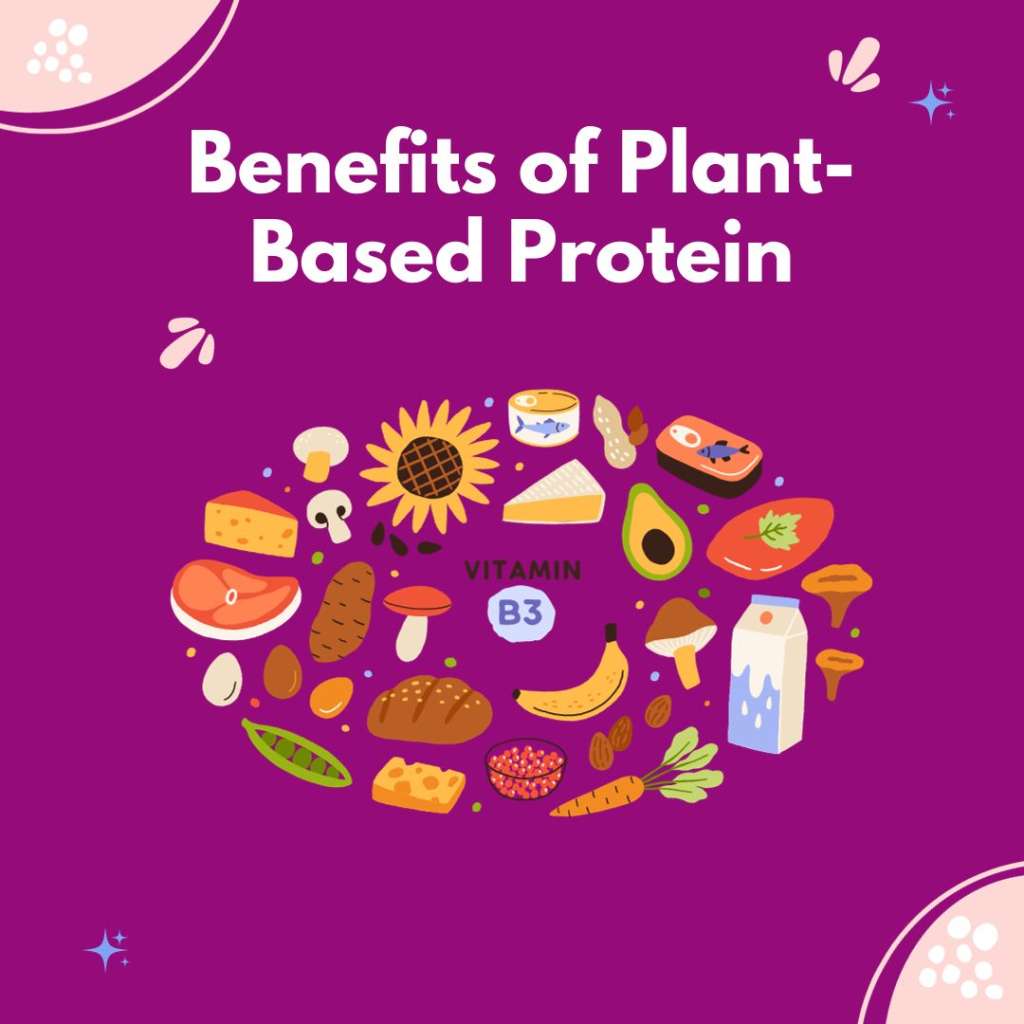
You've probably heard that plant-based proteins are good for you, but let's break down exactly why. One major perk is that they're packed with fiber - we're talking about foods like lentils, chickpeas, and black beans. A cup of cooked lentils, for example, gives you about 15 grams of fiber, which is roughly half your daily needs! This is great news for your digestive health, as fiber helps keep things moving smoothly and feeds those good gut bacteria.
Reducing Chronic Disease Risk
Studies have shown that diets rich in plant-based proteins can lower your risk of chronic diseases like heart disease, diabetes, and even certain cancers. A large-scale study published in the Journal of the American Heart Association found that swapping just 3% of animal protein with plant protein can cut heart disease risk by 12%! The antioxidants and phytochemicals in plant-based proteins play a big role here, helping to reduce inflammation and oxidative stress in your body.
Antioxidant Powerhouses
Speaking of antioxidants, plant-based proteins are loaded with them. Take quinoa, for instance - it's a complete protein and a rich source of antioxidants like vitamin E and manganese. These antioxidants help protect your cells from damage caused by free radicals, which can contribute to aging and diseases like cancer. By incorporating more plant-based proteins into your diet, you're essentially giving your cells a shield against damage.
- Rich in fiber, vitamins, and minerals
- Low in saturated fats and cholesterol
- Supports weight management and overall well-being
Some great sources of plant-based proteins include legumes, nuts, seeds, whole grains, and soy products. Incorporating these into your meals can be super simple - think lentil soup, chickpea salads, or tofu stir-fries. Your body (and taste buds) will thank you!
Myth-Busting: Common Misconceptions
You've probably heard some myths about plant-based proteins, like they're incomplete or lack essential amino acids. Here's the thing: it's true that some plant proteins are low in certain amino acids, but that's not the end of the story. By combining different plant sources, you can get all the amino acids your body needs. For example, pairing whole grains like brown rice with legumes like lentils gives you a complete protein profile, just like quinoa does on its own.
Soy isn't the Only Game in Town
Soy gets a lot of attention, and rightfully so - it's a great source of protein. But there are plenty of other options out there. Think lentils, chickpeas, black beans, and even quinoa. In fact, a cup of cooked lentils packs a whopping 18 grams of protein. Not too shabby, right? And don't forget about nuts and seeds like almonds, chia seeds, and hemp seeds, which are all high in protein and healthy fats.
Protein deficiency is pretty rare in India, even if you're following a plant-based diet. As long as you're eating a variety of whole foods, you're likely getting enough protein. In fact, studies suggest that most Indians get more than enough protein, even if they're not consciously tracking their intake. The key is to eat a balanced diet with plenty of whole grains, legumes, and veggies.
One example of a protein-packed plant-based superstar is the humble chickpea. A cup of cooked chickpeas has around 15 grams of protein, making it a great addition to salads, stews, and curries. And with so many varieties to choose from, you can mix and match to keep things interesting.
Dive deeper: [How to combine plant proteins for complete amino acid profiles]((link unavailable)) [Exploring different types of legumes and their nutritional benefits]((link unavailable)) [Plant-based protein sources for athletes and active individuals]((link unavailable))
Incorporating Plant-Based Proteins into Your Diet
So, you're convinced that plant-based proteins are the way to go, but you're not sure where to start? Let's break it down. Begin with small changes, like dedicating one day a week to meat-free meals – Meatless Mondays, anyone? It's a great way to experiment with new flavors and recipes without feeling overwhelmed.
For example, you could try a hearty lentil curry on Mondays, packed with protein-rich lentils, spinach, and spices. Or, whip up some vegan stir-fry with tofu, broccoli, and brown rice. The key is to have fun and explore different cuisines – Indian, Mexican, Italian, you name it!
Mix and Match
Incorporating plant-based proteins into your favorite dishes is easier than you think. Take pizza night, for instance. Swap out pepperoni for roasted chickpeas or black beans, and add some caramelized onions and bell peppers. Or, try adding quinoa to your favorite pasta sauce for a protein-packed twist on spaghetti night.
- Try adding chickpeas to your salads or soups for a protein boost
- Use tofu or tempeh in stir-fries and curries
- Experiment with lentil or mushroom-based 'meatballs' in your pasta dishes
The possibilities are endless, and the best part? You're supporting your health, the planet, and animal welfare all at once. Take it from Sarah, a busy working mom who switched to plant-based proteins and saw a significant improvement in her energy levels and overall health. "I was skeptical at first, but incorporating plant-based proteins into my diet has been a game-changer," she says.
So, what's holding you back? Dive in, experiment, and find your new favorite plant-based protein recipes!
The Future of Food: Trends and Innovations
You've seen how plant-based proteins are packed with nutrition, but what's next? The future of food is looking green, with lab-grown plant-based meats on the rise. Companies like Beyond Meat and Impossible Foods are already making waves with their plant-based burgers that bleed, sizzle, and taste like the real deal. In fact, Beyond Meat's sales hit $97.5 million in Q2 2022, showing just how hungry people are for sustainable, cruelty-free options.
Sustainable Food Tech is Driving Innovation
It's not just about meat alternatives, though. Sustainable food tech is driving innovation in plant-based proteins, with companies developing everything from lab-grown dairy to fermentation-based protein sources. Take Perfect Day, for example, which uses microbial fermentation to produce animal-free dairy proteins. Their whey protein is identical to the stuff found in cow's milk, but without the environmental impact.
Ancient grains and pseudo-cereals are also gaining popularity, with quinoa, amaranth, and teff leading the charge. These superfoods are packed with protein, fiber, and micronutrients, making them a great addition to plant-based diets. You might even start seeing them on menus in trendy cafes and restaurants soon!
- Lab-grown plant-based meats are reducing greenhouse gas emissions and water usage
- Ancient grains like quinoa are being rediscovered for their nutritional benefits
- Fermentation-based protein sources are poised to disrupt the food industry
The future of food is plant-based, and it's looking tasty. As consumer demand for sustainable, healthy options grows, expect to see even more innovation in this space.
Powering Your Body: The Next Steps
You're now equipped with the knowledge of plant-based proteins and their incredible benefits. But what's next? It's time to take action and transform your health. Consult with a nutritionist, like Dr. Michael Greger, who specializes in plant-based diets, to get personalized advice tailored to your needs.
Explore the Possibilities
The internet is flooded with amazing plant-based recipes and meal plans. Websites like Forks Over Knives and The Full Helping offer a treasure trove of inspiration. Try incorporating lentil soup, chickpea salads, or tofu stir-fries into your daily routine. For example, a study by the Journal of the Academy of Nutrition and Dietetics found that a plant-based diet can reduce the risk of heart disease by 32%.
- Discover new plant-based protein sources like seitan, tempeh, and nutritional yeast
- Experiment with international cuisines like Indian, Middle Eastern, or Asian, which often feature plant-based proteins
- Join online communities, like the Plant-Based Diet Support Group on Facebook, for motivation and support
Making informed choices about your diet isn't just about your health; it's about the planet too. Animal agriculture is a significant contributor to greenhouse gas emissions, so choosing plant-based options can help reduce your carbon footprint. As Paul McCartney says, "Go vegan and help save the planet." Your food choices have the power to create a ripple effect, inspiring others to make sustainable choices.
As you embark on this journey, remember, it's not about perfection; it's about progress. Every plant-based meal is a step towards a healthier you and a more sustainable planet.












Comments ()