Plant-Based Protein Powerhouses for Bodybuilding Success
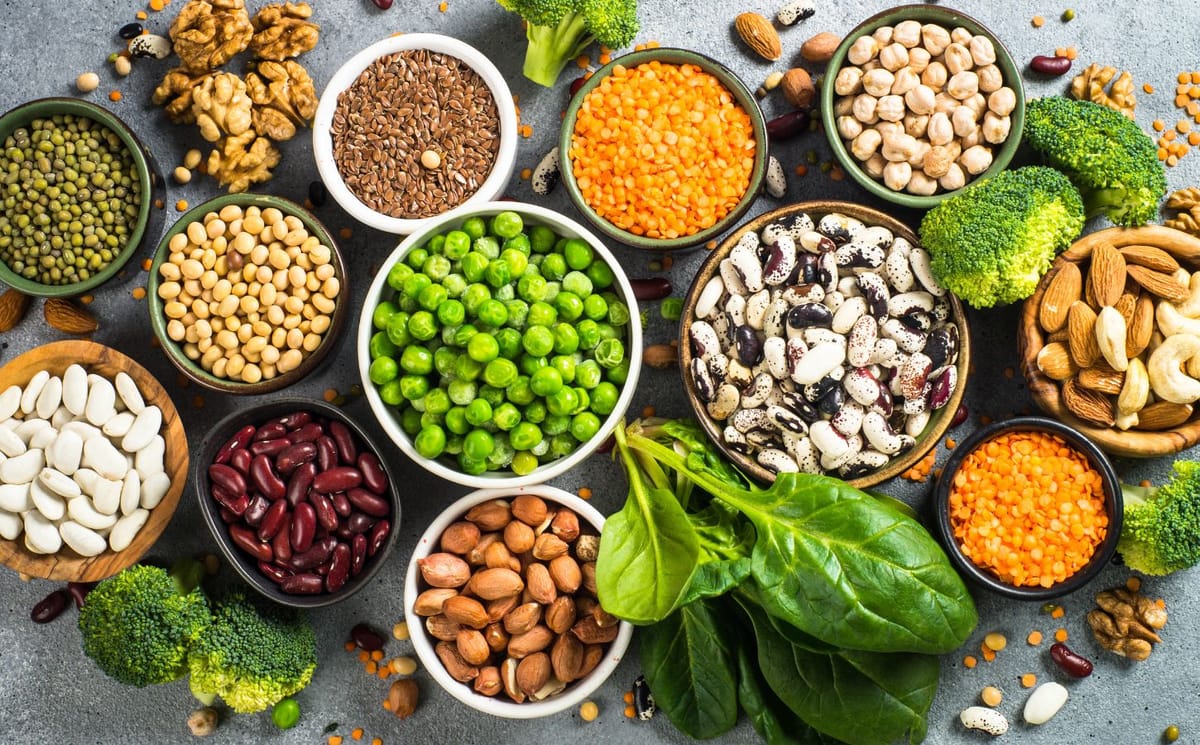
Are you tired of relying on protein powders and supplements to fuel your bodybuilding goals? You're not alone. With the growing demand for sustainable and plant-based diets, it's time to tap into the power of plant-based protein sources. Did you know that a recent study found that plant-based proteins can be just as effective as animal-based proteins for muscle growth and recovery? As the fitness industry shifts towards more eco-friendly and cruelty-free options, we've rounded up the top plant-based protein powerhouses that'll help you crush your bodybuilding goals. From lentils to seitan, let's dive into the ultimate plant-based protein sources for bodybuilding success.
The Plant-Based Protein Puzzle
You've probably heard the myth that vegan diets are protein-deficient, right? That you can't build muscle on a plant-based diet? Well, let's bust that myth right now. Many experts, like Dr. Michael Greger, say that's simply not true. In fact, some of the strongest animals on the planet, like gorillas and elephants, are herbivores. They build massive muscle on a plant-based diet, don't they?
The truth is, plant-based protein sources can be just as effective for muscle growth as animal-based ones. The key is to eat a variety of them. Think lentils, chickpeas, tofu, tempeh, and seitan. These foods are packed with protein and other essential nutrients that support muscle growth and recovery. For example, a cup of cooked lentils has about 18 grams of protein, while a cup of chickpeas has around 15 grams.
Now, you might be thinking, "But how do I get enough protein?" That's where variety comes in. Eating different plant-based protein sources throughout the day can help you hit your protein goals. The recommended daily intake is about 1.6-2.2 grams of protein per kilogram of body weight, depending on your activity level and goals. So, if you weigh 70 kilos, aim for around 112-154 grams of protein per day.
Getting the Right Mix
It's not just about protein, though. You also need to consider other nutrients like carbohydrates, healthy fats, and micronutrients. That's why it's essential to eat a balanced diet that includes a variety of whole foods. With a little planning, you can easily meet your protein needs and build muscle on a plant-based diet.
Legumes: The Protein-Rich Foundation
You're building muscle, and you know protein is key. Legumes are a powerhouse source, and I'm gonna tell you why they're a game-changer. Take lentils, for example - one cup packs a massive 18g of protein. That's huge, right? Plus, they're rich in fiber, which helps with digestion and keeps you feeling fuller for longer.
The Versatility of Chickpeas
Chickpeas are another great option, with 15g of protein per cup. They're super versatile - toss 'em in a salad, blend into hummus, or roast them for a crunchy snack. And let's not forget their nutrient profile: fiber, vitamins, and minerals like manganese and folate. You can't go wrong with chickpeas.
Black beans are another protein-packed winner, with 15g per cup. They're a great source of iron, too, which is essential for healthy red blood cells. Add them to your post-workout shake or mix with rice and veggies for a protein-packed meal. The fiber content will also help with satiety and blood sugar control.
- Lentils: 18g protein per cup, rich in fiber
- Chickpeas: 15g protein per cup, versatile and nutritious
- Black Beans: 15g protein per cup, packed with iron and fiber
These legumes are a great addition to your diet, whether you're a seasoned bodybuilder or just starting out. They're affordable, accessible, and can be prepared in a variety of ways. So go ahead, get creative, and reap the benefits of these protein-rich powerhouses.
Whole Grains and Seeds: Protein-Packed Punch
You know how people always talk about getting enough protein on a plant-based diet? Well, whole grains and seeds are often the unsung heroes. Let's dive into some of the top protein powerhouses in this category.
Quinoa: The Complete Package
Quinoa is a game-changer. One cup of cooked quinoa gives you about 8g of protein, and it's a complete protein, meaning it has all nine essential amino acids your body needs. That's huge for bodybuilders and athletes who need to repair and build muscle tissue after a tough workout. Plus, quinoa is super versatile - you can use it as a base for salads, as a side dish, or even as a protein-packed breakfast porridge.
Hemp Seeds: Tiny but Mighty
Don't let their size fool you - hemp seeds are protein-packed little powerhouses. Just 3 tablespoons of hemp seeds contain about 10g of protein, plus a healthy dose of omega-3 fatty acids. These essential fatty acids help reduce inflammation and support heart health, which is crucial for athletes who push their bodies to the limit. Try sprinkling hemp seeds on your oatmeal or yogurt for a protein boost.
Spirulina: The Superfood Superstar
Spirulina is another seed worth adding to your diet. Just 2 tablespoons of spirulina contain about 8g of protein, plus a ton of other nutrients like iron, calcium, and vitamins. It's like a multivitamin in powder form. Many bodybuilders swear by spirulina for its ability to boost energy and support muscle recovery after a tough workout. Mix it into your post-workout smoothie or take it as a supplement. So, how can you incorporate these protein powerhouses into your diet? Start by adding quinoa to your meal prep routine, sprinkling hemp seeds on your oatmeal, or mixing spirulina into your post-workout smoothie. With these whole grains and seeds, you'll be well on your way to building strong, lean muscle.
Soy-Based Powerhouses
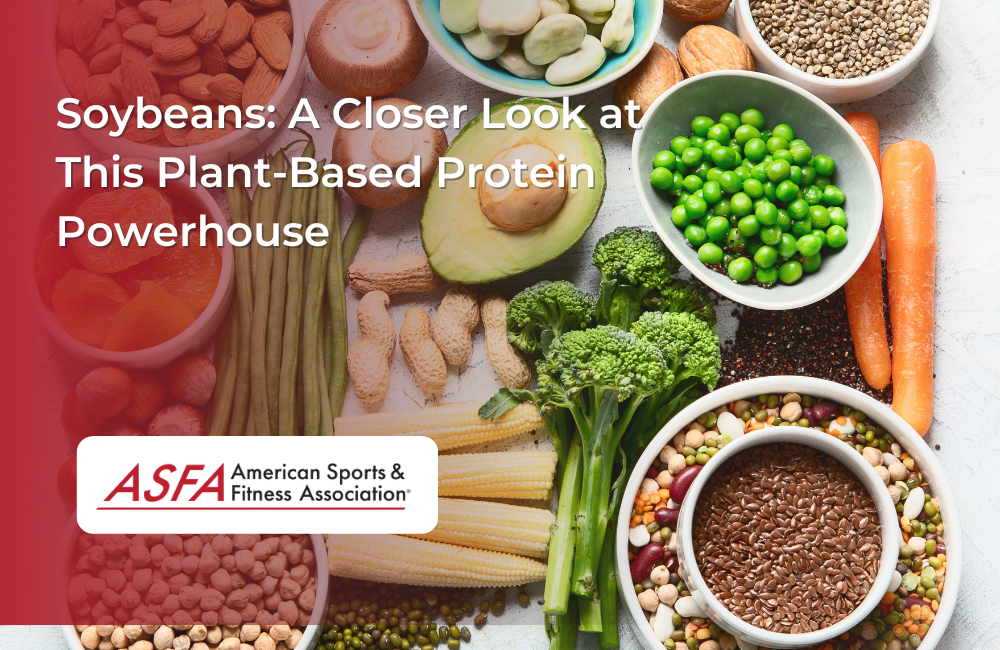
You know, when it comes to plant-based protein, soy is where it's at. It's like the ultimate game-changer for bodybuilders and fitness enthusiasts. Take tofu, for instance - it's like a protein sponge, absorbing all the flavors you throw at it, and packing a whopping 40g of protein per block!
But it's not just about the macros, tofu is insanely versatile. You can grill it, bake it, scramble it - the possibilities are endless. Just ask pro bodybuilder, Patrik Baboumian, who swears by tofu as his go-to protein source. He'll tell you, it's all about mixing it up and keeping your meals interesting.
Tempeh: The Fermented Fuel
Tempeh's another soy-based powerhouse worth talking about. With 31g of protein per cup, it's a nutrient-dense addition to any meal. The fermentation process makes it a probiotic-rich food, supporting gut health and digestion - crucial for athletes looking to optimize performance. Plus, it's got a nutty flavor that pairs well with pretty much anything.
- Protein-packed punch: 31g per cup
- Fermented benefits: supports gut health and digestion
- Versatile uses: crumbled, baked, or stir-fried
Whether you're a seasoned athlete or just starting out, incorporating soy-based powerhouses like tofu and tempeh can take your bodybuilding game to the next level. They're not just protein sources, they're game-changers. Give 'em a shot!
Supplementing Your Diet
You're hitting the gym hard, and your diet's on point, but you're still wondering if you're getting enough protein. That's where supplements come in – specifically, plant-based protein powders. Pea protein powder's a top pick, with 20-25g of protein per serving and easy on digestion. It's like having a protein shake post-workout without the bloating.
Pea Protein Powder: The Game-Changer
Pea protein's a complete protein, containing all nine essential amino acids your body needs. Brands like Vega and NOW Sports offer high-quality pea protein powders that mix well and taste great. One scoop's enough to kickstart muscle recovery and growth. Plus, it's hypoallergenic, making it perfect if you're lactose intolerant or vegan.
Other plant-based protein powders worth exploring include hemp, brown rice, and soy protein powders. Hemp protein's packed with omega-3s and fiber, while brown rice protein's gentle on the stomach. Soy protein's another popular option, with studies showing it supports muscle growth just as effectively as whey protein.
- Hemp protein powder: 15g protein per serving, rich in omega-3s
- Brown rice protein powder: 15-20g protein per serving, easy to digest
- Soy protein powder: 20-25g protein per serving, supports muscle growth
- Mixed plant protein blends: combine pea, hemp, and brown rice for a complete amino acid profile
When choosing a plant-based protein powder, look for brands that use non-GMO, organic ingredients and minimal additives. Experiment with different flavors and blends to find what works best for you.
Incorporating Protein into Your Diet
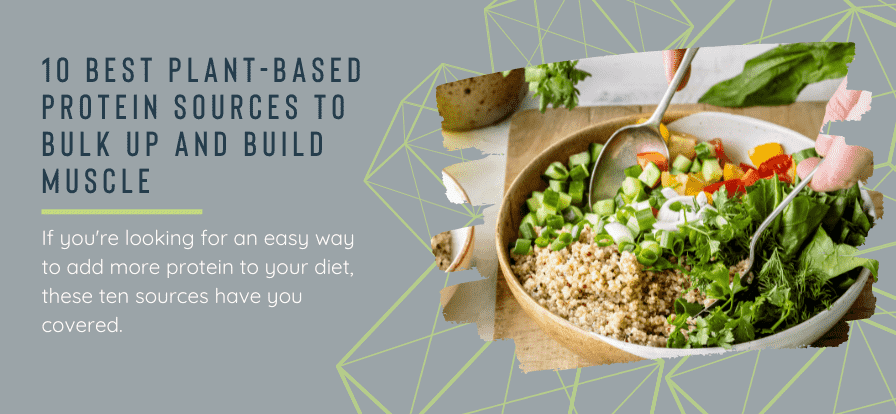
Now that you've got your plant-based protein powerhouses, let's talk about how to actually use them. You want to fuel your bodybuilding journey, right? Spreading protein intake throughout the day is key. Aim for 20-30 grams of protein per meal, and don't worry if you're not hitting that exact number – consistency is what matters.
Combine Proteins for Complete Amino Acid Profiles
Combining different plant proteins gives you a complete amino acid profile. Think rice and beans, or hummus with whole-grain pita. These combinations aren't just delicious, they're also packed with protein. For example, a cup of cooked lentils (18g protein) paired with a cup of cooked quinoa (8g protein) gives you a solid 26g of protein.
Use protein-rich foods in meals and snacks to hit your targets. Add chia seeds to your oatmeal, toss some tofu into your stir-fry, or blend a scoop of pea protein powder into your smoothie. Elite bodybuilder, Patrik Baboumian, swears by incorporating plant-based proteins like seitan and tempeh into his diet to fuel his intense training sessions.
- Start your day with a protein-packed breakfast, like a tofu scramble with spinach and whole-grain toast (20g protein)
- Sneak protein-rich nuts and seeds into your snacks, like almonds (6g protein per ounce) or hemp seeds (10g protein per tablespoon)
- Add protein-rich legumes to your meals, like chickpeas (15g protein per cup) or black beans (15g protein per cup)
These are just a few examples, but the key is to get creative and have fun with it. Experiment with different plant proteins and recipes to find what works best for you and your bodybuilding goals.
Fueling Muscle Growth and Recovery
When you're pushing your body to build muscle, recovery is just as important as the workout itself. That's where plant-based proteins come in – they're not just about building muscle, they're about helping you recover stronger. Plant-based proteins like pea, hemp, and brown rice protein are rich in essential amino acids (EAAs) that support muscle growth and repair.
The Power of Antioxidants
Plant-based proteins are packed with antioxidants that help reduce muscle soreness and inflammation post-workout. For example, a study published in the Journal of the International Society of Sports Nutrition found that athletes who consumed a plant-based protein powder rich in antioxidants experienced reduced muscle damage and improved recovery times. Berries, spinach, and other antioxidant-rich foods can complement your plant-based protein intake, amplifying the benefits.
There's also the fiber content in plant-based proteins that aids in digestion and overall health. A healthy gut microbiome is crucial for optimal nutrient absorption, and fiber plays a big role in that. Foods like lentils, chickpeas, and quinoa are not only high in protein but also rich in fiber, making them great additions to your diet.
Real-Life Example: Ultra-Marathon Runner, Scott Jurek
Ultra-marathon runner Scott Jurek is a great example of someone who fuels his body with plant-based proteins. Jurek, known for his incredible endurance, credits his plant-based diet for his success, citing the anti-inflammatory benefits and sustained energy it provides. His diet includes a variety of plant-based proteins like lentils, chickpeas, and hemp protein powder.
- Pea protein: rich in BCAAs, supports muscle growth and repair
- Hemp protein: complete protein source, rich in omega-3 fatty acids
- Brown rice protein: hypoallergenic, easy to digest
Next-Level Nutrition Strategies
You're getting serious about your plant-based bodybuilding game, and that's awesome. Now it's time to take your nutrition to the next level. Experimenting with new recipes and ingredients is key to keeping your meals exciting and ensuring you're getting the protein you need. Try incorporating protein-rich powerhouses like lentils, chickpeas, and tofu into your favorite dishes.
Meal Planning Made Easy
Plan your meals around protein-rich plant foods, aiming for 20-30 grams of protein per meal. For example, start your day with a protein-packed smoothie made with pea protein powder, banana, and almond milk. Then, hit the gym and refuel with a post-workout meal featuring seitan stir-fry with quinoa and veggies.
- Monitor your progress and adjust your diet accordingly – track your macros, weight, and workouts to see what's working
- Adjust your protein intake based on your individual needs and activity level
- Stay hydrated and listen to your body – it's giving you feedback every step of the way
By implementing these strategies, you'll be fueling your body for optimal growth and recovery. Think of it like this: you're not just building muscle, you're building a stronger, more resilient you. Now go crush those gains!





Comments ()