Pasture Eggs - The Sunny Side of Sustainable Farming
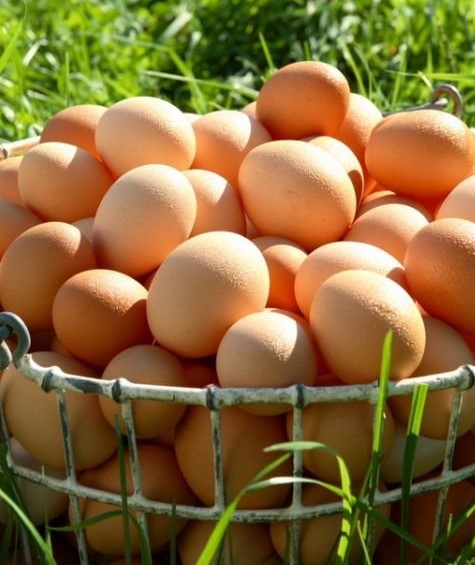
Imagine walking into a farm on a sunny morning, where hens roam free, scratching the earth and soaking up the warmth. This isn't just a idyllic scene - it's the reality of pasture-raised egg farming, a sustainable practice that's gaining traction in India. With the country's egg production projected to reach 100 billion by 2025, the shift towards pasture-raised eggs could be a game-changer for the environment and human health. Did you know that pasture-raised eggs have 1/3 less cholesterol and 1/2 more omega-3s than conventional eggs? As consumers increasingly demand more sustainable and nutritious options, let's explore what makes pasture eggs the sunny side of sustainable farming.
The Egg Aisle Enigma

You walk into the grocery store, and the egg aisle stops you in your tracks. Caged, cage-free, free-range, pasture-raised... what's the real difference? It's like trying to crack open a complex puzzle. The labels can be overwhelming, but understanding them is crucial for making informed choices that impact your health and the planet.
Did you know that a study by the United States Department of Agriculture (USDA) found that pasture-raised eggs contain 1/3 less cholesterol and 1/4 less saturated fat compared to conventional eggs? Dr. Joel Fuhrman, a renowned nutrition expert, says, "The nutritional profile of pasture-raised eggs is significantly superior, with higher levels of omega-3 fatty acids and vitamins A and E."
What's the Beef with Labels?
The terms on egg cartons can be confusing. Cage-free simply means the hens aren't in cages, but they might still be packed in crowded barns with no outdoor access. Free-range is a slight improvement, requiring some outdoor access, but the "outdoor area" might just be a tiny concrete pad. Pasture-raised, on the other hand, means the hens are free to roam and forage in large open pastures, soaking up sunshine and eating bugs and plants.
- Caged: Hens are confined to small cages, often with no access to outdoor spaces
- Cage-free: Hens are not in cages, but may still be indoors with limited space
- Free-range: Hens have some outdoor access, but it's often limited
- Pasture-raised: Hens roam freely in open pastures, foraging for food and sunshine
Pasture-raised eggs stand out for their nutritional benefits and sustainable farming practices. By choosing these eggs, you're supporting environmentally friendly farming methods that prioritize animal welfare and soil health. So, next time you're in the egg aisle, take a moment to consider the story behind the label.
What Makes Pasture-Raised Eggs Special?
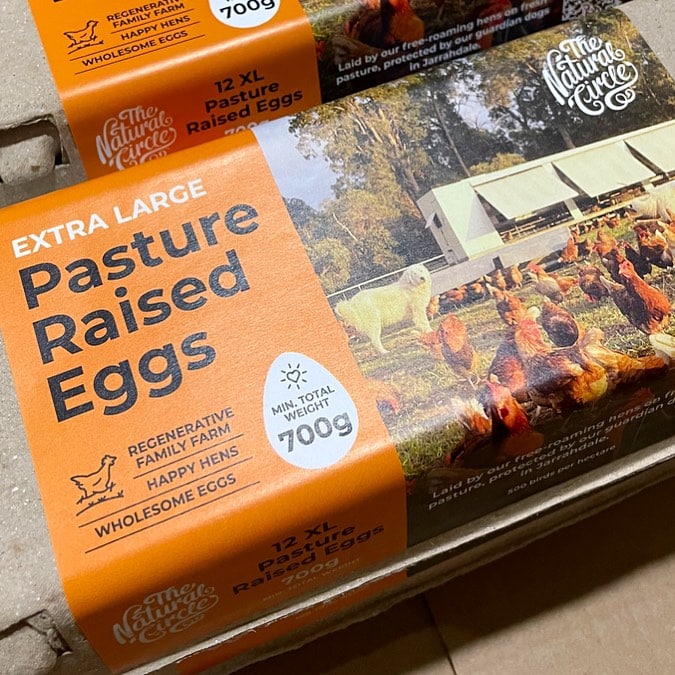
You know how we always hear about the importance of letting chickens be chickens? That's exactly what pasture-raised farming is all about. These hens are living their best lives, roaming free and enjoying the sunshine. In fact, each hen is allotted a whopping 108 square feet of space - that's like having a huge backyard to yourself!
This freedom to roam makes a huge difference in the eggs they produce. Take Polyface Farms, for example, a well-known pasture-raised egg farm in Virginia. Their hens spend their days pecking at grass, worms, and bugs, supplementing their diet with a bit of feed. The result? Eggs that are packed with nutrients. We're talking 2-3 times more vitamin A, omega-3 fatty acids, and vitamin E compared to conventional eggs.
The Power of Natural Foraging
When hens are able to forage naturally, they get a mix of plants and insects that contribute to the rich flavor and nutritional profile of their eggs. It's not just about the nutrients, though - the taste is amazing too! The yolks are often a deep golden color, and the flavor is rich and creamy. That's why many chefs and foodies are willing to pay a bit more for pasture-raised eggs - they're worth it!
- More vitamin A: great for your eyes and immune system
- Omega-3 fatty acids: supports heart health
- Vitamin E: an antioxidant that protects cells
It's clear that pasture-raised eggs are a game-changer for both the hens and our health. Who wouldn't want eggs that are not only delicious but also better for the animals and the environment?
The Regenerative Approach
You know how Vital Farms is shaking things up in the egg industry? They're pioneers in pasture-raised farming, and it's all about putting the hens first. By prioritizing animal welfare and environmental sustainability, they're showing the world what's possible when you care for the land and the animals.
Soil Health is Key
Their approach focuses on regenerative agriculture, which means they're not just avoiding harm – they're actively healing the planet. Take their farms, for example. They rotate those hens through lush pastures, letting them forage for bugs and seeds. This approach boosts soil health, sequesters carbon, and promotes biodiversity. In fact, studies have shown that regenerative farms can increase soil organic matter by up to 1% per year, which is huge for carbon capture.
And it's not just about the environment – the hens are thriving too. With access to fresh air, sunshine, and space to roam, they're producing eggs that are not just delicious, but also packed with nutrients. We're talking omega-3s, vitamin D, and beta-carotene – all thanks to that pasture-raised lifestyle.
- Improved soil health through rotational grazing
- Increased biodiversity with native plant species
- Enhanced animal welfare with access to outdoors
The best part? This approach benefits everyone involved – the hens, the farmers, and the planet. It's a win-win-win, and it's exactly why Vital Farms is leading the charge in sustainable farming.
Nutritional Benefits
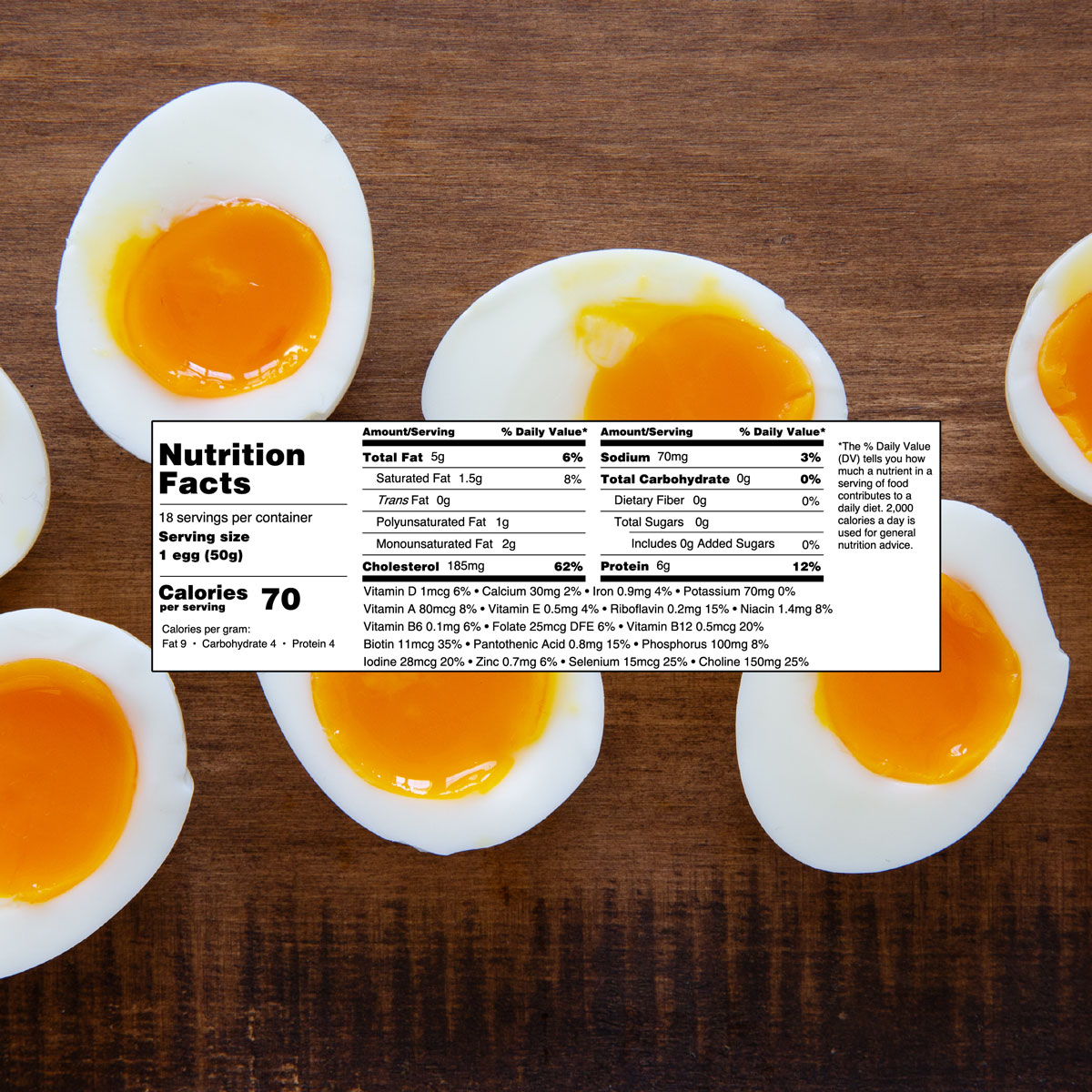
You know what's amazing about pasture-raised eggs? They're like a superfood in a shell! Compared to their caged counterparts, pasture-raised eggs have been shown to have higher levels of vitamins A and E, and omega-3 fatty acids. Just one example: a study by the Journal of Agricultural and Food Chemistry found that pasture-raised eggs contain 2-3 times more omega-3s than conventional eggs.
The Power of a Varied Diet
So, what's behind this nutritional boost? It's simple: the hens' diet. When hens are raised on pasture, they get to forage for bugs, seeds, and plants, which adds variety and nutrients to their diet. This varied diet is what contributes to the enhanced nutritional profile of their eggs. For instance, the omega-3s in pasture-raised eggs come from the seeds and plants the hens eat, like flaxseeds and clover.
These nutrients aren't just good for your taste buds; they support your overall health too. Vitamin A is great for your immune system, while vitamin E is an antioxidant that helps protect your cells. And omega-3s? They're amazing for heart health and brain function. Dr. Emily O'Brien, a nutrition expert, says, "Pasture-raised eggs are a great way to get more omega-3s and vitamins A and E into your diet, especially if you're not a big fish eater."
- Higher levels of vitamins A and E
- Rich in omega-3 fatty acids
- Supports heart health and brain function
- Boosts immune system
It's clear that pasture-raised eggs are a nutritious choice. But what's even more exciting is how these eggs are produced – with sustainable farming practices that benefit the environment and the animals. More on that next...
Supporting Sustainable Farming
When you choose pasture-raised eggs, you're voting with your wallet for a more sustainable food system. You're supporting farmers like Joel Salatin from Polyface Farms, who prioritize animal welfare and environmental stewardship. By choosing pasture-raised eggs, you're promoting regenerative agriculture that enhances biodiversity, improves soil health, and sequesters carbon.
The Impact of Your Choice
Did you know that regenerative farming practices can sequester up to 8,000 pounds of carbon per acre annually? That's equivalent to taking 8 cars off the road! By supporting pasture-raised egg farmers, you're contributing to a healthier environment and more humane treatment of animals. For example, Polyface Farms has been a pioneer in regenerative agriculture, demonstrating that farming can be a powerful tool for healing the planet.
You're part of a growing movement, with over 10% of consumers prioritizing sustainability in their food choices. Companies like Egg Innovations and Vital Farms are leading the way, offering pasture-raised eggs that meet the highest standards of animal welfare and environmental sustainability.
- Regenerative agriculture promotes soil health, biodiversity, and efficient water use
- Pasture-raised hens are happier and healthier, producing nutrient-rich eggs
- Your choices influence the food industry, driving positive change
The power is in your hands – and on your plate. By choosing pasture-raised eggs, you're creating a ripple effect that inspires more farmers to adopt sustainable practices.
Cracking the Code: What to Look For
So, you're excited to start buying pasture-raised eggs, but you're not sure what to look for on the label. Don't worry, I've got you covered! When shopping for pasture-raised eggs, there are a few key things to keep an eye out for.
Certifications Matter
Look for certifications like USDA Certified Organic and Certified Humane. These labels ensure that the hens are raised with access to the outdoors and are fed organic feed. For example, brands like Vital Farms and Pete and Gerry's are Certified Humane, which means their hens have at least 108 square feet of outdoor space each. That's some serious space to roam!
Certifications aren't everything, though. Some farms may not be certified but still follow great practices. That's why it's also important to check the label for information about the farm and farming practices.
Transparency is Key
Choose eggs from local farms or companies that prioritize transparency. Some farms will even have a website or QR code on the packaging with updates about the flock's health, feeding practices, and outdoor access. For instance, the brand Kranzley Farms in Pennsylvania has a website that shows daily updates from their farm, so you can see exactly how the hens are doing.
- USDA Certified Organic: Ensures organic feed and outdoor access
- Certified Humane: Guarantees at least 108 square feet of outdoor space per hen
- Animal Welfare Approved (AWA): Requires continuous outdoor access and no cages
By knowing what to look for, you can make informed choices about the eggs you buy and support farming practices that prioritize animal welfare and sustainability.
Incorporating Pasture Eggs into Your Life
You've learned about the benefits of pasture-raised eggs, from the happier hens to the nutritional boost they pack. Now, it's time to crack open some recipes! Try swapping conventional eggs for pasture-raised in your morning omelet or breakfast scramble. You'll notice the difference immediately - the richer, creamier taste and the velvet-like texture are a game-changer.
Baking with a Difference
Pasture-raised eggs can elevate your baked goods to new heights. Take, for example, the famous chef, Ina Garten's quiche recipe. She swears by using farm-fresh eggs for that extra oomph of flavor. When you use pasture-raised eggs in your quiches, cakes, and cookies, you'll notice a moister, more tender crumb. It's not just about the taste; the higher omega-3 content and vitamins in pasture-raised eggs will make your treats a bit healthier, too.
Want to experiment with new recipes? Try making a Shakshuka with pasture-raised eggs, North African peppers, and spices. Or whip up some egg and avocado toast for a quick, nutrient-packed breakfast. As you start using pasture-raised eggs, you'll begin to appreciate their unique qualities - the way they hold their shape when poached or the richness they add to carbonara sauce.
- Add pasture-raised eggs to your favorite pasta dishes for an extra dose of protein and flavor
- Use them in breakfast burritos or as a topping for salads
- Make a frittata with leftover veggies and pasture-raised eggs for a satisfying dinner
The versatility of pasture-raised eggs is endless, and as you incorporate them into your daily meals, you'll notice just how easy it is to make a positive impact on your health and the environment. Give it a try and taste the difference for yourself!
Raising the Bar for Egg Production

The demand for pasture-raised eggs is driving change in the industry. You're part of a growing movement, choosing eggs from farms that prioritize animal welfare and sustainability. This shift is pushing companies like Egg Innovations and Vital Farms to expand their pasture-raised operations, making it easier for you to find these eggs in your local stores.
The Power's in Your Cart
As consumers, you can influence the future of egg production. By choosing sustainable options, you're promoting a healthier food system. Studies show that pasture-raised eggs have higher levels of omega-3s and vitamins A and E. When you vote with your wallet, companies listen – Whole Foods Market saw demand for pasture-raised eggs jump 30% last year alone.
What can you do? Look for certifications like Certified Humane or Animal Welfare Approved when shopping. Support local farmers' markets or consider a CSA (Community Supported Agriculture) program. Even small changes, like Meatless Mondays using plant-based egg alternatives, can make a difference.
- Check labels for pasture-raised claims
- Visit local farms or farmers' markets
- Explore plant-based egg alternatives
- Advocate for clearer labeling laws
The sunny side of sustainable farming is getting brighter, thanks to your choices. As demand grows, expect more innovation and accessibility – maybe even pasture-raised eggs in mainstream stores near you.
The future of eggs is looking up, and it's sunny-side up.











Comments ()