Northern Lights in USA - Best Places to Witness the Aurora Borealis

Imagine witnessing the night sky transform into a swirling canvas of green and purple hues - the Northern Lights, also known as the Aurora Borealis, are a natural phenomenon that will leave you awestruck! And guess what? You don't need to travel to the Arctic Circle to experience this breathtaking spectacle. Several spots in the USA offer prime viewing opportunities, especially from September to April when the nights are darker. In fact, places like Fairbanks, Alaska, and Cook County, Minnesota, are renowned for their minimal light pollution and clear skies, making them perfect for aurora hunting. Get ready to chase the lights and discover the best places in the USA to witness this celestial show ¹ ²!
The Magic of Northern Lights in America
You've probably heard of the Northern Lights, but have you ever witnessed this breathtaking spectacle in person? The Northern Lights, also known as Aurora Borealis, are a natural phenomenon that can be seen in the northern parts of the United States. Imagine gazing up at the night sky and seeing vibrant curtains of green, pink, and purple dancing above you – it's a truly awe-inspiring experience.
The best time to catch this show in the USA is from September to April, with the peak season being from December to February. According to experts, the lights are most active around the equinoxes in March and September, but the winter months offer the best viewing conditions due to the clear skies and long nights. Dr. Maria Hansen, a space weather expert, notes that the Northern Lights can be seen as far south as 30°N latitude during intense solar activity.
What's Behind This Cosmic Display?
The Northern Lights are caused by electrically charged particles from the sun colliding with gases in the Earth's atmosphere. These particles excite the gases, releasing energy as light – a process that's been mesmerizing humans for centuries. The colors you see depend on the energy of the particles and the altitude at which they collide with the atmosphere. Green is the most common color, produced by collisions at altitudes of around 100-200 km.
Some of the best places to witness this phenomenon include Alaska, Minnesota, and Maine. But we'll dive into the top spots later – for now, let's just say you're in for a treat if you're planning to head north this winter. With solar activity peaking in 2024-2025, there's no better time to experience the magic of the Northern Lights in America.
Top Destinations for Northern Lights
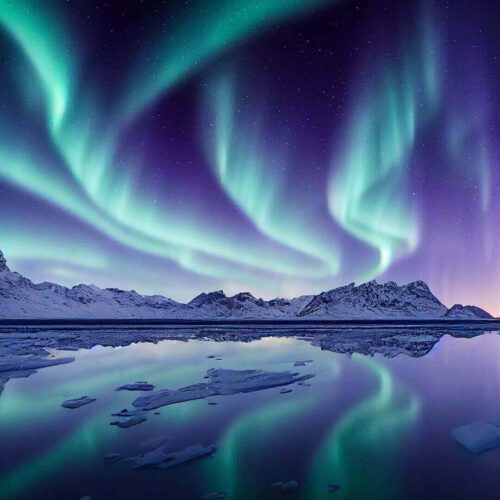
If you're serious about catching the Northern Lights in the USA, you've got to head to the right spots. Places with minimal light pollution and clear skies are key, and we've got the top picks for you.
1. Fairbanks, Alaska
Fairbanks is like the Northern Lights capital of the USA - and for good reason. With clear skies up to 200 nights a year, you're pretty much guaranteed a show. Plus, the city's got minimal light pollution, so you'll get an unobstructed view of the aurora. Take the Chena Hot Springs Road trip for an epic experience.
2. Panhandle National Forest, Idaho
If you're looking for a more laid-back spot, head to Panhandle National Forest in Idaho. It's got dark skies and easy access - perfect for a spontaneous aurora hunt. Just imagine standing under the stars, and boom - the lights show up.
3. Acadia National Park, Maine
Acadia National Park is a stunner for Northern Lights viewing. The park's dark skies make it ideal for spotting the aurora, and the rugged coastline adds some serious drama to the scene. Visit in September or October for the best chances.
These spots are top-notch, but remember - the Northern Lights are a natural phenomenon, so nothing's guaranteed. Still, with the right spot and some luck, you'll be snapping pics in no time.
Best Time to See Northern Lights
If you're planning to catch the Northern Lights in the USA, timing is everything. Generally, the best time to see the Aurora Borealis is from September to April, when the nights are dark enough. But here's the thing: different seasons offer different experiences.
Autumn (September to November)
This is a great time to see the Northern Lights, with comfortable temperatures and fewer crowds. Take Fairbanks, Alaska, for example. In September, the University of Alaska Fairbanks reports that the aurora is visible on around 200 nights per month! Plus, the fall foliage adds an extra layer of beauty to the experience. You can enjoy the dancing lights against a backdrop of golden leaves and cozy campfires.
Winter (December to February)
This is peak season for Northern Lights viewing, with the longest nights and best visibility. Temperatures can drop like a stone, though – sometimes below -40°C in places like Fairbanks. But trust me, it's worth bundling up for. The lights are often at their most active, with geomagnetic storms adding to the show. Just make sure to pack warm clothes and a hot coffee.
Spring (March to May)
Spring is another good time to catch the Northern Lights, with fewer crowds and comfortable temperatures. The lights are still pretty active, and you're likely to get some amazing views without the extreme cold. Plus, the snow's still around in places like Alaska, adding to the magic.
So, when's the best time for you? If you're looking for comfort and don't mind slightly shorter nights, go for autumn or spring. If you're all about chasing the most intense displays, winter's your best bet.
- Peak season: December to February
- Best balance of comfort and visibility: September to November
- Fewer crowds: March to May or September to November
Tips for Viewing Northern Lights
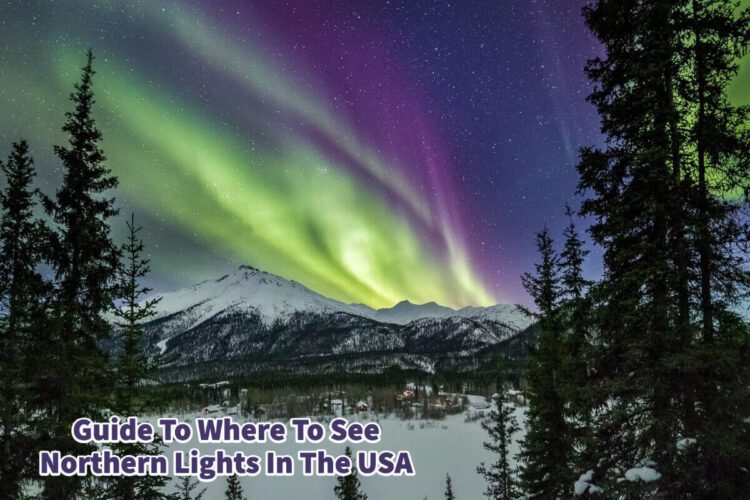
You're almost there, just a few more tips to increase your chances of witnessing the Northern Lights in all their glory. Finding a dark location with minimal light pollution is key. Head to places like Cherry Springs State Park in Pennsylvania or Headwaters Park in Indiana - these are some of the best dark-sky spots in the US.
Dark Locations Make a Difference
Light pollution can ruin the show, so try to get as far away from city lights as possible. For example, the lights are visible to the naked eye at Glacier National Park in Montana, but you'll need a camera to capture them in urban areas like Seattle.
Checking the weather forecast is also crucial - clear skies are a must for viewing the Northern Lights. Apps like Aurora Alerts or Weather Underground can keep you updated on cloud cover and solar activity. And don't forget to check the Kp-index, which predicts aurora activity - aim for Kp-3 or higher for a good show.
- Find a dark location with minimal light pollution
- Check the weather forecast for clear skies
- Be patient and plan for a late-night viewing session (typically between midnight and 3 am)
Speaking of patience, be prepared to spend a few hours waiting for the lights to show up. The best viewing sessions often happen between midnight and 3 am, so grab a thermos and settle in. Dress warmly, bring snacks, and don't forget your camera - you'll want to capture the moment. Fairbanks, Alaska, is one of the best places to do just that, with peak viewing times usually around 1 am.
With these tips in mind, you're ready to chase the Northern Lights across the US. From the mountains of Montana to the frozen tundras of Alaska, the night sky is calling - are you ready to answer?
States with Best Northern Lights Visibility
You're in luck if you're planning to chase the Northern Lights in the USA! Let's dive into the top states for witnessing this breathtaking phenomenon. Alaska, Minnesota, and Michigan are the crème de la crème when it comes to Northern Lights visibility. Alaska: The Ultimate Northern Lights Experience Alaska is one of the best places on earth to see the Northern Lights, and for good reason. With minimal light pollution and clear skies, you're almost guaranteed a front-row seat to the aurora borealis show. Fairbanks is a popular spot, thanks to its proximity to the University of Alaska Fairbanks' Geophysical Institute, which offers Northern Lights forecasts and viewing tips. Imagine witnessing the sky dance with vibrant colors, a sight you'll never forget! The best time to visit Fairbanks for Northern Lights is from September to mid-April, with peak activity around the equinoxes in March and September. Minnesota: Dark Skies and Great Viewing Spots Minnesota is another great spot for Northern Lights viewing. The state's dark skies and minimal light pollution make it an ideal location for witnessing the aurora borealis. Voyageurs National Park is a great place to start, with its remote location and lack of artificial light pollution. You might even have the skies all to yourself! The cities of Ely and Duluth are also great options, offering a mix of accessibility and dark skies. Michigan: A Hidden Gem for Northern Lights Enthusiasts Michigan is a popular destination for Northern Lights viewing, and for good reason. The state's Upper Peninsula (UP) offers dark skies and stunning natural beauty, making it the perfect spot to witness the aurora borealis. Pictured Rocks National Lakeshore and Porcupine Mountains Wilderness State Park are two great locations to check out. The city of Marquette is also a great base for your Northern Lights adventure.
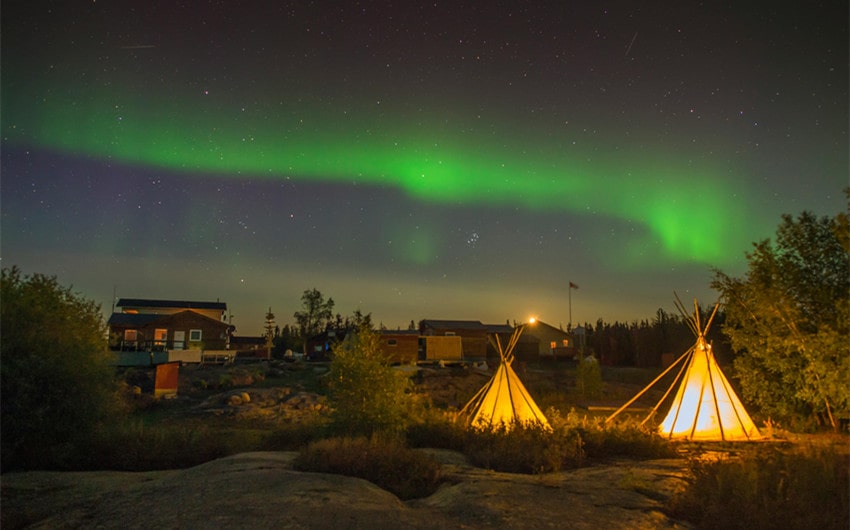
You're getting serious about chasing those Northern Lights, aren't you? Now's the time to get practical. Planning ahead is key, especially when you're heading to popular spots like Fairbanks, Alaska, or Yellowknife, Canada. Book your accommodations way in advance – we're talking at least 6-8 months before your trip, especially if you're planning to visit during peak season (December to March).
Forecast is Your Best Friend
Check the Northern Lights forecast regularly, and plan your viewing session accordingly. Websites like the University of Alaska Fairbanks' Aurora Forecast or the Space Weather Prediction Center offer reliable forecasts, giving you a 1-3 day heads-up on aurora activity. You can even plan your itinerary around the forecast – if there's a strong aurora prediction, you know where to be!
And let's not forget the essentials: pack warm clothing and comfortable viewing gear. Trust me, you won't be thinking about Instagram-worthy photos if you're freezing your toes off. Bring thermal blankets, hot cocoa, and a comfy chair – you'll thank me later. Some great spots to consider are the Chena Hot Springs Resort in Alaska or the Aurora Village in Yellowknife, which offer cozy setups and expert guides to make your experience unforgettable.
- Dress in layers: thermals, fleece, and waterproof jacket
- Bring a good camera: tripod, extra batteries, and memory cards
- Don't forget snacks and drinks: energy boosters to keep you going
With these tips, you're all set for an epic Northern Lights adventure! Whether you're a seasoned aurora chaser or a newbie, a little planning goes a long way in making your experience truly unforgettable.
Capturing the Northern Lights
You've made it to one of the best places to witness the Aurora Borealis in the USA, and now it's time to capture the magic. To get those breathtaking shots, you'll need a camera with manual settings and a sturdy tripod. A DSLR or mirrorless camera works best, but even a high-end smartphone can do the trick if that's what you have.
When it comes to settings, start with a low ISO (around 400-800) and a long exposure time (10-30 seconds). This will help you capture the vibrant colors and movement of the lights. Don't be afraid to experiment with different angles and compositions – try shooting with a wide-angle lens, or get creative with foreground elements like trees or mountains. The aurora is a natural wonder, so play around and see what works best for you.
Tips from the Pros
National Geographic photographer, Babak T. Shahraki, recommends shooting during the peak hours of auroral activity (usually between midnight and 3 am). He also suggests scouting your location during the day to find the best vantage points and compositions. And don't forget to dress warmly – you'll likely be standing outside for a while, and the cold can be biting.
- Use a remote shutter release or timer to minimize camera shake
- Shoot in RAW to capture maximum image data
- Bracket your shots to capture a range of exposures
With these tips and a bit of practice, you'll be capturing stunning images of the Northern Lights in no time. And who knows, you might just catch the shot of a lifetime.
Your Next Adventure Awaits

You've got the lowdown on the best places to witness the Northern Lights in the USA, and now it's time to start planning your trip! Imagine chasing the Aurora Borealis across the vast Alaskan tundra or beneath the starry skies of Montana's Big Sky Country. With top destinations like Fairbanks, Yellowstone, and Lake Superior on your radar, you're set for an unforgettable adventure.
What's Next?
Don't stop at the Northern Lights – there's so much more to explore in the USA. Think about combining your trip with a road trip along the iconic Route 66 or a visit to the breathtaking Grand Canyon. If you're feeling adventurous, head to Hawaii's volcanoes or the swampy bayous of Louisiana. The USA is full of incredible experiences waiting to be had!
Ready to take the leap? Start browsing travel guides, book your flights, and get stoked for a trip of a lifetime. With the Northern Lights on your bucket list, you're in for a treat – the stars are aligning for an epic adventure!
- Check aurora forecast websites like (link unavailable) for peak viewing times
- Pack warm clothes – it can get chilly at night!
- Be ready to be mesmerized by the dancing lights!
The night sky is calling – will you answer? The Aurora Borealis awaits, and it's going to be legendary!
.jpg)





Comments ()