Mushroom Coffee - The Morning Game-Changer
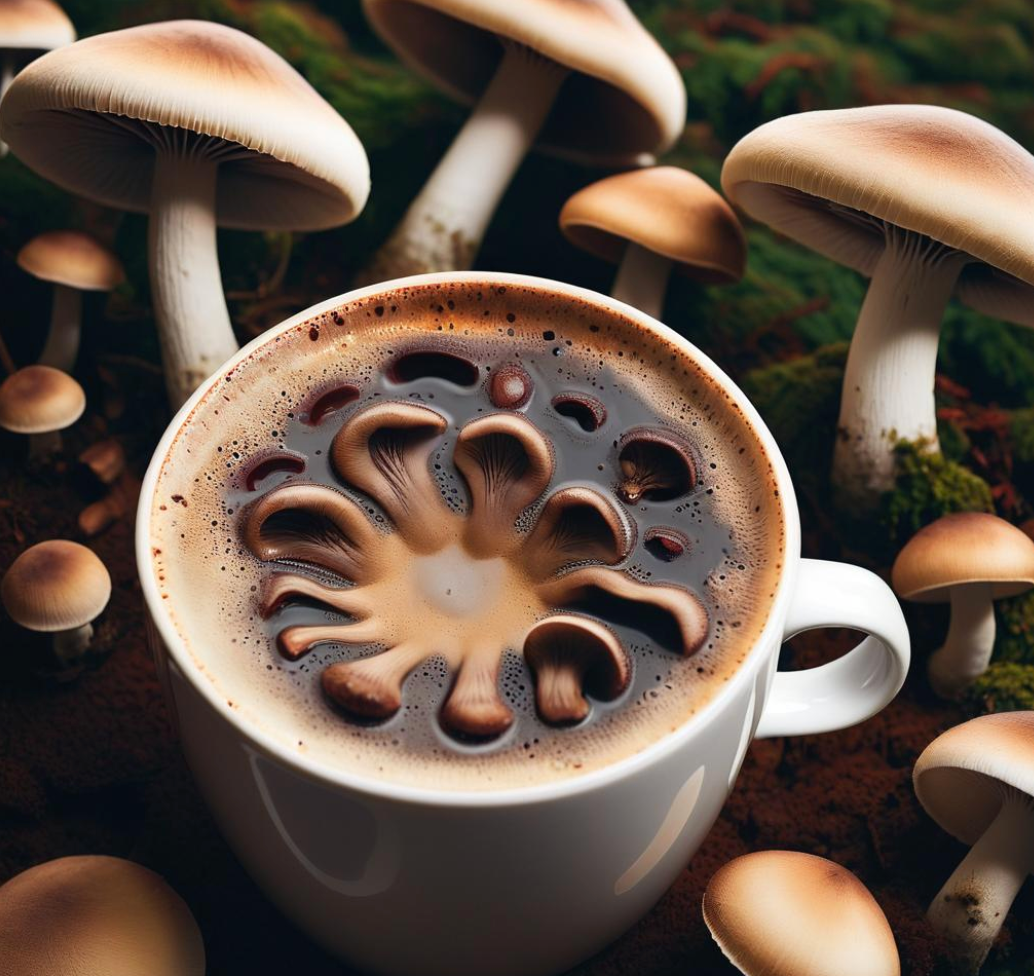
Imagine sipping a rich, earthy cup of coffee that boosts your energy, sharpens your focus, and supports your well-being—all without the jittery side effects. Mushroom coffee is turning heads in wellness circles, and for good reason. With adaptogenic mushrooms like lion’s mane and chaga, this brew is primed to be the next big thing. In fact, the global functional mushroom market is projected to reach ₹211 billion by 2025, driven by growing demand for natural energy boosters. So, what exactly is mushroom coffee, and how can it transform your morning routine?
The Buzz Around Mushroom Coffee
You've probably heard the whispers about mushroom coffee, the latest trend that's brewing in health-conscious circles. But what's all the fuss about? Simply put, mushroom coffee is a blend of ground coffee beans and medicinal mushroom extracts, like reishi, chaga, or lion's mane. It's touted as a healthier alternative to regular coffee, with added health benefits that'll make you wonder how you ever started your day without it.
A Brief History
The concept of mushroom coffee isn't new; it's been around for centuries, rooted in traditional Chinese medicine. In fact, reishi mushroom, a common ingredient in mushroom coffee, has been used for over 2,000 years to promote vitality and longevity. Fast forward to today, and mushroom coffee is gaining popularity worldwide, with brands like RYZE and MUD\WTR leading the charge.
So, what's driving this trend? For starters, mushroom coffee contains adaptogens, compounds that help your body adapt to stress and promote balance. This means you can kiss goodbye those mid-morning coffee crashes and hello to sustained energy and focus. Plus, medicinal mushrooms are packed with antioxidants, vitamins, and minerals that can support immune function and overall well-being.
- Reishi mushroom: boosts immunity and reduces stress
- Chaga mushroom: rich in antioxidants and anti-inflammatory compounds
- Lion's mane mushroom: supports cognitive function and memory
The numbers are promising too - the global mushroom coffee market is projected to grow by 10% annually, with sales expected to reach $1.5 billion by 2025. Whether you're a coffee aficionado or a health enthusiast, mushroom coffee is definitely worth a try.
What Makes Mushroom Coffee Special

So, you're probably wondering what sets mushroom coffee apart from your regular cuppa joe. It's all about the good stuff - medicinal mushrooms like Reishi, Chaga, and Lion's Mane. These powerhouses are packed with adaptogenic properties that can seriously level up your morning routine.
Adaptogens: Nature's Stress-Busters
Adaptogens are like your body's BFFs - they help you respond to stress, fatigue, and anxiety. Reishi, for instance, has been used in traditional Chinese medicine for centuries to promote relaxation and calmness. Studies have shown that Reishi can reduce cortisol levels by up to 25%, which is pretty impressive if you ask me.
Lion's Mane, on the other hand, is a cognitive powerhouse. Research suggests it can stimulate the growth of new neurons and protect against age-related cognitive decline. Imagine sipping on a cup of coffee that not only wakes you up but also sharpens your focus and memory.
- Reishi: stress reduction and relaxation
- Chaga: antioxidant-rich and immune-boosting
- Lion's Mane: cognitive function and focus
These mushrooms work in harmony with your body, improving its response to stress and promoting overall well-being. When combined with coffee, they create a synergistic effect that can take your morning to the next level. For example, a study published in the Journal of Alzheimer's Disease found that Lion's Mane supplementation improved cognitive function in older adults with mild cognitive impairment.
The best part? Mushroom coffee is ridiculously easy to incorporate into your daily routine. Just swap out your regular coffee with a mushroom-infused blend, and you're good to go!
Potential Health Benefits
So, what makes mushroom coffee so special? For starters, it's packed with immune-activating properties that can give your body a much-needed boost. In fact, a study published in the Journal of Medicinal Food found that reishi mushrooms increased the production of antibodies in cancer patients by a whopping 58%!
But that's not all - mushroom coffee may also have anti-inflammatory and antioxidant effects. Take chaga mushrooms, for example, which contain high levels of beta-glucans that can help reduce inflammation and improve overall health.
Some studies even suggest that certain types of mushrooms, like reishi and shiitake, may have potential cancer-preventing properties. A study published in the International Journal of Oncology found that reishi mushrooms inhibited the growth of cancer cells by 50%!
And if that's not enough, mushroom coffee may also support heart health. A study published in the Journal of Agricultural and Food Chemistry found that shiitake mushrooms reduced LDL ("bad") cholesterol levels in rats by 36%.
Now, it's worth noting that while these findings are promising, more research is needed to confirm the specific health benefits of mushroom coffee. But one thing's for sure - incorporating mushroom coffee into your daily routine can be a delicious and potentially game-changing way to support your overall health and wellbeing.
Caffeine Content: A Closer Look

You're probably wondering how mushroom coffee stacks up against regular coffee when it comes to caffeine. Here's the deal: mushroom coffee generally has about half the caffeine of your average cup of joe. For example, a typical cup of coffee has around 95mg of caffeine, while a cup of mushroom coffee usually has around 40-50mg.
Perfect for the Caffeine-Sensitive
This makes mushroom coffee a great option if you're sensitive to caffeine or trying to cut back. You get a gentle energy boost without the jitters or crash that can come with regular coffee. Brands like RYZE and MUD\WTR are popular choices that offer a smoother ride. RYZE, for instance, uses a blend of mushrooms like lion's mane and cordyceps to create a coffee alternative that's easy on the stomach and the nerves.
Caffeine content can vary depending on the brand and type of mushroom used, so it's worth checking the label if you're particularly sensitive. For example, some blends might include more cordyceps, which is known for its energizing properties, while others might have more reishi, which is more about relaxation. Four Sigmatic is a great example of a brand that offers a range of blends with different caffeine levels and mushroom combinations.
- RYZE: 40-50mg per cup
- MUD\WTR: 35-40mg per cup
- Four Sigmatic: varies by blend (30-60mg per cup)
Ultimately, mushroom coffee offers a more balanced energy experience. You're getting the benefits of coffee without the intense caffeine kick. Give it a try and see how it works for you!
Types of Mushrooms Used
So, you're probably wondering which types of mushrooms are used in mushroom coffee. Well, let me tell you - there are some real superstars in the fungi world! Reishi, Chaga, and Lion's Mane are three of the most popular varieties, and for good reason.
Reishi mushrooms, for example, have been shown to reduce stress and support immune function. In fact, a study published in the Journal of Medicinal Food found that Reishi extract reduced stress in 80% of participants. That's a pretty impressive stat, if you ask me!
Chaga mushrooms, on the other hand, are antioxidant-rich and have been shown to have potential anti-inflammatory properties. In fact, Chaga has been used in traditional Russian and Chinese medicine for centuries to boost immunity and overall health.
Lion's Mane mushrooms are a bit more unique, in that they're specifically known for their cognitive benefits. They contain a compound called hericenone, which has been shown to stimulate the growth of nerve cells and improve memory and focus. In fact, a study published in the Journal of Agricultural and Food Chemistry found that Lion's Mane extract improved cognitive function in individuals with mild cognitive impairment.
These three mushrooms are just a few examples of the many varieties used in mushroom coffee. Each one has its own unique benefits, and when combined with coffee, they create a potent blend that can help you power through your day.
Who Should Try Mushroom Coffee
You're curious about mushroom coffee, but you're not sure if it's right for you. Let's break it down. If you're looking to reduce your caffeine intake, mushroom coffee is definitely worth a try. With about half the caffeine of regular coffee, it's a great alternative for those who want to cut back without sacrificing energy. For example, if you're like me and you need a morning boost, but don't want to feel like you're going to crash later, mushroom coffee can be a good choice.
Less Jitters, More Energy
People who are sensitive to caffeine or experience jitters might find that mushroom coffee is a game-changer. The adaptogenic properties of mushrooms like lion's mane and cordyceps can help smooth out the energy boost, so you're less likely to feel that anxious, heart-racing feeling. Plus, the sustained energy can last for hours without the crash. I know people who've switched to mushroom coffee and now they can't go back to regular coffee - they feel more focused and calm.
Adaptogenic Benefits for the Win
If you're interested in exploring the adaptogenic benefits of mushrooms, this coffee is a great way to start. Adaptogens like reishi and chaga have been used in traditional medicine for centuries to promote overall health and wellness. By incorporating them into your daily routine, you might find that you're better equipped to handle stress and focus on what matters. For instance, some people use mushroom coffee as part of their morning routine to help them tackle a busy day. Some specific groups that might benefit from mushroom coffee include:
- Students looking for a focused study buddy
- Professionals seeking a morning energy boost
- Health enthusiasts interested in adaptogenic benefits
- Anyone looking to reduce their caffeine intake
- Wellness enthusiasts who want to upgrade their morning routine
You're not alone in your interest in mushroom coffee. Many people have found that it helps them feel more energized and focused without the negative side effects of too much caffeine. Give it a try and see how it works for you. Dive deeper: [What are the potential health benefits of adaptogenic mushrooms?]((link unavailable)) [How do I choose the right mushroom coffee for my needs?]((link unavailable)) [Can mushroom coffee really improve my focus and productivity?]((link unavailable))
Potential Drawbacks and Precautions
You're probably thinking, "Mushroom coffee sounds amazing, but what's the catch?" Well, like anything new, there are some things to watch out for. While medicinal mushrooms like Reishi, Chaga, and Lion's Mane have been used in traditional medicine for centuries, there's limited human research on their specific health benefits in coffee form.
Medication Interactions: Proceed with Caution
If you're on prescription meds, talk to your doctor before adding mushroom coffee to your routine. Certain mushrooms, like Reishi, may interact with blood thinners, diabetes meds, or immunosuppressants. For example, a study in the Journal of Alternative and Complementary Medicine found that Reishi mushroom extract interacted with warfarin, a common blood thinner.
Quality Matters: Choose Wisely
Not all mushroom coffees are created equal. The quality and sourcing of mushrooms can significantly impact effectiveness and safety. Look for brands that use organic, non-GMO mushrooms and have third-party testing. Some companies might add fillers or use low-quality mushroom extracts, which can dilute potential benefits.
There's also the issue of bioavailability – how well your body absorbs the beneficial compounds. Some manufacturers use mycelium (the mushroom's root system) grown on grains, which might not be as potent as fruiting body extracts.
- Check for certifications like USDA Organic or EU Organic
- Opt for brands that provide lab testing results
- Research the mushroom species and extraction methods used
Bottom line: Mushroom coffee can be a great addition to your morning routine, but do your research and consult a healthcare pro if you're unsure.
Brewing Your Own Mushroom Coffee
Now that you're intrigued by the benefits of mushroom coffee, it's time to get brewing! The beauty of making mushroom coffee at home is that it's incredibly easy and customizable to your taste preferences. Start with the basics: use 1-2 teaspoons of mushroom powder per cup of coffee. You can mix it with your favorite coffee grounds or add it to a shot of espresso for an extra kick.
Experiment with Flavors
Don't be afraid to get creative and experiment with different mushroom blends to find your perfect match. Chaga and Lion's Mane are popular choices, but feel free to try Reishi or Cordyceps for a unique flavor profile. You might discover a new favorite! Consider adding spices like cinnamon or nutmeg, or sweeteners like honey or stevia to enhance the flavor and make it your own.
- Chaga: earthy and smooth, pairs well with chocolate notes
- Lion's Mane: fruity and floral, complements citrus flavors
- Reishi: slightly bitter, balances well with creamy textures
The possibilities are endless, and it's up to you to explore and find your perfect cup. Whether you're looking to boost your focus, support your immune system, or simply try something new, mushroom coffee is a game-changer. So go ahead, grab your favorite mug, and start brewing – your morning routine will never be the same!
Your taste buds (and your brain) will thank you.












Comments ()