Mumbai 3.0 Vision - Transforming India's Financial Hub

Mumbai is on the cusp of a revolutionary transformation with the ambitious Mumbai 3.0 project, a sprawling 323-square-kilometer urban development initiative aimed at redefining India's financial hub. With Blackstone investing a staggering $5 billion, the project is set to create a modern, sustainable metropolis with smart-city features, specialized economic zones, and cutting-edge infrastructure. The Mumbai Trans Harbour Link, already operational, will slash travel time to just 20 minutes, making it an attractive proposition for businesses and residents alike. As the city gears up for this massive overhaul, the question on everyone's mind is: what's in store for Mumbai's future?
A New Era for Mumbai: Challenges and Opportunities
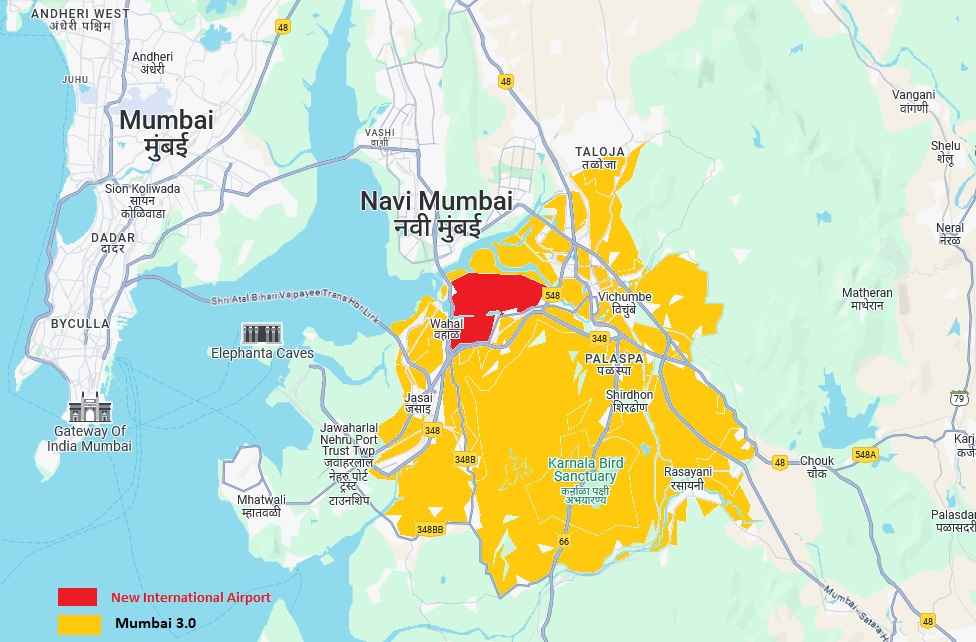
Mumbai, the city that never sleeps, is on the cusp of a major transformation. As India's financial hub, it's home to the country's largest stock exchange, the Bombay Stock Exchange (BSE), and the National Stock Exchange (NSE). But with a growing population of over 21 million people, Mumbai is facing some serious infrastructure challenges.
You see, Mumbai's population is projected to reach 29 million by 2030, putting a massive strain on its already overburdened infrastructure. The city's roads are congested, its public transportation system is inadequate, and its housing shortage is acute. It's clear that Mumbai needs a new vision for its future, one that prioritizes sustainable development and modernization.
But here's the thing: Mumbai's challenges are also opportunities in disguise. As India's financial hub, Mumbai has the potential to become a global financial powerhouse, rivaling the likes of New York, London, and Tokyo. The city is already home to many of India's top companies, including Tata Group, Reliance Industries, and HDFC Bank.
So, what does the future hold for Mumbai? Can it overcome its infrastructure challenges and realize its full potential as a global financial hub? In this article, we'll explore the Mumbai 3.0 vision, a comprehensive plan to transform India's financial capital into a world-class city.
Mumbai's Infrastructure Evolution: Bullet Train and Beyond
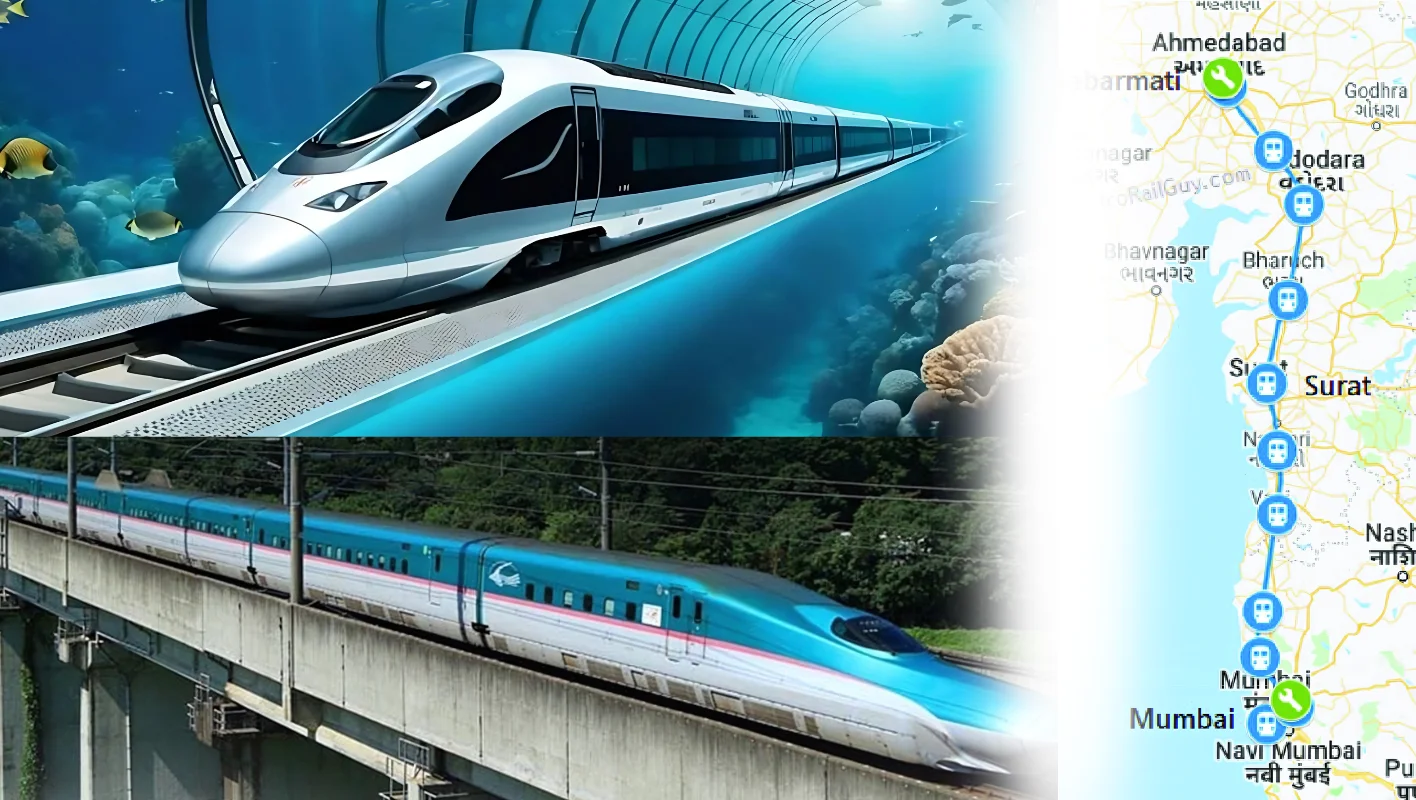
The Mumbai 3.0 vision is all about transforming the city into a global financial hub, and infrastructure development is the backbone of this transformation. You're probably wondering what's driving this change. Let's start with the game-changer: the Mumbai-Ahmedabad Bullet Train project.
The Bullet Train Project: A Regional Game-Changer
The 508 km high-speed rail link between Mumbai and Ahmedabad is set to revolutionise travel in the region. With a top speed of 320 km/h, it'll cut travel time between the two cities from 7-8 hours to just 2 hours. Imagine sipping coffee in Mumbai and attending a meeting in Ahmedabad by lunchtime! The project is expected to boost economic growth, create new job opportunities, and decongest Mumbai's crowded roads and trains.
The impact on commute time and economic growth will be significant. The bullet train will connect key business hubs, increase access to markets, and enhance connectivity between Mumbai and other major cities in the region. It's not just about speed; it's about unlocking new economic potential. For instance, the project is expected to create over 1 million jobs and attract ₹1.5 lakh crore in investments by 2030.
Beyond the Bullet Train
But Mumbai's infrastructure evolution doesn't stop at the bullet train. There are several other projects in the pipeline, including:
- The ₹11,000 crore Mumbai Coastal Road Project, which will provide a 29 km scenic drive along the city's coastline
- The ₹40,000 crore Mumbai Metro expansion plan, which aims to increase the metro network to 235 km by 2025
- The ₹1,000 crore Bandra-Versova Sea Link, which will reduce travel time between Bandra and Versova to just 10 minutes
These projects will not only improve connectivity but also transform the city's skyline and make Mumbai a more livable and attractive place.
Dive deeper: [How will the bullet train impact Mumbai's real estate market?]((link unavailable)) [What are the environmental implications of these infrastructure projects?]((link unavailable)) [How will the Mumbai Metro expansion change daily commutes?]((link unavailable))
Mumbai's Sports Scene: A Hub for Cricket and Beyond
You're in for a treat if you're a sports enthusiast in Mumbai. The city is abuzz with excitement, thanks to the Mumbai Indians, one of the most successful teams in the Indian Premier League (IPL). With five IPL titles under their belt, the team has consistently delivered thrilling performances. Their success has also translated to the Women's Premier League (WPL), where they've been a dominant force. The team's fan base is massive, and you can feel the energy in the air whenever they play. The city is also witnessing a significant upgrade in its sports infrastructure. The upcoming DY Patil Stadium in Navi Mumbai is a prime example. With a seating capacity of over 50,000, this state-of-the-art stadium will host international cricket matches and other sports events. The Brabourne Stadium, home to the Mumbai Indians, has also undergone significant renovations, making it one of the best cricket stadiums in the country. These developments will not only attract more sports enthusiasts but also provide a platform for budding cricketers to showcase their talent. Mumbai's sports scene isn't just about cricket, though. The city has a thriving sports ecosystem that promotes various sports, including football, tennis, and martial arts. The government and private institutions are working together to identify and nurture young talent. Programs like the Mumbai Football Club's grassroots initiative and the Mumbai Marathon are excellent examples of how sports can bring people together and promote a healthy lifestyle. With initiatives like these, you're likely to see more talented athletes from Mumbai making a mark on the national and international stage. Let's talk numbers. The sports industry in Mumbai is expected to grow at a CAGR of 15% over the next five years, driven by increased investment in sports infrastructure and growing fan engagement. With the Mumbai Indians' brand value exceeding ₹4,000 crores, it's clear that sports has become a significant contributor to the city's economy. As the city continues to invest in sports infrastructure and promote talent, you can expect Mumbai to become an even more prominent hub for sports in India.
Weathering the Storm: Mumbai's Response to Climate Challenges

Mumbai's got a tough job ahead of it - dealing with the increasing threat of extreme weather events. You're probably aware of the city's notorious floods, like the one in 2005 when over 900 people lost their lives. The city's infrastructure was pushed to the limit, and it's clear that changes are needed.
Impact of heavy rainfall on Mumbai's infrastructure
The 2005 floods were a wake-up call. Mumbai's drainage system just wasn't equipped to handle the sheer volume of water - 944 mm of rain in just 24 hours! The city's infrastructure took a hit, with roads turning into rivers and buildings getting submerged. It's a miracle the city's bounced back, but it's clear that more needs to be done.
Measures to improve drainage and flood control
So, what's being done? The Mumbai government has launched several initiatives to improve the city's drainage and flood control measures. The BMC's Drainage Improvement Project is a key part of this, aiming to upgrade the city's stormwater drainage system. They're also looking at creating more green spaces, like the proposed 40-acre mangrove park in Bandra-Kherwadi. These efforts should help reduce flooding and make the city more resilient.
Role of technology in disaster management
Technology is playing a big role in Mumbai's disaster management efforts. The city has implemented an advanced flood warning system, using data analytics and real-time monitoring to predict and prepare for floods. The system, developed by the Indian Institute of Technology (IIT) Bombay, uses machine learning algorithms to predict water levels and alert authorities. It's a game-changer for the city, helping to save lives and property.
Mumbai's response to climate challenges is evolving, and it's exciting to see the city taking proactive steps. With continued investment in infrastructure and technology, Mumbai's set to become a more resilient and sustainable city.
Mumbai's Economic Pulse: Growth and Opportunities
Mumbai's contribution to India's GDP is massive - the city generates around 6-10% of the country's total GDP, depending on who's crunching the numbers. That's a staggering figure, considering it houses just 1.3 crore people, roughly 1% of India's population. You're looking at a city that's not just the financial capital but the economic engine of India.
The Startup Boom
The city's startup ecosystem is on fire, with innovators leveraging Mumbai's global connectivity and talent pool. Take fintech giant Razorpay, for instance - founded in 2014, it's now valued at over $7.5 billion. Or consider the likes of Swiggy and Zomato, homegrown success stories that have redefined food delivery in India. Mumbai's incubators and accelerators, like Mumbai Angels and Indus Net TechVentures, are nurturing the next big thing.
Growing opportunities in sectors like fintech, edtech, and healthtech are attracting investments like never before. Venture capital firms poured in over $1.1 billion into Mumbai-based startups in 2022 alone. You're seeing global players like Google and Amazon setting up innovation hubs, further fuelling the fire.
Investment Opportunities Abound
Mumbai's infrastructure development is opening up new investment avenues. The Mumbai Metropolitan Region Development Authority (MMRDA) is pushing ahead with projects like the Coastal Road and the Metro network expansion. Real estate is another hotspot - the city saw FDI inflows touch ₹14,000 crore in 2022, driven by demand for commercial spaces and residential units. Whether you're a local investor or a global player, Mumbai's got options.
- Mumbai Stock Exchange (BSE) and National Stock Exchange (NSE) drive capital markets
- GIFT City offers international financial services hub opportunities
- Bandra-Kurla Complex (BKC) emerges as a key commercial and financial district
The city's economic pulse is strong, and opportunities are knocking. Are you ready to tap into Mumbai's potential?
Mumbai's Cultural Scene: A Blend of Tradition and Modernity

Mumbai's cultural landscape is like a vibrant fabric woven with threads of tradition and modernity. You're surrounded by a diverse mix of cultures, languages, and communities that make the city come alive. From the iconic Ganesh Chaturthi festival to the annual Mumbai Film Festival, there's always something happening in this city.
Festivals that Bring the City Together
The city celebrates its diversity through festivals like Diwali, Eid, and Christmas. The Navratri celebrations in Mumbai are legendary, with the city dancing to the tunes of Garba and Dandiya Raas. In 2022, the city saw over 1 million people attending the Navratri festivities at the Bandra Recreation Ground.
Mumbai's art scene is thriving, with institutions like the National Gallery of Modern Art and the Mumbai Art Gallery showcasing Indian and international artists. The city's film industry, Bollywood, needs no introduction. With over 1,000 films produced annually, Mumbai is the epicenter of Indian cinema.
Culture Shapes Mumbai's Identity
Mumbai's cultural diversity has shaped its identity as a city that's open, inclusive, and vibrant. The city's street art scene, led by artists like Anish Kapoor and Shepard Fairey, has transformed buildings into canvases. You can explore the colorful lanes of the Mural Art Project in Wynwood-inspired Bandra's art district.
- The Mumbai Biennale, a major contemporary art exhibition
- The Tata Theatre, a hub for performing arts
- The National Centre for the Performing Arts (NCPA), a premier cultural institution
Mumbai's cultural scene is a reflection of its people – resilient, creative, and always on the move. As you navigate the city's streets, you're part of this dynamic cultural narrative that's shaping Mumbai's future.
The Future of Mumbai: A Sustainable and Livable City
Mumbai's transformation into a sustainable and livable city is within reach. With ambitious goals and innovative solutions, the city can overcome its urban challenges and emerge as a model for others to follow.
Sustainable Development Goals for Mumbai
The Mumbai 3.0 vision aims to make the city carbon neutral by 2050, with 50% of its energy coming from renewable sources. You're probably wondering how this will happen. Well, the plan is to increase green cover to 30% by 2030, develop eco-friendly transportation systems, and promote sustainable buildings.
One example is the Sustainable Mumbai Development Plan, which focuses on waste management, water conservation, and energy efficiency. The plan also includes initiatives like the Mumbai Green Initiative, which aims to plant 1 million trees by 2025.
Innovative Solutions for Urban Challenges
Technology will play a key role in Mumbai's transformation. Smart solutions like IoT-based waste management, intelligent traffic management, and data analytics will help the city respond to challenges more efficiently. For instance, the Mumbai Smart City Project is already using data analytics to reduce crime rates and improve public safety.
Citizen engagement is crucial to Mumbai's success. Initiatives like Mumbai Participatory Budgeting allow residents to contribute to decision-making processes and prioritize projects that benefit their communities. You can be a part of this movement by participating in local planning meetings and voicing your opinions.
Citizen Engagement and Community Participation
Community-led projects like the Mumbai Climate Action Plan are already making a difference. This initiative brings together citizens, businesses, and government agencies to reduce carbon emissions and promote sustainable practices.
- Reduce carbon footprint by 50% by 2030
- Increase public transport usage to 50% by 2025
- Develop 100 green parks and gardens
Mumbai's future is bright, and it's in your hands. Join the movement and be part of creating a sustainable and livable city for generations to come. As Mahatma Gandhi once said, "The future depends on what you do today."





Comments ()