Monk Fruit Sweetener
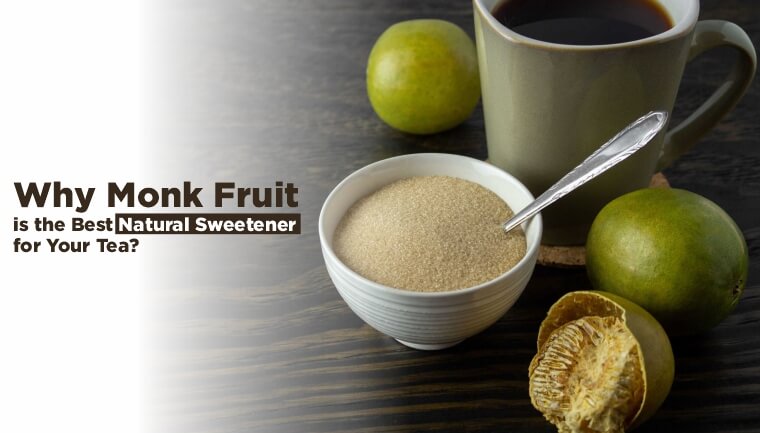
Imagine a sweetener that's 150-200 times sweeter than sugar, yet has zero calories and won't spike your blood sugar levels. Sounds too good to be true? Meet monk fruit sweetener, the natural alternative that's been gaining popularity in India, with sales projected to grow by 20% annually till 2027, driven by the increasing demand for low-calorie foods and beverages. As more people turn to healthier lifestyles, monk fruit sweetener is emerging as a top choice for those seeking a guilt-free sweet fix. But is it really the best option for you? Let's dive into the world of monk fruit sweetener and uncover its benefits, uses, and potential drawbacks.
The Ancient Secret of Southern China
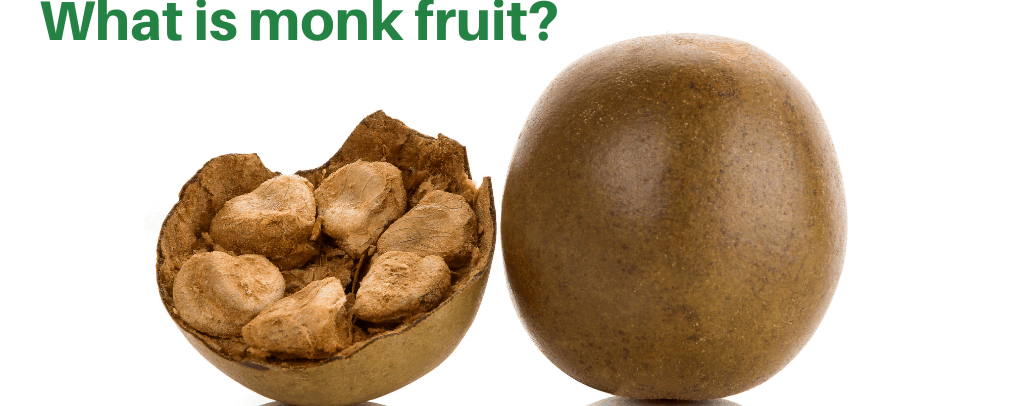
You might've heard of monk fruit sweetener, but do you know where it comes from? Meet monk fruit, or lo han guo, a small green melon native to the mountains of southern China. This little fruit has been cultivated for centuries by Buddhist monks in the Guangxi region, hence its unique name.
The history of monk fruit is steeped in tradition. For centuries, Buddhist monks have revered this fruit for its medicinal properties and used it to sweeten teas and potions. It's no wonder it's been a staple in Traditional Chinese Medicine (TCM) for decades. According to Dr. Li, a renowned TCM practitioner, "Monk fruit has been used for centuries to treat respiratory issues and digestive problems."
So, what's behind this fruit's enduring popularity? Monk fruit's unique compounds, called mogrosides, are responsible for its sweetness – up to 250 times sweeter than sugar, in fact. This natural sweetener has zero calories, zero carbs, and doesn't raise blood sugar levels, making it an attractive alternative to artificial sweeteners. The Chinese have been onto something special for centuries – monk fruit is finally getting global recognition.
The benefits of monk fruit aren't just anecdotal; there's science to back it up. Research has shown that monk fruit extracts have antioxidant and anti-inflammatory properties, which may help with weight management and disease prevention. With its rich history and growing scientific backing, monk fruit is definitely a natural sweetener worth knowing more about.
A Natural Sugar Substitute
Let's dive deeper into what makes monk fruit sweetener so special. You're probably wondering how something can be 150-250 times sweeter than table sugar without adding any calories or carbs. The secret lies in the extract derived from dried monk fruit, specifically in the compounds called mogrosides. These natural sweeteners are what give monk fruit its unique sweetness without affecting your blood glucose levels. Imagine being able to enjoy your favorite sweet treats without worrying about the sugar crash later. That's exactly what monk fruit sweetener offers. With zero calories and carbs, it's an attractive option for those looking to manage their weight or control their blood sugar levels. For instance, people with diabetes can enjoy sweet foods and drinks without the fear of raising their blood glucose levels. There's even a study published in the Journal of Medicinal Food that highlights the potential benefits of monk fruit sweetener for people with diabetes. Now, let's talk numbers. If you're used to measuring sugar in teaspoons, you'll need to adjust your recipe when using monk fruit sweetener. A general rule of thumb is to use 1/4 to 1/3 teaspoon of monk fruit sweetener for every teaspoon of sugar called for in a recipe. This is because, as we mentioned earlier, monk fruit sweetener is incredibly sweet. You might need to experiment with different ratios to find the perfect balance for your taste buds.
What Makes Monk Fruit Sweetener So Popular?
Besides its sugar-like taste without the calories, monk fruit sweetener has several benefits that make it a popular choice among health-conscious individuals. Here are some reasons why:
- Zero calories and carbs, making it perfect for low-carb diets
- Doesn't raise blood glucose levels, suitable for people with diabetes
- Natural origin, derived from a type of melon grown in Asia
- Versatile, can be used in cooking, baking, and as a sweetener for beverages
With all these benefits, it's no wonder monk fruit sweetener is becoming a staple in many kitchens. Whether you're looking to manage your weight, control your blood sugar levels, or simply reduce your sugar intake, monk fruit sweetener is definitely worth considering.
Potential Health Benefits
You've probably heard by now that monk fruit sweetener is a game-changer for those watching their sugar intake. And guess what? It's not just about cutting calories – it's packed with potential health benefits too! For starters, its zero-calorie and zero-carb properties make it an excellent tool for managing weight and diabetes. Imagine being able to satisfy your sweet tooth without spiking your blood sugar levels – that's the monk fruit magic!
Anti-Inflammatory Powers
Research suggests that monk fruit sweetener has anti-inflammatory properties, which could help prevent cancer and stabilize blood sugar levels. Now, that's a pretty big deal! In Traditional Chinese Medicine (TCM), monk fruit has been used for centuries to relieve sore throats and reduce phlegm. Talk about a natural remedy! There's even a study published in the Journal of Agricultural and Food Chemistry that highlights its potential in inhibiting tumor growth.
Let's look at diabetes management, for example. A study in the Journal of Nutrition found that mogrosides, the sweet compounds in monk fruit, improved insulin sensitivity in mice. While human studies are still emerging, the early signs are promising. Dr. Mehmet Oz has even touted monk fruit's benefits for diabetes management, citing its ability to regulate blood sugar levels.
- May help manage weight and diabetes
- Has anti-inflammatory properties for cancer prevention
- Stabilizes blood sugar levels
- Relieves sore throats and reduces phlegm
Bottom line: monk fruit sweetener isn't just a sweetener – it's a potential health booster. Whether you're managing diabetes or just looking for a healthier sugar alternative, monk fruit's got you covered.
What to Watch Out For
So, monk fruit sweetener sounds like a dream come true, right? Zero calories, natural origin... But hold up, there's a catch. Some products might sneak in added sugars or other ingredients that'll bump up those carb and calorie counts. For instance, some brands might mix monk fruit with dextrose or maltodextrin to balance the sweetness. Not exactly what you're looking for, especially if you're keto or watching your sugar intake.
Potential Allergies and Sensitivities
If you've got a sensitivity to gourds, you might want to steer clear. Monk fruit belongs to the gourd family, and there's a chance you could experience an allergic reaction. We're talking symptoms like itching, swelling, or stomach trouble. It's pretty rare, but worth mentioning. For example, a study in the Journal of Allergy and Clinical Immunology highlighted a case where a person had an allergic reaction to monk fruit extract.
And then there's the long-term effects thing. Honestly, there's not a ton of research out there on monk fruit sweetener's impact over time. Like, will it mess with your gut health? Affect your blood sugar levels? We don't really know yet. The FDA says it's generally recognized as safe (GRAS), but it's always a good idea to err on the side of caution, right?
- Check the ingredients list: Look out for added sugars or fillers.
- Start small: Try a little bit first to see how your body reacts.
- Keep an eye on research: As more studies come out, we'll get a clearer picture.
Using Monk Fruit in Your Diet
Now that you've learned about the benefits of monk fruit sweetener, let's dive into how you can incorporate it into your daily routine. The great thing about monk fruit is its versatility - you can use it to sweeten just about anything, from your morning coffee to your favorite baked goods.
For instance, if you're a coffee lover like many of us, try adding a packet of monk fruit sweetener to your brew. Brands like Lakanto and Monk Fruit in the Raw are popular options that blend seamlessly into hot beverages. If you're baking, monk fruit is heat-stable, meaning it won't break down at high temperatures, making it perfect for cakes, cookies, and more. Just be sure to check the ingredient ratios, as monk fruit is significantly sweeter than sugar - typically 150-200 times sweeter, so a little goes a long way!
Experimenting with Monk Fruit
The key to finding your perfect sweetness level is experimentation. Different brands and blends can have distinct tastes, so don't be afraid to try a few options. Some popular blends combine monk fruit with erythritol or other natural sweeteners to balance out the sweetness and add texture. You might find that you prefer one brand over another, or that a particular blend works better in certain recipes.
- Try adding monk fruit sweetener to your favorite smoothie or protein shake for a guilt-free sweet treat
- Use it to sweeten homemade salad dressings or marinades for a low-calorie twist
- Bake a batch of monk fruit-sweetened cookies and share them with friends and family
With a little creativity, monk fruit can become a staple in your kitchen, helping you reduce sugar intake without sacrificing flavor.
Dive deeper: [How does monk fruit compare to stevia?]((link unavailable)) [What are some popular monk fruit recipes?]((link unavailable)) [Can I use monk fruit in savory dishes?]((link unavailable))
Future Prospects
You're probably wondering what's next for monk fruit sweetener. As research continues to unfold, it's likely we'll see more products hitting the shelves featuring this natural sweetener. Brands like Stevia in the Raw and Monk Fruit in the Raw are already making waves, offering consumers a compelling alternative to traditional sugar.
Growing Demand for Natural Sweeteners
The demand for natural sweeteners is skyrocketing, driven by consumers seeking cleaner labels and healthier options. Monk fruit sweetener fits the bill, with its zero-calorie profile and potential health benefits. You can expect to see it pop up in everything from baked goods to beverages as manufacturers look to reduce added sugars.
- More research is needed to explore the full health impacts of monk fruit
- Increased use in food products and recipes as a natural sweetener
- Potential to become a popular choice for those seeking low-calorie alternatives to sugar
As the market for natural sweeteners continues to grow, monk fruit is poised to become a major player. With its unique sweetness profile and potential health benefits, it's an exciting time for consumers and manufacturers alike. So, keep an eye out for monk fruit sweetener – it's sweet success could be just around the corner.
The future looks bright for this little fruit with big potential. As Dr. Mehmet Oz once said, "Monk fruit sweetener is a game-changer for those looking to reduce their sugar intake." With its growing popularity and increasing availability, you can bet monk fruit sweetener will be a staple in many kitchens soon.












Comments ()