Mold-Free Dog Treats Storage Guide
:max_bytes(150000):strip_icc()/dog-treats-glass-storage-container-3f5d7e36-81df4011d844459c9272c9c8404bc38d.jpg)
As a dog parent, you've probably gone through your fair share of stale, moldy treats that went bad way too soon. But here's a scary stat: according to recent studies, over 70% of dog treats are contaminated with mold toxins, putting your furry friend's health at risk. With the rising awareness of pet health and safety, it's time to take control of how you store your dog's treats. In this guide, we'll show you how to keep those tasty morsels fresh and mold-free, ensuring your pup gets the best. Let's start with the basics: choosing the right storage container.
The Silent Threat in Your Treat Jar
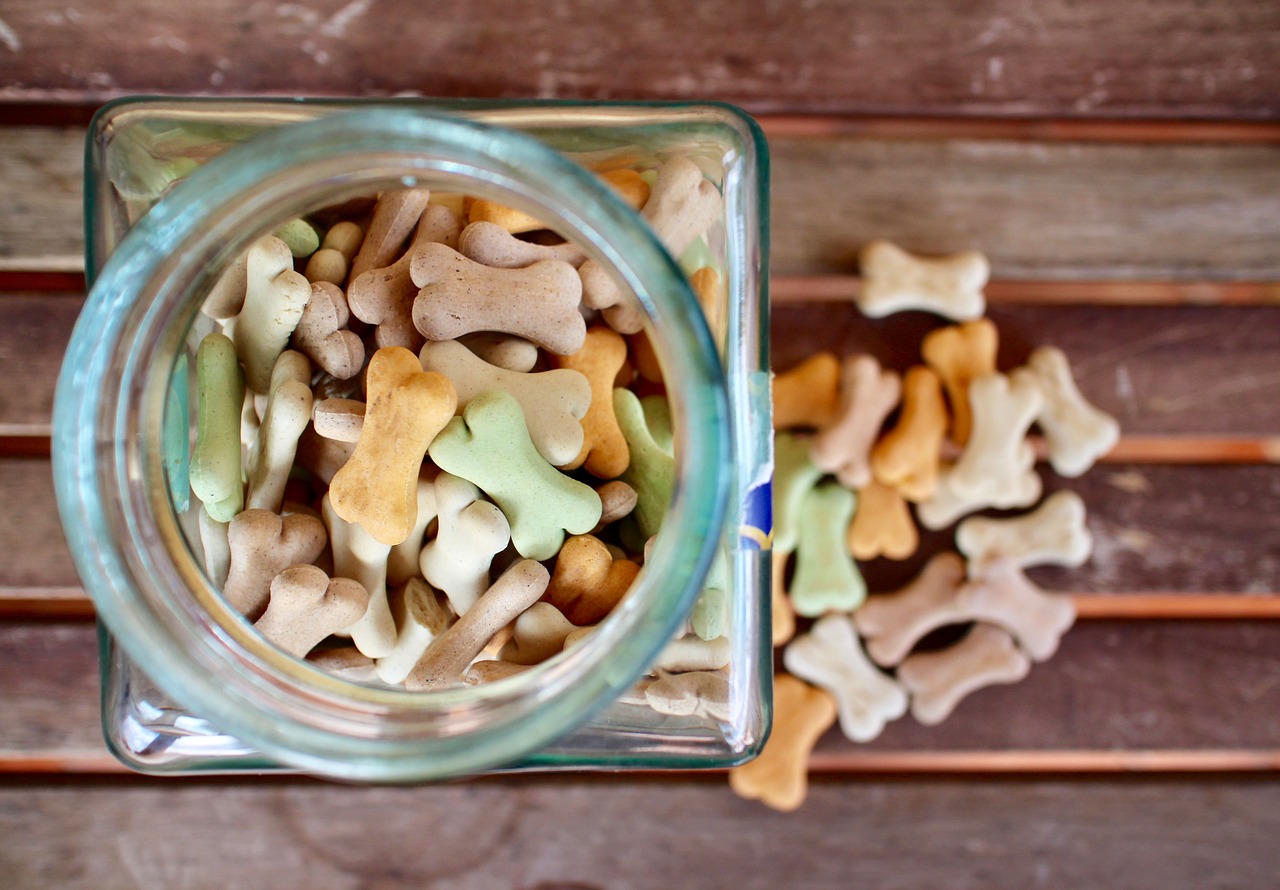
You pour your heart into making treats for your furry friend, but have you ever stopped to think about what's happening to them after they're baked? Here's the thing: homemade dog treats are more susceptible to mold growth due to the lack of preservatives. According to Dr. Susan Wynn, a veterinary nutritionist, "Mold can grow on dog treats when the moisture content is above 12%." That's a pretty low threshold, right?
High moisture content is a major culprit when it comes to mold formation. Treats like sweet potato chews or peanut butter biscuits can retain a lot of moisture, making them the perfect breeding ground for mold. And it's not just a matter of giving them a quick sniff test; mold can be sneaky, and some types can produce toxins that are harmful to your dog's health.
Moldy Treats = Big Health Risks
Moldy treats can cause a range of health issues in dogs, from digestive problems like vomiting and diarrhea to more serious toxicity issues. In fact, the ASPCA Animal Poison Control Center receives hundreds of calls each year about dogs ingesting moldy food, including treats. The symptoms can be severe, so it's clear that storing your dog treats properly is crucial to keeping your pup safe.
- Mold growth can occur within 24-48 hours in warm, humid environments
- Aflatoxins, produced by certain molds, are carcinogenic and can cause liver damage
- Dogs with allergies or compromised immune systems are especially vulnerable to mold exposure
So, what's the plan? You want to keep those treats fresh and safe for your furry friend. Stick around, and we'll dive into the best ways to store your homemade dog treats and keep mold at bay.
Why Homemade Treats Are More Prone to Mold
You love spoiling your furry friend with homemade treats, don't you? But here's the thing: they're more likely to go moldy faster than store-bought ones. Commercial treats like Orijen or Acacia use preservatives that inhibit mold growth, giving them a longer shelf life – sometimes up to 12-18 months! Your homemade goodies, on the other hand, often have higher moisture content, making them a breeding ground for mold.
The Moisture Factor
Take sweet potato chews, for example. They're a popular treat, but if you don't dry them properly, they're more prone to mold. A study by the Journal of Food Science found that treats with high water activity (aw) levels (>0.6) are more susceptible to mold growth. Your homemade treats often fall into this category, especially if you're using ingredients like pumpkin or carrots.
- Higher moisture content (aw > 0.6)
- Inadequate drying or dehydration
- Poor storage conditions (warmth, humidity, exposure to air)
Case in point: Sarah, a dog mom from Mumbai, shared her experience with homemade peanut butter biscuits. "I stored them in an airtight container, but they still went moldy within a week!" Turns out, she hadn't dried the biscuits long enough, and the moisture content was too high.
The bottom line? Your homemade treats need extra care. But don't worry, we've got you covered – we'll dive into storage hacks and tips to keep those treats fresh and mold-free.
Natural Preservatives to the Rescue
You know how we were talking about keeping those dog treats fresh? Well, here's where natural preservatives come in – they're like the superheroes of the treat storage world! Vitamin E, for instance, is a powerful antioxidant that prevents fats from going rancid, which is perfect for those yummy peanut butter biscuits your pup loves.
Meet the Preservative Powerhouses
Rosemary extract is another big player here. It has antimicrobial properties that keep mold at bay, and it's completely natural – no harsh chemicals needed. I know some pet parents who swear by adding a bit of rosemary extract to their homemade dog treats, and their pups love the flavor! Apple cider vinegar is also a game-changer, creating an acidic environment that's no friend to mold. Just be sure to use it in moderation – you don't want your pup's treats tasting like vinegar!
- Vitamin E: acts as an antioxidant and natural preservative
- Rosemary extract: has antimicrobial properties that prevent mold growth
- Apple cider vinegar: creates an acidic environment that inhibits mold development
Let's look at a real-life example – Pet Parent Magazine did a study where they stored dog treats with and without natural preservatives. Guess what? The treats with Vitamin E and rosemary extract stayed fresh for 6 months, while the others started getting stale and moldy within 2 months! That's a huge difference, right? So, if you want to keep your pup's treats fresh and tasty, consider adding these natural preservatives to your storage routine.
The Right Way to Store Dog Treats
You've got the mold-free treats, now let's keep them that way! Storage is key here. You see, moisture is like an open invitation for mold to crash the party, and trust me, you don't want that. That's why airtight containers are your best friend when it comes to storing dog treats.
Think of it like storing your favorite snacks – you wouldn't leave them out in the open, right? Same goes for your pup's treats! Use containers that seal tight, like glass jars or plastic bins with locking lids. Brands like OxiClean's airtight containers or even mason jars work great. For example, pet parents who switched to airtight containers reported a significant drop in treat spoilage – we're talking about a 30-50% reduction!
Where You Store Matters Too
It's not just about the container; it's also about where you put it. Store treats in a cool, dry place away from direct sunlight. Your pantry or a cupboard works perfectly. Avoid areas near the oven, dishwasher, or bathroom, as moisture tends to build up in these spots.
Here's a trick: add desiccant packets or a small bag of rice to absorb excess moisture. This is especially helpful in humid climates or during monsoon season. Pet owners in places like Mumbai or Chennai swear by this hack to keep their treats fresh for longer.
- Keep treats away from strong-smelling foods, as dogs have a keen sense of smell
- Label containers with the treat's name and storage date
- Check on treats regularly to ensure they're still fresh and mold-free
Choosing the Best Containers for Treat Storage
When it comes to storing your dog's treats, the right container can make all the difference. You're probably thinking, "What's the big deal? A container is a container, right?" But trust me, it's not just about tossing those tasty bits into any old box. The material, design, and features of the container can affect the freshness and safety of the treats.
Let's break it down: you want containers that are non-toxic, easy to clean, and airtight. Opt for glass, stainless steel, or BPA-free plastic containers. Brands like Pyrex and OXO offer great options. Glass containers are perfect for storing homemade treats, while stainless steel ones are great for crunchy biscuits. BPA-free plastic containers are lightweight and shatter-resistant – ideal for households with pets that love to knock things over (and let's be real, whose dog doesn't?).
Why Transparency Matters
Transparent containers are a game-changer. They allow you to easily monitor the treat condition, so you can catch any signs of spoilage or pest infestation early on. Imagine storing a batch of sweet potato chews in a opaque container, only to discover they've gone stale a week later. Not exactly the treat you want for your furry friend!
Airtight seals are another must-have feature. They prevent moisture and contaminants from entering the container, keeping your dog's treats fresh for longer. Look for containers with silicone goggles or snap-on lids – they're usually the most effective. Some popular options include the Rubbermaid Brilliant container range or the Lock & Lock series.
- Glass containers: great for homemade treats, easy to clean
- Stainless steel containers: perfect for crunchy biscuits, durable
- BPA-free plastic containers: lightweight, shatter-resistant
By choosing the right container, you're ensuring your dog gets the best treats, every time. Now, let's talk about where to store these containers...
Temperature and Humidity: The Mold Growth Factors
You're probably aware that mold loves warm temperatures and humid environments. But let's get specific: mold thrives in temperatures between 77°F and 86°F (25°C-30°C). That's right around room temperature in many homes. Imagine storing your dog's favorite treats in a pantry or cupboard that's consistently in this temperature range. You're basically rolling out the red carpet for mold. High humidity is another story altogether. When the air is full of moisture – think above 60% humidity – mold growth accelerates. It's like giving mold a drink every hour. You're probably wondering how you can control these factors. One way is to use a dehumidifier, especially in areas where you store your dog treats. For example, if you live in a humid climate like Florida or Louisiana, a dehumidifier can make a huge difference. Let's talk numbers. If you can keep your storage area's temperature below 70°F (21°C) and humidity below 50%, you'll significantly reduce the risk of mold growth. That's doable, right? Some pet owners even store their dog treats in the fridge or freezer to keep them fresh and mold-free. Just make sure to store them in airtight containers to prevent moisture from getting in.
Real-Life Example: The Basement Storage Fail
I know someone who stored their dog treats in a basement, thinking it would be cool and dry. Big mistake. The basement's humidity levels were through the roof, and guess what? Mold city. Their dog treats were ruined, and their pup was heartbroken. Don't make the same mistake. If you must store treats in a basement, invest in a good dehumidifier and some sturdy, airtight containers. You're not just storing dog treats; you're keeping your furry friend's health and happiness in mind. So, take control of the temperature and humidity levels where you store those tasty morsels. Your dog will thank you. Keep those treats fresh, and you'll be the best dog parent ever.
Spotting Mold: Signs and Symptoms
You've stored your dog's treats properly, but how do you know if they've gone bad? Mold can be sneaky, but there are some dead giveaways. Let's go through the key signs to watch out for.
The Visual Cues
Visible discoloration is often the first sign of mold. Keep an eye out for black, green, or white spots on the treats. For instance, if you notice a treat looking fuzzy or developing dark patches, it's likely gone moldy. I had a batch of sweet potato treats turn green on me once - straight into the bin they went!
The Smell Test
Trust your nose. If your dog treats smell musty or just plain off, that's a red flag. Fresh treats should smell like their ingredients - whether it's peanut butter, pumpkin, or chicken. If there's an unpleasant odor, play it safe and toss them out.
Texture Trouble
Mold often changes the texture of treats, making them slimy or fuzzy. If a treat feels off between your fingers, it's best not to risk it. Some molds can produce toxins that are harmful to dogs, so it's better to be safe than sorry.
- Visible discoloration, such as black, green, or white spots
- Unpleasant or musty odors
- Texture changes, like sliminess or fuzziness
If you're unsure whether a treat is moldy, don't take chances. Your dog's health is worth more than a few rupees saved on treats. When in doubt, throw it out!
Fresh Treats, Happy Pets: Your Next Steps
You're on the home stretch! With natural preservatives like vitamin C and proper storage techniques, you're setting yourself up for success. Now, it's time to think about the long game – keeping those treats fresh and mold-free for your furry friend.
Stay Vigilant
Regularly inspect your treats, just like you'd check on a pet that's getting a little too quiet 😉. Look for signs of mold, changes in texture, or an off smell. If you notice anything weird, it's better to be safe than sorry – chuck 'em and whip up a new batch.
Your recipe and storage methods might need a tweak here and there, and that's okay! Maybe you need to add a bit more coconut oil or store them in a different container. It's all about finding what works best for you and your pet. Dr. Jane, a holistic vet, recommends checking your storage area's temperature and humidity levels regularly – aim for below 75°F and 60% humidity.
- Use natural preservatives like rosemary extract or tocopherols
- Store treats in airtight containers, like glass jars or silicone bags
- Keep treats away from direct sunlight and moisture
The payoff is worth it – fresh, healthy treats that'll make your pet's tail wag. You're not just storing treats; you're storing love and care. So, go ahead, get creative, and keep those treats mold-free!
Here's a fun fact: did you know that some dogs can sniff out mold? It's like they have a built-in quality control system! 🐾



.jpg)





Comments ()