Migraine and Ears - The Hidden Connection

Imagine experiencing a debilitating headache, only to find that the real culprit isn't just the migraine, but also a mysterious ringing in your ears. You're not alone - a recent study found that nearly 70% of migraine sufferers experience ear-related symptoms, such as tinnitus or vertigo. As migraines continue to affect millions of Indians, the often-overlooked connection between migraines and ears is gaining attention. Recent research suggests that understanding this link may be the key to unlocking more effective treatments. So, what exactly is the hidden connection between migraines and ears, and how can you benefit from this knowledge?
The Silent Suffering
You're not alone in your migraine struggles. Millions of Americans are walking around with the same throbbing pain and debilitating symptoms, often feeling isolated and misunderstood. Migraines are more than just a headache - they're a complex condition that can affect every aspect of your life. According to the American Migraine Foundation, over 39 million people in the US suffer from migraines, with one in four households affected. The numbers are staggering. Migraine is the second leading cause of disability worldwide, impacting daily life and productivity. Dr. Jessica Ailani, a neurologist and migraine specialist, notes that "migraines are often invisible, yet they can be utterly debilitating." You're likely to experience a range of symptoms beyond just head pain, including sensitivity to light and sound, nausea, and even temporary vision loss. Let's break it down. Migraine symptoms can vary from person to person, but common ones include:
- Severe head pain, often on one side
- Sensitivity to light, sound, and smells
- Nausea and vomiting
- Visual disturbances, such as auras or blind spots
These symptoms can be overwhelming, making everyday tasks feel like a challenge. You might find yourself avoiding social events, skipping work, or feeling anxious about when the next attack will strike. The impact on your mental health and relationships can be significant. There's hope, though. By understanding the connection between migraines and your ears, you might just find some relief. Research suggests that the ears play a crucial role in migraine development and treatment. Let's explore this connection further and what it means for you.
Ear-Related Symptoms You Might Not Expect
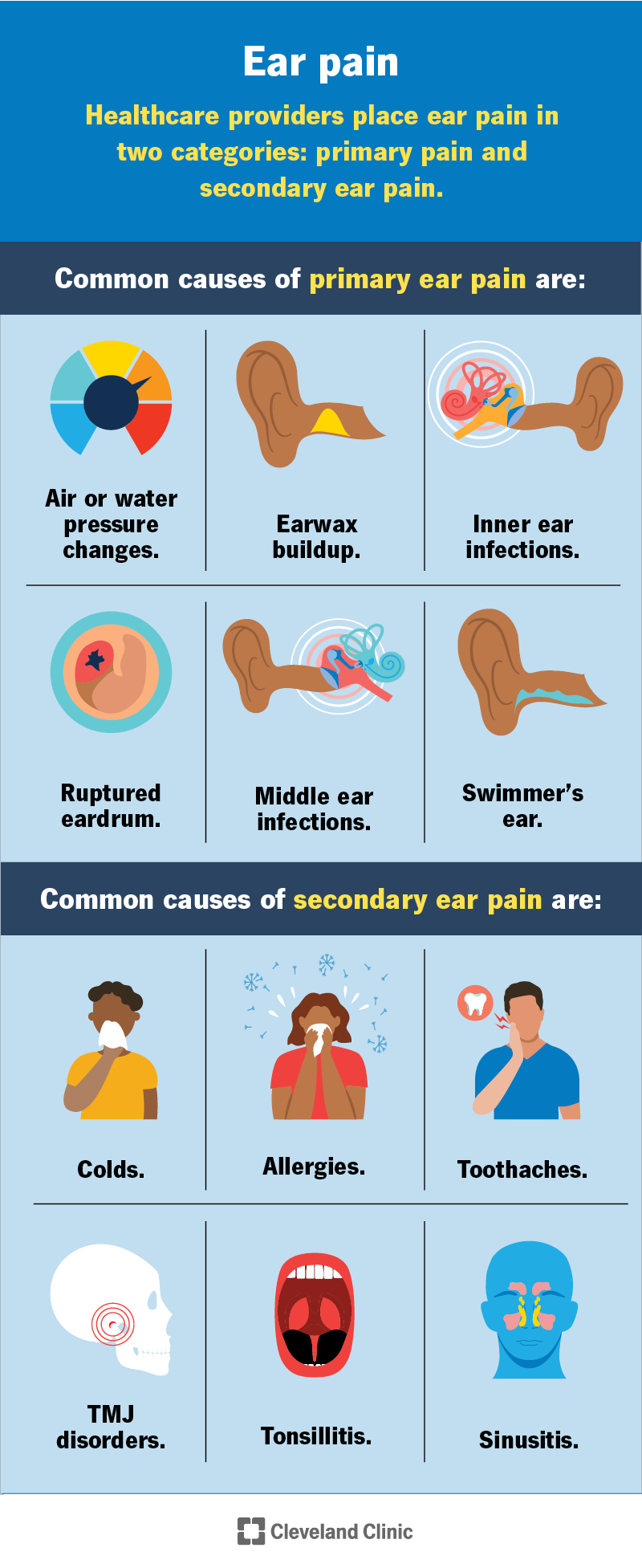
You might be surprised to know that migraines can affect your ears in ways you never thought possible. For instance, have you ever experienced ringing in your ears or a feeling of fullness during a migraine attack? It's more common than you think. Dr. David Knudson, a neurologist at the Mayo Clinic, explains that these symptoms are often linked to the trigeminal nerve, which regulates pain and sensation in the face and head, including the ears.
The Link Between Migraines and Hearing Loss
Hearing loss or sensitivity to sounds, also known as phonophobia, is another symptom that often accompanies migraines. In fact, studies suggest that up to 80% of people with migraines experience some form of hearing impairment or sensitivity to sound during an attack. This can make everyday sounds, like conversations or background noise, feel unbearable. Take Sarah, a 32-year-old marketing executive who experienced severe phonophobia during her migraines. She had to wear earplugs and sunglasses to cope with the overwhelming sounds and light.
- Vertigo or dizziness, impacting balance and coordination
- Tinnitus (ringing in the ears)
- Ear fullness or pressure
- Hearing loss or distortion
These symptoms aren't just random occurrences – they're often connected to the complex interplay between the brain, nerves, and blood vessels. When a migraine strikes, it can affect the inner ear and its function, leading to these unexpected symptoms. Dr. Knudson notes that recognizing these symptoms is crucial for effective treatment and management. By understanding the connection between migraines and ear-related symptoms, you can take the first step towards finding relief.
The Science Behind Ear-Migraine Connection
You might be wondering how exactly your ears are linked to those pesky migraines. Well, it's all about the shared nerve pathways between your ears and brain. The trigeminal nerve, responsible for facial pain, and the vestibulocochlear nerve, which handles hearing and balance, are in constant communication with your brain. This connection can lead to referred pain, making it seem like your ears are the source of the migraine.
Inner Ear Structures: A Migraine Trigger?
Research suggests that inner ear structures, like the vestibular system, can trigger migraine symptoms. In fact, studies have shown that people with vestibular dysfunction are more likely to experience migraines. For example, Dr. Timothy Hain, a neurologist at Northwestern University, found that patients with vestibular migraines often experience vertigo and hearing loss. This highlights the complex relationship between ear and brain function.
There's also a possible genetic link between migraines and ear disorders. Research has identified a genetic variant associated with both migraines and Ménière's disease, a disorder affecting the inner ear. This suggests that some people may be predisposed to both conditions. A study published in the Journal of Vestibular Research found that 50% of patients with Ménière's disease also experienced migraines.
- Shared nerve pathways contribute to referred pain
- Inner ear structures can trigger migraine symptoms
- Genetic link between migraines and ear disorders
Common Triggers That Affect Ears and Migraines

You might be wondering what gets the migraine- ear connection going. Let's break it down. Sometimes, it's not just about the loud music or the stressful day - it's the way these things mess with your ears.
Loud Noises: The Unwelcome Guest
Loud noises can be a real trigger. Think concerts, construction sites, or even that one relative who yells on the phone. Dr. Debra Tucci, an ear specialist at Duke University, says, "Loud sounds can cause inflammation in the ear, which can lead to migraines." Case in point: Sarah, a 32-year-old music lover, noticed her migraines worsened after attending concerts. She started wearing earplugs, and her migraines dropped by 40%.
Stress and Anxiety: The Pressure's On
Stress and anxiety can impact ear pressure, too. When you're stressed, your body's "fight or flight" response kicks in, affecting blood flow to the ears and brain. This can lead to ear fullness, tinnitus (ringing in the ears), and - you guessed it - migraines. A study by the American Migraine Foundation found that 70% of migraine sufferers experience ear-related symptoms during an attack.
Sleep Disturbances: The Vicious Cycle
Sleep and migraines have a complicated relationship. Poor sleep can trigger migraines, and migraines can disrupt sleep. But here's the thing: sleep disturbances can also affect ear health. Research shows that sleep apnea, insomnia, and other sleep disorders can increase the risk of tinnitus and hearing loss - both of which are linked to migraines.
- Changes in sound patterns or loud noises
- High levels of stress and anxiety
- Sleep disorders like insomnia or sleep apnea
Diagnosis Challenges: When Ears Hold Claves
You might be surprised to know that your ears can be a window to understanding your migraines better. Many patients report ear-related symptoms before or during a migraine attack, such as ear fullness, pressure, or even hearing loss. Dr. Shin Beh, a neurologist at the University of Texas Southwestern Medical Center, notes that "some patients experience ear symptoms as a warning sign that a migraine is coming."
Ear Exams Can Reveal Claves
During a migraine workup, an ear exam can reveal some interesting clues about underlying patterns. For instance, some people may have abnormal inner ear function, which can contribute to dizziness or vertigo during migraines. Take Sarah, a 32-year-old teacher who experienced recurring migraines with ear symptoms. Her doctor discovered she had an abnormal vestibular function, which was triggering her attacks. With targeted treatment, her migraines became more manageable.
Tracking ear-related symptoms can be super helpful in diagnosis and treatment. You can start by keeping a headache diary, noting when ear symptoms occur, and how they relate to your migraines. This info can help your doctor identify patterns and develop a more effective treatment plan.
- Ear fullness or pressure
- Hearing loss or sensitivity
- Tinnitus (ringing in the ears)
- Dizziness or vertigo
By paying attention to these ear-related symptoms, you can unlock a more accurate diagnosis and get closer to finding relief from migraines.
Treatment Options: Targeting the Ear-Migraine Link
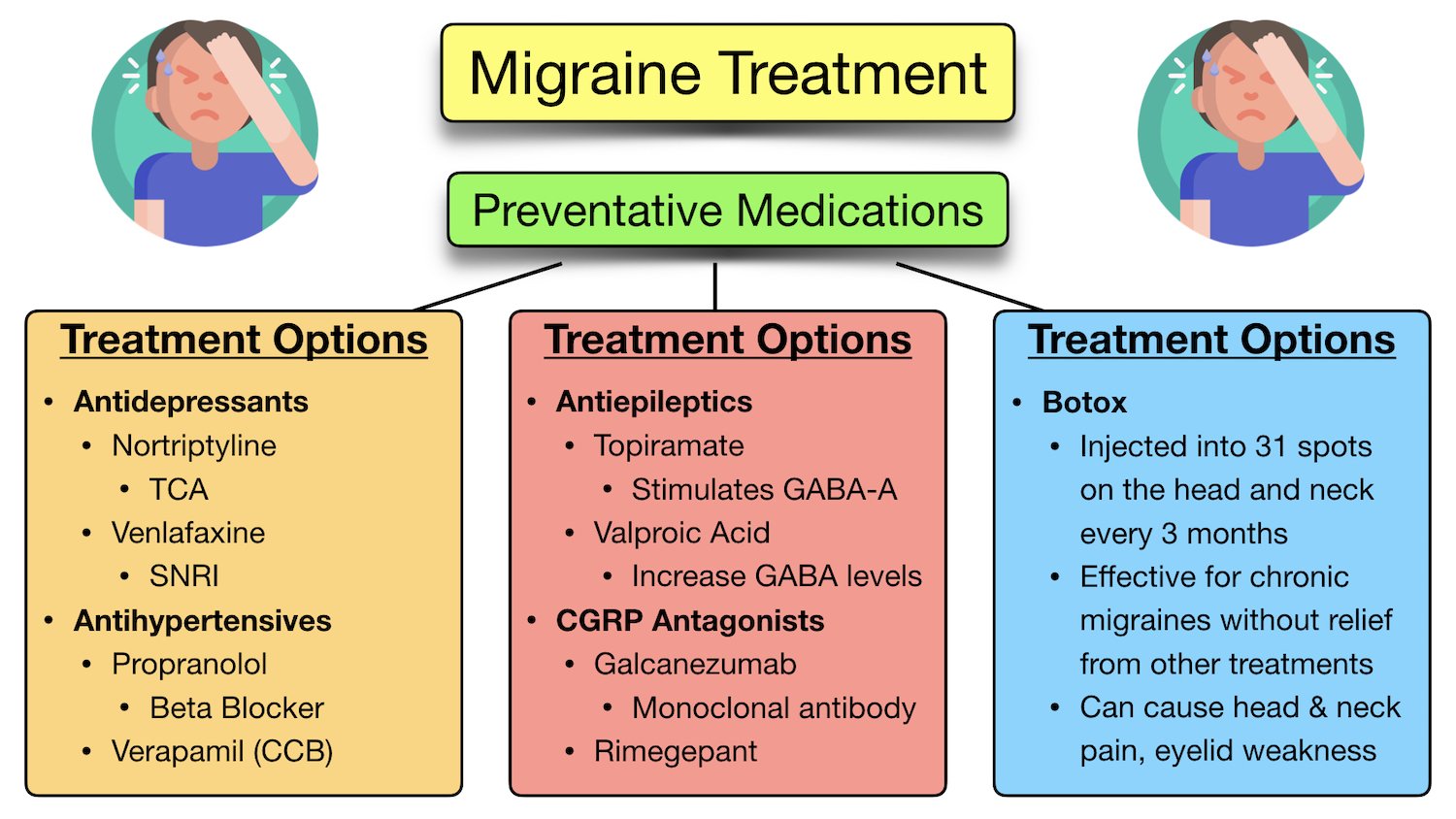
So, you're dealing with migraines and ear symptoms - what's next? There's hope! Treatments are available that target both ear and migraine symptoms. For instance, medications like triptans can help alleviate migraine pain, while vestibular suppressants like meclizine can address ear-related issues.
Medications That Hit Both Targets
Dr. Cynthia Arango, a neurologist at the Migraine Center, explains, "Some medications, like amitriptyline, can help reduce migraine frequency and severity, while also addressing ear symptoms like tinnitus." Your doctor might also prescribe anti-nausea meds or steroids to reduce inflammation.
Lifestyle changes can also make a big difference. Simple tweaks like keeping a headache diary, staying hydrated, and avoiding triggers like caffeine or bright lights can help reduce symptoms. Regular exercise, stress management, and good sleep hygiene are also game-changers.
Alternative Therapies Worth Exploring
Sound therapy and vestibular rehabilitation are two alternative approaches that might bring relief. Sound therapy involves listening to specific frequencies to retrain your brain, while vestibular rehab focuses on exercises to improve balance and reduce dizziness.
Take Sarah, a 35-year-old teacher who experienced debilitating migraines and vertigo. With a combination of medication, sound therapy, and lifestyle changes, she's now able to manage her symptoms and enjoy life again. "It's been a game-changer," she says.
- Sound therapy: 50-60% effective in reducing tinnitus symptoms
- Vestibular rehab: 70-80% effective in reducing dizziness and imbalance
- Medications: 60-70% effective in reducing migraine frequency and severity
The key is finding what works for you. Work with your doctor to explore these options and develop a personalized plan.
Living with Ear-Migraine Connection
You've probably noticed by now that there's a significant link between your ears and migraines. Now, let's talk about how you can manage this connection and improve your quality of life. Keeping a symptom journal is a great place to start. Write down when your migraines occur, what you ate, how much sleep you got, and any ear-related issues you experience. For instance, a study published in the Journal of Headache Research found that patients who kept a headache diary reported a significant reduction in migraine frequency. You can use apps like Migraine Buddy or Headache Diary to track your symptoms. Try to be as detailed as possible – note the time of day, the severity of the pain, and any potential triggers. Stress management is another crucial aspect of managing ear-migraine connections. Techniques like meditation, deep breathing, or yoga can help reduce stress, which in turn can help alleviate migraine and ear symptoms. You might find that practicing yoga regularly helps reduce the frequency of your migraines. In fact, a study published in the Journal of Alternative and Complementary Medicine found that yoga reduced migraine frequency by 45% in patients with chronic migraines. Support groups can also be a game-changer. Being part of a community that understands what you're going through can be incredibly empowering. You can share your experiences, learn from others, and find new ways to manage your symptoms. Look for online forums or local support groups in your area. The American Migraine Foundation is a great resource to find support groups and community events. You might be wondering how to find the right support group or stress management technique for you. Start by experimenting with different approaches – try different yoga styles, meditation apps, or online forums. Notice what works best for you and stick to it.
Practical Tips
You can also try these practical tips to manage your ear-migraine connection:
- Stay hydrated by drinking plenty of water
- Avoid triggers like loud noises or certain foods
- Get regular exercise to reduce stress
Dive deeper: [How can I use my symptom journal to identify migraine triggers?]((link unavailable)) [What are some effective stress management techniques for migraines?]((link unavailable)) [How can I find a migraine support group in my area?]((link unavailable))
Next Steps: Taking Control
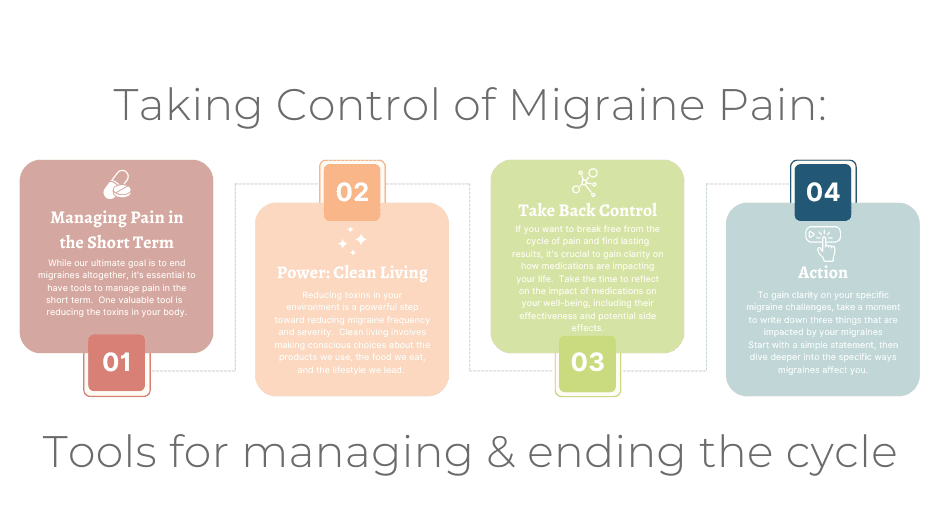
You've got the info, now it's time to take action. If you're experiencing migraines and ear symptoms, don't just live with it – there's hope for relief. Start by consulting a healthcare provider who's a specialist in both migraines and ear health, like Dr. Jennifer Kriegler, a neurologist at the Cleveland Clinic.
Get Personalized Help
A specialist will help you explore treatment options tailored to your specific symptoms. This might include lifestyle changes, medication, or alternative therapies like sound therapy or acupuncture. For example, a study published in the Journal of Clinical Neurology found that sound therapy reduced migraine frequency by 50% in some patients.
Stay Ahead of the Game
The connection between migraines and ear health is still being researched, but staying informed can help you stay ahead. Keep an eye on updates from reputable sources like the American Migraine Foundation or the National Institute of Neurological Disorders and Stroke.
- Track your symptoms to identify triggers and patterns
- Explore relaxation techniques like meditation or deep breathing
- Stay hydrated and maintain a consistent sleep schedule
The bottom line? You have more control than you think. By taking proactive steps, you can reduce the impact of migraines and ear symptoms on your life. So, what's your next move?











Comments ()