Microplastics - The Hidden Health Risk Spreading Pathogens

You've probably heard about the Great Pacific Garbage Patch, but have you ever wondered what's lurking in the microplastics that are literally everywhere – from the deepest oceans to the most remote mountains, and even in our own bodies? Recent studies have found that microplastics can harbour pathogens, including bacteria and viruses, making them a potential health risk. In fact, research published in 2022 found that microplastics in oceans can harbour 100 times more bacteria than surrounding seawater. As we continue to grapple with plastic pollution, it's time to explore the hidden health risks associated with microplastics and what we can do about it. Let's dive into the world of microplastics and their potential impact on human health.
The Invisible Threat in Our Midst
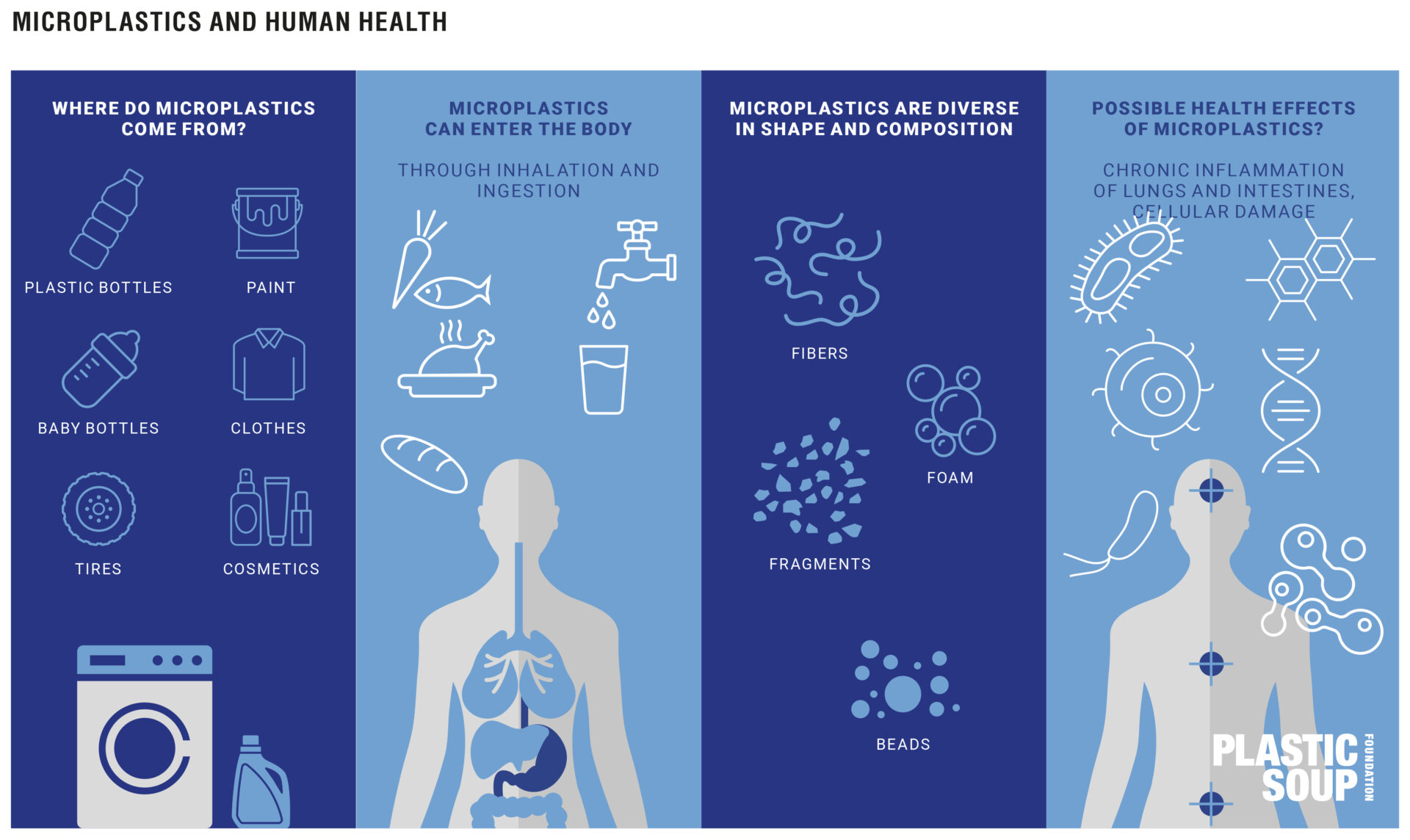
You've probably heard about the Great Pacific Garbage Patch, but have you ever wondered about the tiny plastic particles that are literally everywhere? Microplastics, tiny plastic particles less than 5mm in size, are found in our environment, and it's crazy to think that they're in the air we breathe, the water we drink, and the food we eat.
According to Dr. Sherri Mason, a leading researcher on microplastics, "We are ingesting microplastics at a rate of tens of thousands of particles per person per year." These tiny particles come from a variety of sources, including plastic bags, bottles, and microbeads. In fact, a study by the University of California, Santa Barbara, found that plastic bags alone can break down into over 700,000 microplastic particles.
Where Are They Coming From?
Microplastics are created when larger plastic items break down into smaller pieces, or when microbeads are used in personal care products like face wash and toothpaste. They're also found in synthetic clothing, like polyester and nylon, which release microfibers when washed. These tiny particles then make their way into our waterways, soil, and air, where they can be ingested by animals and humans alike.
- Plastic bags and bottles
- Microbeads in personal care products
- Synthetic clothing
- Cosmetics and cleaning products
- Industrial processes
The numbers are staggering: a study by the World Wildlife Fund estimates that the average person ingests around 2,000 microplastic particles per week. That's like eating a credit card's worth of plastic every year! The impact on our health is still unknown, but research suggests it could be significant. Stay tuned as we dive deeper into the world of microplastics and explore the risks they pose to our health.
How Microplastics Spread Pathogens
You might've heard that microplastics are not just a problem for marine life, but also for human health. The thing is, these tiny plastic particles can harbor harmful bacteria and pathogens, making them a breeding ground for disease. For instance, research has found that microplastics in the ocean can carry bacteria like E. coli, which can cause severe food poisoning.
The Antimicrobial Resistance Issue
Here's where it gets even scarier: studies have found that microplastics can carry antimicrobial-resistant bacteria, which can make infections way harder to treat. According to a 2020 study published in the journal Environmental Science & Technology, microplastics can selectively enrich antibiotic-resistant genes, making them potential vectors for the spread of antimicrobial resistance. Imagine having an infection that's resistant to multiple antibiotics - not ideal, right?
The bacteria on microplastics can also produce toxins that can harm humans and animals. For example, researchers at the University of California, San Diego, found that microplastics can carry bacteria that produce toxins like cylindrospermopsin, a potent liver toxin. These toxins can enter the food chain and potentially cause harm to humans, especially if we consume seafood that's contaminated with microplastics.
- Microplastics can act as a vector for disease transmission
- Antimicrobial-resistant bacteria on microplastics can spread resistance genes
- Toxins produced by bacteria on microplastics can harm humans and animals
The bottom line? Microplastics are not just a simple environmental issue; they're a public health concern. As we continue to explore the impact of microplastics on human health, it's clear that reducing plastic pollution is crucial to preventing the spread of pathogens and protecting our health.
The Risks of Inhaling Microplastics
You might've heard about microplastics in your food or water, but here's something that'll get you worried: they're also floating around in the air you're breathing. Yep, studies have found inhalable microplastics in major Indian cities like Delhi and Mumbai, and they're not just harmless particles. These tiny plastics can carry microbes, including some pretty nasty fungi like Aspergillus, which can lead to respiratory infections.
Now, here's the kicker: these infections can be super hard to treat. We're talking about pathogens that don't respond to common antibiotics, making them a serious health concern. For instance, a study by the Indian Council of Medical Research (ICMR) found that some of these microplastics carried antibiotic-resistant bacteria, which can basically render our go-to medicines useless.
What Happens When You Inhale Microplastics?
When you breathe in these microplastics, they can settle in your lungs and cause inflammation, oxidative stress, and even genetic damage. Think of it like a tiny little irritant that just won't go away. And if the microplastics are carrying pathogens, it's like a Trojan horse – they can spread infections that are tough to fight off.
- Microplastics can carry pathogens like Aspergillus and antibiotic-resistant bacteria
- These pathogens can cause respiratory infections and other health issues
- The impact of long-term exposure to microplastics is still being studied, but early research suggests it's not looking great
The bottom line? Microplastics in the air are a serious concern, and we need to take action to reduce our exposure. But more on that later. For now, let's just say it's time to rethink our relationship with plastics.
Microplastics in Our Food Chain
You've probably heard about microplastics in the ocean, but here's the thing: they're now in our food chain too. Researchers have found microplastics in a staggering 90% of seafood species, including shrimp, lobster, and even table salt. In one study, scientists found that people who eat seafood regularly ingest up to 11,000 microplastic particles per year.
The Trouble with Tainted Tuna
Let's take tuna, for example. A 2019 study published in Environmental Science & Technology found microplastics in 90% of tuna samples tested. These particles can carry pathogens and toxins, which can then be transferred to humans when we eat the fish. It's not just seafood, though - microplastics have also been found in fruits and vegetables, like apples and carrots.
The impact of eating microplastics on human health is still being studied, but it's clear that it's a risk we need to take seriously. Some studies have shown that microplastics can cause physical harm to animals, alter their behavior, and even affect their reproduction. For instance, research has found that microplastics can damage the gut microbiome of fish, leading to changes in their immune system and behavior.
- Microplastics have been found in:
- Seafood (shrshrimp, lobster, fish)
- Fruits (apples, strawberries)
- Vegetables (carrots, broccoli)
- Bottled water and beverages
The bottom line? Microplastics are everywhere, and we need to understand the risks. As researchers continue to study the impact of microplastics on human health, it's time to start thinking about how we can reduce our exposure. Stay tuned for the next section, where we'll explore ways to minimize our microplastic intake.
The Impact on Marine Life
You've probably heard about the Great Pacific Garbage Patch, but what's happening beneath the surface is even more alarming. Microplastics have been found in the stomachs of many marine animals, including fish, birds, and turtles. Take sea turtles, for example - they've been found with plastic bags stuck in their digestive tracts, thinking they're feeding on jellyfish. It's a grim reality.
These microplastics can cause physical harm, blockages, and even death. A study by the University of Exeter found that microplastics can reduce the growth rate and fertility of marine animals. And it's not just the physical impact that's the problem. Microplastics can also alter the behavior of marine animals and affect their reproduction. For instance, fish exposed to microplastics have shown changes in their swimming patterns and feeding habits.
The Food Chain Conundrum
The issue gets even more complicated when you consider the food chain. Small fish ingest microplastics, which are then eaten by larger predators, including humans. A study by the University of Queensland found that Australians consume around 2,000 to 3,000 microplastic particles per year through seafood alone. You're probably eating microplastics without even realizing it.
- Over 700 species of marine animals have been found to ingest plastic.
- Microplastics can carry pathogens like E. coli and antibiotic-resistant bacteria.
- The World Wildlife Fund estimates that 86 million tons of plastic have entered the world's oceans.
The impact on marine life is just the tip of the iceberg. As we'll explore in the next section, the effects on human health are just as concerning.
What Can We Do to Reduce Microplastic Pollution

You've seen the stats - microplastics are everywhere, from the deepest oceans to the highest mountains. The good news is that you can make a difference. One of the simplest ways to start is by cutting back on single-use plastics. Think about it, every plastic bag, straw, or water bottle you refuse is one less piece of plastic that can break down into microplastics and harm the environment.
Make the Switch to Sustainable Alternatives
For instance, you can swap out your plastic water bottle for a stainless steel or glass one. Cities like San Francisco and New York have already banned single-use plastic bags, and it's catching on. According to a study, if every American replaced just one plastic water bottle with a reusable one, we'd save 1.5 billion plastic bottles per year! That's a significant reduction in plastic waste that can end up in our oceans and waterways.
Another area to focus on is your wardrobe. Choose clothes made from natural fibers like cotton, wool, or silk instead of synthetic fibers like polyester or nylon. When you wash synthetic fabrics, they release microplastics that can enter the water system. Brands like Patagonia and Reformation are already using eco-friendly materials and practices, so you can look good and feel good too.
- Opt for products with minimal packaging or those that use biodegradable materials.
- Recycle and properly dispose of plastic waste to prevent it from entering the environment.
- Support organizations working to reduce plastic pollution, like the Plastic Pollution Coalition or the Surfrider Foundation.
Every small change you make can have a ripple effect. By making conscious choices, you're not only reducing microplastic pollution but also influencing others to do the same. So, what's the first change you'll make today?
A Call to Action: Protecting Our Health and Environment
You're probably wondering what you can do to make a difference in the fight against microplastic pollution. The truth is, every small action counts, and collective action can lead to significant positive change. By making conscious choices in your daily life, you're contributing to a larger movement that's pushing for a healthier, more sustainable future.
For instance, you can start by refusing single-use plastics like straws, bags, and water bottles. Did you know that Americans alone use about 500 million plastic straws every day? That's a staggering number! By switching to reusable alternatives, you're not only reducing plastic waste but also setting an example for others to follow.
Policy Changes Can Make a Big Impact
But individual actions aren't enough; we need policy changes too. Governments and corporations must work together to implement extended producer responsibility, where manufacturers are held accountable for the waste generated by their products. Cities like Bangalore and Mumbai have already taken steps to ban single-use plastics, showing that change is possible with collective effort.
- Support organizations working to reduce plastic pollution, like the Plastic Pollution Coalition or Surfrider Foundation.
- Choose products with minimal or biodegradable packaging.
- Participate in local clean-up initiatives and advocate for plastic reduction policies in your community.
The fight against microplastic pollution is a collective responsibility, and every action you take brings us closer to a plastic-free future. As Jane Goodall says, "You cannot get through a single day without having an impact on the world around you. What you do makes a difference, and you have to decide what kind of difference you want to make."
So, what's your difference going to be?








Comments ()