Matcha Magic - Japan's Ancient Tea Tradition
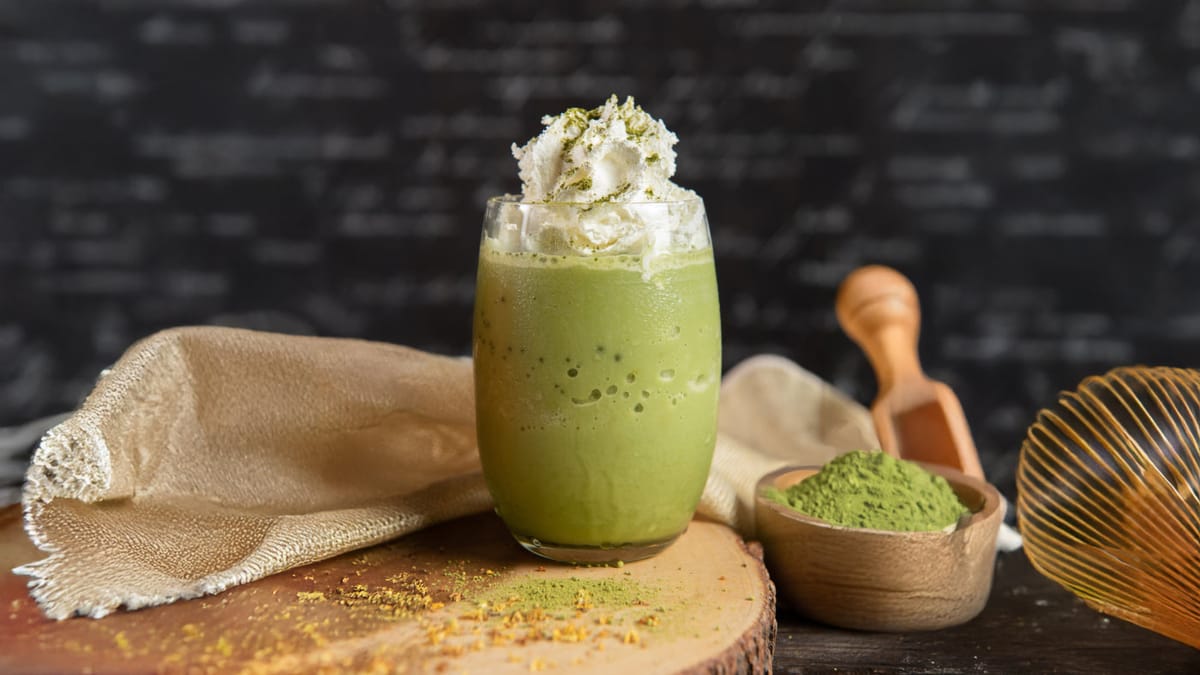
In Japan's serene tea gardens, a centuries-old tradition awaits, where the vibrant green powder of matcha has been stirring souls and tantalizing taste buds for over 800 years. But here's the thing: matcha is not just a tea, it's an experience that has captured the hearts of millions worldwide - in 2022, global matcha sales hit a whopping ₹1,500 crore, and it's only getting hotter. As wellness enthusiasts and foodies increasingly seek out this ancient elixir for its sustainability and health benefits, it's time to dive into the enchanting world of matcha and uncover the magic that makes it a timeless classic. Let's begin with the ancient rituals that started it all...
The Ancient Roots of Matcha

You might've heard of matcha as the trendy superfood lattes in your local café, but its history stretches back centuries in Japan. We're talking 16th century, during the Muromachi period, when matcha first originated. It's not just a drink; it's an experience rooted in tradition and ceremony.
The traditional Japanese tea ceremony, also known as Chanoyu, Sado or Ocha, centers around the preparation and consumption of matcha. It's a ritual that embodies harmony, respect, and tranquility – values deeply ingrained in Japanese culture. According to experts, the ceremony is a sensory experience where every gesture and movement is deliberate and choreographed.
What Makes Matcha Special?
Matcha's unique flavor and vibrant green color come from the way it's grown. The tea leaves are shade-grown, which increases chlorophyll production and L-theanine, an amino acid responsible for its rich umami taste. This traditional cultivation method has been passed down through generations, preserving matcha's distinct character.
- Shade-grown tea leaves give matcha its bright green color
- Matcha contains high levels of L-theanine for a rich umami flavor
- The traditional Japanese tea ceremony is a symbol of harmony and respect
With its rich history and unique flavor profile, matcha has become a global sensation. From traditional tea ceremonies to modern recipes, this ancient tradition is here to stay.
The Art of Matcha Production
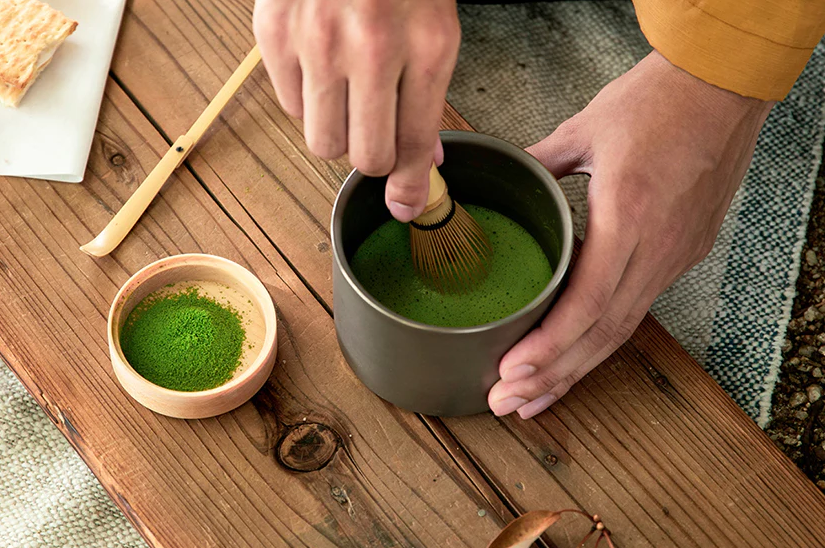
You know, the magic of matcha starts long before it hits your cup. The process is meticulous, and it's what sets this ancient tea apart. Let's dive into the good stuff – how matcha goes from leaf to powder.
The Shading Process
About 2-3 weeks before harvest, the tea plants are shaded to boost chlorophyll and L-theanine content. This is when the leaves start producing more of those delicious umami flavors. Take Uji, Kyoto's famous matcha region – their farmers swear by this step, and it's what gives their matcha that rich, complex taste.
The leaves are then hand-picked and steamed to stop fermentation. This is a crucial step, as it preserves those precious antioxidants and flavor compounds. Think of it like pressing pause on the tea's natural processes.
From Leaf to Powder
Next up, the leaves are dried and ground into that iconic fine powder using stone mills. This isn't just any grinding process – it's slow, careful, and designed to preserve the tea's delicate nutrients. In fact, a single stone mill can grind just 30-40 grams of matcha per hour. That's dedication, right?
- The leaves are shaded for increased chlorophyll and L-theanine
- Hand-picking and steaming preserve flavor and nutrients
- Stone mills grind the leaves into fine powder
The result of this labor-intensive process? A vibrant green powder packed with antioxidants and umami flavor, ready to elevate your tea game. Whether you're a matcha newbie or a seasoned pro, understanding the craftsmanship behind it makes each sip taste even sweeter.
Types of Matcha
So, you've learned about the history and production of matcha, but did you know there's more to it than just one type? There are actually several types of matcha, each with its own unique characteristics and uses. Let's break it down for you.
The Main Players
You'll come across two main types of matcha: Koicha and Usucha. Koicha is a thick, rich matcha made with higher-grade leaves and less water. It's like the luxurious cousin of matcha - smooth, velvet-like, and totally indulgent. Usucha, on the other hand, is a thinner, more bitter matcha made with lower-grade leaves and more water. It's great for everyday drinking, kinda like your morning coffee fix.
Then there's Ceremonial matcha, the crème de la crème of matcha. This high-quality matcha is used in traditional Japanese tea ceremonies, where it's whisked into a frothy delight. It's all about the ritual, the art, and the experience. You might even say it's the ultimate matcha experience.
- Koicha: Thick, rich, and indulgent (think premium quality)
- Usucha: Thinner, more bitter, and perfect for daily sips
- Ceremonial matcha: High-quality, traditional, and all about the experience
Now, you might be wondering which type is right for you. Well, it depends on your taste buds and what you're looking for. If you're after a rich, complex flavor, go for Koicha. If you're looking for a daily matcha fix, Usucha might be your best bet. And if you want to experience matcha like the Japanese masters, Ceremonial matcha is the way to go.
Matcha's Health Benefits
You know how people always say "tea is good for you"? Well, matcha is like the superhero version of tea. This ancient Japanese brew is packed with antioxidants and L-theanine, which can reduce stress and improve focus. Studies have shown that L-theanine can increase the production of alpha brain waves, associated with relaxation and calmness.
The Science Behind the Magic
Research published in the Journal of Agricultural and Food Chemistry found that matcha contains high levels of catechins, a type of antioxidant that may help prevent cell damage and reduce inflammation. One study even showed that matcha can lower LDL cholesterol levels and improve overall heart health. Plus, the L-theanine in matcha promotes relaxation without drowsiness, making it a great alternative to coffee.
Let's look at the example of Japanese Buddhist monks, who have been drinking matcha for centuries to enhance their meditation practice. The combination of L-theanine and caffeine in matcha helps them stay focused and alert, allowing them to meditate for hours on end. And if it's good enough for them, it's probably worth trying, right?
- May reduce stress and anxiety
- Can improve focus and concentration
- May support heart health and lower cholesterol
Whether you're looking to boost your energy or simply relax, matcha's got you covered. With its unique combination of antioxidants and L-theanine, it's no wonder matcha has become a staple in many health-conscious people's daily routines. Give it a try and experience the magic for yourself!
Matcha in Modern Cuisine
You might've noticed matcha popping up in all sorts of unexpected places – from ice cream shops to high-end restaurants. That's because this ancient Japanese tea is no longer just for traditional ceremonies; it's now a staple in modern cuisine. Chefs and foodies alike are experimenting with matcha, adding its unique grassy flavor to everything from sweet treats to savory dishes.
Sweet Treats
Matcha is a natural fit for desserts, and it's being used to create some truly show-stopping treats. Take, for example, the matcha mochi ice cream that's become a favorite among dessert lovers. The combination of creamy ice cream and soft, chewy mochi is already a match made in heaven, but add in the subtle bitterness of matcha, and you've got a game-changer. And it's not just mochi – you'll find matcha used in cakes, cookies, and even chocolate truffles.
Beverage Boost
Matcha's also making waves in the beverage world, adding a boost of antioxidants and flavor to lattes, smoothies, and more. Starbucks' Matcha Green Tea Latte is a prime example – the perfect blend of sweet and bitter, with a lovely earthy undertone. And if you're feeling adventurous, you can even try matcha-infused cocktails, like the Matcha Sour or the Matcha Mojito.
Savory Surprises
But matcha's not just for sweet treats – it's also being used in savory dishes, like matcha-glazed salmon and vegetables. The umami flavor of matcha pairs perfectly with the rich flavor of salmon, adding a fascinating depth to the dish. And if you're looking to mix things up, try adding matcha to your next stir-fry or salad dressing.
As you can see, matcha's versatility knows no bounds. Whether you're a traditionalist or an adventurous foodie, there's no denying the magic of matcha in modern cuisine.
Dive deeper: [How is matcha graded and what's the difference?]((link unavailable)) [What are the health benefits of matcha?]((link unavailable)) [Can I make matcha at home?]((link unavailable))
Matcha Around the World
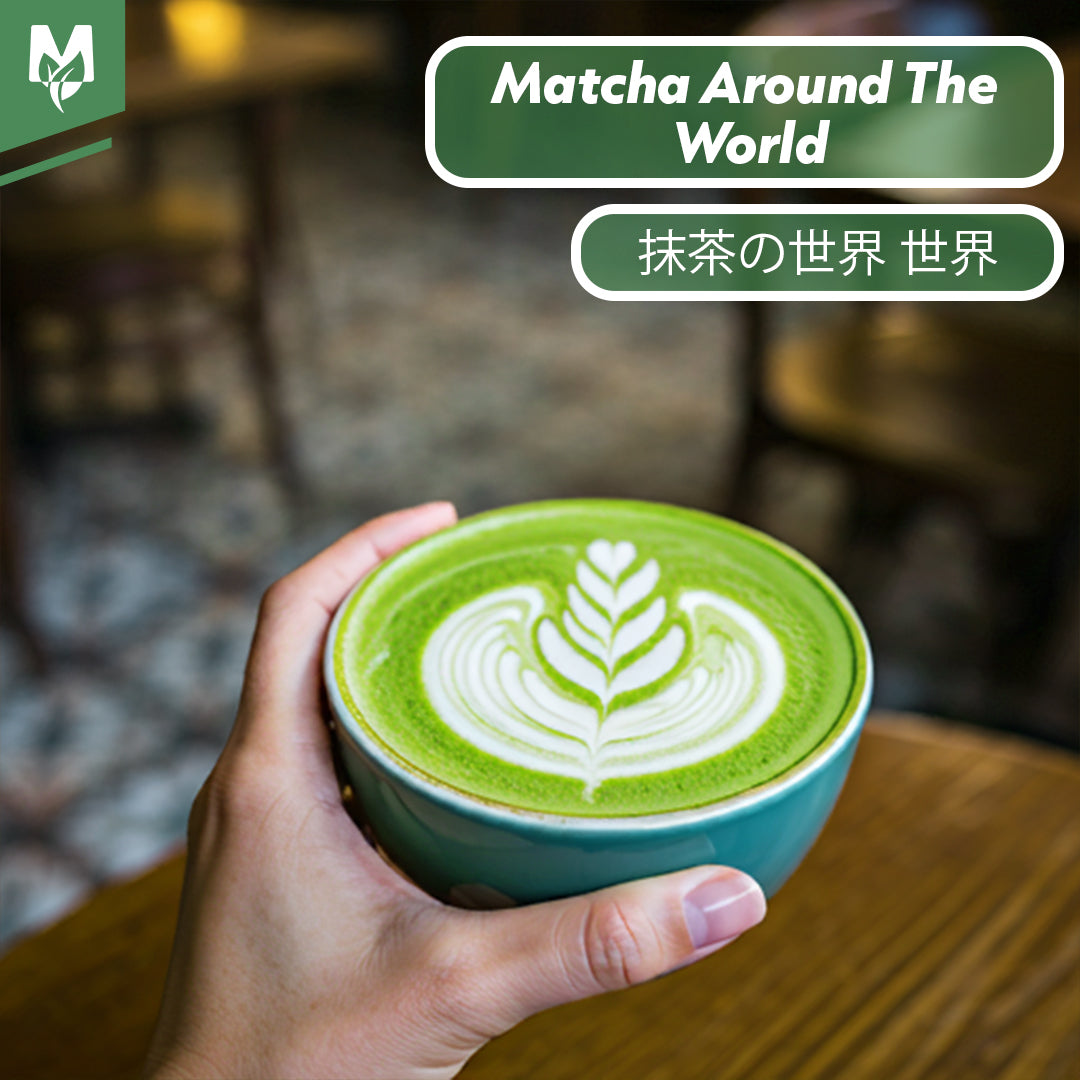
You know how matcha's been making waves globally, right? It's not just a Japanese thing anymore. This vibrant green tea has become a global phenomenon, with matcha cafes and specialty shops popping up in major cities like Tokyo, New York, London, and Sydney. In fact,據 estimates, the global matcha market's expected to reach $5.2 billion by 2025, growing at a CAGR of 8.5%.
Matcha Goes Mainstream
One of the driving forces behind matcha's global popularity is its versatility. Chefs and foodies are going wild with it, incorporating it into modern twists on traditional Japanese recipes and desserts. Take, for instance, the matcha croissant – a flaky, buttery pastry infused with the subtle bitterness of matcha. It's a game-changer. You can find matcha-inspired treats like matcha lattes, matcha ice cream, and even matcha-infused chocolates in trendy cafes and bakeries worldwide.
Matcha's also gained a reputation as a superfood, packed with antioxidants and energy-boosting properties. Health-conscious folks are loving it, and it's easy to see why. A single teaspoon of matcha powder contains as many antioxidants as 10 cups of brewed green tea! No wonder matcha's become a staple in many health food cafes and juice bars.
- Matcha cafes in major cities:
- Tokyo: Nakamise Shopping Street's Matcha Tsutaya
- New York: Sarabeth's Matcha Latte
- London: Ippodo Matcha Cafe
- Popular matcha products: matcha lattes, matcha ice cream, matcha-infused chocolates
- Matcha's health benefits: high antioxidant content, energy boost, possible anti-inflammatory effects
As matcha's global popularity continues to grow, it's exciting to think about how this ancient Japanese tradition will evolve and adapt to new cultures and tastes. Who knows what innovative matcha creations will emerge next?
Sourcing High-Quality Matcha
When it comes to matcha, quality is everything. You've probably heard that the best matcha comes from Japan, but did you know that the region it's grown in makes a huge difference? Uji in Kyoto is like the Napa Valley of matcha, producing some of the finest leaves in the world. Brands like Maru Matcha and Iji matcha are great examples of high-quality matcha from this region.
But it's not just about the region – the way the matcha is grown and processed matters too. Look for matcha that's certified organic and free of additives. This ensures that you're getting a pure product that's not been tampered with. The Japanese government has strict standards for organic certification, so you can trust that brands with the JAS (Japanese Agricultural Standard) logo are the real deal.
Color and Aroma: The Signs of Quality
So, how can you tell if matcha is high-quality just by looking at it? Color is a big giveaway. High-quality matcha should be a vibrant, bright green – think of the color of fresh spinach or grass on a sunny day. If it's dull or brownish, it's probably past its prime. The aroma is another key indicator. Good matcha should have a fresh, grassy scent that's almost sweet. If it smells stale or fishy, put it back!
- Look for matcha with a vibrant green color and fresh aroma
- Check for JAS organic certification
- Choose brands that prioritize traditional production methods
Some popular matcha brands that tick these boxes include Aiya, Matcha Works, and Jade Leaf. These brands prioritize quality and transparency, so you can trust you're getting the good stuff.
Brewing the Perfect Cup
You've got the matcha, you've got the whisk, now it's time to bring it all together. The key to unlocking matcha's full potential lies in the brewing process. Water temperature and matcha-to-water ratio are crucial - aim for around 80°C and 1:30, respectively.
Get Whisky
Whisk the matcha in a zig-zag motion to create a smooth, frothy texture. This isn't just about aesthetics; it's about distributing the matcha evenly and bringing out those delightful umami flavors. Take your time, and don't be afraid to get a little zen-like with it – 30 seconds to a minute is the sweet spot.
Experimentation is where the magic happens. Try different brewing methods, like traditional Japanese-style or modern twists like matcha lattes. Add a squeeze of lemon for a citrusy zing or a drizzle of honey for sweetness. The possibilities are endless, and it's up to you to find your perfect cup.
- Play with temperatures: 70°C for a more delicate taste, 90°C for a richer flavor
- Experiment with ratios: 1:20 for a stronger matcha, 1:40 for a lighter brew
- Add-ins: try coconut milk, ginger, or even matcha-infused ice cream
The world of matcha is yours to explore. With these tips, you're ready to embark on a journey of flavor and discovery. So go ahead, brew that perfect cup, and savor the moment – it's matcha magic, made just for you.










Comments ()