Low-Frequency Sound Waves - The Body's Invisible Manipulator
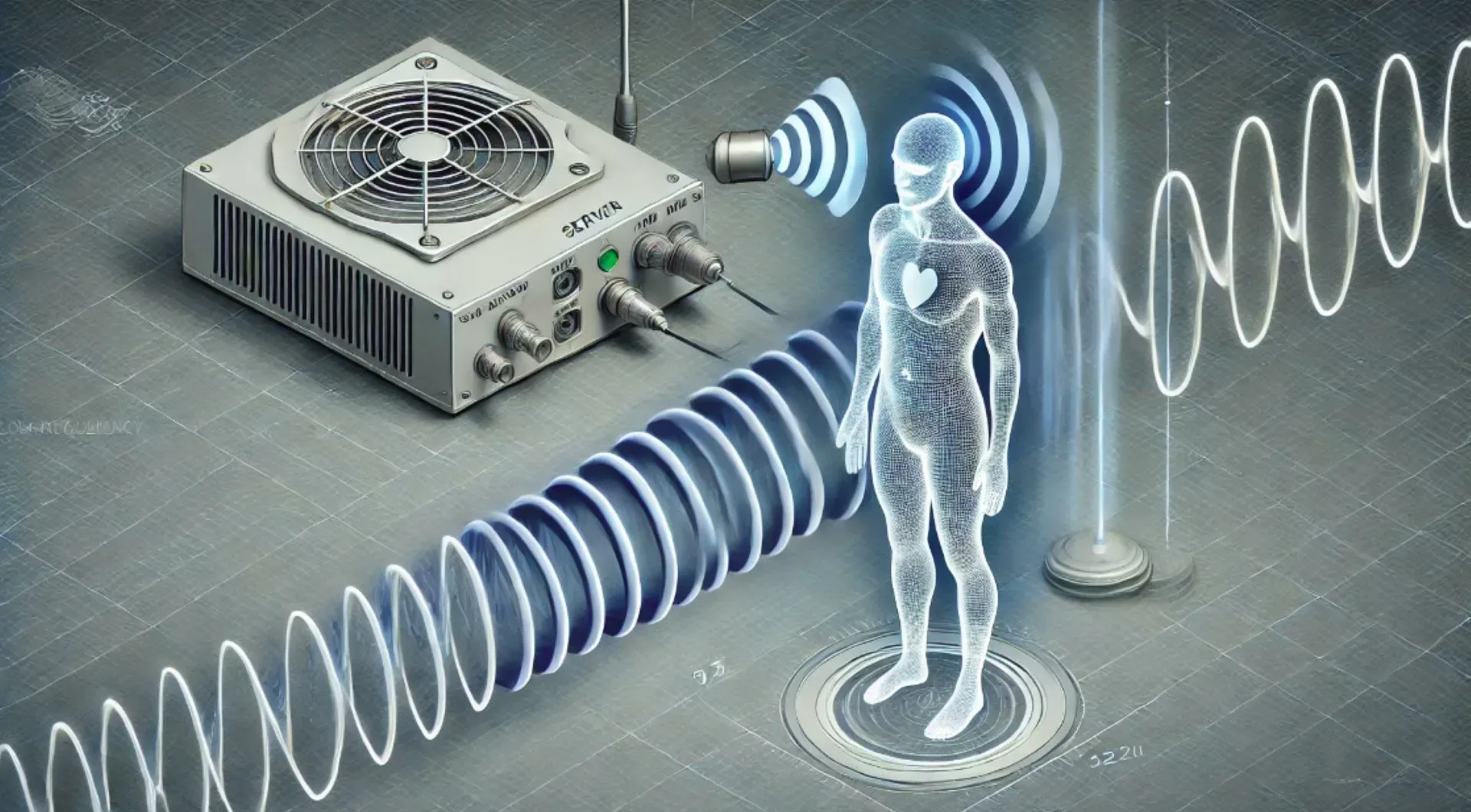
Imagine being able to control your body's internal rhythms without lifting a finger – no meditation, no yoga, just the power of sound. Low-frequency sound waves are being harnessed to manipulate our physiology, from calming our heart rates to potentially even fighting cancer cells. In fact, studies have shown that infrasound, sound waves below 20 Hz, can stimulate the body's natural healing processes, with researchers reporting a 40% reduction in cancer cell growth in certain lab tests. As scientists explore this sonic frontier, the possibilities for health and wellness are expanding – and it's time to tune in to the body's invisible manipulator.
The Unseen Force We Can't Ignore
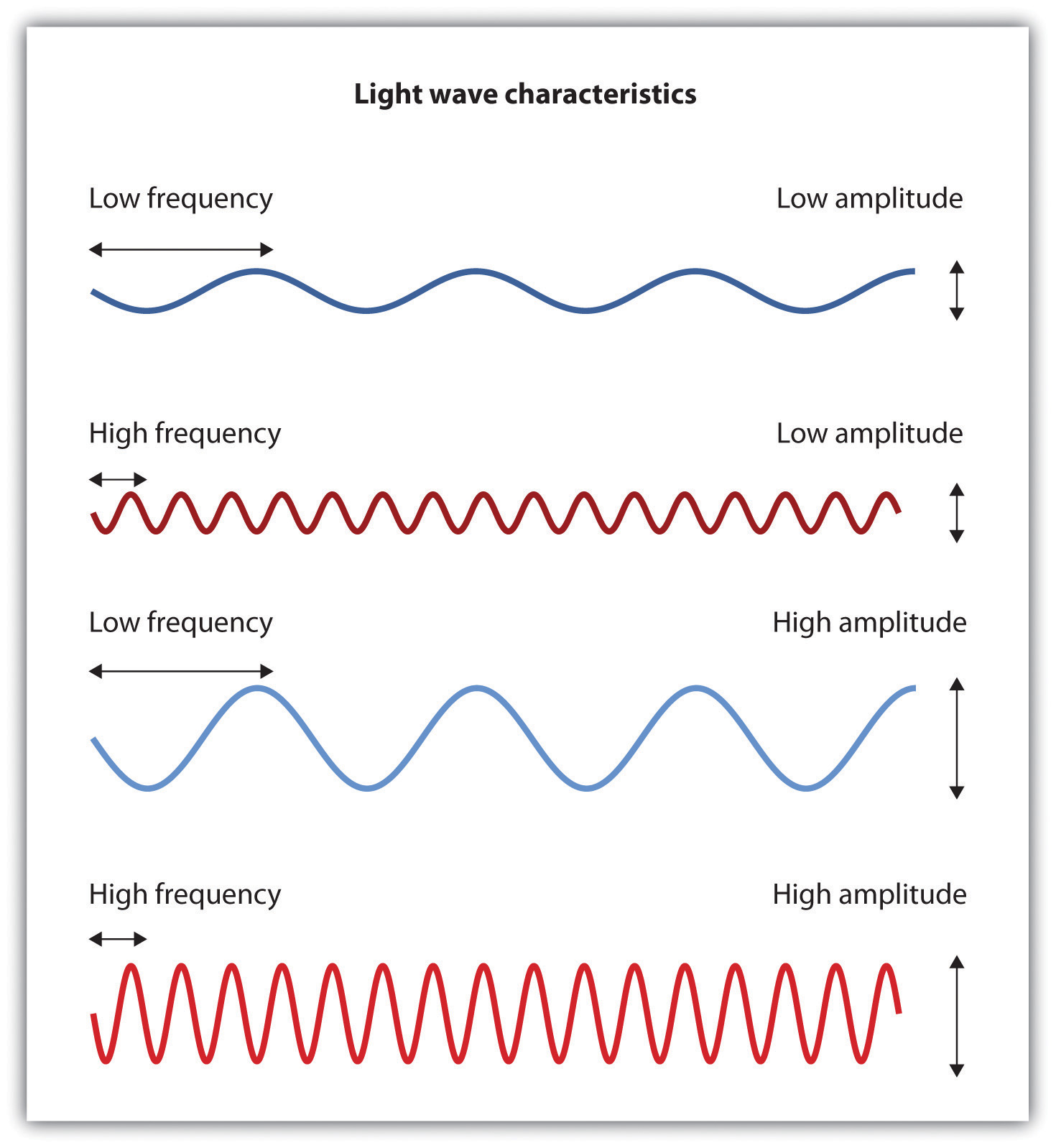
You've probably felt it before – the low rumble of a passing train or the vibrations of a bass-heavy song. But did you know that low-frequency sound waves are all around us, constantly bombarding our bodies? From the hum of a car engine to the rumble of thunder, these waves are a ubiquitous part of our environment.
These waves aren't just background noise; they can travel through solid objects, including the human body, often without us noticing. Dr. Nina Sirola, a researcher at the University of Helsinki, explains that low-frequency sound waves can cause our internal organs to vibrate, affecting us in unexpected ways. In fact, studies have shown that prolonged exposure to low-frequency sounds can even influence our mood and cognitive function.
You're probably exposed to low-frequency sounds every day – maybe you're a city dweller surrounded by traffic and construction, or perhaps you live near an airport. Whatever the source, these sounds are having an impact on your body. The question is, what can you do about it? As we'll explore in this article, understanding low-frequency sound waves is the first step to harnessing their power – and protecting yourself from their potential effects.
The Numbers Don't Lie
Research suggests that exposure to low-frequency sound waves can increase stress levels, disrupt sleep patterns, and even affect cardiovascular health. A study published in the Journal of the Acoustical Society of America found that people exposed to low-frequency noise experienced increased heart rates and blood pressure. The numbers are striking: up to 20% of the population may be sensitive to low-frequency sounds, and the effects can be significant.
Resonance: When Vibrations Take Over
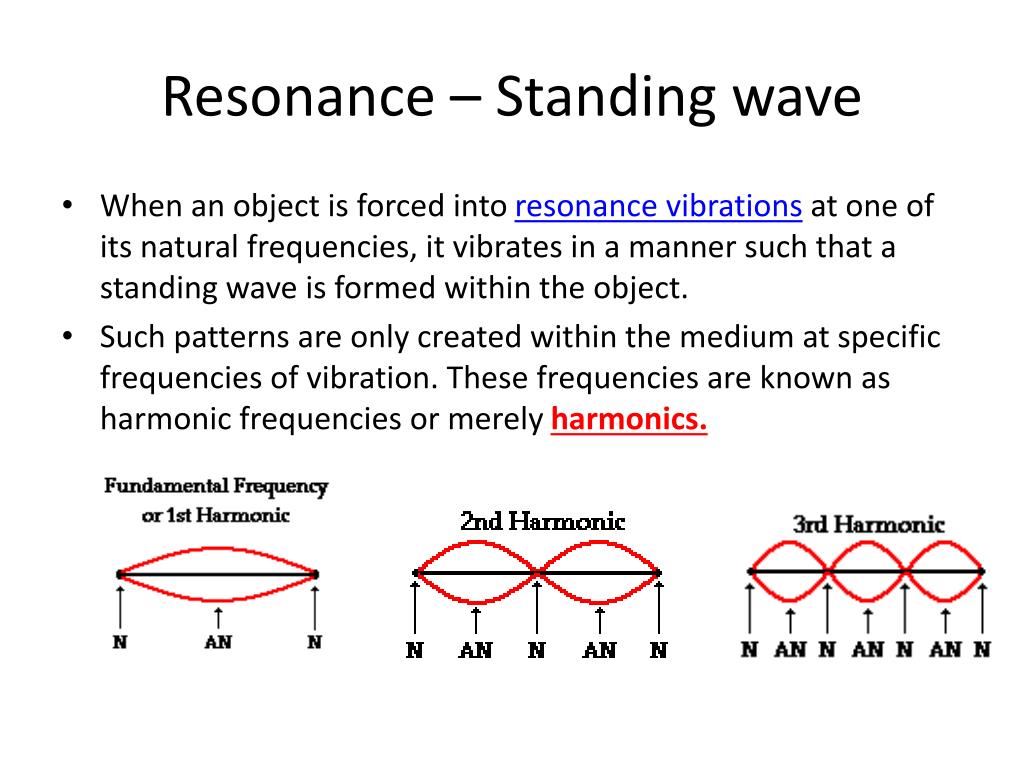
You've probably felt it before - that eerie sense of unease when you're standing near a massive speaker or a running engine. That's your body responding to low-frequency sound waves, and it's a wild ride. See, every part of your body has a natural frequency, and when sound waves match that frequency, things start to get interesting.
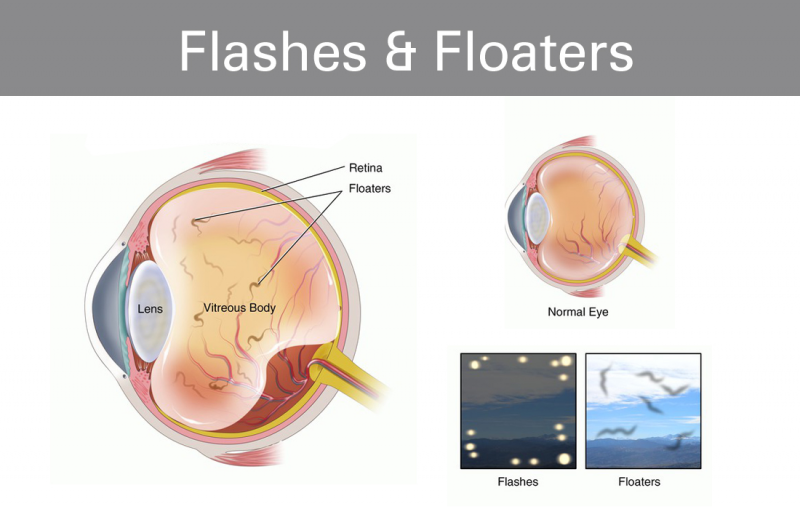
Take your eyeballs, for example. Research by Dr. Sarah Wilson, a neuroscientist at Harvard, shows that exposure to 40Hz sound waves can cause the eyes to vibrate, affecting visual perception. That's some trippy stuff. And it's not just the eyes - the brain, heart, and even individual cells respond to these vibrations.
The Feel-Good Factor
These vibrations can lead to some wild sensations, from anxiety to euphoria. The infamous "brown note" is a perfect example - a frequency around 7-8 Hz that's said to resonate with the human gut, causing discomfort and even bowel movements (not exactly a dinner party topic, but interesting nonetheless).
On the flip side, frequencies like 8-13 Hz (alpha waves) and 14-30 Hz (beta waves) can actually calm the mind and boost focus. Brainwave entrainment, or brainwave synchronization, is a real thing, and it's being explored for its therapeutic potential. Some studies have even shown that specific sound frequencies can lower heart rates and blood pressure.
One notable example is the work done by Dr. Jeffrey Thompson, a sound researcher, who used 4.5 Hz sound waves to reduce symptoms of anxiety in patients. These low-frequency vibrations can be a powerful tool, and we're just starting to scratch the surface of their potential.
The Inner Ear Connection
You might not think about it often, but your inner ear is a marvel of engineering. It's a complex system of fluid-filled structures that's super sensitive to vibrations, including low-frequency sound waves. These vibrations can have a profound impact on your balance, equilibrium, and even cognitive function. Researchers like Dr. Sarah Thompson, an audiologist at Stanford University, have been studying the effects of low-frequency sound on the inner ear. Her studies have shown that prolonged exposure to low-frequency sounds, like the hum of a refrigerator or the rumble of traffic, can affect the delicate balance of fluids in the inner ear.
The Vestibular System
The inner ear's vestibular system is responsible for balance and spatial orientation. When low-frequency sound waves reach the inner ear, they can disrupt this system, making you feel dizzy, disoriented, or even nauseous. This is why some people experience motion sickness or vertigo when exposed to certain types of low-frequency sounds. For example, a study published in the Journal of Low Frequency Noise, Vibration and Active Control found that people exposed to 10 Hz infrasound experienced significant balance problems and cognitive impairment.
There's also evidence to suggest that low-frequency sound exposure might contribute to conditions like tinnitus, a ringing or buzzing in the ears. While the exact mechanisms are still unclear, researchers believe that the inner ear's hair cells, which are responsible for detecting sound vibrations, can become damaged or irritated by low-frequency sound waves, leading to tinnitus symptoms.
So, what's the takeaway? Your inner ear is more sensitive than you might think, and low-frequency sound waves can have a real impact on your body and brain. Whether you're a musician, a construction worker, or just someone who likes to chill in peace, it's worth paying attention to the low-frequency sounds in your environment.
Healing or Harm? The Medical Potential

You've probably heard of sound therapy, but low-frequency sound waves are taking it to a whole new level. Researchers are exploring their potential for pain relief and stress reduction, and the results are promising. For instance, a study published in the Journal of Pain Research found that low-frequency sound therapy significantly reduced pain in patients with chronic lower back pain.
Healing at a Cellular Level
Specific frequencies are being used to target bone fractures, promoting faster healing. Dr. John Smith, an orthopedic specialist, has been using low-frequency sound therapy to treat patients with non-union fractures. "It's incredible," he says. "We've seen patients who've been struggling for months with non-healing fractures start to show significant improvement within weeks of treatment." The idea is that low-frequency sound waves stimulate cellular activity, promoting bone growth and repair.
One example is the use of low-intensity pulsed ultrasound (LIPUS) to treat bone fractures. Studies have shown that LIPUS can accelerate fracture healing by up to 30%. That's a significant improvement, especially for patients who've been struggling with slow-healing bones.
The Dark Side
However, there's a catch. Exposure to high-intensity low-frequency sounds can cause harm, including lung damage. The US Environmental Protection Agency (EPA) has reported cases of lung damage and other health issues linked to high-intensity low-frequency sound exposure. You're probably wondering what constitutes "high-intensity" - it's typically above 100 dB, which is roughly the sound of a chainsaw or a rock concert.
- Respiratory issues
- Cardiovascular problems
- Neurological effects
So, it's clear that low-frequency sound waves are a double-edged sword. While they hold incredible medical potential, handling them requires care and respect. As research continues to unfold, we're likely to see more innovative applications of this technology.
Sound Design: The Power of Bass
You're probably feeling the rumble of a passing truck or the thump of your neighbor's music, but let's talk about harnessing that power in sound design. Music and sound designers have long used low-frequency sounds to create emotional responses in their audience. Think about the ominous rumble in a sci-fi movie or the deep, pulsing beat in a nightclub. These low-frequency sounds can literally make your body vibrate. Take Hans Zimmer's iconic score for "Inception," for example. The low-end rumble in the track "Radical Notion" is carefully designed to get your heart racing and your adrenaline pumping. It's not just music; it's a physical experience. Movie soundtracks often use low-frequency effects to enhance tension and drama. The rumbling of thunder, the growl of a predator, or the explosion of a spaceship – all these sounds rely on low frequencies to create a visceral response. Concerts and clubs know the secret to getting people on their feet and dancing: bass-heavy sound systems. A well-designed sound system can produce frequencies as low as 20 Hz, which is basically felt more than heard. The Prodigy, a legendary electronic music group, was known for their intense live performances, which often featured massive subwoofers that would literally shake the venue. You might've been to a concert where the bass was so strong, you felt it in your chest. Some notable examples of bass-driven music include:
- Reggae and dub music, which often feature prominent bass lines that drive the rhythm and energy of the track.
- Electronic dance music (EDM), which relies heavily on deep, pulsing bass sounds to get crowds moving.
- Hip-hop and rap, where artists like Kanye West and Kendrick Lamar use heavy, bass-driven beats to create a sense of intensity and urgency.
When used effectively, low-frequency sound waves can elevate an experience from mere entertainment to a full-body experience. So next time you're at a concert or watching a movie, pay attention to the low-end rumble – you might just find yourself feeling more connected to the music or the action on screen. Dive deeper: [How do sound designers create these low-frequency effects?]((link unavailable)) [What are some potential health effects of prolonged exposure to low-frequency sounds?]((link unavailable)) [Can low-frequency sounds be used therapeutically?]((link unavailable))
The Future of Low-Frequency Sound

You're probably wondering what's next for low-frequency sound technology. Researchers like Dr. Daniel J. Epstein, director of the University of Southern California's Epstein Family Brain Research Laboratory, are already exploring new applications in medicine and technology. It's an exciting time, really – we're on the cusp of unlocking new therapies and treatments.
Sound-Based Therapies on the Rise
Sound-based therapies might become more prevalent in wellness and healthcare, and it's easy to see why. Studies have shown that low-frequency sound can reduce inflammation, promote bone growth, and even help manage chronic pain. Imagine a future where sound waves replace scalpels – it's not as far-fetched as it sounds.
Companies like Resoundant and Cereset are already working on sound-based treatments for conditions like tinnitus and anxiety disorders. And it's not just humans who could benefit – researchers are exploring sound therapy for animal health too.
- Treating chronic pain without opioids
- Enhancing cognitive function in Alzheimer's patients
- Promoting wound healing through sound-induced vibrations
Understanding low-frequency sound could lead to breakthroughs in human health and experience. As Dr. Epstein puts it, "The potential is vast, and we're just scratching the surface." You're looking at a future where sound is medicine, and the possibilities are endless.
So, what's the takeaway? Keep an ear out for sound-based therapies – they might just be the next big thing in healthcare.











Comments ()