Living 20,000 Years - The Future of Human Longevity
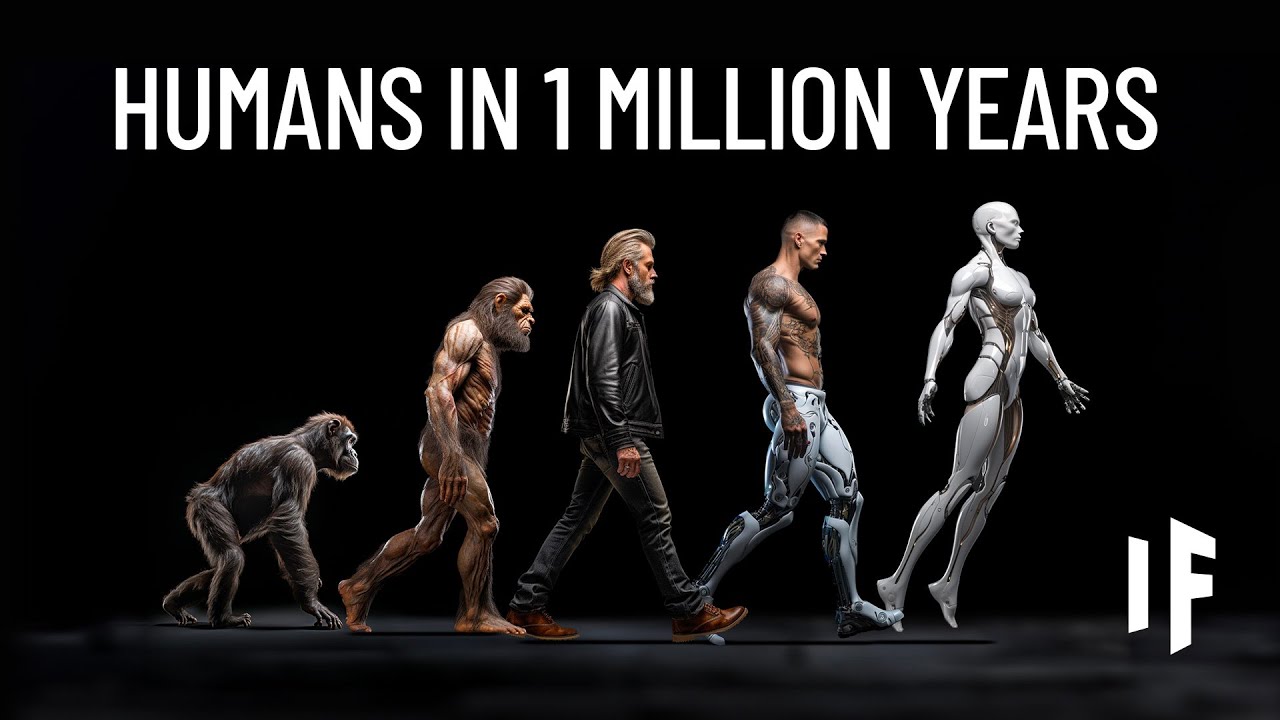
Imagine living for 20,000 years - a prospect that's no longer confined to science fiction. Recent breakthroughs in age reversal research are rewriting the rules on human longevity. Scientists have discovered a chemical method to reprogram cells to a more youthful state, potentially paving the way for whole-body rejuvenation. In fact, researchers from Harvard Medical School and MIT have already successfully reversed cellular aging in human skin cells, restoring them to a more youthful state in under a week. As we stand on the cusp of a longevity revolution, the question on everyone's mind is: what's next? Let's explore the future of human longevity and the groundbreaking research that's set to transform our understanding of aging.
The Quest for Eternal Life

You're probably wondering if the fountain of youth is just a myth, but scientists are working hard to make living for thousands of years a reality. Humans currently have a typical lifespan of around 70 years, with some living up to 115 years - think Jeanne Calment, who holds the record for the longest human lifespan at 122 years. But what if you could live for 1,000 years? Or even 20,000 years?
João Pedro de Magalhães, a professor of molecular biogerontology, believes that's possible. He's exploring ways to increase human lifespan through genetic engineering and cellular reprogramming. Imagine being able to repair or replace damaged cells, tissues, and organs, essentially making your body younger and healthier. It's like having a reboot button for your cells!
There's growing evidence that aging is a disease that can be treated, and maybe even reversed. Scientists are already making progress in animal studies, extending the lifespan of worms, flies, and even mice. The next step? Applying these breakthroughs to humans. And according to Magalhães, if we crack the code, humans could potentially live for 1,000 to 20,000 years. That's not just living longer; that's a whole new chapter of life.
- Genetic engineering: editing genes to prevent or reverse age-related diseases
- Cellular reprogramming: reprogramming adult cells to behave like younger cells
- Senolytic therapy: targeting and removing senescent cells that contribute to aging
The possibilities are endless, and the implications are profound. What would you do with centuries of life? Would you travel the world, pursue multiple careers, or spend more time with loved ones? The future of human longevity is being written, and you're part of it.
The Science Behind Extreme Longevity
You've probably heard the term "software problem" thrown around when talking about aging. Basically, scientists like Dr. Aubrey de Grey believe that aging is a process that can be hacked with the right genetic tweaks. It's a bold idea, but one that's gaining traction in the scientific community.
Learning from Nature's Centenarians
Take the bowhead whale, for example. These gentle giants can live for over 200 years, and they've evolved some pretty cool genetic adaptations that help them resist cancer and repair DNA damage. Researchers are studying these long-lived animals to understand how they do it. The naked mole rat is another fascinating example – these rodents can live up to 30 years, which is crazy long for their size.
Cellular reprogramming and DNA repair are two key areas of focus for scientists working on longevity. By reprogramming cells to behave like younger cells, researchers hope to restore tissue health and function. And with advances in gene editing tools like CRISPR, we're getting closer to making this a reality.
- Cellular reprogramming: turning back the clock on cellular aging
- DNA repair: fixing the genetic damage that contributes to aging
- Senolytic therapy: targeting and removing senescent cells that drive aging
These areas are showing promise in animal studies, and human trials are already underway. For example, a recent study published in Nature showed that cellular reprogramming can improve heart function in mice. It's a small step, but it's a start. As our understanding of the science grows, so do the possibilities for human longevity.
Overcoming Current Limitations
So, you've seen how we're living longer, but let's be real, it's not enough. Current medical tech can add maybe 10-20 years to your life, tops. Think about it, even with all our advances, the human body's still got a use-by date. But here's the thing: scientists are working on changing that. Researchers like Dr. David Sinclair are exploring ways to repair and reprogram cells to achieve extreme longevity.
The big challenge is tackling aging at the cellular level. You see, as we age, our cells start to malfunction, leading to diseases like cancer, Alzheimer's, and heart disease. But what if we could fix that? That's where therapies like senolytics come in – they're designed to target and remove senescent cells that contribute to aging. Companies like Unity Biotechnology are already testing these therapies in clinical trials.
Cellular Reprogramming: The Future of Regeneration?
Another promising area is cellular reprogramming. This involves reprogramming adult cells into younger, more energetic cells. Think of it like rebooting your phone, but for your body. Researchers like Dr. Aubrey de Grey are working on ways to use this tech to regenerate tissues and organs, potentially reversing age-related damage.
- Senolytic therapies to remove senescent cells
- Cellular reprogramming to rejuvenate tissues
- Stem cell therapies to repair damaged organs
These technologies are still in their infancy, but the potential is huge. Imagine being able to regenerate a failing heart or repair damaged neurons. It's not sci-fi; it's the future of medicine.
Dive deeper: [What are senolytic therapies and how do they work?]((link unavailable)) [How does cellular reprogramming contribute to longevity?]((link unavailable)) [What are the challenges in developing anti-aging treatments?]((link unavailable))
Potential Benefits of Extended Lifespan

Imagine having centuries to master multiple fields, to learn from failures, and to make meaningful contributions. You're not just talking about a longer life, but a life of unparalleled depth and breadth. Take someone like Dr. Jane Goodland, the renowned primatologist - she's spent decades studying chimpanzees in Tanzania. With an extended lifespan, she could've spent 200 years exploring the intricacies of animal behavior, revolutionizing our understanding of conservation and ecology.
Extended lifespans could lead to significant breakthroughs in science, technology, and medicine. Consider the advancements we've seen in the past century - from antibiotics to space exploration. Now imagine accelerating that progress over the next few centuries. You could see pioneers like Stephen Hawking or Elon Musk working tirelessly for hundreds of years, pushing humanity forward in ways we can barely imagine. The likes of CERN's Large Hadron Collider could be commonplace, unlocking secrets of the universe.
Career Freedom
You're no longer bound by the constraints of a single career path. Want to be a doctor, lawyer, artist, and entrepreneur? With centuries to explore, you could master multiple fields, creating innovative intersections like bio-art or space law. The Renaissance would look like a mere spark compared to the explosion of polymathy we'd witness. Think of all the skills you could accumulate - language mastery, musical genius, literary prowess - the possibilities are endless.
- Imagine dedicating centuries to solving climate change or curing diseases
- Pursue passions without the pressure of a ticking clock
- Build lasting legacies that shape human history
The prospect of living 20,000 years isn't just about adding years to life, but life to years. It's about redefining what it means to be human.
Challenges and Concerns
You're probably thinking, "Okay, living 20,000 years sounds amazing, but what's the catch?" Well, there are some significant challenges to consider. For instance, overpopulation and resource depletion become major concerns when people start living for millennia. Imagine the strain on the planet's resources if people like Jeff Bezos, who's already worth over $200 billion, were to live for another 2,000 years. The mind boggles, right?
Restructuring Society
Social and economic structures would need a major overhaul to accommodate a significantly older population. Take Japan, for example, which is already experiencing an aging population crisis. The country's birth rate is declining, and the elderly population is growing rapidly. Now imagine if people were living for thousands of years – the traditional concept of retirement would be laughable. People would need to work for centuries, and the idea of a 9-to-5 job would become obsolete.
Ethical considerations would also come into play, particularly when it comes to access to life-extending technologies. Would these technologies be available to everyone, or just the rich and privileged? Imagine a world where only the elite can afford to live for 20,000 years – it's a recipe for social unrest. The likes of Elon Musk and Bill Gates might be able to afford the latest longevity treatments, while the rest of the population is left to live a mere 80 years or so.
- Governments would need to rethink taxation and social security systems
- Healthcare systems would be stretched to the limit
- The concept of family and relationships would need to be redefined
These are just a few of the challenges and concerns that come with the prospect of living 20,000 years. It's a complex web to untangle, but one thing is certain – the future of human longevity is full of possibilities and pitfalls.
A Future of Possibilities

Imagine living for 20,000 years. It's a mind-bending concept, isn't it? But according to futurists like Ray Kurzweil, advances in medicine and technology could make extreme longevity a reality sooner than we think. We're talking about a future where humans could potentially live for millennia, thanks to breakthroughs in senolytics, stem cell therapy, and artificial intelligence.
Redefining Old Age
This raises some pretty big questions about human identity and purpose. If you're living for 20,000 years, what's the standard retirement age? When do you consider yourself "old"? Take Dr. Aubrey de Grey, a prominent longevity researcher, who's argued that aging is a disease that can be cured. He's proposed that humans could live for 1,000 years or more with the right combination of therapies. That's a whole different ball game, isn't it?
And it's not just about living longer – it's about living healthier. With advances in regenerative medicine, you might be able to regenerate lost limbs or even grow new organs. The implications are staggering, from treating diseases like Parkinson's to potentially even reversing the aging process itself.
- Humans may need to adapt to new social structures and relationships
- Traditional notions of career and education could be upended
- There's potential for unprecedented human achievement and exploration
It's a future that's both exciting and unsettling, and it's not hard to see why. As humans, we're wired to adapt, to evolve, and to push boundaries. So, are you ready to live for 20,000 years?
Shaping the Future of Human Longevity

You're living in a time when the boundaries of human lifespan are being pushed like never before. Scientists are working tirelessly to develop therapies and technologies that could potentially extend your lifespan, and it's happening at a rapid pace. Researchers like Dr. David Sinclair are exploring ways to slow down aging at the cellular level, while companies like Calico (backed by Google) are investigating the biology of aging to develop innovative treatments.
What Can You Do?
It's not just about scientists and researchers; you can contribute to the conversation too. Staying informed about the latest breakthroughs and engaging with the scientific community can make a difference. You can start by following reputable sources like the National Institute on Aging or the Buck Institute for Research on Aging. Who knows, you might just find yourself at the forefront of this longevity revolution.
The future of human longevity is uncertain, but one thing's for sure – it's an exciting and rapidly evolving field. With advancements in gene editing (like CRISPR), regenerative medicine, and senolytic therapy (targeting aging cells), the possibilities are endless. Imagine living 20,000 years – that's not just a sci-fi fantasy anymore.
The question is, are you ready to shape the future of human longevity?









Comments ()