Lab-Grown Meat Safety Concerns Rise
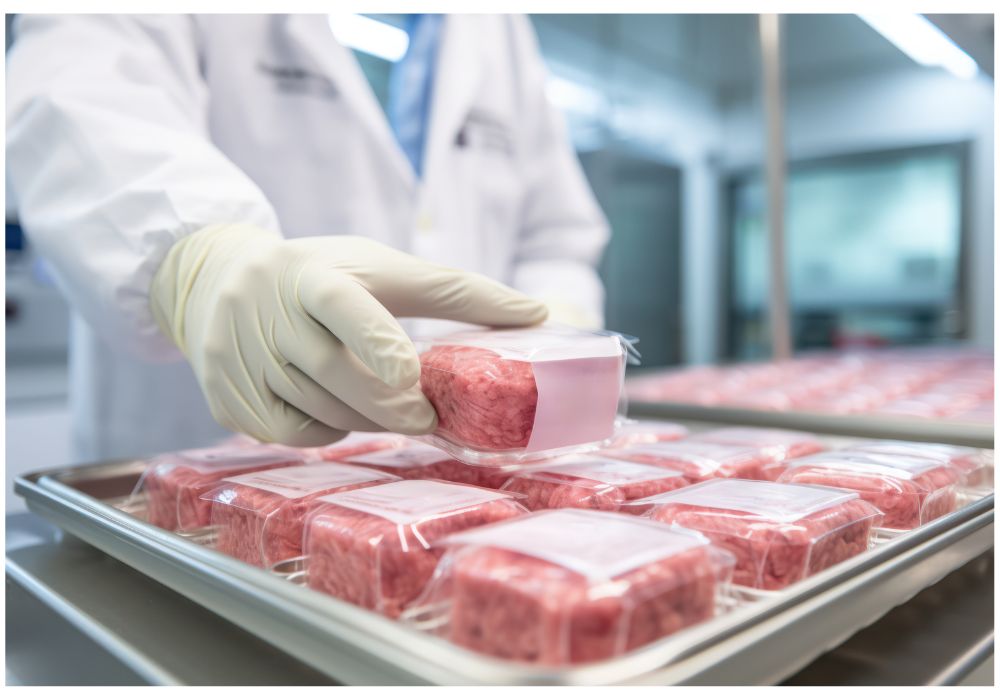
Imagine sinking your teeth into a juicy burger, but instead of coming from a farm, it's been cultivated in a lab. Sounds like sci-fi, right? But lab-grown meat is already on our plates, with companies like Aleph Farms and Mosa Meat making headlines with their cell-cultured products. However, a pressing question remains: is it safe for human consumption? As the industry gears up for global rollout, concerns over the safety and nutritional value of lab-grown meat are mounting. According to a recent study, 61% of consumers are still unsure about the safety of lab-grown meat. With the UK's recent approval of lab-grown meat for sale, it's time to take a closer look at the potential risks and benefits.
The Future of Food or a Recipe for Disaster?

You've probably heard the buzz about lab-grown meat, also known as cultivated meat. It's being touted as a sustainable alternative to traditional meat, and it's easy to see why. With the global population projected to reach 9.7 billion by 2050, the pressure's on to find innovative ways to produce protein. That's where companies like Beyond Meat and Memphis Meats come in – they're working on growing meat in labs, using cells rather than raising animals.
But hold up, there's growing concern over its safety and potential health risks. Several countries, including Italy and Florida, have banned lab-grown meat due to these concerns. In Italy, the ban was justified as a move to protect traditional farming and food culture, while Florida's ban was framed as a measure to safeguard consumer choice and cattle ranching. These moves highlight the regulatory uncertainty surrounding lab-grown meat.
Dr. Marion Nestle, a renowned food policy expert, notes that "the safety of lab-grown meat is still an open question." While some studies suggest it's safe for consumption, there's limited data on its long-term health impacts. The FDA and USDA are still figuring out how to regulate this new food category, and it's clear that more research is needed to ensure public safety.
The Cancer Risk Debate
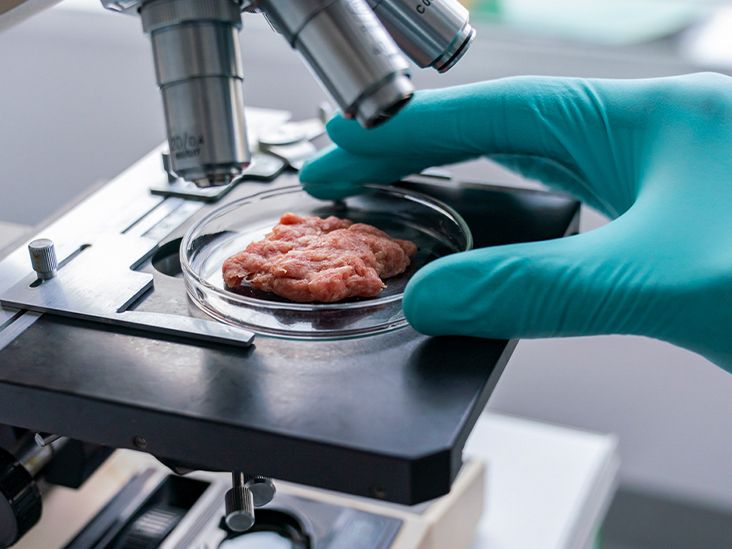
You might've heard that lab-grown meat is the future of food, but there's growing concern about its safety - specifically, the potential cancer risk. Lab-grown meat relies on immortalized cell lines that mimic uncontrolled tumor growth, raising red flags among experts. These cells can be technically pre-cancerous and potentially cancerous, which is enough to make anyone worried.
What Makes These Cells So Risky?
The problem lies in the way these cells are grown. Companies like Memphis Meats and Mosa Meat are using cell lines that can proliferate indefinitely, much like cancer cells. Dr. Michael Levine, a cancer researcher at Princeton University, warns that "these cells can be genetically unstable, which increases the risk of cancer." The FDA has acknowledged these concerns, stating that they'll require rigorous testing to ensure lab-grown meat is safe for consumption.
One example that's often cited is the case of HeLa cells, which are immortalized human cells used in medical research. While they've been instrumental in developing vaccines and cancer treatments, they've also been known to be genetically unstable. "The concern is that these cells could potentially induce cancer in consumers," says Dr. David Waller, a food safety expert.
- Immortalized cell lines can be prone to genetic mutations
- Some cell lines have been linked to cancer in animal studies
- The long-term effects of consuming these cells are still unknown
The industry argues that their processes are safe, and that the cells are harvested before they become cancerous. But with the science still evolving, it's hard to shake off the concerns. As you weigh the pros and cons of lab-grown meat, it's worth considering the potential risks and asking questions about the safety of these products.
Regulatory Failures and Hidden Ingredients
You might've heard about the FDA's approval process for lab-grown meat, but here's the thing: it's been criticized for being inadequate. Take the case of Memphis Meats, which got the green light for its lab-grown chicken in 2020. The problem is, the FDA's review process is largely based on self-reported data from companies, which raises some serious concerns.
One of the biggest issues is transparency - or the lack of it. Companies aren't required to disclose genetically modified inputs, antibiotics, and growth factors used in the production process. For instance, fetal bovine serum (FBS) is a common growth medium used in lab-grown meat production, which comes from cow fetuses. Yeah, it's a bit unsettling when you think about it. And if you're wondering what's in that lab-grown burger you're eating, you're not alone - the public has a right to know.
The Bigger Picture
The lack of transparency and inadequate regulations have significant implications for public health. Without proper oversight, potential toxins and health risks could slip through the cracks. For example, the use of antibiotics in lab-grown meat production could contribute to antibiotic resistance, making it harder to treat human infections. And let's not forget about the potential environmental impacts - we're talking about massive bioreactors that require significant energy and resources to operate.
- Genetically modified inputs can include things like gene-edited yeast or bacteria
- Antibiotics are used to prevent contamination in lab-grown meat production
- Growth factors like insulin-like growth factor-1 (IGF-1) are used to promote cell growth
The bottom line is that we need stricter regulations and more transparency in the lab-grown meat industry. It's time to lift the lid on what's really in our food.
Public Perception and Resistance
You've probably heard the stats - a survey in Austria found 72% of respondents concerned about lab-grown meat's health risks. That's a big deal. And it's not just numbers; people are genuinely worried about what's going into their bodies. 82% supported a ban on the technology, citing potential health risks. This isn't just about being skeptical; it's about being cautious.
Take the Austrian survey, for example. It highlights a growing trend of people questioning synthetic foods' safety and long-term implications. You're right to wonder - what's the impact of eating meat grown in a lab? The lack of long-term studies isn't helping. Countries like Italy have already banned lab-grown meat, citing health concerns.
Factors Driving Skepticism
The skepticism isn't coming out of nowhere. High-profile cases, like the 2019 recall of lab-grown meat products in Singapore due to contamination concerns, haven't helped. You're seeing a domino effect - one incident can change public perception overnight. And let's be real, 'synthetic' and 'lab-grown' aren't exactly selling points for most people.
- Growing concerns about ultra-processed foods
- Media coverage of lab-grown meat controversies
- Lack of clear labeling regulations
The bottom line? Public perception is shifting, and regulators are taking notice. As more countries consider bans or stricter regulations, the lab-grown meat industry faces a major hurdle. Can they overcome the trust deficit? Only time will tell.
The Impact on Traditional Farming
You might've heard about the buzz around lab-grown meat, and how it's shaking things up for traditional farmers. Italy's taking a strong stance, actually – they've banned lab-grown meat altogether, citing the need to protect their culinary heritage. It's a move that's resonating with many farmers and food enthusiasts who fear the impact on local agriculture and age-old practices.
The Numbers Are Staggering
India's meat market, for instance, is worth over ₹3 lakh crore, with traditional farming practices employing millions. But with lab-grown meat gaining traction, there's concern about the future of these livelihoods. Countries like Italy aren't taking this lightly – they're pushing for protected geographical indication (PGI) status for their traditional products, like prosciutto and Parmigiano cheese, to safeguard their unique food culture.
The tension between innovation and tradition is palpable. While lab-grown meat promises sustainability and reduced environmental impact, it's hard for traditional farmers to compete with the scale and efficiency of these new technologies. Take the poultry industry, for example – it's one of the largest in India, with brands like Venky's and Godrej Agrovet dominating the market. But what about the small-scale farmers who've been doing this for generations?
- Italy bans lab-grown meat to protect culinary heritage
- India's meat market worth over ₹3 lakh crore
- Traditional farmers fear impact on livelihoods
- PGI status sought for traditional products
The debate's just heating up, and it's clear that finding a balance between progress and preservation will be key. As lab-grown meat continues to gain traction, one thing's for sure – the future of food is gonna be interesting.
Moving Forward with Caution

As lab-grown meat continues to make its way onto our plates, it's crucial that we prioritize consumer safety. Companies like Upside Foods and Aleph Farms are pushing the boundaries of food tech, but with innovation comes responsibility. You're right to wonder: are we moving too fast?
More research and transparency are needed to address health concerns. For instance, the FDA has approved lab-grown meat for human consumption, but some experts argue that long-term effects are still unknown. Dr. Marion Nestle, a renowned food policy expert, emphasizes the need for rigorous testing and labeling. You deserve to know what's in your food.
The Regulatory Tightrope
Regulators must balance innovation with protecting public health and traditional food systems. It's a delicate dance. The USDA and FDA are working together to establish guidelines, but some argue that more oversight is needed. You can bet that consumer advocacy groups will be keeping a close eye on this space.
- Clear labeling and transparency will be key to gaining consumer trust
- Long-term health studies are necessary to alleviate concerns
- Regulators must stay ahead of the curve without stifling innovation
The future of food is being rewritten, and you're part of the conversation. As we move forward, let's prioritize a food system that's both innovative and safe. As chef and food activist Alice Waters puts it, "The future of food is about more than just technology – it's about community, sustainability, and flavor."










Comments ()