Italy Tour Precautions to Ensure a Safe Journey
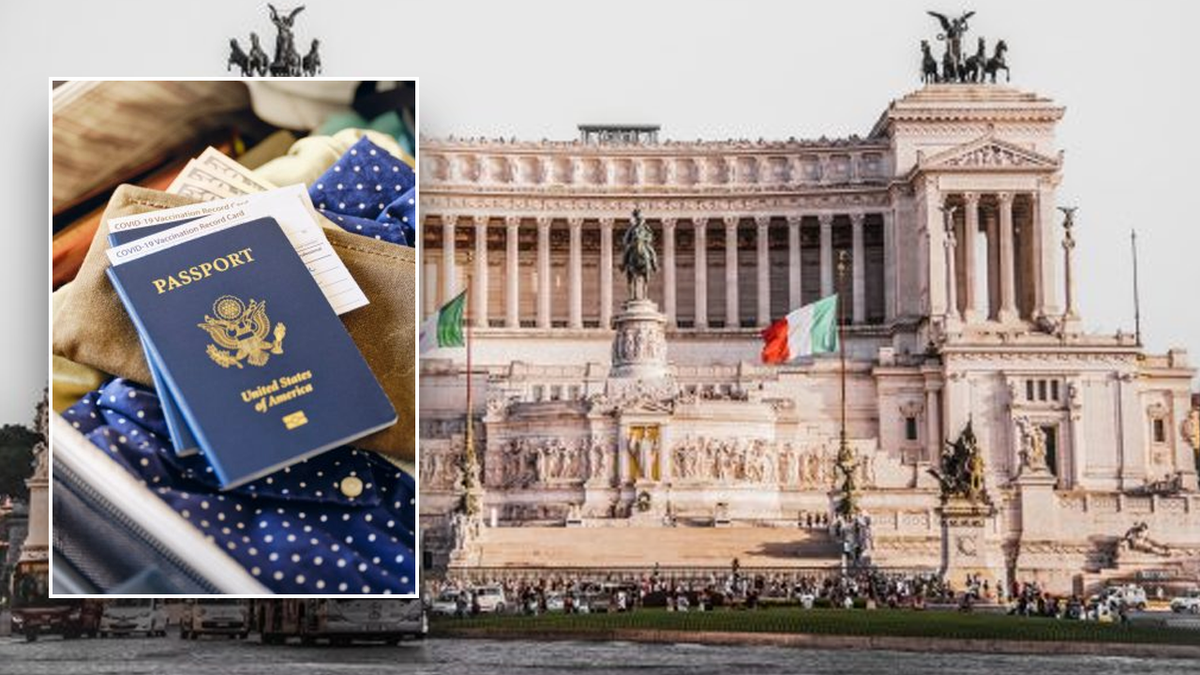
Imagine strolling through Rome's ancient streets, indulging in Florence's art, or cruising Venice's canals, but suddenly, you're faced with a pickpocket or a scam. Italy's rich history and culture attract millions, but petty crimes are on the rise, especially in tourist hotspots. In fact, Italy ranks 33 out of 163 countries for safety, with pickpocketing and bag-snatching common in major cities. With 60 million visitors annually, staying safe is crucial. Let's dive into essential precautions to ensure your Italian adventure is unforgettable for all the right reasons, starting with understanding Italy's safety landscape.
The Hidden Dangers of the Italian Streets

You're strolling through the historic streets of Rome, taking in the ancient architecture and delicious aromas wafting from a nearby trattoria. But amidst the excitement, there's a nagging concern: safety. Italy's beautiful cities can be breeding grounds for petty crimes, especially in crowded tourist areas like Rome's Colosseum or Florence's Uffizi Gallery. According to the Italian Ministry of Interior, pickpocketing cases have increased by 15% in tourist hotspots over the past year alone.
Pickpocketing is a serious issue, and it's often the most common crime targeting tourists. These skilled thieves often operate in crowded areas, using distraction techniques to swipe valuables right from under your nose. You're more vulnerable than you think, especially in areas with large crowds. For instance, at the Colosseum, there were over 500 reported pickpocketing cases last year, with losses averaging ₹15,000 per incident.
So, what can you do to protect yourself? For starters, be mindful of your belongings, especially in crowded areas. Avoid carrying large amounts of cash and opt for credit cards or traveler's checks instead. Keeping your valuables secure is key – consider using a money belt or a secure bag. By taking these simple precautions, you can significantly reduce the risk of falling victim to these crimes and enjoy your Italian adventure worry-free.
Staying Vigilant
Your safety is a top priority, and being aware of your surroundings is crucial. Keep an eye on your belongings, especially in areas with large crowds or distractions. By being proactive, you'll be able to relax and soak in the beauty of Italy without any hiccups.
Protecting Your Health and Well-being
You're exploring Italy, soaking up the rich history, and indulging in delicious pasta dishes. But amidst all the excitement, don't forget to take care of yourself! Italy's Mediterranean sun can be harsh, especially during peak tourist season (June to August). Drink plenty of water - aim for at least 2 liters a day - and pack a broad-spectrum sunscreen with a high SPF (like SPF 50+). I know it's tempting to rely on cafes for drinks, but water bottles are your best friend here.
Food for Thought
Italian cuisine is a major highlight, but food and water safety should be on your radar. Be cautious with tap water; it's generally safe in big cities like Rome and Florence, but stick to bottled water if you're unsure. When eating out, choose popular restaurants (like places serving authentic Carbonara in Rome) to minimize stomach risks. Fresh fruits, veggies, and undercooked meats can be culprits, so enjoy that pizza, but maybe skip the unpeeled fruits from street vendors.
A little precaution goes a long way. Consider this: a traveler in Tuscany once ended up in a Florence hospital due to food poisoning - not exactly the Italian dream, right? Travel insurance that covers medical emergencies can save you from hefty bills. Companies like Allianz and AXA offer decent plans. Make sure yours covers COVID-19 and any adventure activities you plan (like Vespa rides or hiking in Cinque Terre).
- Pack a basic medical kit with essentials like pain relievers, band-aids, and digestive aids.
- Know Italy's healthcare system: pharmacies (farmacie) are widespread, and doctors often speak English in tourist areas.
- Keep emergency numbers handy: 112 is the general emergency number in Italy.
Health-wise, you're covered. Now go enjoy that gelato!
Navigating Italy's Complex Transportation
Getting around Italy can be a bit of an adventure, but with some prep, you'll be navigating like a local in no time. Research transportation options in advance, especially train schedules. Italy's train network is extensive, and companies like Trenitalia and Italo offer frequent departures. Booking ahead can save you money - Trenitalia's Mini tickets, for example, are cheapest when booked months in advance.
Taxi Scams: Watch Out!
Taxi scams are pretty common, especially at airports and tourist hotspots. In Rome, there have been reports of drivers claiming the meter is broken and demanding a fixed price. Stick to official taxis with a visible meter, or agree on a price beforehand. At Rome's Leonardo da Vinci–Fiumicino Airport, there's a fixed fare to the city center (€48), so don't let anyone rip you off.
For convenient travel, consider city passes like the Roma Pass or Firenze Card. The Roma Pass (€28.50 for 3 days) gives you free entry to some attractions and public transport, plus skip-the-line perks. The Firenze Card (€72 for 3 days) is similar and covers major Florence museums. These can save you time and stress, letting you focus on the gelato and pizza.
- Validate your train ticket before boarding - fines can be steep!
- Use official ticketing apps like Trenitalia or Citymapper for up-to-date schedules.
- If you're renting a car, be prepared for ZTL (limited traffic zone) restrictions in city centers.
With a bit of know-how, Italy's transport system will take you wherever you want to go - scenic countryside villages, ancient ruins, or that perfect trattoria.
Respecting Local Customs and Laws

When you're exploring Italy's rich history and culture, you're gonna want to blend in – not stand out as a clobbering tourist, right? Dressing modestly is key, especially when visiting churches or cathedrals like St. Peter's Basilica in Vatican City. Cover up those shoulders and knees, or you might find yourself being politely asked to cover up with a scarf or shawl.
Eating and Drinking Etiquette
Avoid eating or drinking in certain areas, like near historic monuments such as the Trevi Fountain or the Colosseum. You'll see plenty of locals snacking on gelato or sipping coffee at charming cafes, but there's an unspoken rule to be discreet near iconic landmarks. In Rome, it's considered respectful to grab a bite at a local trattoria and enjoy your meal in a designated area.
When attending festivals like Carnevale di Venezia or Ferragosto, be prepared to immerse yourself in local traditions and customs. For instance, during the Venice Carnival, masks are a big deal – some masks are handmade works of art! Join in the festivities with respect, and don't be afraid to ask locals for guidance on what's acceptable.
- Learn a few basic Italian phrases like "grazie" (thank you) and "per favore" (please)
- Respect local dress codes, especially in conservative areas like Sicily
- Be mindful of noise levels, particularly at night
By being respectful and considerate, you'll have a more authentic Italian experience and maybe even score some insider tips from the locals!
Staying Connected and Informed
When you're traveling in Italy, staying connected can be a lifesaver. Purchase a local SIM card or portable Wi-Fi hotspot as soon as you land. TIM, Vodafone, and Wind Tre are popular options with decent coverage across the country. A SIM card will cost you around €10-20, and data plans start from €5-10 per day. You'll be able to navigate Google Maps, check train schedules, and stay in touch with family back home.
Register with Your Embassy
Registering with your embassy or consulate is a smart move. The Indian Embassy in Rome (Via XX Settembre, 5, 00187 RM) and the Consulate General of India in Milan (Via Antonio Nori, 5, 20146 MI) can help in case of emergencies. You'll receive important safety updates, and they'll know you're in Italy if there's a crisis. It's a simple process, and it could give you peace of mind.
Staying informed about local news and events is also crucial. Check apps like Eventi Roma or Milano Eventi to know what's happening around you. News outlets like The Local Italy and Italy Today provide updates in English. Be aware of strikes, protests, or festivals that might disrupt your plans. For instance, the Venice Carnival in February is a great experience, but it attracts huge crowds. Plan ahead, and you'll be able to enjoy Italy without a hitch.
- Download apps like WhatsApp and Google Translate to stay connected and navigate language barriers
- Keep a list of emergency contacts, including your embassy and local authorities (112 for emergencies)
- Consider investing in travel insurance that covers medical and travel-related issues
Preparing for Emergencies
Emergencies can be super stressful, especially in a foreign country. Let's say you're exploring Rome and your phone gets stolen – nightmare, right? Having a plan in place can make all the difference. Start by making digital copies of your important documents, like your passport and insurance cards. Store them in a secure cloud storage service like Google Drive or Dropbox, so you can access them from anywhere.
Share Your Itinerary
Leave a copy of your itinerary with a friend or family member back home. This way, if something happens and you can't be reached, they'll know where you were supposed to be and can take action. For example, if you're planning to hike in the Cinque Terre and don't check in, your family can alert the local authorities. The US Embassy in Rome is at Via Vittorio Veneto, 121, 00187 RM – make a note of it!
Know the emergency contact numbers, too. In Italy, the local police number is 112 or 113, and for medical emergencies, it's 118. The US Embassy's number is +39 06 46741. Keep these numbers handy, either saved in your phone or written down in a secure place.
- Digital copies of important documents (passport, insurance cards)
- Itinerary shared with a friend or family member
- Emergency contact numbers (local police, embassy, medical services)
These simple steps can save you a lot of trouble. If you're ever in a pinch, don't hesitate to reach out to the local authorities or your embassy. They're there to help, and speaking some basic Italian can go a long way – grazie mille!
Taking Precautions Against Petty Crime
You're strolling through the bustling streets of Rome, taking in the ancient architecture, and enjoying a gelato or two. But amidst the excitement, you're also a target for pickpockets and scammers. I've got some practical tips to help you stay safe.
Stay Alert in Crowded Areas
Crowded areas like train stations, tourist hotspots, and popular squares are hotspots for petty crime. Be extra cautious in places like Piazza del Duomo in Florence or the Colosseum in Rome. Keep your wits about you, and you'll be fine. For instance, in 2022, there were over 1,500 reported cases of pickpocketing in Rome's metro system alone!
Keep Your Valuables Secure
Avoid flunting your wealth, guys. Don't go around showing off expensive jewelry or watches. It's like asking for trouble. Instead, keep your belongings secure and consider using a hotel safe. I mean, why risk losing your priceless grandma's necklace in the canals of Venice? Keep your phone and wallet in front of you, and use a money belt if needed.
- Use a secure bag or backpack with zippers and keep it in front of you
- Be wary of distractions, like someone spilling a drink on you
- Keep your hotel room locked and use the hotel safe for valuables
By being mindful of your surroundings and taking a few simple precautions, you'll be enjoying la dolce vita in no time. And if you're traveling with family, like the Smiths from New York, you'll have peace of mind knowing everyone's belongings are safe. Now, go explore Italy like a pro!
Planning for a Smooth Return
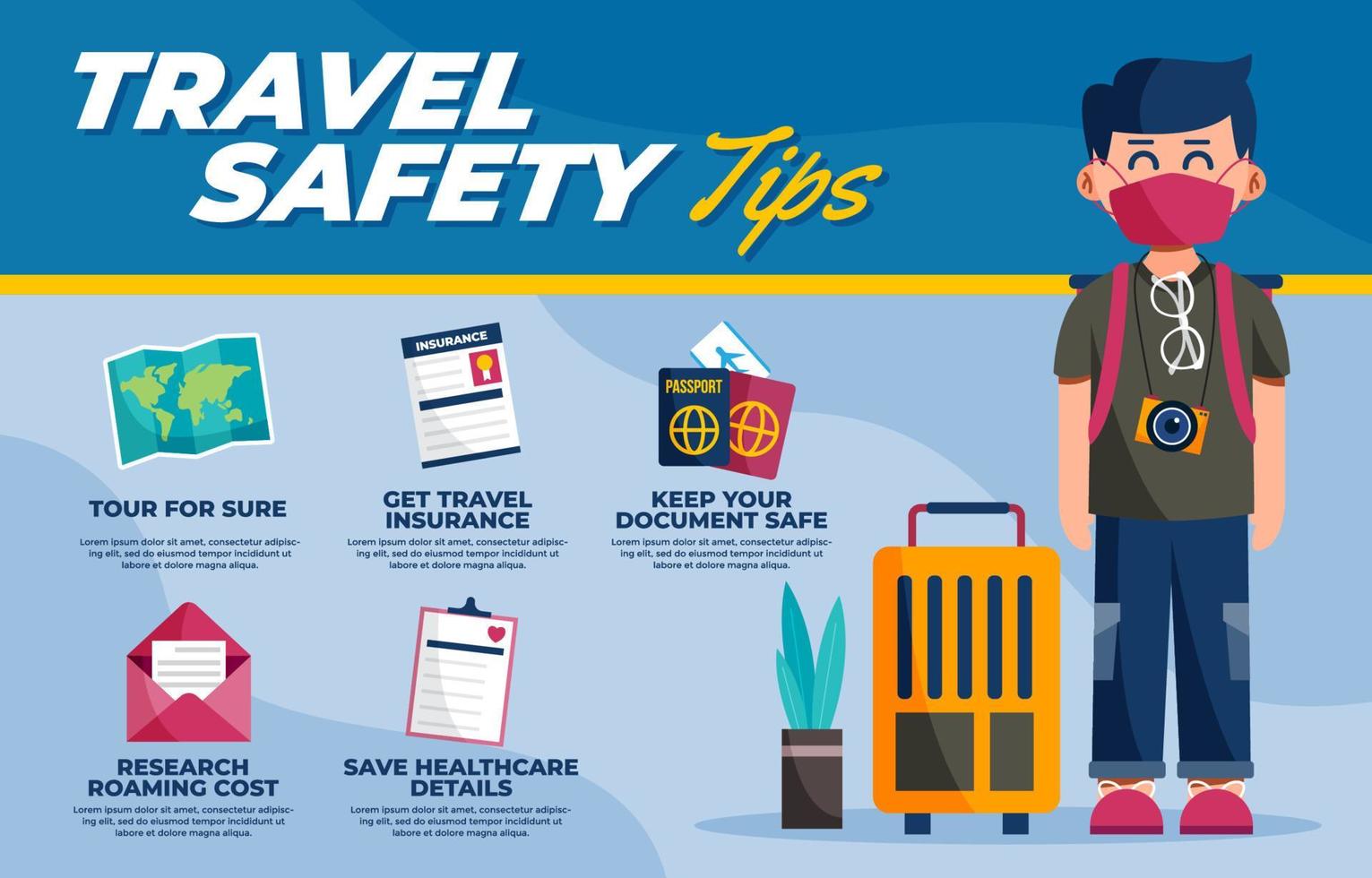
You're almost at the end of your Italy trip, but there's one more thing to take care of – getting back home safely. Research any travel restrictions or requirements, like COVID-19 testing, so you're not caught off guard. For example, as of now, Italy requires a negative COVID-19 test result for travelers heading to the US, but rules can change fast, so check the official government websites, like the Italian Ministry of Health or the US Department of State, a few days before your trip.
Getting Home in Style
Plan for airport transportation and accommodations upon arrival. Book a reliable airport transfer or shuttle service, like Roma Pass or Trenitalia, to make your journey smoother. If you're super tired, consider booking a hotel near the airport for the night.
Stuff happens, and that's where travel insurance comes in – consider purchasing a policy that covers trip cancellations or interruptions. Companies like Allianz or AXA offer decent plans. If your flight's delayed or cancelled, you'll be covered.
Here are some last-minute tips:
- Check the weather forecast for your return destination and pack accordingly
- Exchange any leftover euros for your local currency or use a travel card
- Download airport apps, like FlightAware, to stay updated on flight status
There you have it – a smooth return is all about being prepared. Now, go enjoy that post-trip gelato (you deserve it!) and safe travels home!



.jpg)







Comments ()