High Protein Foods Fuel Your Best Performance
Are you tired of hitting a wall mid-workout or struggling to recover after a intense session? You're not alone! With the rising demands of modern life, it's no wonder protein has become the talk of the town - and for good reason. Did you know that a recent study found Indians have one of the lowest protein intakes in Asia, with the average adult consuming only about 0.6 grams per kg of body weight, way below the recommended 0.8-1 gram? As we strive to push our limits, it's time to fuel our bodies with the right stuff. Let's dive into the world of high protein foods that can take your performance to the next level.
The Protein Power Dilemma
You're trying to stay on top of your game, whether that's at the gym, in the office, or chasing after your kids. But are you fueling your body with the right stuff? Protein is the real MVP when it comes to muscle growth and repair. According to the National Institute of Nutrition, we need about 0.8-1 gram of protein per kg of body weight daily, but most of us are falling short.
Think about it: you're probably grabbing the usual suspects - dal, paneer, eggs - but are they enough? The thing is, common protein sources often fall short on quality and quantity. A study by the Indian Journal of Medical Research found that the average Indian diet is woefully inadequate in protein, leading to deficiencies that can impact everything from energy levels to muscle mass.
The Consequences Add Up
Missing your protein targets can lead to some not-so-fun outcomes. You're looking at muscle loss, fatigue, and even compromised immune function. Not exactly what you want when you're trying to crush your goals. For example, a 2018 study published in the Journal of the International Society of Sports Nutrition highlighted that athletes and fitness enthusiasts often require more protein than the standard recommendation - sometimes up to 1.6-2.2 grams per kg of body weight.
So, what's the plan? You need high-quality protein sources that pack a punch. Think lean meats, fish, eggs, dairy, legumes, and plant-based powerhouses like quinoa and chia seeds. The key is to mix and match to hit your targets.
Animal-Based Protein Champions
You know how they say, "You are what you eat?" Well, when it comes to protein, animal-based sources are like the MVPs of the nutrition game. Lean meats like chicken breast and turkey are total protein powerhouses - a 100-gram serving of chicken breast packs a whopping 31 grams of protein! That's like fuel for your muscles, helping you crush your workouts and recover like a pro.
The Omega-3 Advantage
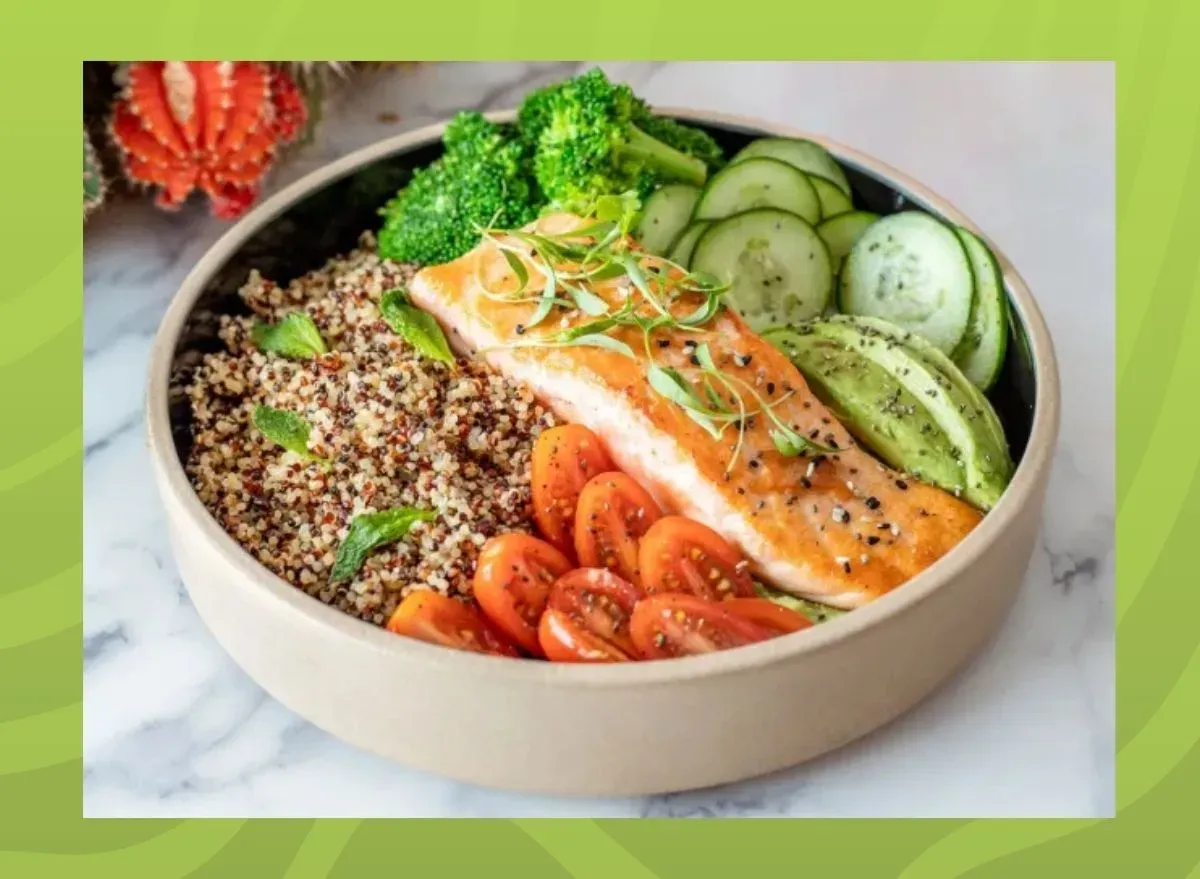
Fish and seafood aren't just delicious; they're also packed with protein and omega-3 fatty acids. Take salmon, for example - a 100-gram serving has about 20 grams of protein and a hefty dose of those healthy fats. Omega-3s are known for their anti-inflammatory benefits, which can help you feel more agile and focused. Other seafood options like shrimp, tuna, and sardines are also great protein sources - mix it up and keep your meals interesting!
Eggs are another animal-based protein champion worth talking about. They're like nature's protein supplement - one large egg has about 6-7 grams of protein, plus essential vitamins and minerals like vitamin D and choline. Whether you scramble 'em, poach 'em, or make an omelette, eggs are an easy and versatile way to boost your protein intake.
Looking at pro athletes, like sprinters or rugby players, their diets often include a mix of these animal-based proteins to support muscle growth and recovery. The key is finding what works best for you and balancing it with your overall diet. Need ideas on how to mix these protein sources into your meals? 🤔
Plant Powerhouses for Protein
If you're looking to mix things up with your protein sources, plants are where it's at. Legumes like lentils and chickpeas are protein-rich powerhouses - just one cup of cooked lentils packs a whiffing 18 grams of protein! You can toss them in soups, stews, or salads for an instant protein boost. Chickpeas are super versatile too - think hummus, falafel, or even roasted as a crunchy snack.
Then there's tofu and tempeh - these soy-based goodies are staples in plant-based diets. Tofu's like a blank canvas; it absorbs flavours beautifully and works in everything from stir-fries to smoothies. Tempeh's got a nuttier vibe and a nice chunky texture, perfect for sandwiches or crumbled into pasta sauces. Both pack a decent protein punch, around 20 grams per 100 grams serving.
Nuts and seeds are another sneaky way to up your protein intake. Almonds give you about 6 grams of protein per ounce, and chia seeds aren't far behind with 5 grams. Sprinkle them on oatmeal, blend into smoothies, or just snack on them raw. Quinoa's another overachiever - it's one of the few plant foods that's a complete protein, meaning it has all nine essential amino acids your body needs.
Real-World Example
Check out what happened with Rohit, a 30-year-old runner from Bangalore. He switched to a plant-based diet focusing on these protein powerhouses and saw his recovery times improve dramatically. "Adding lentils and tofu to my meals was a game-changer," he says. "I felt lighter, faster, and my energy levels were through the roof!"
- Lentils: 18g protein per cup (cooked)
- Chickpeas: 15g protein per cup (cooked)
- Tofu: 20g protein per 100g serving
- Almonds: 6g protein per ounce
- Chia seeds: 5g protein per ounce
Dairy and Protein Supplements

When it comes to fueling your best performance, dairy products like Greek yogurt and cottage cheese are absolute powerhouses. One cup of Greek yogurt packs around 20 grams of protein, while cottage cheese delivers a whopping 28 grams per cup. These numbers are hard to ignore, especially when you're looking to support muscle recovery and growth.
Protein Supplements: When You Need a Boost
There's a time and place for protein supplements, especially if you're an athlete or highly active. Whey protein shakes are a popular choice post-workout, and for good reason. They're fast-digesting, meaning they hit your muscles quickly, which is exactly what you need after a tough session. Brands like Optimum Nutrition and Myprotein offer high-quality options.
Casein protein, on the other hand, is a slow-digesting protein that's perfect for before bed. It provides a sustained release of amino acids, helping your muscles recover while you sleep. Think of it as a slow-burning fuel that keeps you going even when you're not actively eating.
- Greek yogurt: 20g protein per cup
- Cottage cheese: 28g protein per cup
- Whey protein: Fast-digesting, ideal post-workout
- Casein protein: Slow-digesting, perfect before bed
Let's put this into perspective: a study by the International Society of Sports Nutrition found that consuming protein supplements like whey and casein can significantly improve muscle recovery and growth, especially when combined with resistance training. So, if you're serious about performance, incorporating these into your routine can make a real difference.
Protein Needs Across Life Stages
You're not just eating for one – your protein needs change across different life stages. Athletes, for instance, require more protein for muscle recovery. Studies show that endurance athletes need about 1.2-1.6 grams of protein per kilogram of body weight daily, while strength athletes need around 1.6-2.2 grams per kilogram. That's roughly 84-154 grams of protein per day for a 70kg athlete.
Staying Strong as You Age
Older adults also have unique protein needs. As you age, your body becomes less efficient at using protein to build and repair muscle tissue. Research suggests that older adults aim for 1-1.2 grams of protein per kilogram of body weight daily – that's about 70-84 grams for a 70kg adult. A study by Dr. Stuart Phillips found that consuming 25-30 grams of protein per meal can help support muscle preservation and even growth in older adults.
Pregnant women, on the other hand, have increased protein demands to support fetal growth and development. The recommended daily intake is around 1.1-1.2 grams of protein per kilogram of body weight – roughly 71-78 grams for a 55kg pregnant woman. Good news is, you're probably already getting enough protein if you're eating a balanced diet with lean meats, fish, eggs, and dairy.
- Athletes: 1.2-2.2 grams/kg body weight (muscle recovery)
- Older adults: 1-1.2 grams/kg body weight (muscle preservation)
- Pregnant women: 1.1-1.2 grams/kg body weight (fetal growth)
Your body's protein needs are unique, and meeting them can make all the difference in how you feel and perform. Whether you're crushing a workout, aging like a boss, or growing a tiny human, protein is key.
Optimizing Protein Intake
You know how they say timing is everything? Well, it applies to protein intake too. Spreading your protein intake throughout the day can help keep your muscles fueled and ready for action. Instead of having 60 grams of protein in one meal, try breaking it down into 20-30 grams per meal. This approach can help you stay in a positive nitrogen balance, which is just a fancy way of saying your muscles are getting the building blocks they need to grow and repair.
Plant Power: Combining for Complete Amino Acids
If you're a vegan or vegetarian, don't worry – you can still get all the essential amino acids your body needs. The trick is to combine different plant-based protein sources. For example, pairing rice (which is low in lysine) with lentils (which is low in methionine) gives you a complete protein profile. Other great combos include hummus (chickpeas + tahini) and whole wheat pita, or black beans and corn tortillas. It's all about mixing and matching to get the full spectrum of amino acids.
When it comes to workouts, timing your protein consumption can make a big difference. Consuming 20-30 grams of protein within 30-60 minutes after exercise can help with muscle recovery and growth. This is especially true after intense or endurance training, where your muscles are crying out for repair. Chocolate milk, anyone? It's a classic post-workout snack that's packed with protein and carbs.
- Pre-workout snack: Greek yogurt with berries and nuts (30-60 minutes before)
- Post-workout snack: Protein shake with banana and almond milk (within 30-60 minutes after)
- Recovery meal: Grilled chicken with quinoa and veggies (1-2 hours after)
Bottom line: be mindful of when and how you consume protein, and you'll be well on your way to fueling your best performance.
Next-Level Protein Strategies
You're serious about crushing your fitness goals, and your protein intake is no exception. Now that you've got the basics down, it's time to level up. Experimenting with protein-rich recipes is a game-changer – think grilled chicken breast with quinoa and veggies, or a post-workout smoothie with whey protein and banana.
Tailor Your Protein to Your Goals
Your protein needs depend on your specific objectives. If you're gunning for muscle gain, you're looking at around 1.6-2.2 grams per kg of body weight daily, like powerlifter and nutrition expert, Layne Norton, recommends. For maintenance, 0.8-1 gram per kg is a good benchmark.
Tracking your intake is key to hitting those targets. Apps like MyFitnessPal make it easy to log your macros and ensure you're fueling your body right. You're not just building muscle; you're building a lifestyle.
- Incorporate plant-based proteins like lentils, chickpeas, and tofu for variety and added fiber.
- Time your protein intake around workouts – 20-30 grams post-workout is ideal for recovery.
- Don't forget about casein protein before bed; it's slow-releasing and supports muscle repair overnight.
The takeaway? Protein is personal. Find what works for you, stick to it, and watch your performance soar. As Arnold Schwarzenegger said, "The pump is the best feeling you can get in the gym." Fuel it right, and get pumped!






Comments ()