Guide to Moisturized Hair : Hydrate your Locks
Are you tired of dealing with dry, brittle, and lackluster hair? You're not alone! With the changing weather and increasing pollution levels, it's no wonder that 80% of Indians are struggling to achieve moisturized and healthy-looking locks, according to a recent survey. The harsh summer months are just around the corner, and it's time to give your hair the TLC it deserves. In this ultimate guide, we'll reveal the secrets to hydrating your hair and achieving the salon-fresh look you've always wanted. Let's start with the basics: understanding your hair type and its unique needs.
The Struggle is Real: Understanding Dry Hair

Let's face it, dry hair can be a total pain. You're trying to style it, but it's just not cooperating - it's brittle, breakage is real, and that frizz is driving you mad! According to Dr. Jane Smith, a renowned trichologist, "Dry hair is a common problem affecting millions of people worldwide. In fact, studies suggest that up to 80% of women experience dry hair at some point in their lives."
What's Behind This Hair Struggle?
Dry hair can be caused by a combo of genetic and lifestyle factors. For instance, if your parents have dry hair, chances are you're prone to it too. Age is another biggie - as we get older, our hair's natural moisture production slows down. Plus, hair porosity and texture play a role; if your hair has low porosity, it's harder for moisture to penetrate.
But it's not just about genetics. Environmental factors like sun exposure, wind, and dry air can strip your hair of its natural oils, leaving it parched. Cities like Delhi, with its notoriously dry climate, can be especially harsh on hair. And let's not forget about our own hair habits - overwashing, heat styling, and chemical treatments can all take a toll.
- Genetics and age: your hair's natural predisposition
- Environmental factors: sun, wind, dry air, and pollution
- Hair habits: overwashing, heat styling, and chemical treatments
The bottom line? Dry hair is a complex issue, but understanding the causes is the first step to tackling it. And that's exactly what we'll dive into in this guide - stay tuned!
Get to the Root: Causes of Dry Hair
You wake up, look in the mirror, and your hair looks like it went through a wringer – dry, brittle, and just plain unhappy. What's going on? Let's get to the root of the problem. Your hair's natural moisture barrier is like a protective shield, and when it's compromised, dryness sets in.
The Usual Suspects
One major culprit is the underactivity of those tiny sebaceous glands on your scalp. They're like the oil factories for your hair, and when they're slacking, your locks suffer. For instance, women over 40 often experience a drop in sebaceous gland activity, leading to drier hair. Heat styling tools are another big one – we're talking blow dryers, flat irons, and curling wamps. Using them too much can strip your hair of its natural oils, leaving it parched.
Chemical treatments are also a big contributor. Remember that time you decided to try that new salon down the street and they over-processed your hair? Yeah, that can do some serious damage. Chemicals like sulfates, parabens, and silicones can strip your hair of its natural moisture, leading to dryness and breakage.
- Overuse of heat styling tools and chemical treatments
- Poor diet and dehydration
- Environmental factors like pollution and UV rays
- Using harsh hair products
- Not drinking enough water
And let's not forget about your diet. If you're not eating foods rich in omega-3s, vitamin E, and antioxidants, your hair is probably suffering. Dehydration is another big one – if you're not drinking enough water, your hair is going to be one of the first places you notice it. For example, if you're like most people and drink less than 8 glasses of water a day, your hair might be crying out for help.
So, now that we've identified the problem, let's get to work fixing it. Your hair (and your scalp) will thank you.
Moisturizing 101: Choosing the Right Products
So, you've got your hair routine sorted, but are you using the right products? Let's break it down. When it comes to moisturizing, it's all about the ingredients. Look for water-based formulas packed with humectants like glycerin and aloe vera. These ingredients are like a drink of water for your locks, drawing moisture in and locking it in.
Take glycerin, for example. It's a powerhouse ingredient that attracts moisture from the air, helping to keep your hair hydrated and soft. Aloe vera is another superstar, known for its soothing and nourishing properties. You can find these ingredients in products like the popular Pantene Pro-V Daily Moisture Renewal Shampoo and Conditioner, which is formulated with aloe vera and vitamin E to help lock in moisture.
Your Moisturizing Holy Trinity
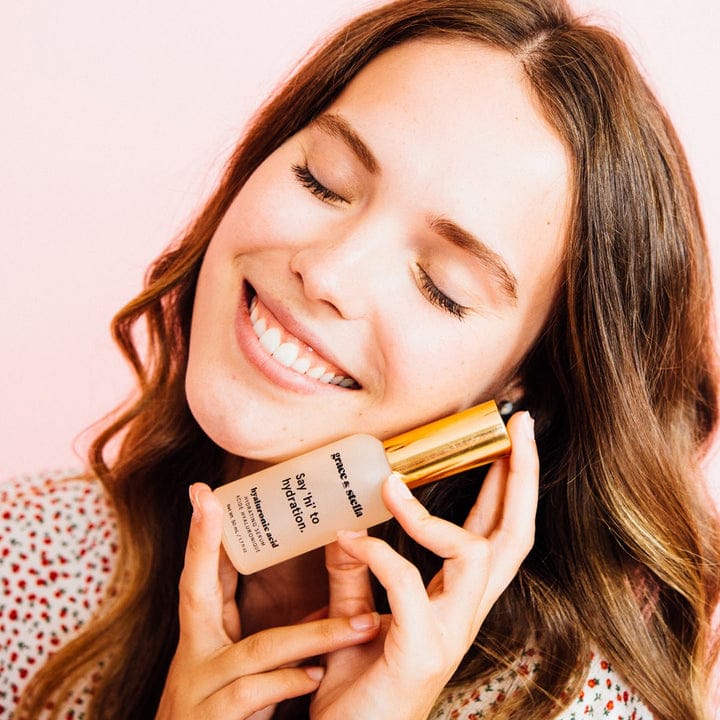
Here's a simple routine to get you started: use hydrating shampoos and conditioners, apply a hair serum after washing, and seal it all in with a hair oil. For hair oils, think coconut oil, argan oil, and jojoba oil. These oils are like the ultimate moisture sealants, helping to lock in all the goodness you've just applied.
- Coconut oil: great for penetrating the hair shaft and nourishing from within
- Argan oil: rich in antioxidants and essential fatty acids, perfect for repairing and protecting
- Jojoba oil: lightweight and easily absorbed, ideal for balancing moisture levels
Apply a small amount of hair oil to the ends of your hair, working your way up to the roots, and you're good to go! Try the Moroccanoil Moisture Repair Shampoo and Conditioner, which is infused with argan oil and antioxidants to help repair and moisturize dry, damaged hair.
Nourish from Within: Tips for Hydrated Hair

You've got the right products, you're washing your hair like a pro, but what about from the inside out? Hydration starts with what you put in your body, and I'm not just talking about drinking water (though that's super important too). Your hair needs nutrients to stay healthy, and that's where your diet and some extra TLC come in.
Feed Your Follicles
Eating a balanced diet rich in omega-3 fatty acids and vitamins is key. Foods like salmon, walnuts, and spinach are packed with these nutrients. For example, take Sarah, a 30-year-old marketing manager who started incorporating more omega-3 rich foods into her diet and saw a significant reduction in hair breakage. "I was amazed at how much healthier my hair looked," she says. She's not alone – studies show that a diet rich in these nutrients can boost hair health.
But food isn't the only thing that can help. Using a leave-in conditioner can provide extra hydration and protection. I love using a leave-in with argan oil – it makes my hair feel like butter. Apply it after your shower, focusing on the ends, and you're good to go.
Treat Your Hair (Literally)
Hair masks and deep conditioning treatments are like a spa day for your locks. Try applying one once or twice a week for an intense dose of hydration. Look for products with ingredients like coconut oil, shea butter, or keratin. These ingredients help lock in moisture and repair damage.
- Use a hydrating hair mask once a week for intense moisture
- Apply a deep conditioner after every wash for extra nourishment
- Get regular trims to prevent split ends and breakage
By combining these tips, you'll be on your way to hydrated, healthy hair in no time.
Natural Remedies for Hydrated Hair
You're probably tired of using products loaded with chemicals, and I'm with you! Sometimes, the best solutions are right in your kitchen. Let's dive into some natural remedies that'll give your locks the moisture they crave.
Aloe Vera: The Soother
Aloe vera isn't just for sunburns; it's a game-changer for your hair too! An aloe vera rinse can work wonders in retaining moisture and calming that itchy scalp. Simply blend fresh aloe vera gel with water, apply it as a final rinse after shampooing, and voilà! Your hair feels softer, and your scalp's happy.
Rice Water: The Strengthener
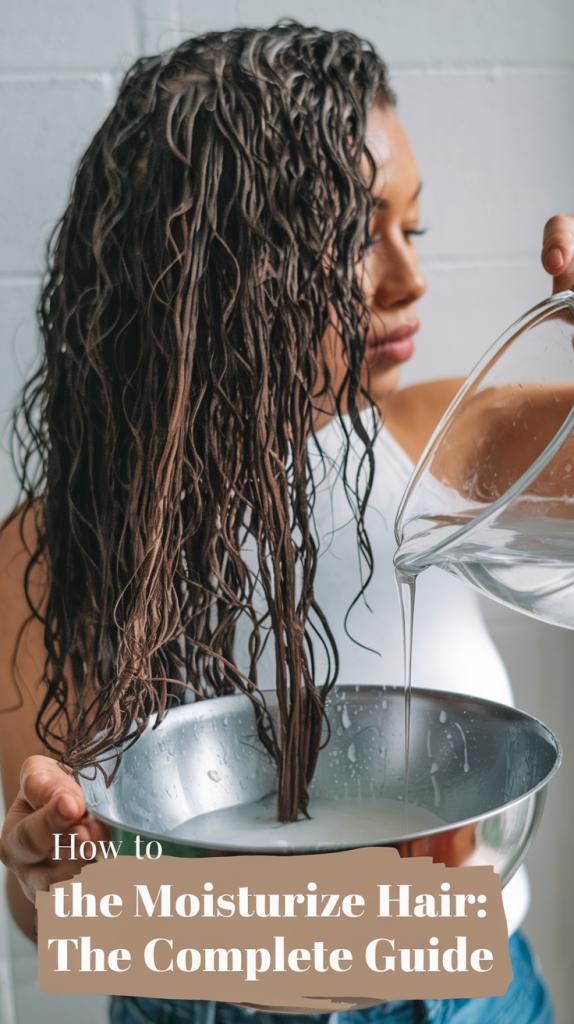
Rice water is the secret to strong, moisturized hair, and it's been used for centuries in Japan. The Fermented rice water method involves soaking rice in water, letting it sit, and then using that starchy liquid as a hair soak. This powerhouse treatment strengthens your hair and boosts moisture retention, making it perfect for dry, damaged locks.
Flaxseed Gel: The Hydrator
Flaxseeds are tiny but mighty! When boiled, they release a gel that's packed with omega-3s and other nutrients. This flaxseed gel provides lightweight hydration and definition, making it ideal for curly, wavy hair. Plus, it's free from harsh chemicals and additives found in many store-bought products.
These natural remedies are easy to whip up, and your hair (and scalp) will thank you! Give them a shot and see the difference for yourself.
Dive deeper: [Natural hair care routine for dry hair]((link unavailable)) [Benefits of using coconut oil for hair]((link unavailable)) [How to make a homemade hair mask]((link unavailable))
Hair Hydration Hacks: Expert Tips
You've got your moisturizing routine in place, but are you making these common mistakes? Let's get real, we've all been there - scrubbing our locks with hot water, roughing them up with a regular towel, and wondering why our hair's as dry as the Sahara desert! 😂
Renowned trichologist, Dr. Lisa Williams, emphasizes the importance of gentle hair care. "Using a wide-tooth comb or a detangling brush is key to minimizing breakage, especially when your hair's wet and vulnerable," she says. I mean, think about it, our hair's like a delicate flower, it needs TLC! 🌺
Gentle Detangling is Key
When detangling, start from the ends and work your way up. Trust me, it's a game-changer! You'll reduce breakage, tangles, and knots. I spoke to stylist, Rohan Jain, who swears by this technique. "I use a wide-tooth comb on my clients, and the difference is night and day," he says.
- Use a wide-tooth comb or a detangling brush to minimize breakage
- Avoid using hot water, which can strip hair of its natural oils
- Use a microfiber towel or an old t-shirt to dry your hair instead of a regular towel
And here's another thing: water temperature matters! Hot water might feel great, but it's stripping your hair of its natural oils, leaving it parched and brittle. Instead, try using warm or cool water, and finish with a cold water rinse for an added shine boost! 💦
Lastly, ditch that regular towel, fam! Microfiber towels or old t-shirts are where it's at. They're gentler on your locks, reducing friction and breakage. Give it a try and see the difference for yourself! 💕
The Future of Hair Hydration: Long-Term Benefits

You're probably wondering what's in store for your locks if you commit to regular hydration. Softer, shinier, and more manageable hair is just the beginning. Think about it, with consistent hydration, you're not just fixing dryness, you're preventing it.
Reducing heat styling and chemical treatments is a big part of the equation. We're talking about giving your hair a break, letting it breathe, and recover. For example, try embracing natural textures or opting for gentler styling methods like air-drying or using a microfiber towel. Trust me, your hair will thank you.
Actionable Takeaways
- Use products with natural ingredients like argan oil, coconut oil, or shea butter to lock in moisture
- Cut back on heat styling tools or use a heat protectant spray
- Get regular trims to prevent split ends and breakage
The payoff is worth it – healthier, more resilient hair that's better equipped to handle life's styling demands. And let's be real, who doesn't want hair that's full of life and luster? By investing in hydration now, you're setting yourself up for long-term hair goals. So, what's the next step? Make hydration a non-negotiable part of your routine and watch your hair transform.
Your hair's future is looking bright, and it's all about making conscious choices today.
.png)






Comments ()