Greece's Ethereal Landscapes
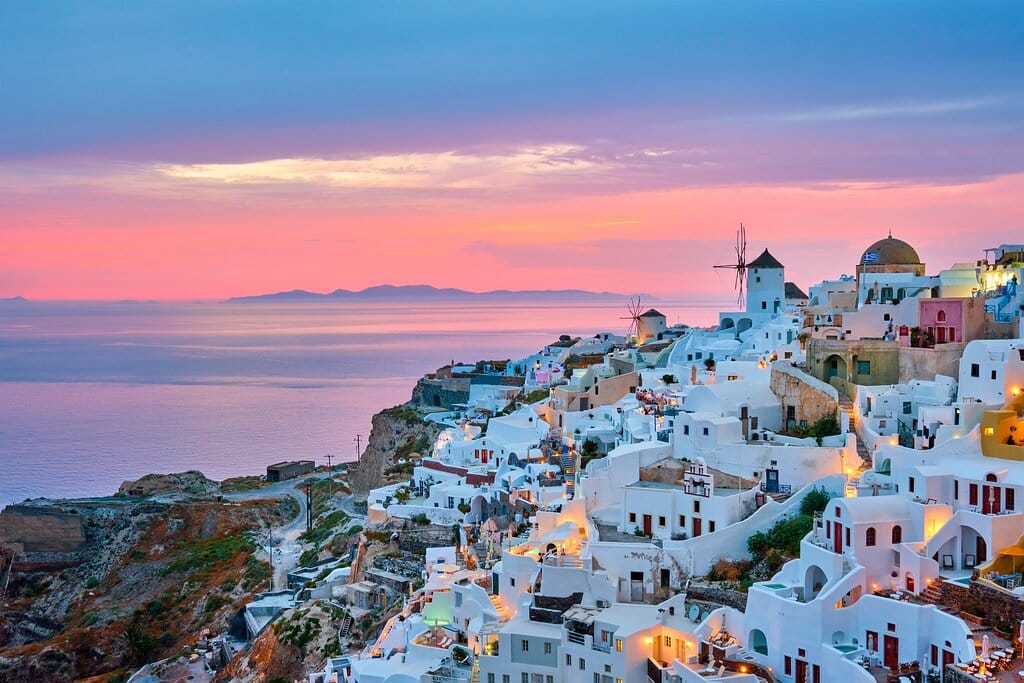
Imagine standing on the edge of a breathtaking cliff, the crystal-clear waters of the Aegean Sea crashing below, and the whitewashed houses of a picturesque village clinging to the rocks above. Welcome to Greece, a country where ancient history meets ethereal landscapes, and every turn reveals a new postcard-perfect view. With tourism on the rise, Greece welcomed a record 33 million visitors in 2023, each seeking to experience its unique blend of mythology, culture, and natural beauty. From the turquoise lagoons of Navagio Beach to the mystical rock formations of Meteora, let's embark on a journey to uncover the most enchanting landscapes Greece has to offer.
Where White Cliffs Meet the Sea
You've probably seen the postcards – the ones with the iconic whitewashed houses tumbling down the caldera, the blue-domed churches, and the endless Aegean Sea stretching out as far as the eye can see. Welcome to Santorini, Greece's most Instagrammable island, where the dramatic landscapes are as breathtaking as the sunsets. With over 1.8 million visitors a year, Santorini's ethereal beauty is drawing crowds, but trust me, it's worth it.
The island's unique landscape is the result of a massive volcanic eruption around 1600 BC, which left behind a massive caldera – a natural amphitheater of sheer cliffs and plunging sea. The caldera's rugged terrain is constantly evolving, with erosion wearing away the soft volcanic rock at a rate of about 1-2 cm per year, according to geologist Dr. Maria Nomikou. "Santorini's volcanic history is a story of fire and water," she explains. "The sea is both the island's greatest ally and its greatest enemy."
The Architecture of a Volcanic Island
The traditional Cycladic architecture of Santorini is a marvel of adaptation, with buildings carved into the volcanic rock and whitewashed to reflect the scorching sun. In towns like Oia and Fira, the buildings seem to grow organically from the cliffs, their flat roofs and curved lines echoing the contours of the land. It's a masterclass in blending form and function, with the volcanic terrain informing every aspect of the island's design.
- The caldera's steep cliffs plunge into the sea, creating a dramatic landscape
- Volcanic ash and pumice have made the soil surprisingly fertile, perfect for growing grapes and tomatoes
- The unique light of Santorini has attracted artists and photographers for decades
Oia, perched on the northern tip of the island, is the prime spot to take it all in – especially at sunset, when the sky turns pink and orange, and the sea sparkles like diamonds. You'll be rubbing shoulders with fellow travelers, but the sheer magic of the moment makes it impossible to care.
The Geology Behind the Beauty
You've probably marveled at the stunning sunsets and dreamy landscapes of Santorini, but have you ever wondered what's behind this Greek island's ethereal beauty? It's the geology, baby! Volcanic activity played a starring role in shaping the caldera, a massive crater that's now filled with sea. The Minoan volcanic eruption around 1600 BC was a game-changer, creating the iconic landscape we see today.
The Tectonic Story
Tectonic shifts are the real MVPs here. The African and Eurasian plates are moving, and this slow dance has been shaping the island's unique landscape for millions of years. The result? A rugged terrain with steep cliffs, hidden caves, and picturesque villages perched on the edge of the caldera.
Let's talk about the layers – they're like nature's own art installation! Volcanic ash and rock have built up over time, telling a story of eruptions, lava flows, and the island's turbulent past. Take a walk through the ancient quarry of Agios Nikolaos, and you'll see layers of pink and white volcanic rock, a testament to the island's fiery history. The famous black sand beaches? That's volcanic rock worn down by the relentless sea.
- The caldera's depth: up to 400 meters in some areas
- Last major eruption: 1950
- Number of volcanic eruptions in the region: over 100
Santorini's geology is a complex and fascinating story, and we're just scratching the surface. But trust me, the more you dig in, the more you'll fall in love with this island's raw, natural beauty.
Santorini's Villages Perched on Cliffs
You've probably seen pictures of Santorini's iconic whitewashed buildings cascading down steep cliffs, but nothing prepares you for the real thing. Fira and Oia, the island's two main villages, are like nothing you've ever experienced. The moment you step off the ferry, you're greeted by the sound of cobblestone streets crunching beneath your feet and the sweet scent of jasmine wafting through the air.
The Charm of Fira
Fira, the capital, is a maze of narrow streets and staircases that'll have you hiking up and down (literally, there are over 600 steps to the top!). But trust me, the views are worth it. From the cliffside, you can see the caldera, the Aegean Sea, and the famous sunsets that'll leave you speechless. Don't miss the Museum of Prehistoric Thira, which houses artifacts from ancient civilizations, including Minoan and Mycenaean relics.
Oia's Dreamy Landscapes
Oia, on the northern tip, is even more picturesque, with its blue-domed churches and windmills that seem straight out of a postcard. The village is smaller, more intimate, and feels like a true Greek island gem. Catch the sunset at the Oia Castle ruins, and watch as the sky turns pink and orange – it's pure magic.
- Must-see spots: The Three Bells of Fira, Oia's Maritime Museum, and Amoudi Bay
- Insider tip: Visit in April-May or September-October for fewer crowds and pleasant weather
- Local favorite: Try the Santorini tomato keftedes (tomato fritters) at a traditional taverna
Santorini's villages are more than just pretty faces; they're steeped in history, culture, and natural beauty. Whether you're wandering Fira's streets or sipping wine in Oia, you'll fall under the island's spell.
Crete's Rugged Contrast

Crete, Greece's largest island, is a masterclass in contrasts. One minute you're standing at the edge of the Libyan Sea, soaking up the sun on a palm-lined beach, and the next, you're hiking through the rugged White Mountains, where snow-caps glimmer in the winter months. It's a place where Europe, Africa, and Asia converge, creating a unique blend of cultures, landscapes, and ecosystems.
Island of Contrasts: Mountains and Beaches
The island's diverse geography is staggering. In the north, you'll find the picturesque old town of Chania, with its Venetian architecture and waterfront cafes. Head south, and you'll hit the stunning beaches of Elafonisi and Balos, famous for their pink sands and crystal-clear waters. And just a stone's throw away, the Samaria Gorge beckons, a 16km hike through Europe's longest gorge, flanked by towering cliffs and dotted with ancient ruins.
Crete's history is equally rich, with the Palace of Knossos, the legendary home of the Minotaur, and the ancient city of Phaistos, where the famous Phaistos Disc was discovered. The island's strategic position made it a prized possession for the Venetians, who left behind a legacy of fortifications, like the imposing Fortezza fortress in Rethymnon.
- The White Mountains (Lefka Ori), with their snow-capped peaks and picturesque villages
- The palm-lined palm groves of Vai, a protected nature reserve
- The ancient Minoan palace of Zakros, hidden away in a scenic valley
Whether you're a beach lover, a history buff, or an outdoor enthusiast, Crete has something for everyone. Its unique blend of natural beauty, rich history, and vibrant culture makes it a must-visit destination in Greece.
Island Hopping: Santorini to Crete
You've explored the whitewashed charm of Santorini, now it's time to island-hop to Crete, the largest Greek island. Ferry routes connect these gems, with frequent departures from Santorini's port, Athinios. You can catch a daytime ferry with Blue Star Ferries or an overnight journey with ANEK Lines – both offer stunning Aegean views.
Cultural and Landscape Differences Abound
Crete's a whole different vibe compared to Santorini's chic Oia villages. Here, ancient ruins like Knossos Palace whisper tales of the Minoan civilization, while Chania's old town exudes Venetian charm. You'll discover hidden beaches, rugged gorges, and mountains like Psiloritis, Crete's highest peak at 2,456 meters.
Santorini's volcanic landscapes give way to Crete's diverse terrain – palm-lined Vai Beach, olive groves in Messara, and the dramatic Samaria Gorge. Each island's unique, so take your time exploring.
Best Times to Visit Each Island
For Santorini, aim for April-May or September-October – fewer crowds, pleasant temps (20-25°C), and perfect for hiking the island's caldera rim. Crete's best visited June-September when beaches are in full swing, though August's peak season gets hot (30°C+).
- Santorini Festivals: If you're lucky, catch the August Festival (music, dance, theater) or Easter celebrations.
- Crete's Events: Don't miss Chania's summer jazz festival or Rethymnon's Renaissance Faire.
- Local Tips: Visit early morning markets like Chania's Laiki Agora for authentic island flavors.
Whether you're after history, beaches, or adventure, these islands offer endless Greek magic. What's your next stop?
Capturing the Essence of Greece
You're standing on the edge of Santorini, the sun dipping into the Aegean Sea, and you're just blown away by the colors. To capture this magic, timing is everything. Photographing Santorini's sunsets is all about positioning and patience. Get to Oia village early, find a spot with an unobstructed view, and wait for that golden hour.
Crete's Natural Wonders
Crete's got some serious natural talent – think palm-lined beaches, rugged gorges, and mountains that'll take your breath away. Take Elafonisi Beach, for example. This pink-sand paradise is a photographer's dream, but it's not just about snapping a pretty picture. It's about capturing the essence of Crete's wild beauty. Hike the Samaria Gorge, and you'll understand what I mean.
Respecting local culture and landscapes goes a long way in Greece. You're visiting these stunning spots, so be mindful of your impact. In places like Mykonos, where tourism is booming, sticking to designated paths and respecting local rules helps preserve the island's charm. Plus, engaging with locals can lead to some amazing shots – just be respectful of their space and traditions.
Some tips for capturing Greece's essence:
- Arrive early or late to avoid crowds and get those soft, golden lights
- Explore beyond the popular spots – sometimes the best shots are the ones you stumble upon
- Learn a few basic Greek phrases – it goes a long way with the locals
With your camera ready and a bit of local insight, you're all set to capture Greece's ethereal landscapes. Whether it's the dramatic cliffs of Santorini or Crete's hidden coves, Greece's got a million faces – and you're about to capture them all.
Beyond the Tourist Trail
You're missing out if you've only seen Greece's popular destinations like Santorini and Mykonos. Venture off the beaten path, and you'll discover hidden gems that'll make your trip truly unforgettable. Take the island of Kios, for instance, with its secluded beaches and charming villages like Ioulida, where you can wander through ancient ruins and taste local delicacies.
Discovering Hidden Beaches and Villages
Secluded beaches like Agia Marina in Kios or Sarakiniko in Milos are perfect for a peaceful day out. In Crete, visit the village of Omalos, nestled in the White Mountains, and try the local raki – it's a must-try! You'll get to experience authentic Greek culture, away from the crowds.
Local Experiences: Food, Wine, and Traditions
Greek cuisine is more than just gyro and souvlaki. Try mizithra cheese in Naxos or kalitsounia pastries in Crete. Visit a family-run winery in Santorini for a taste of Assyrtiko wine, and join in the festivities during the Patras Carnival – you'll be dancing with locals in no time!
Sustainable Tourism in the Greek Islands
The Greek Islands are embracing eco-tourism, with initiatives like sea turtle conservation in Zakynthos and sustainable fishing practices in Lesbos. Support local communities by staying in eco-friendly accommodations like the Aloni Resort in Kios or joining a responsible tour operator like the Ionian Eco Tours.
By venturing beyond the tourist trail, you'll uncover Greece's hidden charm and contribute to preserving its natural beauty. So, get off the beaten path and create your own unforgettable Greek adventure!
Planning Your Greek Island Getaway
So, you're thinking of escaping to the Greek islands? You're in for a treat! The best times to visit are spring (April-May) and autumn (September-October), when the weather's pleasant and the crowds are smaller. If you're looking for summer vibes, June to August is peak season, but be prepared for heat and crowds.
Getting Around the Islands
The islands are best explored by ferry, and you'll find plenty of options from major ports like Athens (Piraeus). You can hop on a ferry to Mykonos, Santorini, or Crete, and explore the Cyclades or Dodecanese islands. Rent a car or scooter to discover hidden beaches and villages – just be mindful of narrow roads!
When it comes to accommodations, Mykonos and Santorini can be pricey, so consider alternatives like Paros, Naxos, or Ios for a more budget-friendly stay. Book ahead, especially during peak season, and look for hotels with sea views – totally worth it!
Savoring Greek Flavors
You can't leave without trying some local cuisine! Feast on fresh seafood, try the famous Greek salad (with juicy tomatoes and creamy feta), and indulge in baklava or loukoumades (honey-soaked dough balls). Wash it down with ouzo, frappé coffee, or a glass of crisp Assyrtiko wine from Santorini.
- Must-try dishes:
- Moussaka (layered eggplant and minced meat)
- Souvlaki (grilled meat skewers)
- Greek yogurt with honey
With these tips, you're all set for an unforgettable Greek island adventure! Imagine watching the sunset over whitewashed buildings in Oia, Santorini – it's the stuff dreams are made of!

.jpg)





Comments ()