GRAP 4 Mumbai - Decoding the Air Quality Management Plan

Mumbai's air quality has hit a critical low, prompting the Brihanmumbai Municipal Corporation to implement GRAP-4 measures, the most stringent air quality management plan yet. As the city's residents struggle to breathe, with several suburbs like Borivali East and Powai experiencing poor AQI levels, it's essential to understand what GRAP-4 entails and how it aims to combat the city's pollution woes. But what does this plan mean for Mumbaikars, and how will it impact daily life? Let's dive in to find out ¹.
Mumbai's Air Quality Crisis
You might've noticed the thick haze hanging over Mumbai lately, and it's not just the monsoon clouds. The city's air quality has taken a hit, and it's becoming a major concern. According to the World Air Quality Report 2022, Mumbai ranks 15th among the most polluted cities in the world. Not exactly something to brag about, right?
The numbers are alarming: air pollution in Mumbai is estimated to cause over 10,000 premature deaths annually. And it's not just the elderly or those with pre-existing conditions who are at risk. Even young kids and healthy adults are vulnerable to respiratory problems, cardiovascular diseases, and even cognitive impairment. Dr. Rakesh Kumar, Director of the National Environmental Engineering Research Institute (NEERI), points out that "air pollution is the single largest environmental health risk in India."
The Main Culprits
So, what's causing this mess? Vehicular emissions, industrial pollution, construction dust, and waste burning are some of the major contributors. And with the city's population expected to touch 30 million by 2030, the situation is only going to get worse if we don't take drastic measures.
- Vehicular emissions: 60% of air pollution
- Industrial pollution: 20% of air pollution
- Construction dust and waste burning: 20% of air pollution
The authorities have finally taken notice, and that's where GRAP 4 comes in – the Air Quality Management Plan aimed at tackling this crisis head-on. Let's see what it entails and how it plans to bring some relief to Mumbai's lungs.
Understanding GRAP 4
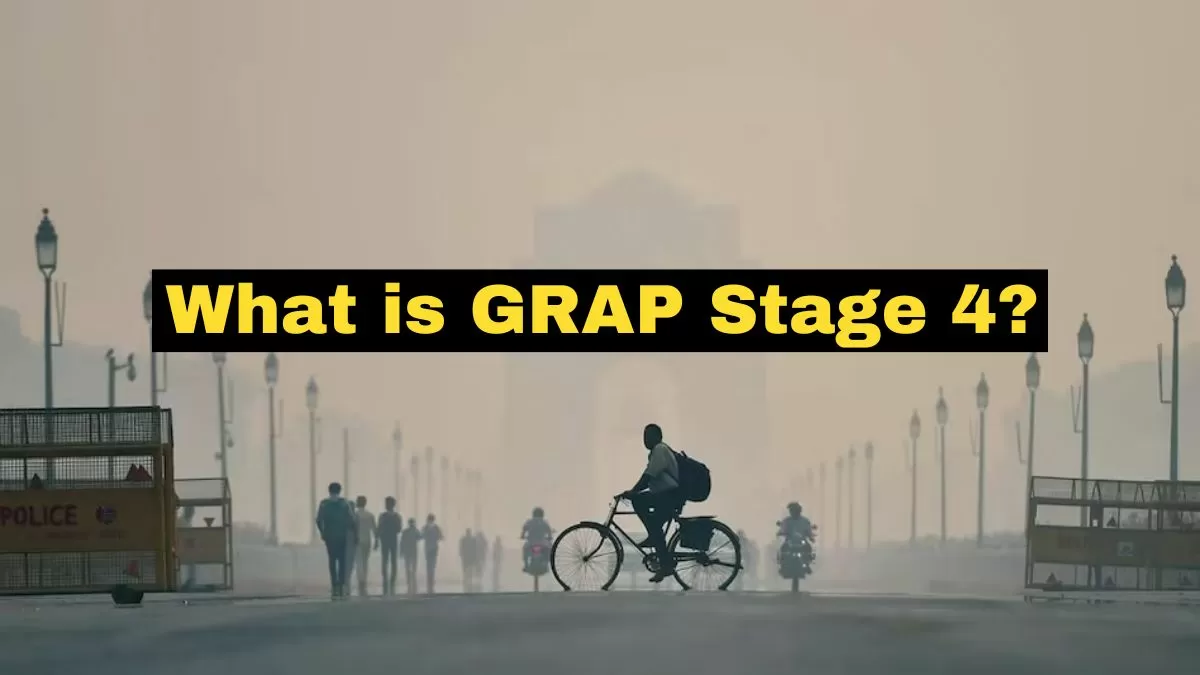
So, you've heard of GRAP 4, but what does it really mean? GRAP stands for Graded Response Action Plan, a four-stage plan designed to tackle air pollution in Mumbai. Think of it like a traffic light system – green, yellow, orange, and red – each stage triggering specific measures to control pollution.
GRAP 4 is the highest level of alert, triggered when PM2.5 levels hit 450 micrograms per cubic meter. When this happens, restrictions kick in across industries, vehicles, and construction sites. For example, during a GRAP 4 episode in November 2021, the Maharashtra government shut down schools, banned non-essential construction, and restricted diesel generators.
Measures That Kick In
- Restrictions on industries: factories may be asked to reduce production or switch to cleaner fuels
- Vehicle restrictions: odd-even rules, bans on commercial vehicles older than 10 years
- Construction restrictions: non-essential construction and demolition activities are halted
- Other measures: water sprinkling on roads, increased public transport frequency
These measures aren't new – Delhi's GRAP plan has been in place for years. But Mumbai's plan is tailored to its unique challenges. With pollution levels rising, understanding GRAP 4 is crucial for residents, workers, and policymakers alike. You're probably wondering what you can do – stay tuned for our next section on how to prepare for GRAP alerts.
Key Measures Under GRAP 4
So, you're wondering what's in store when GRAP 4 kicks in? Let's break it down. The authorities aren't messing around – they're pulling out all the stops to tackle the toxic air in Mumbai. One of the major moves is the restriction on diesel generators. You see, these generators are a big contributor to the pollution, and limiting their use can make a significant impact.
Cracking Down on Pollution Sources
The restrictions don't stop there. There's also a ban on construction and demolition activities. Imagine the dust and particulate matter these activities generate – it's massive. By putting a temporary halt, the government hopes to reduce the pollution levels significantly. For instance, during the last GRAP 4 alert, construction sites were shut down, and it did show some improvement in air quality.
And if you're planning to drive, be prepared for some changes. Increased parking fees are on the cards, and they might even bring back the odd-even rule for vehicles. You might've seen this in Delhi – it's an effort to reduce the number of vehicles on the road, thereby cutting down emissions. It's not just about reducing traffic congestion; it's about making a statement and encouraging people to think about alternative modes of transport.
- Restrictions on diesel generators
- Increased parking fees
- Odd-even rule for vehicles
- Ban on construction, demolition activities
These measures might seem drastic, but they're necessary steps to tackle the alarming air quality in Mumbai. The goal is to bring down the Air Quality Index (AQI) and make the air safer for everyone to breathe.
Impact on Industries and Economy
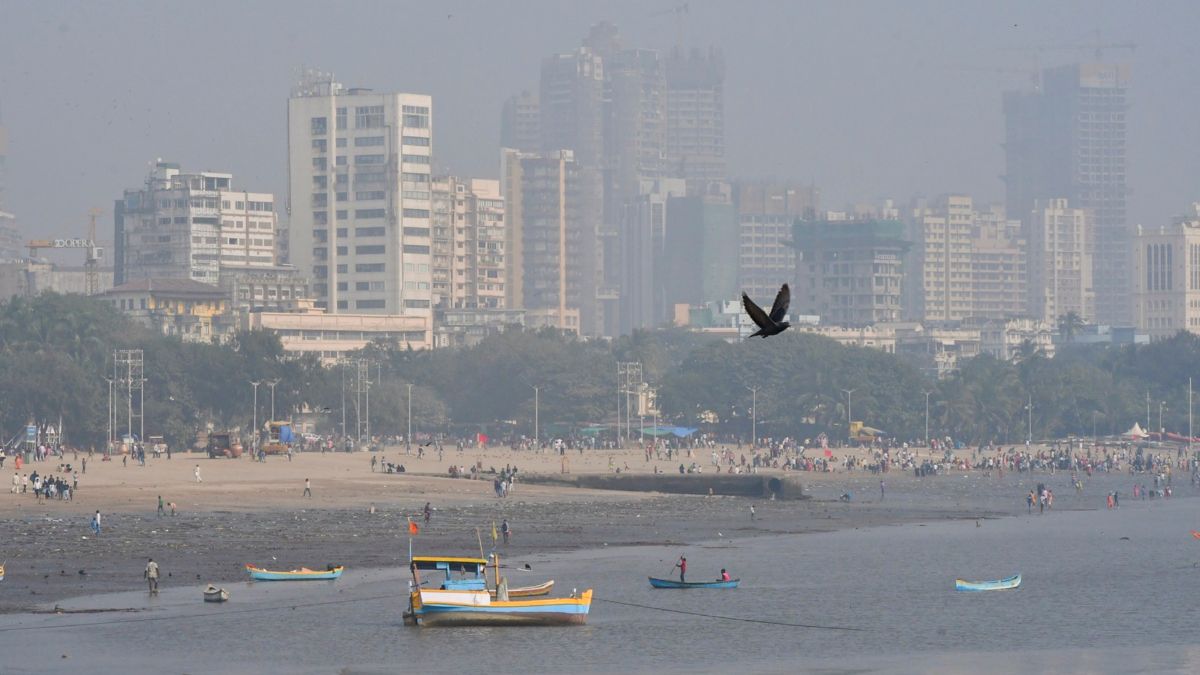
You've probably heard about GRAP 4 and how it's shaking things up in Mumbai. Small industries are going to feel the heat the most - we're talking about the thousands of small-scale units in places like Nalasopara, Dhiwara, and even parts of Andheri. These businesses employ millions, but they're also major pollution contributors. With stricter norms kicking in, many might struggle to comply.
The Economic Ripple Effect
There's concern about an economic slowdown, and it's not unfounded. Take the textile industry in Bhiwandi, for example. With restrictions on transportation and operations, production's going to take a hit. That means delayed orders, potential job losses, and a general tightening of belts. The economic cost? Estimates suggest losses could run into crores daily. Mumbai's not just the financial capital; it's also an industrial hub, and GRAP 4 could impact the whole country's economy.
But it's not all doom and gloom. This is where sustainable solutions come in – and some industries are already on it. Companies like Mahindra & Mahindra and Reliance Industries are investing big in green tech. You're seeing more solar panels on factory roofs, stricter waste management, and even electric vehicle fleets. The writing's on the wall: adapt or get left behind.
- Small industries need financial support to upgrade
- Green tech adoption is no longer optional
- Mumbai's economic resilience is being tested
The question is, can Mumbai's industries rise to the challenge? Only time will tell, but one thing's for sure – the road ahead won't be easy.
Role of Citizens in Reducing Pollution
You've seen how GRAP 4 is tackling air pollution in Mumbai, but here's the thing: it's not just the government's battle. You, as a citizen, play a huge role in reducing pollution too. Simple changes in your daily life can make a massive difference.
Make the Switch to Public Transport
Did you know that Mumbai's public transport system is one of the best in the country? The BEST buses and metro services can significantly reduce the number of private vehicles on the road. For instance, if you're heading to work, consider hopping on the metro – it's faster and eco-friendly. Carpooling is another great option, isn't it? Apps like BlaBlaCar and Ride-Sharing services can connect you with others heading in the same direction.
Awareness is key, and it's not just about knowing the air quality index. It's about understanding the health risks associated with pollution. The Maharashtra Pollution Control Board (MPCB) regularly shares updates on air quality, and you can check those on their website or social media handles. When you're aware, you can take steps to protect yourself and your family.
Take Responsibility
Citizens are urged to take responsibility for their actions. Something as simple as not burning waste or not using diesel generators can contribute to cleaner air. Look at it this way: if everyone in Mumbai does their bit, we'll see a significant drop in pollution levels. The GRAP 4 plan is a step in the right direction, but it's the collective effort that'll bring lasting change.
- Use public transport or carpool whenever possible
- Spread awareness about air quality and health risks
- Take responsibility for your actions
- Support pollution-reducing initiatives
So, what'll you do today to contribute to cleaner air in Mumbai?
Future of Air Quality Management in Mumbai
The battle for cleaner air in Mumbai is far from over, but there's hope on the horizon. You're probably wondering what the future holds for the city's air quality management. For starters, experts are stressing on the need for long-term strategies that go beyond quick fixes. It's not just about banning fireworks or restricting vehicles; it's about infrastructure development that can withstand the city's growing population.
What Needs to Change
The city's air quality management plan needs to focus on sustainable development. For instance, Mumbai's public transport system can be revamped with electric buses and improved rail networks. Industries and vehicles need more stringent norms, like the Bharat Stage VI emission standards, which are already being implemented. The Maharashtra Pollution Control Board (MPCB) is working towards stricter enforcement, but they need your support.
- Investing in clean energy sources like solar power
- Implementing waste management systems that don't rely on burning
- Creating green spaces like parks and gardens
- Encouraging eco-friendly transportation options
Collaboration is key – between government agencies, citizens, and experts. The Mumbai Air Quality Management Plan is a step in the right direction, but it's up to you to hold them accountable. You can make a difference by making conscious choices in your daily life, like reducing plastic use or using public transport. The future of Mumbai's air quality is in your hands. So, are you ready to breathe easy?











Comments ()