Gorgonzola vs. The Rest - Blue Cheese Showdown
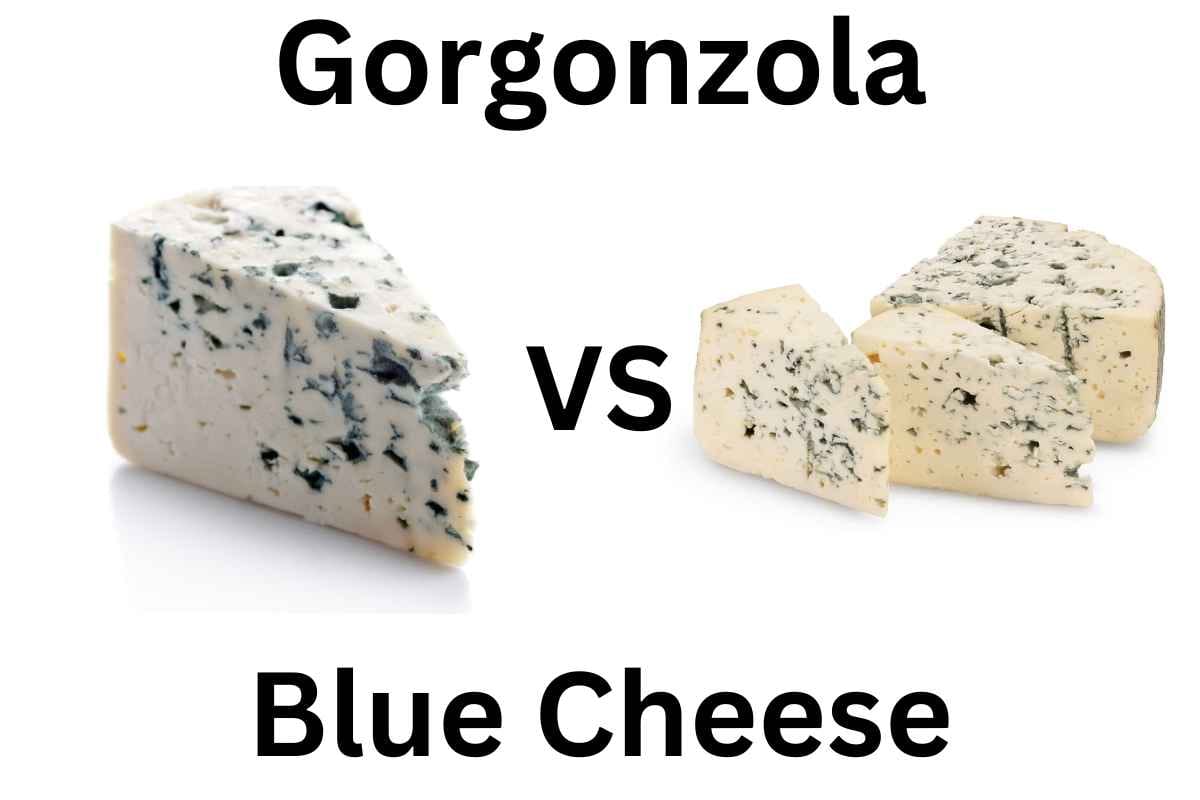
Imagine a world where creamy, tangy, and pungent cheese reigns supreme - welcome to the realm of blue cheese! With the global blue cheese market projected to grow by 8% annually, it's no wonder the battle for supremacy is heating up. Gorgonzola, the Italian icon, is facing stiff competition from Roquefort, Stilton, and other contenders. But what sets Gorgonzola apart, and is it truly the king of blue cheeses? In this showdown, we'll pit Gorgonzola against the best of the rest, exploring their unique characteristics, production methods, and flavor profiles to determine which one will reign supreme. Let's start with the creamy, crumbly, and utterly irresistible - Gorgonzola.
The Blue Cheese Buzz
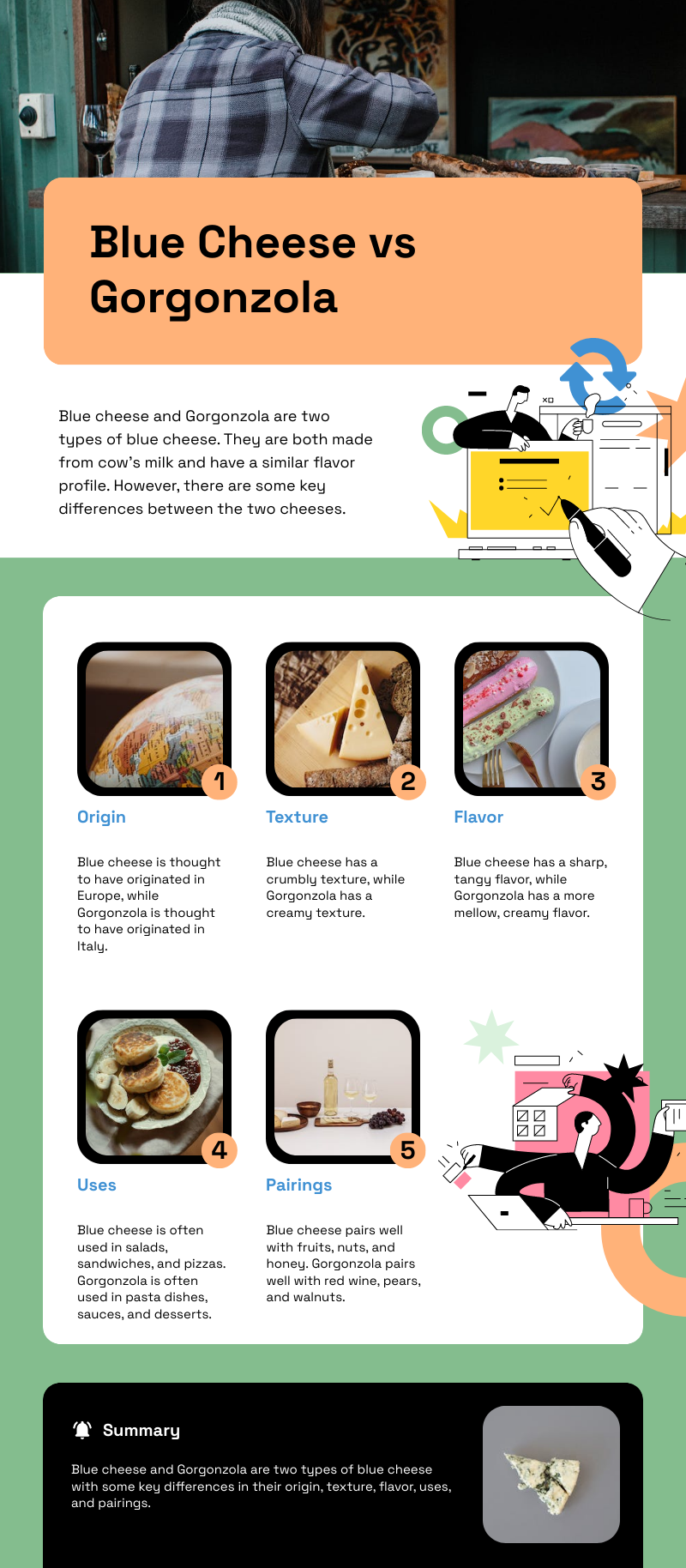
You know the type - rich, tangy, and with a bit of a bite. We're talking blue cheese, folks! This piquant delight has been tantalizing taste buds for centuries, and it's no wonder why. With its crumbly texture and bold flavor, blue cheese is the ultimate crowd-pleaser. According to the International Dairy Federation, global blue cheese production hit 1.2 million metric tons in 2022, and it's still growing.
Gorgonzola: The Italian Original
Gorgonzola's the star of the show, with its Italian roots running deep. This creamy, dreamy cheese has been produced in Italy's Piedmont region since the 11th century. Its texture's a game-changer - soft, velvety, and oh-so-spreadable. You'll find Gorgonzola's rich flavor profile in everything from salads to pasta sauces.
But Gorgonzola's not the only player in the blue cheese game. Roquefort, Stilton, and other varieties are stealing the spotlight, offering unique twists on the classic theme. Roquefort's got a sharp, salty kick, while Stilton's milder and creamier. Each brings its own flair to the table, making blue cheese a fascinating world to explore.
So, what makes blue cheese so irresistible? It's the umami bomb, folks! The concentrated funk of blue cheese adds depth and complexity to any dish. Plus, the fat content's through the roof - we're talking seriously rich and satisfying. Whether you're a Gorgonzola die-hard or a Stilton newbie, there's a blue cheese out there waiting to blow your mind (and taste buds).
Gorgonzola's Unique Flair
Gorgonzola's got a secret weapon: those ancient Italian caves. It's aged in these perfect conditions for at least 3-4 months (sometimes up to 2 years for the extra sharp Dolce and Piccante varieties), which gives it that unmistakable flavor profile that's both sweet and tangy. You're getting a taste that's been crafted over time, not rushed.
The Taste That'll Hook You
Gorgonzola's got a creamy texture that's just begging to be paired with something crunchy - like a crisp pear slice or a handful of toasted walnuts. Its taste profile is complex: think sweet, tangy, and a hint of earthy undertones. It's like a flavor party in your mouth! Take Gorgonzola's pairing with honey, for example - the sweetness balances out the tang, creating a match made in heaven. You can use it to elevate simple dishes like pasta, salads, or even pizza. Or, be like the Italians and enjoy it solo with some crusty bread.
Gorgonzola's versatility is on another level - it's perfect for salads, pasta, or solo snacking. Imagine tossing crumbled Gorgonzola into an arugula salad with some juicy pears and a balsamic glaze... mouthwatering, right? Or, how about a creamy Gorgonzola pasta sauce coating fresh penne? Heaven! Even as a solo snack, it's a winner - just grab a wedge and dig in.
You know what's interesting? Gorgonzola's production is actually protected by law in Italy - it's gotta meet specific standards to bear the name. Now that's commitment to quality!
Meet the Blue Cheese Family
You know how people say "blue cheese is blue cheese"? Well, think again! There's a whole family of blues out there, each with its own unique personality. Let's meet the crew: you've got Roquefort, the sharp, earthy French original; Stilton, the rich, buttery English charmer; and then there's Gorgonzola's milder, creamier cousin, Danish Blue.
Roquefort, for instance, is made from sheep's milk and aged in the natural caves of Roquefort-sur-Soulzon. It's got that intense, pungent flavor that's perfect for salad dressings and sauces. Stilton, on the other hand, is a cow's milk cheese from England, with a rich, creamy texture that's simply divine. And then there's Danish Blue, which is often described as milder and creamier than Gorgonzola - think of it as the laid-back, easy-going cousin.
The Gorgonzola Angle
Now, where does Gorgonzola fit into all this? Well, Gorgonzola's got its own unique profile - it's creamier than Roquefort, milder than Stilton, and has that sweet, tangy flavor that pairs perfectly with fruit and nuts. Plus, it's got that lovely veining of blue mold that's so characteristic of the good stuff.
- Origin: Gorgonzola hails from Italy, specifically the Lombardy and Piedmont regions.
- Milk: Made from cow's milk, with a mix of whole and skimmed milk.
- Aging: Aged for a minimum of 3-4 months, sometimes up to a year or more.
So, how does Gorgonzola stack up against the rest of the blue cheese family? Stick around, and we'll dive deeper into the taste, texture, and uses of these fabulous cheeses.
Tasting Notes: Gorgonzola vs. Others
Let's get down to business – the taste. You're probably wondering how Gorgonzola stacks up against other blue cheeses. Well, let's dive in. Gorgonzola's got a smooth, creamy texture that just melts in your mouth. It's like butter, but with a tangy kick. You can thank the Penicillium glaucum mold for that velvety feel. Now, compare that to Roquefort – it's like a whole different ball game. This French blue cheese is crumbly, with a pungent kick that'll blow your head off. Literally. The smell's intense, but the flavor's got depth. You'll taste notes of fruitiness and spices beneath the bold, salty taste. Stilton's another story altogether. This English blue cheese is known for its rich, buttery flavor with a hint of nuts – think toasted almonds or walnuts. It's bold, but in a sophisticated way. You can see why Stilton's often served as a dessert cheese, paired with sweet accompaniments like figs or honey. When it comes to texture, Gorgonzola's definitely the smoothest of the bunch. Roquefort's got that crumbly texture going on, while Stilton's more crumbly than creamy. But here's the thing – texture's not everything. Flavor's what really sets these cheeses apart. Gorgonzola's got a tangy, slightly sweet flavor that's perfect for salads or as a dip. Roquefort's bold, pungent taste makes it perfect for strong flavors like pears or walnuts. And Stilton? It's a showstopper on its own, with a rich, complex flavor that'll leave you wanting more. So, which one's the best? Well, that's up to you. Do you like creamy and mild, or bold and pungent? Maybe you're a fan of rich and nutty. Whatever your taste buds prefer, there's a blue cheese out there for you.
Cooking with Blue Cheeses
You know, one of the best things about blue cheeses is how versatile they are in cooking. Take Gorgonzola, for instance - it's a game-changer in risottos and salads. Try adding crumbled Gorgonzola to a pear and walnut salad, and you'll see what I mean. The creamy tanginess pairs perfectly with sweet pears and crunchy walnuts.
Beyond the Basics
Roquefort, on the other hand, shines in dressings and sauces. Its bold, salty flavor can elevate a simple vinaigrette to new heights. Imagine tossing romaine lettuce with a Roquefort-based dressing, topped with crispy bacon and cherry tomatoes - yum! And if you're feeling fancy, whip up a Roquefort sauce to serve with grilled steak or roasted veggies.
Then there's Stilton, the underrated snack star. Pair it with fruits like grapes or figs, and nuts like almonds or walnuts, and you've got a match made in heaven. The rich, buttery flavor of Stilton complements sweet and crunchy textures beautifully. Think of it as a sophisticated alternative to your everyday snack routine.
- Gorgonzola: risottos, salads, creamy pasta sauces
- Roquefort: dressings, sauces, dips for crudités
- Stilton: snack pairings with fruits and nuts, cheese boards
These aren't hard and fast rules, though - feel free to experiment and find your own favorite ways to use these blue cheeses! Maybe try Gorgonzola in a pizza topping combo with caramelized onions and prosciutto?
Picking the Perfect Blue
So, you're looking to elevate your blue cheese game? The key is to match it with the right dish and flavor profile. Think of blue cheese like a spice - it's all about balance. For instance, Gorgonzola's creamy tang works wonders with sweet, caramelized pears or a drizzle of honey. On the other hand, a stronger, crumbly blue like Roquefort demands bold flavors like cured meats or robust red wines.
Pairing Magic
Pairing blue cheese with fruits, nuts, or sweet glazes can create magic. Take Stilton, for example - it's fantastic with sweet fig jam and crunchy walnuts. Or try pairing a pungent blue like Danish Blue with crisp apple slices and a sprinkle of cinnamon. The sweetness balances out the pungency, creating a match made in heaven.
Don't be afraid to experiment with different blue cheeses. Each has its own personality - some are creamy, others crumbly, and some pack a stronger punch. Gorgonzola's got that smooth, spreadable vibe, while Roquefort's got a sharp, tangy kick. Try them in different scenarios: Gorgonzola on a pizza, Stilton in a salad, or Danish Blue crumbled over roasted veggies.
- Salads: Crumble blue cheese into peppery arugula, sweet pears, and walnuts for a killer autumn salad.
- Dessert boards: Pair blue cheese with sweet figs, honey, and almonds for a sophisticated dessert.
- Meat pairings: Match strong blues like Roquefort with game meats or beef, while milder ones like Gorgonzola work well with poultry or pork.
Bottom line: play around, trust your taste buds, and find your fave blue cheese combos!
Blue Cheese Beyond the Plate
You know Gorgonzola and other blue cheeses are amazing on their own, but they're also game-changers when you start incorporating them into other dishes. Imagine biting into a gourmet burger loaded with Gorgonzola, caramelized onions, and a hint of balsamic glaze - yum! Or picture a pizza topped with Gorgonzola, figs, and prosciutto; the sweetness of the figs pairs perfectly with the tangy cheese.
Taking it Up a Notch
Blue cheese stuffed dates or meatballs are also making waves in the food scene. The creamy blue cheese filling in dates, wrapped in crispy prosciutto, creates an addictive sweet-salty combo. And let's not forget about blue cheese stuffed meatballs - they're a match made in heaven, especially with a drizzle of honey or a tangy BBQ sauce.
So, how can you get creative with blue cheese at home? Try adding crumbled Gorgonzola to your salad dressings or using it as a dip for veggie sticks. You could also mix blue cheese into your mashed potatoes for an extra rich side dish, or blend it into a sauce for steaks or burgers. The possibilities are endless, and it's a great way to elevate your everyday meals.
- Stuff chicken breasts with Gorgonzola and spinach for a show-stopping dinner
- Make a blue cheese and pear tart for a unique dessert
- Add blue cheese crumbles to your favorite pasta sauce for a creamy twist
The bottom line? Don't save blue cheese just for the cheese board - it's a versatile ingredient that can take your cooking to new heights. So go ahead, get creative, and let blue cheese work its magic!


:max_bytes(150000):strip_icc()/dog-treats-glass-storage-container-3f5d7e36-81df4011d844459c9272c9c8404bc38d.jpg)







Comments ()