Gorgonzola Cheese - Unraveling Italy's Ancient Blue

In the rolling hills of Italy's Piedmont region, a culinary legend has been maturing for centuries – Gorgonzola, the king of blue cheeses. With its tangy, creamy flavor and crumbly texture, this ancient delicacy has captivated palates worldwide, and it's no wonder why: Gorgonzola PDO production has grown by 15% in the past year alone, with exports soaring to over 30 countries. As we explore the fascinating world of Gorgonzola, we'll uncover the secrets behind its distinctive veining, the art of its production, and what makes it a staple in modern cuisine. Let's start with the history that makes Gorgonzola a true Italian treasure.
The Birthplace of Gorgonzola

Gorgonzola cheese has its roots in the charming town of Gorgonzola, near Milan, Italy - way back in the 9th century! 😊 Can you imagine that creamy, crumbly goodness being crafted for over 1,200 years? The town's name itself is where this iconic blue cheese gets its identity. Apparently, the Lombardian town's rich agricultural heritage played a huge role in shaping Gorgonzola's distinct flavor profile.
A Happy Accident?
Legend has it that Gorgonzola's signature blue-green marbling was discovered by accident. A cheese maker, probably rushing to meet demand, left some curds out - and voila! The Penicillium roqueforti mold kicked in, giving Gorgonzola its characteristic veining. It's this unique process that sets it apart from other cheeses. According to Dr. Fabio Capozzi, a food historian, "Gorgonzola's production involves a delicate balance of mold and aging, contributing to its strong aroma and complex taste."
The town of Gorgonzola still takes pride in its namesake cheese, with local producers adhering to traditional methods. You can almost taste the centuries-old tradition in every bite. Want to know a fun fact? Gorgonzola is often referred to as "the king of Italian blues"!
What Makes Gorgonzola Unique

Gorgonzola's got a rich history, and its production process is just as fascinating. You see, it's made from unskimmed cow's milk, which gives it that creamy texture and rich flavor. The milk comes from cows grazing in the lush pastures of Italy's Lombardy and Piedmont regions.
The Art of Aging
The cheese is aged for 3-4 months, and that's where the magic happens. During this time, it's carefully turned and monitored to develop that signature blue veining. The protected designation of origin (PDO) certification ensures that only Gorgonzola produced in specific regions can bear the name. This certification is a big deal – it's like a seal of quality that guarantees you're getting the real deal.
There are two dominant variations: dolce (sweet) and piccante (pungent). Dolce is aged for around 2-3 months, giving it a milder flavor and creamier texture. Piccante, on the other hand, is aged for 4-6 months, resulting in a stronger, more pronounced taste. Take, for example, the Gorgonzola Piccante from the renowned Caseificio dell'Angelo – it's a game-changer.
- Unskimmed cow's milk gives Gorgonzola its rich flavor
- PDO certification guarantees quality and authenticity
- Dolce and piccante variations cater to different tastes
These factors combined make Gorgonzola a unique and beloved cheese around the world. Whether you're a fan of the sweet and creamy or the pungent and bold, there's a Gorgonzola out there for you.
The Production Process
Gorgonzola's distinctive veining and creamy texture don't happen by accident – it's a carefully crafted process that's been perfected over centuries in northern Italy's Piedmont and Lombardy regions. You're probably wondering what makes this blue cheese so special, right? It all starts with the milk collection from local farms, typically within a 100km radius of the production facilities.
The cheese-making process is a fascinating blend of tradition and science. After the milk is collected, it's heated and mixed with rennet to form curds. The curds are then cut into small pieces to remove excess whey – this is where Gorgonzola's signature texture starts to develop. The curds are shaped into wheels, salted, and left to age at low temperatures (around 6-10°C) for a minimum of 50 days for the sweet variety, and up to 120 days for the more pungent versions.
The Magic of Needling
Here's where things get really interesting – literally. To create those beautiful blue-green veins, producers insert metal rods (or "needles") into the cheese, creating air channels that allow oxygen to reach the core. This sparks the growth of Penicillium mold, giving Gorgonzola its characteristic marbling. It's a delicate balance: too little oxygen, and the mold won't grow; too much, and it'll overpower the cheese.
- Gorgonzola production is strictly regulated by the EU's Protected Designation of Origin (PDO) status, ensuring only cheese made in specific regions can bear the name.
- The cheese is typically aged in cellars at 10-15°C, with humidity levels around 85-90%.
- Each wheel is regularly turned and monitored to ensure even ripening.
The result is a rich, tangy cheese perfect for crumbling over salads, melting into risottos, or enjoying on its own with a drizzle of honey. Whether you're a Gorgonzola newbie or a seasoned fan, there's always more to discover about this ancient Italian classic.
Gorgonzola's Distinctive Characteristics

You know what's wild about Gorgonzola? It's got this crumbly, soft texture that's just begging to be crumbled over a salad or spread on some crusty bread. And that aroma - nutty, earthy, and totally unmistable. It's like a wake-up call for your taste buds.
The flavor is where things get really interesting. Gorgonzola's got a pungent, tangy kick that's bold and unapologetic. We're talking Penicillium glaucum mold, folks - the same stuff that gives it those signature blue-green streaks. Depending on the variation, you might get a sweet, creamy Gorgonzola (like the popular
Gorgonzola Dolce
) or a stronger, more pungent one (hello, Gorgonzola Piccante!).
Take, for example, the Gorgonzola made in the town of Gorgonzola, near Milan. This stuff's aged for at least 3-4 months, giving it that extra oomph. You can taste the difference - it's got this almost-but-not-quite spicy finish that's addictive.
- Texture: Crumbly and soft
- Aroma: Nutty and earthy
- Flavor: Pungent, tangy, and bold
- Variations: Sweet (Dolce) to pungent (Piccante)
Now, if you're wondering how Gorgonzola's made, it's a mix of art and science. The milk's collected from local farms, then pasteurized and mixed with rennet. The curds are cut, shaped, and left to age - that's when the magic happens.
Gorgonzola in Modern Times
Gorgonzola's popularity has gone global, and it's easy to see why. You're probably familiar with its creamy texture and tangy flavor, but did you know that Italy exports over 40,000 tons of Gorgonzola DOP each year? That's a staggering number, and it's only growing. Countries like the US, Germany, and France are just a few of the many places where Gorgonzola has won over hearts – and taste buds.
Festivals and Celebrations
If you ever find yourself in Italy in September, you've got to check out the Sagra Nazionale del Gorgonzola festival in Novara, Piedmont. It's a celebration that's all about this incredible cheese, with tastings, pairings, and even a Gorgonzola-themed market. The event attracts thousands of visitors, and it's a fantastic opportunity to experience the rich flavors and traditions surrounding Gorgonzola.
The festival is a testament to the cheese's enduring popularity, but what's behind its widespread appeal? For one thing, Gorgonzola's versatility makes it a favorite among chefs and foodies alike. Use it in a salad, melt it over a steak, or simply enjoy it on its own – there's no wrong way to enjoy Gorgonzola.
Authenticity Guaranteed
With its growing popularity, you might be wondering how to ensure you're getting the real deal. That's where the protected designation of origin (PDO) certification comes in. This EU designation guarantees that the cheese is made in a specific region, using traditional methods and ingredients. Look for the PDO label, and you can be sure you're getting authentic Gorgonzola – the good stuff.
The PDO certification is a big part of what sets Gorgonzola apart from other blue cheeses. It's a badge of honor, really, and a reminder of the cheese's rich history and tradition. So go ahead, indulge in a wedge of Gorgonzola – you won't be disappointed.
Savoring Gorgonzola
Gorgonzola is a game-changer, trust me. One minute you're tossing a simple salad, the next you're elevating it with creamy, tangy goodness. I mean, have you tried it with arugula, walnuts, and a drizzle of honey? It's a match made in heaven! The key is to balance its bold flavor with sweet accompaniments – think figs, pears, or even a spoonful of mosto cotto, like they do in Piedmont.
Pairing Perfection
Pairing Gorgonzola with the right ingredients can elevate your dishes to new heights. Take the classic Italian dessert, Gorgonzola and pear tart. The sweetness of the pear and the crunch of the pastry crust perfectly complement the creamy, pungent cheese. Or, try it with a drizzle of acrawaterra honey – it's a match made in heaven! The key is to find that perfect balance of flavors.
If you're feeling adventurous, experiment with Gorgonzola in pasta dishes. A simple Gorgonzola and spinach ravioli can become a showstopper with the right sauce. Try pairing it with a sweet and tangy reduction made with balsamic vinegar and a sprinkle of fresh thyme. You can also crumble it into a creamy risotto with some radicchio and prosciutto for a rich, indulgent treat.
- Try Gorgonzola and pear pizza for a sweet and savory combo
- Add crumbled Gorgonzola to your next salad for a tangy kick
- Pair it with membrillo and crackers for a simple, elegant snack
The possibilities are endless, and the best part? There's no right or wrong way to enjoy Gorgonzola. Experiment, play, and find your favorite way to savor this ancient Italian treasure.
The Future of Gorgonzola: A Storied Tradition Evolves
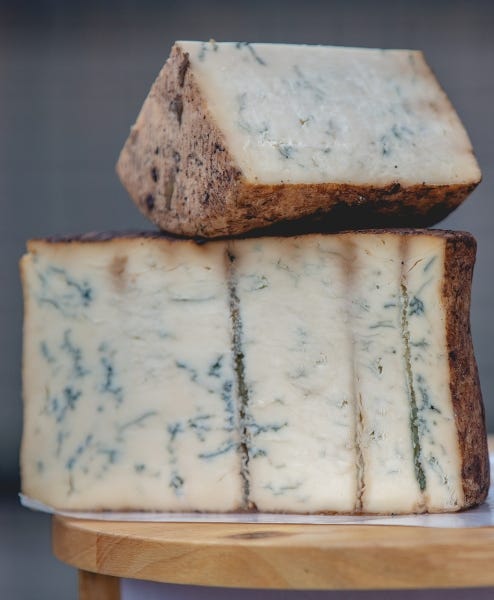
Gorgonzola's future looks bright, and it's not just because of its rich history. The world's growing appetite for high-quality, artisanal cheeses is driving demand for this iconic Italian blue. In 2020, Italy exported over 4,000 tons of Gorgonzola DOP to the US alone, a 15% increase from the previous year. You're probably going to see more of this creamy, tangy delight on cheese boards and menus worldwide.
Innovation Meets Tradition
This is an exciting time for Gorgonzola producers, with opportunities to experiment with new flavors and textures while preserving the traditional production methods that make it so special. Producers like Lazzaro Bertolli are already pushing the boundaries, infusing Gorgonzola with ingredients like truffles and honey. You can expect to see more unique expressions of this classic cheese in the coming years.
Modern techniques are also improving the cheese-making process, enhancing quality and consistency. For instance, controlled aging environments and advanced microbiology are helping producers like Caseificio dell'Angello refine their craft. These advancements ensure Gorgonzola's distinctive character remains intact while meeting the demands of a global market.
As you explore the world of Gorgonzola, you'll discover a cheese that's both steeped in tradition and looking to the future. With its rich flavors, versatile uses, and growing popularity, Gorgonzola is a cheese that's sure to delight your taste buds for years to come.
The future of Gorgonzola is a delicious blend of tradition, innovation, and passion. And that's a recipe for success.
Dive deeper: [What's driving the demand for artisanal cheeses?]((link unavailable)) [How are producers preserving traditional Gorgonzola methods?]((link unavailable)) [Explore innovative Gorgonzola pairings]((link unavailable))









Comments ()