Google AI Glasses Revolution - Hands-Free Future in 2026
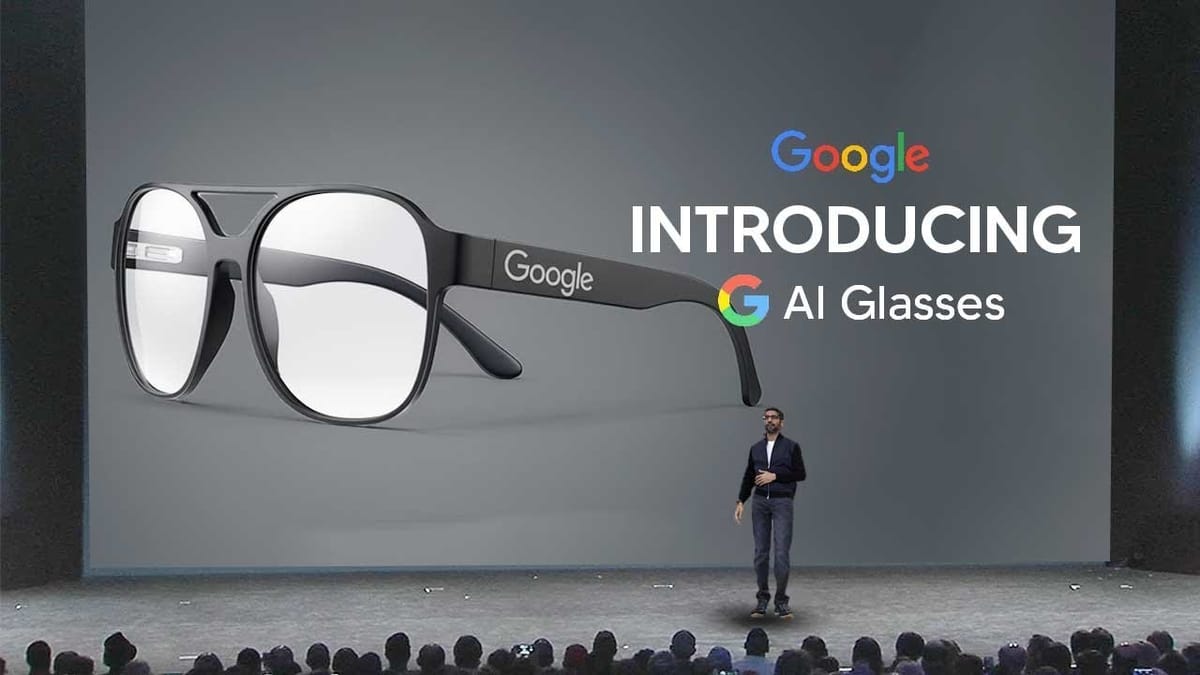
Imagine walking down the street, getting real-time translations, navigation, and even virtual try-ons, all without lifting a finger - sounds like sci-fi, right? But it's becoming a reality with Google's AI glasses, launching in 2026. These innovative glasses are part of the Android XR ecosystem, a collaboration between Google and Samsung, aiming to revolutionize the way we interact with technology. With the global AR market projected to reach $599.59 billion by 2030, Google's AI glasses are poised to be a game-changer. Let's dive into the future of hands-free tech and explore what's in store ¹.
The Next Frontier in Wearable Tech: Google AI Glasses

Imagine a future where your daily tasks are handled seamlessly without even touching your phone – that's what Google's AI-powered smart glasses promise to deliver. By 2026, Google is set to jump into the wearable tech game with its first pair of smart glasses, and trust me, it's generating major buzz.
A Glimpse into the Future
The glasses will come in two models: one with a screen-free design that lets you interact with AI assistance completely hands-free, and another with an in-lens display that provides visual cues right before your eyes. According to reports, these glasses are designed to make everyday tasks easier, whether it's getting directions, translating languages, or taking a call.
Google's entry into the smart glasses market is expected to shake things up and challenge existing players like Meta and Apple. "The potential for AI-powered wearables is enormous," says industry analyst Avi Greywall. With big tech giants racing to perfect wearable AI, we're likely to see some groundbreaking innovations soon.
- Hands-free assistance for everyday tasks
- In-lens display for visual information
- Expected to challenge Meta and Apple's offerings
Designing for Style and Function
You're probably wondering what these Google AI glasses are gonna look like, right? Well, Google's got some big names on board to make sure they're not just functional, but also stylish. The tech giant has partnered with Warby Parker and Gentle Monster, two brands known for their trendy eyewear, to design glasses that you'll actually want to wear. Just imagine rocking a pair of specs that are both futuristic and fashionable – that's what these collaborations aim to achieve.
Seamless Integration
The glasses will run on Android XR, Google's platform for wearables, and will connect to your smartphone for processing. This means you'll get a smooth, hands-free experience that's pretty impressive. The idea is to create a user experience that's both helpful and non-intrusive – you don't want your glasses to be a distraction, after all. With Android XR, Google's aiming to make interacting with AI as natural as possible.
For instance, you could be walking down the street, glance at a restaurant, and get info about it projected onto your lens. Or, you could be cooking and get hands-free recipe instructions. The focus is on making life easier, not more complicated. And with Warby Parker and Gentle Monster on board, you can bet these glasses will be looking sharp.
- Stylish designs from Warby Parker and Gentle Monster
- Android XR platform for seamless integration
- Smartphone connectivity for processing
- Focus on non-intrusive, helpful UX
Gemini AI: The Brain Behind the Glasses
The Gemini AI is the powerhouse behind these revolutionary Google AI glasses, and trust me, it's a game-changer. Imagine having a personal assistant that's always with you, ready to help with real-time translation, navigation, and even live contextual help - that's what Gemini brings to the table.
Your Personal AI Companion
Gemini's capabilities are vast, and it's designed to learn your preferences and adapt to your needs over time. For instance, if you're a foodie, Gemini can suggest restaurants based on your location and taste preferences. It's like having a friend who's always looking out for you. And the best part? It's all accessible through voice commands, making it super easy to use on-the-go.
Let's take language translation, for example. With Gemini-powered glasses, you can travel to a foreign country and have real-time conversations with locals, no language barrier needed. It's like having a personal translator in your pocket. And it's not just limited to language; Gemini can also provide contextual help, like explaining a complex medical diagnosis or even helping you navigate a new city.
- Real-time translation in over 100 languages, including Spanish, Mandarin, and Arabic
- Navigation assistance with turn-by-turn directions and location-based alerts
- Live contextual help with information on the fly, from restaurant reviews to weather updates
The possibilities are endless, and with Gemini AI, you're always one voice command away from a more convenient, more connected life. And as the technology advances, we can expect even more innovative features to be integrated into these smart glasses.
A New Era in Hands-Free Assistance

Imagine walking down a busy street, getting real-time directions and information about your surroundings without needing to glance at your phone. That's the future Google's AI glasses are promising, and it's arriving sooner than you think – 2026 is just around the corner! The best part? These smart glasses come in two models, each designed to cater to different preferences and needs.
Screen-Free Model: Audio Cues at Your Service
The screen-free model is perfect for those who want minimalism. It'll rely on audio cues, using built-in speakers and microphones to guide you. Need directions? Just ask, and the glasses will provide step-by-step audio instructions. Want to know what's on the menu at a nearby restaurant? Simply ask, and you'll get the info straight to your ears. It's like having a personal assistant whispering in your ear, minus the awkwardness.
In-Lens Display Model: Visual Info at a Glance
If visuals work better for you, the in-lens display model has got you covered. Picture this: you're traveling in Tokyo, and you need to navigate the subway. With turn-by-turn directions displayed right in your line of sight, you'll be a pro in no time. Or imagine watching a live translation of a French movie without subtitles – the possibilities are endless. This model is all about making information accessible, without needing to check your phone.
Both models are designed to make your interactions more intuitive. Whether you're cooking, hiking, or just going about your day, these glasses aim to blend seamlessly into your life. As Google's Craig Barthold mentioned, the goal is to make technology feel more natural, like an extension of yourself.
- Real-time language translation
- Navigation assistance
- Contextual information about surroundings
Developer Opportunities and Partnerships
You're probably wondering what's next for Google's AI glasses. Well, the search giant is rolling out the red carpet for developers, and it's a big deal! They're launching a preview of the Android XR SDK, giving developers the tools to create apps specifically for these futuristic glasses.
This move is huge because it opens up a whole new world of possibilities. Imagine having apps that seamlessly integrate with your surroundings, providing real-time information and hands-free control. Google's partnership with Samsung and Qualcomm is also set to boost the Android XR platform, bringing more robust capabilities and features to the table.
Expanding the Ecosystem
Google's not stopping there. They're partnering with eyewear brands to bring these AI glasses to a wider audience. This means you'll have a range of stylish options to choose from, making it easier to find a pair that fits your style and budget.
- Samsung's involvement brings expertise in display and hardware innovation
- Qualcomm's processing power will enable smooth, lag-free performance
- Partnerships with eyewear brands will drive adoption and affordability
With these partnerships, Google's AI glasses are poised to revolutionize the way you interact with technology. As developers get on board, expect a flood of innovative apps that make the most of this hands-free future.
What's Next for Google AI Glasses?
The future looks bright for Google's AI glasses, and you're going to love what's coming. With Google's entry into the smart glasses market, expect innovation and competition to heat up. The tech giant's focus on style, function, and user experience will be crucial to the glasses' success.
Driving Innovation
Google's move is likely to push the boundaries of what's possible with wearable tech. Just look at the impact they've had on the smartphone industry – it's been huge. The AI glasses will probably follow a similar trajectory, with features like real-time translation, augmented reality, and seamless voice control becoming more sophisticated. Imagine walking into a foreign city and having street signs, menus, and directions translated instantly in your field of vision.
The glasses might also revolutionize industries like healthcare and education. For instance, medical students could use them to see real-time patient data during surgeries, or language learners could practice conversations with AI-powered language partners.
- Enhanced AR capabilities for immersive experiences
- Advanced health monitoring features
- Seamless integration with other Google services
As the technology advances, we'll see even more exciting applications. Google's commitment to AI research and development means the possibilities are endless. With Project Glass veterans back on board, the company is poised to make a significant impact.
Get Ready for a Hands-Free Future
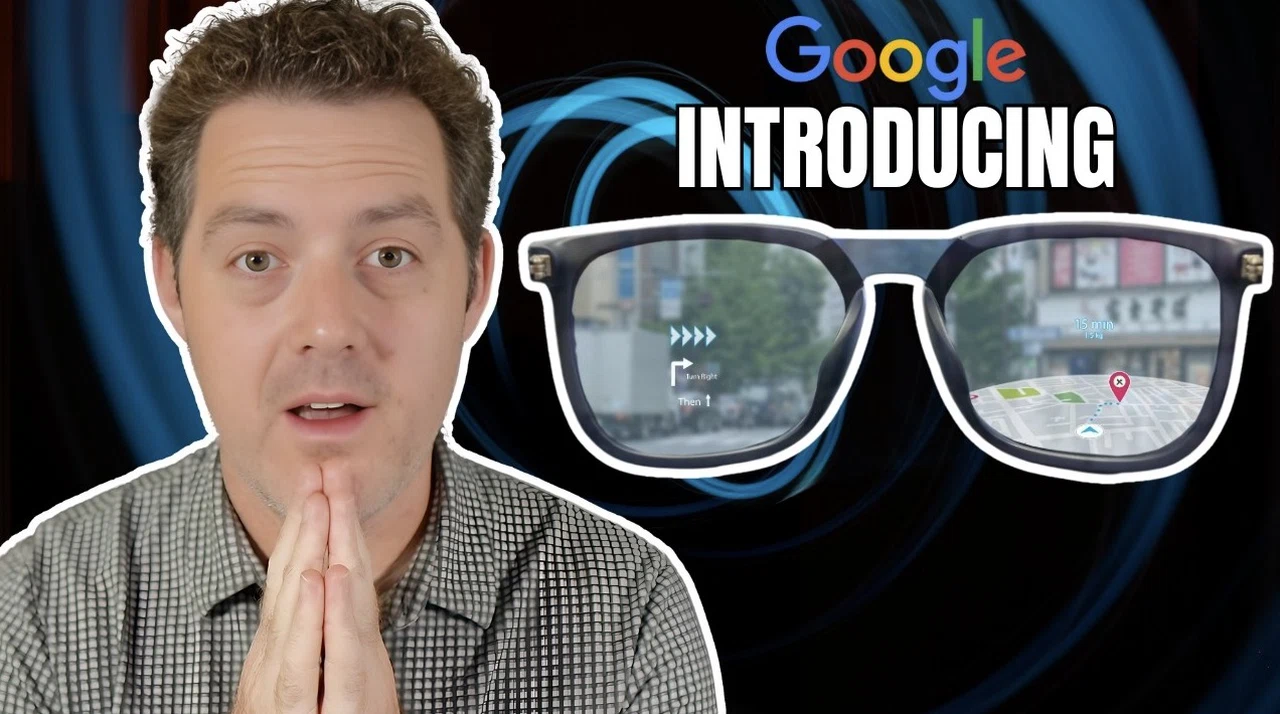
You're about to experience a game-changer. Google AI glasses are hitting the market in 2026, and they're going to flip the script on how you interact with your surroundings. Imagine walking down the street, getting real-time translations, navigation, and info about your surroundings – all without lifting a finger.
The Possibilities Are Endless
The tech behind these glasses is mind-blowing. With features like real-time language translation and augmented reality capabilities, you'll be able to navigate unfamiliar cities like a local. For instance, imagine walking through Tokyo with instant translations of menus, signs, and street names. Industries like healthcare, education, and tourism are about to get a major boost.
- Healthcare professionals can access patient records hands-free during surgeries
- Students can attend virtual classes and get real-time info on museum exhibits
- Tourists can explore cities with personalized, location-based guides
You're looking at a future where information is seamlessly integrated into your daily life. Your commute, work, and leisure time are all about to get a whole lot smarter.
The glasses are expected to start at around ₹1,50,000, with availability in major cities first. Big things are coming – stay tuned!
Ready or not, the hands-free future is knocking on your door. Are you ready to answer?











Comments ()