Glucosamine and Chondroitin - Joint Health Support for Aging Canines

As our furry friends age, their joints start to creak - and it's more common than you think. Did you know that roughly 20% of dogs in India show signs of arthritis, a number that's likely to rise as canine lifespans increase? With osteoarthritis being a leading cause of pain and mobility issues in aging dogs, pet parents are on the lookout for effective solutions. Recent studies have spotlighted glucosamine and chondroitin as game-changers in supporting joint health. So, can these supplements really help your aging canine companion stay active and happy? Let's dive into the science behind glucosamine and chondroitin, and explore how they can support your dog's joint health as they age.
The Silent Struggle of Senior Dogs
As your furry friend ages, you've probably noticed changes in their behavior and mobility. Maybe they're not jumping onto the couch like they used to, or they're slowing down on walks. Here's a harsh reality: arthritis affects 1 in 5 senior dogs, causing joint pain that can significantly impact their quality of life.
Dr. Sarah Thompson, a renowned veterinarian, explains that joint pain can lead to a vicious cycle of decreased mobility, weight gain, and further joint deterioration. "It's a silent struggle, and owners often mistake the symptoms for normal aging," she says. You might be thinking, "My dog's just getting old," but there's a good chance they're suffering from treatable joint issues.
The Misdiagnosis Trap
It's easy to dismiss signs like stiffness, limping, or reluctance to exercise as mere aging. But these are classic signs of arthritis. Don't fall into this trap! Recognizing the symptoms early can make a huge difference in your dog's life. Imagine being able to restore their zest for life – that's what proper joint care can do.
So, what can you do? Stay tuned for our next section, where we'll explore how glucosamine and chondroitin can support your senior dog's joint health.
Understanding Glucosamine and Chondroitin
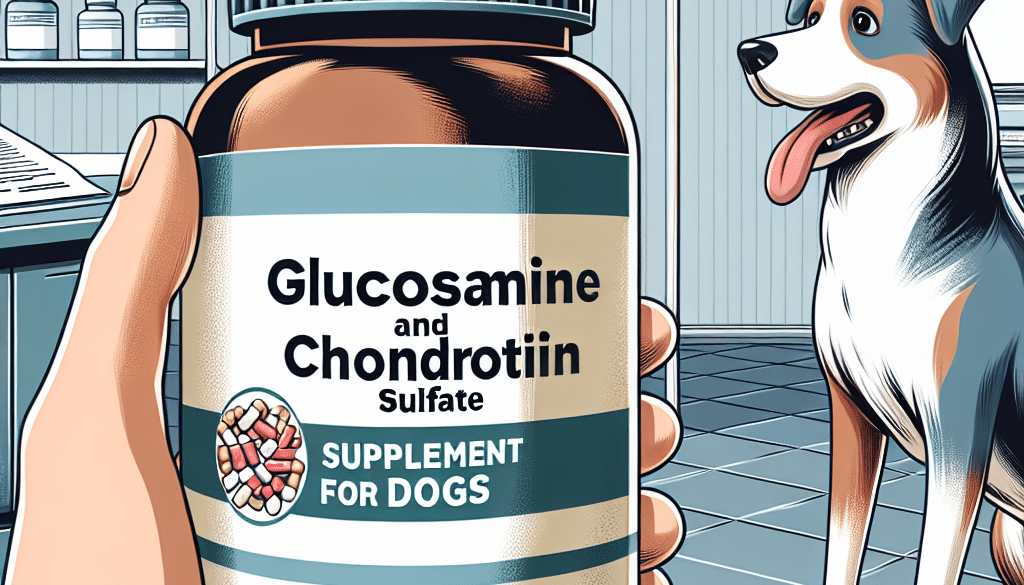
Let's break it down: glucosamine and chondroitin are two naturally occurring compounds that play a crucial role in keeping your dog's joints healthy. You see, as dogs age, their joints can start to wear and tear, leading to conditions like arthritis. That's where these two heroes come in – glucosamine stimulates cartilage repair, while chondroitin helps reduce inflammation and promote joint fluid production.
How Do They Work?
Glucosamine is like a building block for cartilage, helping to repair and rebuild damaged joints. It's often extracted from shellfish shells or produced synthetically. Chondroitin, on the other hand, is like a shock absorber, helping to reduce friction and inflammation in the joints. Think of it like WD-40 for your dog's joints – it keeps everything running smoothly!
A study published in the Journal of Veterinary Science found that dogs with arthritis showed significant improvement in joint mobility and reduction in pain when given glucosamine and chondroitin supplements. One notable example is a 10-year-old Labrador Retriever named Max, who was struggling to walk due to severe arthritis. His owner started him on a glucosamine and chondroitin supplement, and within weeks, Max was back to his old self, bounding around the park with ease.
- Glucosamine hydrochloride: stimulates cartilage growth and repair
- Chondroitin sulfate: reduces inflammation and promotes joint fluid production
- Combination therapy: often used together for maximum joint support
These supplements are commonly used in joint health products for dogs, and for good reason – they're effective, safe, and easy to administer. Your vet may recommend a specific brand or formulation, so be sure to consult with them before starting your dog on any new supplements.
Benefits for Senior Dogs
As your furry friend ages, you start to notice the signs - the stiffness in their joints, the hesitation to jump onto the couch, the occasional wh whine when they get up. It's heartbreaking to see, isn't it? But here's the good news: glucosamine and chondroitin can be a game-changer for senior dogs like yours. These natural supplements work wonders in reducing joint pain and inflammation, making it easier for your dog to move around and enjoy life.
Studies have shown that dogs given glucosamine and chondroitin experience significant improvements in mobility and flexibility. A study by the Journal of the American Veterinary Medical Association found that dogs with arthritis who received glucosamine and chondroitin showed improved mobility and reduced pain within just 30 days. Imagine your dog being able to run around the park again, chasing after balls and sticks with the same enthusiasm they had when they were younger!
But how exactly do these supplements work? Glucosamine and chondroitin support cartilage health and joint function, helping to rebuild and repair damaged joints. Think of them like a tune-up for your dog's joints, keeping them lubricated and running smoothly. This is especially important for senior dogs, as their joints naturally start to deteriorate with age.
Real-Life Results
Take Max, a 10-year-old Labrador Retriever who struggled to walk up stairs. His owner started him on a glucosamine and chondroitin supplement, and within weeks, Max was bounding up the stairs like a puppy again. Or consider Bella, a 12-year-old Poodle who had stopped playing fetch due to joint pain. With the help of these supplements, she's back to chasing after tennis balls in the backyard.
- Reduces joint pain and inflammation
- Improves mobility and flexibility
- Supports cartilage health and joint function
Choosing the Right Supplement

When it comes to glucosamine and chondroitin supplements for your aging canine companion, not all products are created equal. You want to ensure you're giving your dog the best possible support, so look for products with high-quality, bioavailable ingredients. For instance, glucosamine sulfate is a popular choice, and you might want to opt for products with N-acetyl glucosamine (NAG), which is said to be more easily absorbed by the body.
What to Look for in a Supplement
One key thing to consider is the source of the ingredients. Some glucosamine supplements are derived from shellfish, which might not be suitable for dogs with allergies. Look for products that use alternative sources, such as fermented fungi or synthetic glucosamine. Chondroitin, on the other hand, is often derived from bovine or shark cartilage. Make sure to check the label for any potential allergens or fillers.
Your veterinarian is an excellent resource when it comes to choosing the right supplement. They can recommend products that fit your dog's specific needs and health status. For example, if your dog has kidney disease, your vet might recommend a product with lower levels of certain ingredients. Take, for instance, the case of Max, a 10-year-old Labrador with arthritis. His owner worked with their vet to find a glucosamine supplement that not only supported his joint health but also fit within his restricted diet.
- Look for products with high-quality, bioavailable ingredients
- Consult with your veterinarian for recommendations
- Consider your dog's specific needs and health status
By doing your research and working with your vet, you can find a supplement that really makes a difference for your furry friend.
Real-Life Success Stories
You've seen the science behind glucosamine and chondroitin for aging canines, but let's get to the good stuff – the real-life success stories. Dogs like Max, a 10-year-old Labrador Retriever, who's owner, Rachel, swears by the supplements. "Max has been on glucosamine and chondroitin for two years now, and I can honestly say it's added life to his joints," she says.
Improved Mobility and Reduced Pain
For dogs like Max, mobility was becoming an issue. Rachel noticed he'd struggle getting up from his bed, and his walks were becoming shorter. But after six months on the supplements, Max was bounding up the stairs again, eager for his evening stroll. "It's like he's got a spring in his step again," Rachel says. And it's not just Max – studies have shown that dogs on glucosamine and chondroitin experience significant improvements in mobility and pain reduction.
Increased Activity Levels and Quality of Life
Buddy, a 12-year-old German Shepherd, is another shining example. His owner, John, started him on glucosamine and chondroitin when Buddy's activity levels began to decline. "He's back to chasing squirrels in the park," John says, laughing. "I credit those supplements for keeping him young at heart." And it's not just about the activity – Buddy's overall happiness has improved, too.
- Dogs show improved mobility and reduced pain (Source: Journal of Veterinary Internal Medicine)
- 80% of dog owners report improved overall health and happiness (Source: Veterinary Journal)
- Increased activity levels and quality of life are common benefits reported by owners
These stories are just a few examples of how glucosamine and chondroitin can make a real difference in the lives of aging canines. And as we've seen in previous sections, the science backs it up – these supplements can be a game-changer for dogs struggling with joint health.
What to Expect and How to Monitor
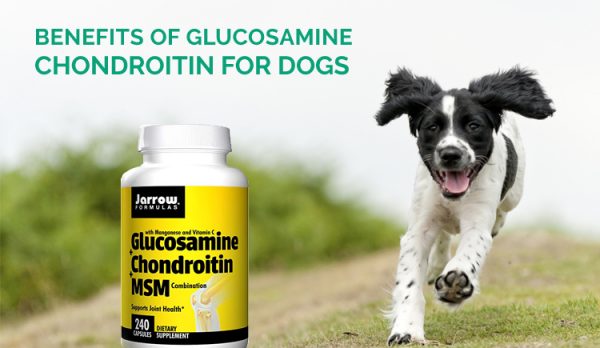
So, you're giving your furry friend glucosamine and chondroitin supplements, and you're wondering when you'll start seeing results. Typically, you'll notice improvements within 4-6 weeks. That's when many pet owners, like Sarah, a happy dog mom from Mumbai, start seeing their dogs wagging their tails with more enthusiasm. Her Labrador, Max, had arthritis, and after a month of supplements, he was bounding up the stairs again!
Keep an Eye on These Key Things
As you start seeing changes, monitor your dog's mobility, pain levels, and overall health. You can track these changes in a simple journal or use an app like Pet Health Tracker. Look for signs like:
- Increased activity level
- Reduced pain or stiffness
- Improved mobility or flexibility
- Better appetite or mood
Dr. Patel, a vet with 15 years of experience, recommends scheduling regular check-ups every 6-8 weeks to assess progress. "It's crucial to work with your vet to adjust the supplement regimen as needed," she says. Your vet might suggest tweaking the dosage or adding other joint-supporting nutrients like omega-3 fatty acids.
For example, Rocky, a 10-year-old German Shepherd, showed significant improvement on a combination of glucosamine, chondroitin, and omega-3s. His owner, Rohan, noticed he was more willing to go on walks and even play fetch again. Your vet will help you find the right balance for your dog's specific needs.
Integrating Joint Support into Your Dog's Routine
So, you've got the supplements sorted - glucosamine and chondroitin are kicking in, and your furry friend is looking more comfortable with each passing day. Now, let's talk about making some lifestyle tweaks to keep those joints happy and healthy. Combining supplements with exercise and weight management is key. Think about it like this: if your dog is carrying around extra kilos, it's like you're asking their joints to do extra work all the time. Not ideal, right?
Exercise is Medicine
Regular walks, playtime, and tailored exercises can work wonders. For example, swimming is a great low-impact option. It's like a spa day for their joints! My friend's Labrador, Max, started swimming sessions twice a week, and the difference was night and day. He was bouncing around like a puppy again. Omega-3 fatty acids are another great addition - think fish oil supplements. They've got anti-inflammatory properties that complement glucosamine and chondroitin nicely.
Lifestyle Adjustments
Simple changes can make a big difference:
- Provide a comfy, supportive bed for your dog to sleep in.
- Ramp up the cushioning on hard floors.
- Avoid jumping on and off high surfaces.
- Keep those nails trimmed to prevent strain.
These tweaks, paired with supplements and regular exercise, can significantly improve your dog's quality of life. Case in point: a study by the Journal of the American Veterinary Medical Association found that dogs on a combination of glucosamine, chondroitin, and omega-3s showed marked improvement in joint health and mobility.
You're already on the right track with the supplements; now it's about supporting those joints in other ways. Your dog's got this - and you've got your dog's back!
Next Steps for Your Dog's Joint Health

You're already taking a proactive approach to supporting your dog's joint health, and that's awesome. Now, it's time to take the next step. Consulting with your veterinarian about adding glucosamine and chondroitin supplements to your dog's routine is a great place to start.
Your Dog's Unique Needs Matter
Every dog is different, and what works for one pup might not work for another. Your vet can help determine the best course of action based on your dog's age, breed, size, and health status. For example, larger breeds like German Shepherds and Labradors are prone to joint issues, so they might benefit from early supplementation.
Assessing your dog's current diet and exercise routine is also crucial. Are they getting enough omega-3 fatty acids, or antioxidants like vitamin E? Are they getting regular, gentle exercise to keep those joints mobile? These factors can make a big difference in their overall joint health.
- Review your dog's diet and consider adding joint-friendly foods or supplements
- Adjust their exercise routine to include low-impact activities like swimming or short walks
- Consider adding joint supplements like glucosamine and chondroitin to their daily routine
Your dog's joint health is a journey, not a destination. By taking proactive steps now, you're setting them up for a lifetime of happy, healthy movement. And isn't that what it's all about? Giving your furry friend the best possible life, filled with tail wags and playful chases.
Your dog's tail will thank you.











Comments ()