Glaucoma's Silent Threat to Vision
Imagine waking up one day to find your world slowly going dark, with no warning signs or symptoms – just a gradual loss of vision that's irreversible. This is the harsh reality of glaucoma, a leading cause of irreversible blindness worldwide. In India alone, over 12 million people are affected by glaucoma, with the number expected to rise to 20 million by 2030. Recent studies have highlighted the alarming fact that 50% of glaucoma cases go undiagnosed until it's too late, making awareness and early detection crucial. As we explore the silent threat of glaucoma, let's start with understanding what this sneaky disease is and how it creeps into our lives unnoticed.
The Sneaky Progression of Glaucoma
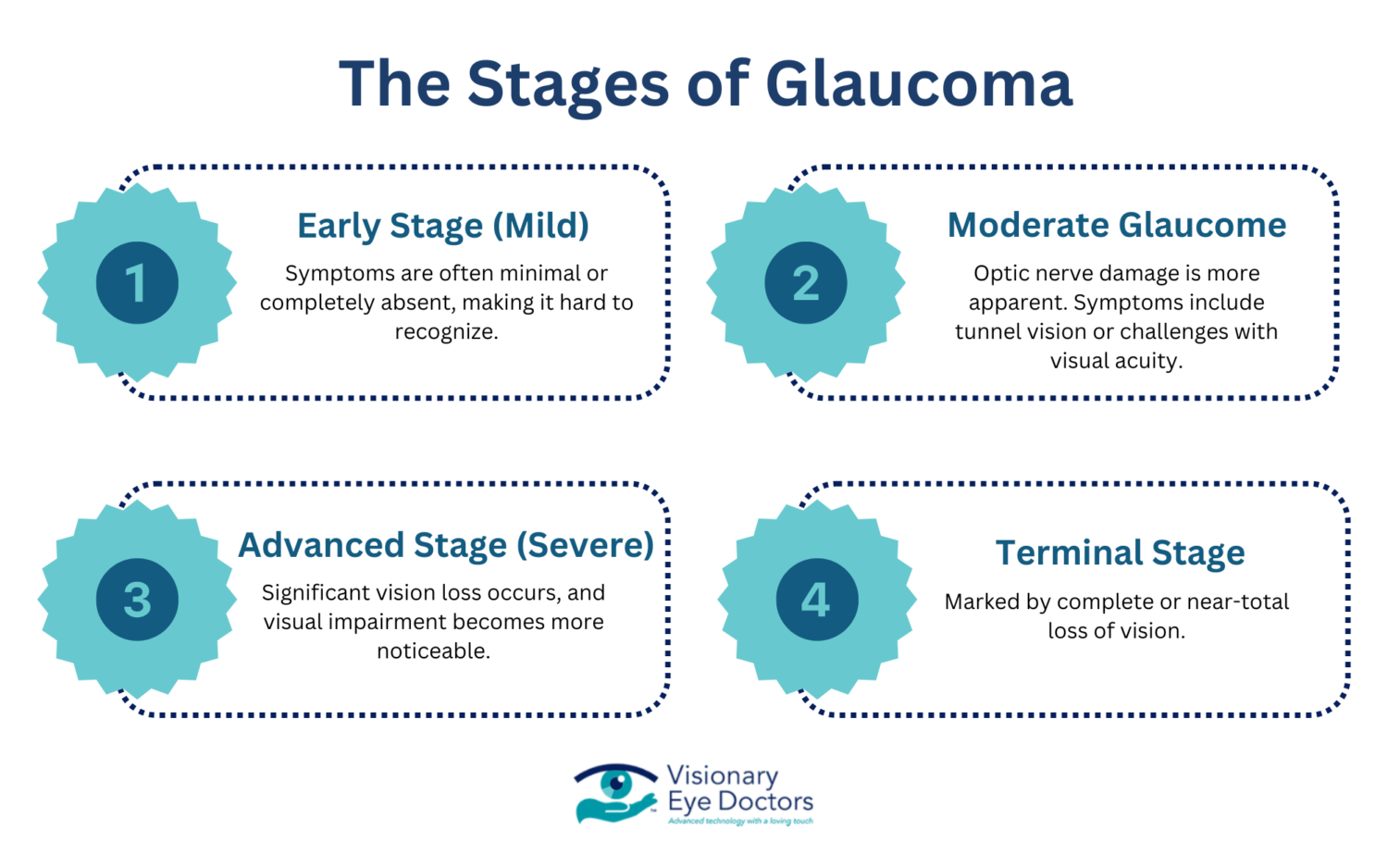
Glaucoma is a sneaky foe, silently stealing vision without warning. It's a leading cause of irreversible blindness worldwide, with over 11.2 million people affected in India alone, according to the Glaucoma Society of India. The worst part? You might not even realize it's happening until it's too late.
The reason it's so stealthy is that symptoms often go unnoticed until significant vision loss occurs. "Glaucoma is asymptomatic in its early stages," says Dr. Shalini Singh, a renowned ophthalmologist. "By the time patients experience noticeable symptoms, the disease has often progressed significantly." This is why early detection is crucial for preserving your vision – it's the only way to catch it before it's too late.
Here's the thing: glaucoma is a group of eye diseases that damage the optic nerve, usually due to increased intraocular pressure (IOP). There are several types, including open-angle and angle-closure glaucoma, each with its own progression rate. But one thing's common – the risk increases with age, especially after 40.
The Numbers Don't Lie
Worldwide, glaucoma affects around 70 million people, with India accounting for a significant chunk. The numbers are expected to rise to 111.8 million by 2040, says a study published in the Journal of Glaucoma. The point is, you're at risk, and it's time to take notice.
So, what's next? Stay tuned – we'll dive into the risk factors and symptoms to watch out for. The sooner you know, the better equipped you'll be to protect your vision.
Understanding Glaucoma's Impact on Vision
Glaucoma's got a sneaky way of stealing your sight. See, it's not just about blurry vision or eye strain; it's about permanent damage to the optic nerve, like the one Mrs. Patel experienced when she was diagnosed with advanced glaucoma last year. She's 55, and her ophthalmologist, Dr. Sharma, explained that the increased pressure inside her eye had been gradually killing off her optic nerve cells, leading to significant vision loss, particularly in her peripheral vision.
How Glaucoma Affects Your Field of Vision
You might not notice it at first, but glaucoma typically starts by affecting your side vision. Imagine looking straight ahead and gradually losing the ability to see objects or movement on the sides – that's what happens with glaucoma. It's like looking through a tunnel, and if left untreated, the tunnel gets narrower and narrower until there's no vision left. For instance, John, a 62-year-old retired teacher, noticed he was bumping into things on his left side. Turns out, his glaucoma had progressed quite a bit, damaging his peripheral vision.
Increased eye pressure is a major risk factor, but it's not the only one. Other factors like family history, age, and ethnicity also play a role. You're at higher risk if you're over 40 or have a family history of glaucoma. And did you know African and Hispanic populations are more prone to glaucoma? The good news is early detection and treatment can slow it down. Dr. Lee, a glaucoma specialist, says, "We can manage glaucoma effectively if caught early, often through medications or laser treatment to reduce eye pressure."
- Damage to the optic nerve is irreversible
- Early detection is key to preserving vision
- Treatment focuses on lowering eye pressure
Types of Glaucoma: Knowing the Differences
You might've heard of glaucoma being referred to as the "sneak thief of sight", and that's because it can progress silently, often without noticeable symptoms, until it's too late. Let's break down the main types so you're equipped to understand what's going on.
Open-angle Glaucoma: The Gradual Thief
This is the most common type, accounting for about 90% of cases. With open-angle glaucoma, the drainage canals in your eye get clogged over time, causing pressure to build up and damaging your optic nerve. It's like a slow-moving river – you won't notice anything's wrong until significant damage is done. Take the case of 65-year-old Rohan, who didn't realize he had open-angle glaucoma until he lost 20% of his vision.
Angle-closure Glaucoma: The Sudden Attack
Imagine waking up to severe eye pain and blurry vision – that's what can happen with angle-closure glaucoma. This type occurs when the iris suddenly blocks the drainage angle, causing a rapid increase in eye pressure. It's less common, but more likely to cause noticeable symptoms like eye pain, headaches, and nausea. If you're feline Asian descent, you're at higher risk, as this type is more prevalent in this population.
Normal-tension Glaucoma: The Mysterious One
Here's the puzzling part: some people develop glaucoma even with normal eye pressure. This is known as normal-tension glaucoma, and researchers aren't entirely sure what causes it. What we do know is that factors like Japanese ethnicity, family history, and low blood pressure might play a role.
Now that you've got a handle on the types, let's move on to understanding how glaucoma affects your vision. The key takeaway? Regular eye exams are crucial, especially if you're at risk. Don't wait for symptoms – by then, it might be too late.
Risk Factors and Prevention Strategies
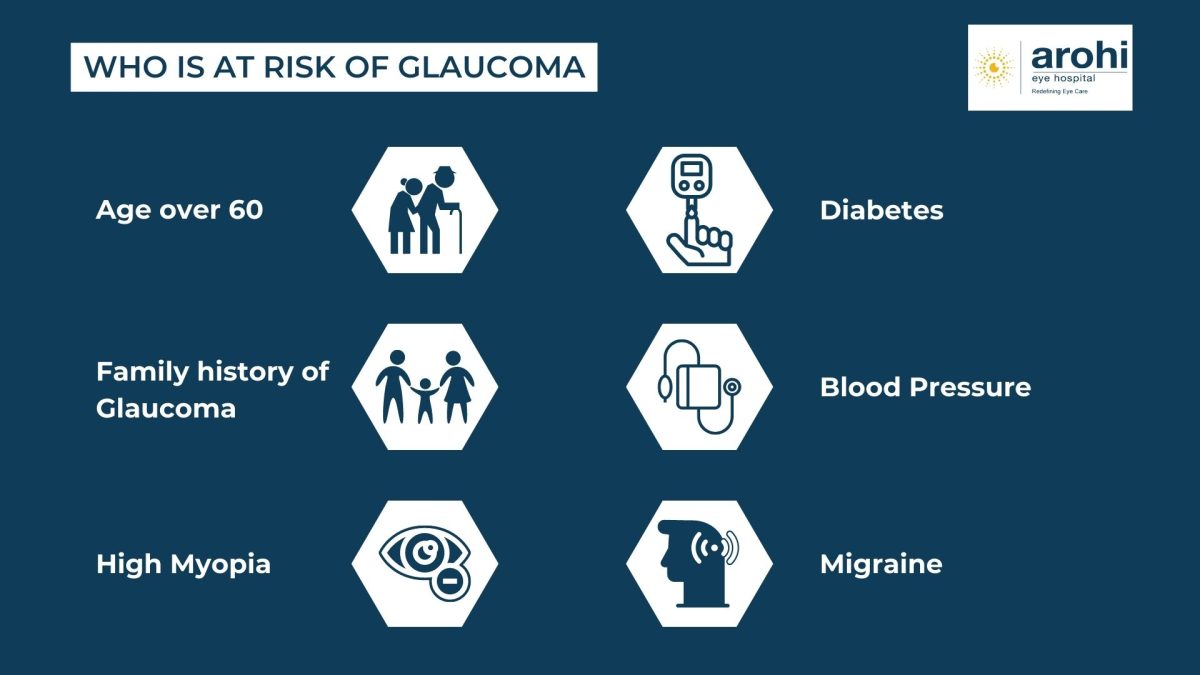
You know, glaucoma's sneaky, and certain factors can tip the scales in its favour. Age is a biggie – if you're over 40, you're at higher risk, especially if you've got a family history of the disease. Studies show that people with a first-degree relative diagnosed with glaucoma are 4-10 times more likely to develop it themselves.
Who's Most at Risk?
Ethnicity plays a role too. Did you know African Americans are 6-8 times more likely to develop glaucoma than Caucasians? And if you're of Asian or Hispanic descent, your risk profile's different again. The point is, knowing your risk factors is key.
Regular eye exams are your best bet for catching glaucoma early. The American Academy of Ophthalmology recommends comprehensive eye exams every 3-5 years after 40, or more often if you're high-risk. Dr. Maya K. Rao, a leading glaucoma specialist, says, "Early detection's critical – we can slow progression with modern treatments, but you need to stay on top of those eye tests."
Your lifestyle choices can also make a difference. Maintaining healthy blood pressure's crucial – hypertension's linked to increased intraocular pressure, a major glaucoma risk factor. Exercise regularly, eat a balanced diet, and don't smoke. These habits can help keep your eyes healthy.
- Regular exercise: aim for 30 minutes of moderate activity most days
- Balanced diet: load up on leafy greens, omega-3 rich foods, and colourful fruits
- No smoking: it's a major risk factor for many eye diseases, including glaucoma
- Limit caffeine: excessive intake may increase eye pressure temporarily
Knowing your risk and taking proactive steps can make all the difference. Stay vigilant, and keep those eye exams up – your vision's worth it.
Diagnosis and Treatment Options
You're probably wondering how glaucoma is detected and what you can do if you're diagnosed. Let's dive into the specifics. A comprehensive eye exam is the best way to detect glaucoma. During the exam, your eye doctor will check your eye pressure, examine the optic nerve, and assess your visual field. There's no single test that can definitively diagnose glaucoma, so your doctor will likely perform a series of tests to get a complete picture of your eye health. One key test is tonometry, which measures the pressure inside your eye. Your doctor may use a non-contact tonometer or an applanation tonometer to get an accurate reading. They'll also examine the optic nerve for any signs of damage or abnormalities. Visual field tests are another crucial diagnostic tool. You'll be asked to look at a series of lights and press a button when you see them. This helps your doctor map out your field of vision and detect any blind spots. If glaucoma is detected, your doctor will work with you to develop a treatment plan. Medications are often the first line of treatment. Eye drops like timolol or latanoprost can help lower eye pressure and slow disease progression. You may need to use these drops once or twice a day, depending on the severity of your condition.
Laser Therapy and Surgery
If medications aren't enough, laser therapy or surgery may be necessary. Laser trabeculoplasty is a procedure that uses a high-energy laser to improve drainage in the eye and reduce pressure. It's typically done in an outpatient setting and takes about 10-30 minutes. Surgery might be recommended if laser therapy isn't effective or if you have advanced glaucoma. Trabeculectomy is a surgical procedure that creates a new drainage channel in the eye. This can help reduce eye pressure and slow disease progression. Early treatment can make a huge difference in preserving your vision. With the right treatment plan, you can slow disease progression and protect your vision. For example, a study published in the Journal of Glaucoma found that patients who received treatment within two years of diagnosis had significantly better visual outcomes than those who didn't receive treatment until later. Don't wait – schedule an appointment with your eye doctor today if you're concerned about glaucoma.
Living with Glaucoma: Adapting to Vision Changes

You're not alone in this journey. Many people are living with glaucoma, managing their condition, and thriving. But let's be real, it's not always easy. Vision loss can impact daily activities like reading, driving, or even recognizing faces. Simple tasks become challenging, and it's tough to adjust.
Making Life Easier
The good news is, there are many assistive technologies and lifestyle adjustments that can help. For instance, apps like Seeing AI or Google Lookout can describe your surroundings, read text aloud, or identify products. You can also try magnification glasses or devices like the OrCam MyEye. These tools can be a game-changer.
Then there's David, a glaucoma patient who loves painting. He's adapted by using larger brushes and bold colors. "It's not about losing my vision; it's about finding new ways to create," he says. His art studio's now filled with vibrant pieces that showcase his resilience.
You're Part of a Community
Support groups provide emotional support, and that's vital. Connecting with others who understand what you're going through makes a huge difference. The Glaucoma Support Network or online forums are great places to start. Share your experiences, ask questions, and get advice from people who've been there.
- Talk to loved ones about your needs and feelings
- Stay connected with friends and family
- Explore local resources and support groups
- Stay positive and focus on what you can do
Living with glaucoma requires adjustments, but it doesn't define you. With the right tools and support, you can lead a fulfilling life. You're not alone; there's a whole community behind you.
The Future of Glaucoma Treatment and Research
You're probably wondering what's on the horizon for glaucoma treatment. Well, there's exciting news. Researchers are working tirelessly to develop new treatments and technologies that'll improve detection and management. For instance, the iGlaucoma project is developing a smartphone-based glaucoma detection system using AI-powered image analysis.
Early Detection is Key
Early detection is crucial in managing glaucoma, and researchers are focusing on making it more accessible. The UK's Moorfields Eye Hospital is leading a study using AI to analyze retinal scans and detect glaucoma symptoms up to 18 months earlier than traditional methods. Imagine having a tool that can spot glaucoma before you even notice symptoms – it's a game-changer.
Genetic studies are also advancing rapidly, aiming to identify individuals at high risk of developing glaucoma. Researchers have already identified over 100 genetic variants linked to glaucoma risk. Companies like 23andMe are even offering genetic testing to identify potential risk factors.
- New treatments like sustained-release implants and minimally invasive surgeries are being developed
- Researchers are exploring stem cell therapies to regenerate damaged optic nerves
- Advanced imaging technologies like OCT angiography are improving diagnosis accuracy
The future of glaucoma treatment looks promising, with many innovative approaches in the pipeline. As research advances, you'll have access to better diagnostic tools and treatments, reducing the risk of vision loss. The work being done by researchers and clinicians is bringing us closer to a future where glaucoma is no longer a leading cause of blindness.
Taking Action: Protecting Your Vision
Glaucoma's silent threat can be scary, but here's the thing: you have the power to fight back. By taking simple steps, you can protect your vision and keep glaucoma at bay. Let's break it down.
Know Your Numbers
Schedule regular eye exams, ideally every 6-12 months, especially if you're over 40 or have a family history. Think of it like getting a MOT for your car – it helps catch any issues before they escalate. Dr. Shroff's Charity Eye Hospital recommends comprehensive eye exams that include pressure checks and optic nerve evaluations.
Your Family's Story Matters
Know your family history and risk factors. If your parents or siblings have glaucoma, you're at higher risk. Don't keep it a secret – share your family's eye health story with your doctor. It's a conversation that could save your sight.
Staying informed is key. Keep up with glaucoma research and new treatment options. For instance, innovations like micro-stent implants and laser treatments are changing the game. You can stay updated through organizations like the Glaucoma Society of India or by talking to your eye care specialist.
- Schedule your next eye exam today
- Talk to your family about their eye health
- Stay informed about glaucoma and treatment options
The bottom line? Your vision is worth it. Take action, and keep seeing the world in all its glory.










Comments ()