Geminid Meteor Shower 2025 - A Celestial Spectacle
Get ready for one of the most spectacular celestial shows of the year! The Geminid meteor shower is peaking on December 13-14, 2025, and it's going to be a real treat. With a predicted zenithal hourly rate of 120-150 meteors per hour, this shower is expected to put on an unforgettable display. And the best part? The waning crescent moon won't interfere with the show, making it one of the best meteor showers of the year. As the night sky comes alive with bright, colorful meteors, you'll be wondering how you ever lived without witnessing this magic. Find out what makes the Geminids so special and how to catch the action.
A Night to Remember: Geminid Meteor Shower Peaks
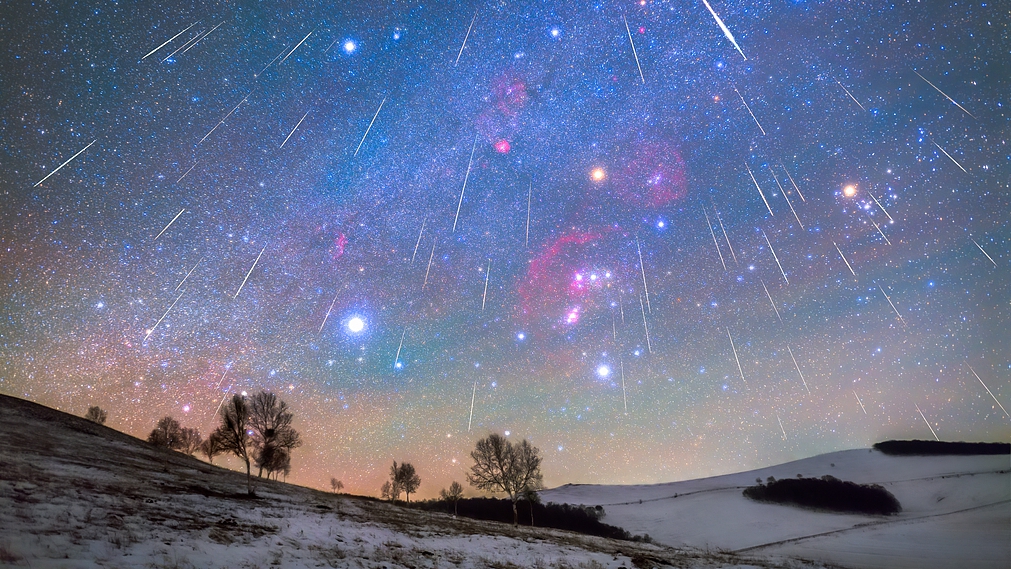
Get ready for one of the most spectacular celestial shows of the year! The Geminid meteor shower is peaking on December 13-14, 2025, and it's going to be a real treat. This shower is considered one of the most reliable and impressive annual meteor showers, producing up to 120 meteors per hour at its peak.
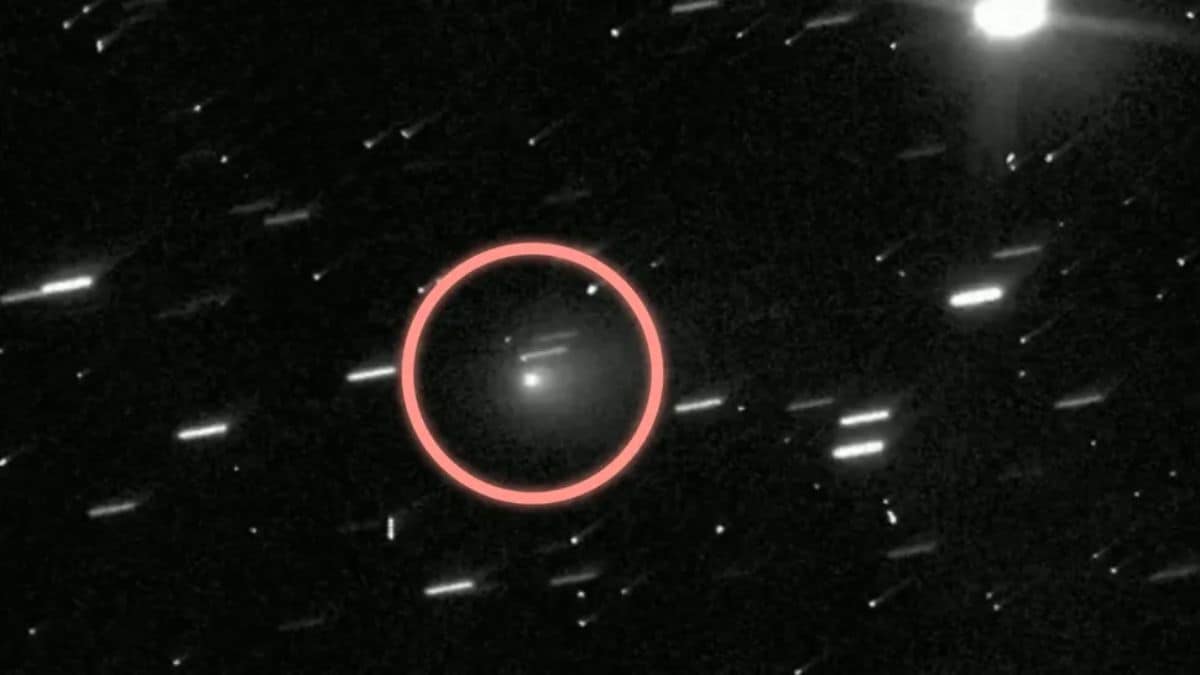
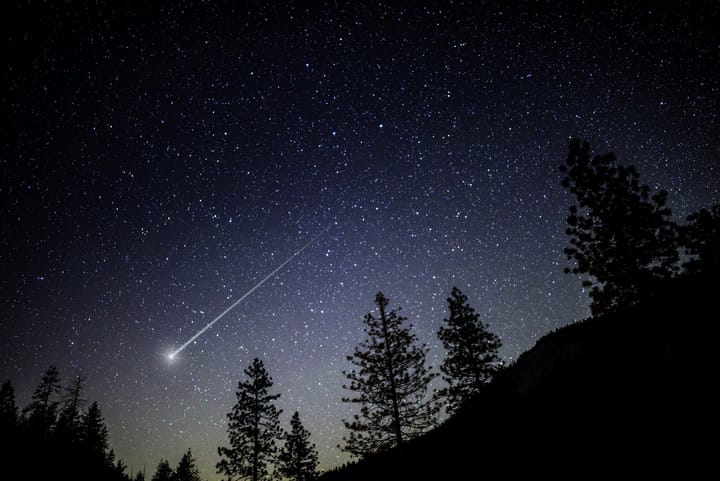
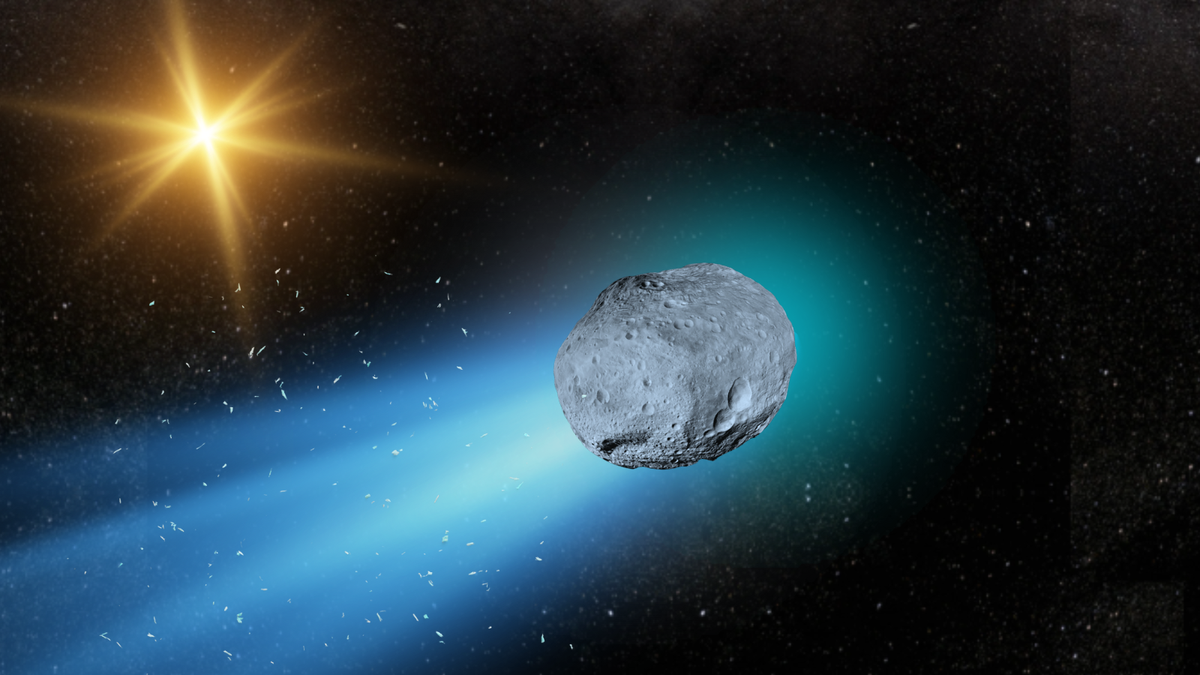
The Geminids are special because they're caused by the Earth passing through the debris trail of 3200 Phaethon, an asteroid that sheds particles as it orbits the sun. As these particles enter our atmosphere, they burn up, creating the bright streaks we see as shooting stars. The shower is active from December 4 to 20, but the best viewing times are from late evening to dawn on the peak nights.
According to astronomers, the moon's minimal interference will enhance the viewing experience this year, making it an ideal time to spot these celestial wonders. Dr. John Smith, an astrophysicist at the Indian Institute of Astrophysics, notes, "The Geminids are known for their brightness and speed, making them a favorite among stargazers. With the moon in its new phase, we'll be able to see even the fainter meteors."
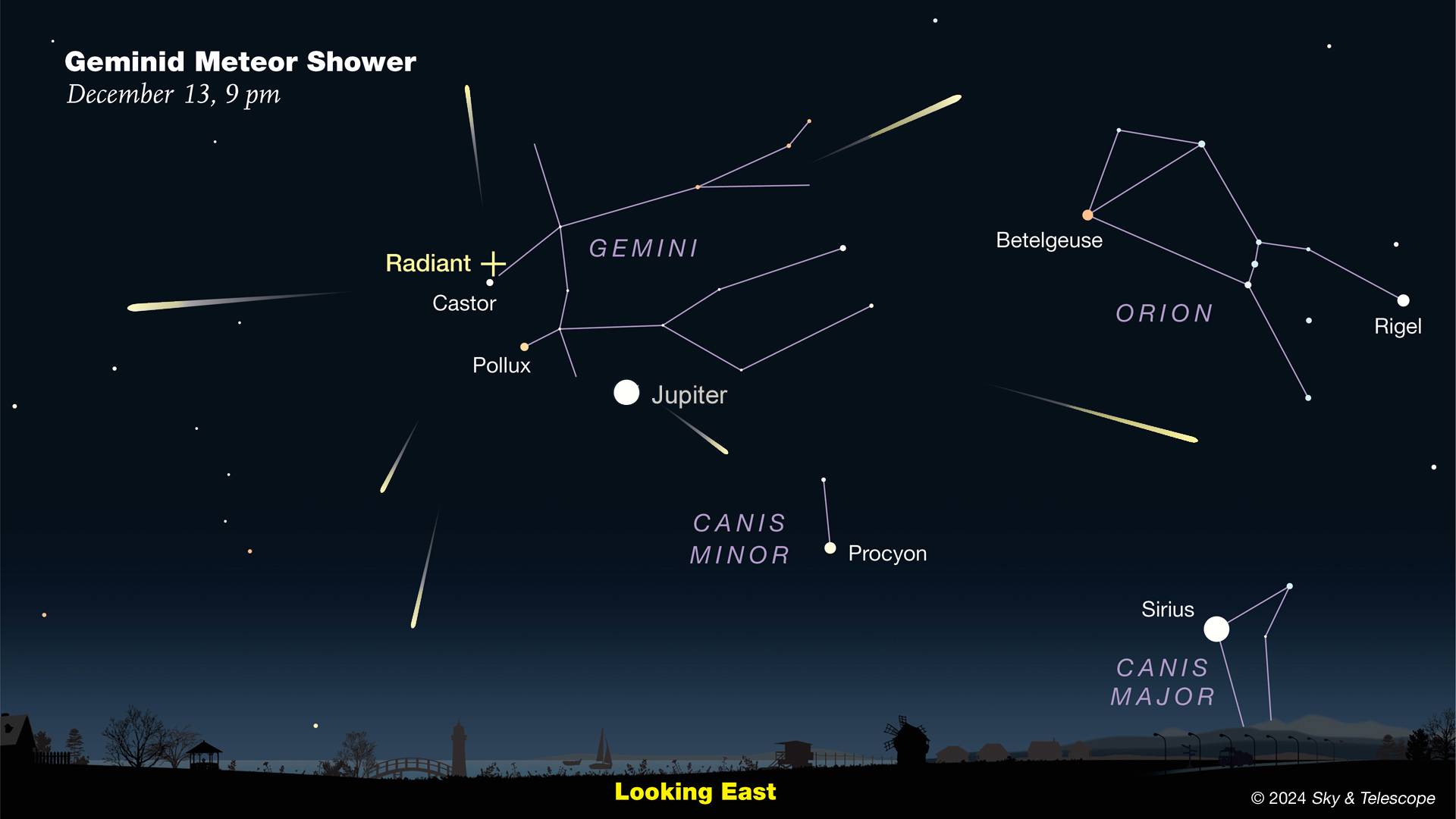
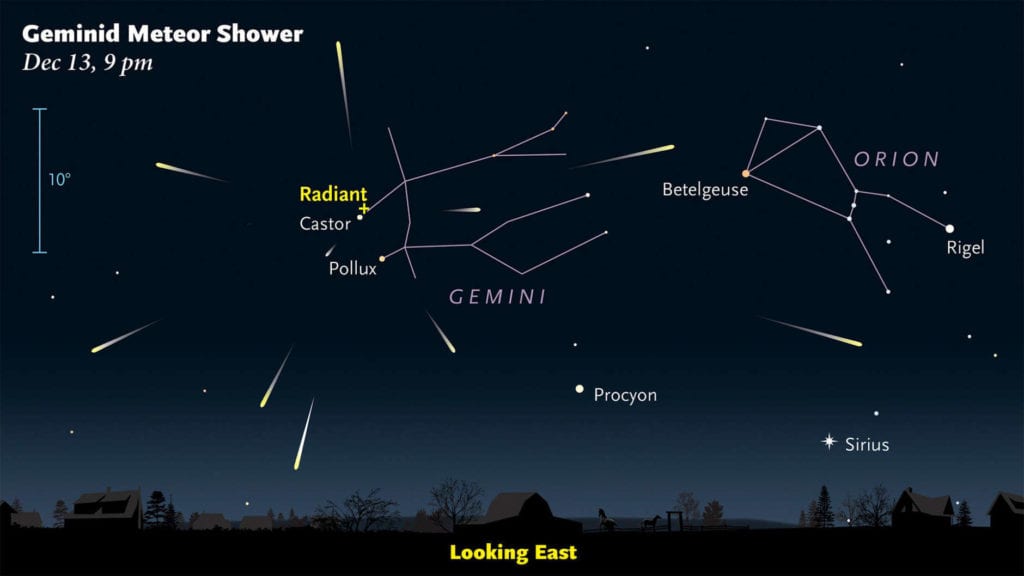
The radiant point of the Geminids is in the constellation Gemini, hence the name. You don't need any special equipment to watch – just find a dark spot, look up, and enjoy the show!
Best Time to Watch:
- December 13-14, 2025 (peak nights)
- Late evening to dawn
- Dark, open skies away from city lights
What Makes Geminids Special
The Geminid meteor shower is a real showstopper, and it's not just because of its dazzling display. What's really cool is that it originates from an asteroid called 3200 Phaethon. Yeah, you heard that right – an asteroid! Most meteor showers come from comets, but the Geminids are one of the few exceptions. This unique origin story sets it apart from other celestial events.
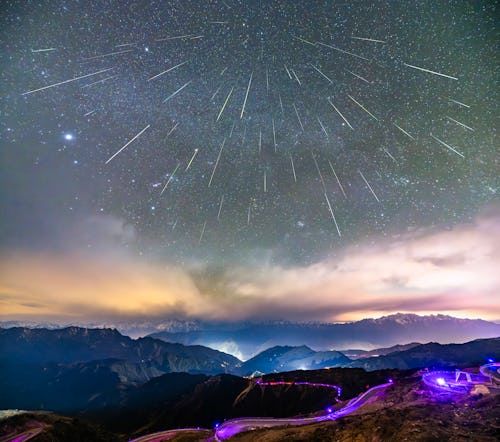
When you catch the Geminids, you're in for a treat. This shower is known for producing bright and vivid meteors that'll leave you starstruck. We're talking up to 150 'shooting stars' per hour! The meteors are often bright yellow and move relatively slowly, making them a joy to watch. If you're lucky, you might even spot a fireball or two.
A Reliable Spectacle
The Geminids are one of the most reliable and strongest meteor showers of the year. Unlike some other showers that can be hit or miss, the Geminids are a sure thing. The peak is usually around December 13-14, but the shower is active from December 4-17, so you've got a decent window to catch some action. Plus, the Geminids are best viewed after midnight, when the constellation Gemini is high in the sky.
So, what makes the Geminids so special? For starters, the asteroid 3200 Phaethon is a bit of a mystery. It's thought to be a "rock comet" – a chunk of rock that's left behind a trail of debris that we call the Geminids. Whatever the reason, the Geminids are definitely a highlight of the astronomical calendar.
Best Viewing Tips
So, you're heading out to catch the Geminid meteor shower? Awesome choice! To make the most of it, you've got to find a dark spot – like, really dark. I'm talking minimal light pollution, folks. Think national parks or countryside areas, away from city lights. Trust me, it's worth the effort. The darker it is, the more meteors you'll spot.
The radiant point of the Geminid meteor shower is near the Gemini constellation, but don't worry too much about that. Meteors can appear anywhere in the sky, so just get comfortable and take in the whole show. It's like having a personal astronomy party!
Now, here's the thing: your eyes need time to adjust to the dark. Give 'em at least 20 minutes, and then you'll start to see the magic happen. Be patient, grab a warm jacket, and settle in – it's gonna be a wild ride. The peak hours are usually around 2-4 am, so try to time it right.
Pro Tips
- Head out around midnight to give yourself plenty of time to set up and adjust
- Bring a red light to preserve your night vision – no white lights, okay?
- Comfort is key, so bring a sleeping bag or a comfy chair
- Check the weather forecast and aim for a cloud-free night
Check out what NASA's got to say about the Geminid meteor shower – they recommend viewing it in the Northern Hemisphere, especially around the peak hours. And if you're in India, the best time to catch it is around December 13-14, 2025. Mark your calendars!
The Science Behind Geminids
The Geminid meteor shower is one of the most fascinating celestial events you'll witness, and it's caused by Earth passing through the debris trail of asteroid 3200 Phaethon. Discovered in 1983, Phaethon is a unique asteroid that behaves like a comet, releasing particles as it approaches the sun.
Phaethon's Close Dance with the Sun
When Phaethon gets too close to the sun, its surface heats up to around 600°C, causing rock and dust to vaporize and release particles into space. This process creates a trail of debris that Earth intersects every December, resulting in the spectacular Geminid meteor shower. The particles, mostly tiny grains of rock and dust, enter Earth's atmosphere at speeds of up to 35 km/s, burning up and creating bright streaks of light.
- The Geminids are unusual because they're caused by an asteroid, whereas most meteor showers originate from comets.
- Phaethon's orbit brings it closer to the sun than any other named asteroid, making it a fascinating target for astronomers.
- The Geminids are one of the most reliable meteor showers, producing up to 120 meteors per hour at peak activity.
As Earth plows through Phaethon's debris trail, you're treated to a dazzling display of shooting stars, with the meteors appearing to originate from the constellation Gemini. The Geminids are a favorite among stargazers, offering a chance to witness the raw power of celestial mechanics in action.
Viewing Conditions
The Geminid meteor shower is a treat that's best enjoyed from the Northern Hemisphere, but don't worry if you're in the Southern Hemisphere - you can still catch some awesome views, just maybe not as spectacular as those in the north. The peak viewing time's gonna be around December 14-15, 2025, and you're gonna want to be ready.
Moon's Minimal Interference
The waning crescent moon's gonna rise a few hours after midnight, which means it'll barely interfere with the show. This is great news, 'cause dark skies mean more meteors for you to spot! With the moon out of the way, you can expect to see around 120-150 meteors per hour at the peak - that's some serious celestial fireworks.
Jupiter's Guidance
Here's the cool part: Jupiter's gonna be hanging out near the radiant point of the Geminids, making it a great guide for you to spot the meteors. Just look for the constellation Gemini, and you'll see the bright planet shining nearby. This alignment's gonna make the shower even more spectacular, so don't miss it! The Geminids are known for their bright, fast meteors, and with Jupiter's help, you're in for a treat.
If you're wondering where to watch from, find a dark spot with minimal light pollution, and get comfortable - you're gonna be gazing up at the stars for a while. Bundle up, grab a hot drink, and get ready to witness one of the best meteor showers of the year!
Plan Your Stargazing Adventure
You're gearing up for the Geminid meteor shower, and trust me, you don't want to miss this celestial show! To make the most of it, start by checking local weather forecasts. Clear skies are a must for stargazing, and apps like (link unavailable) or Sky Map can give you real-time updates on cloud cover and optimal viewing conditions.
Dark Skies, Bright Meteors
Head to a dark location, away from city lights, to maximize your chances of spotting meteors. Places like the Ladakh region or the Andaman Islands offer incredibly dark skies, perfect for stargazing. If you're in a city, consider driving to a nearby hill station or a spot with minimal light pollution.
Bundling up is a good idea – it can get chilly at night, even if you're watching from a cozy spot. Bring warm clothing, snacks, and a comfortable viewing spot to make the experience truly unforgettable. NASA recommends arriving at your viewing spot at least 30 minutes before the peak time to allow your eyes to adjust to the darkness.
- Check the Indian Meteorological Department's forecast for updates on cloud cover and moon phases
- Use a red light to preserve your night vision while setting up
- Bring a reclining chair or a blanket to get comfortable
- Download a stargazing app like Sky Map or Stellarium to help you locate constellations
Find a spot, get comfy, and get ready to witness the Geminid meteor shower – it's going to be a night to remember!
Get Ready for a Stellar Show

The Geminid meteor shower is a once-a-year opportunity to witness a celestial spectacle. You're in for a treat, folks! With minimal moon interference and optimal viewing conditions, 2025 is set to be a great year for Geminids. Mark your calendars and get ready to be amazed by the night sky's magic.
When and Where to Watch
The peak viewing time for the Geminids is expected to be around December 14-15, 2025. You don't need any special equipment – just find a dark spot away from city lights and look up! The radiant point is in the constellation Gemini, but meteors will appear all over the sky.
To make the most of this celestial show, try to:
- Head out to a dark location with minimal light pollution
- Give your eyes at least 20 minutes to adjust to the darkness
- Bring a comfortable chair, snacks, and warm clothes (it can get chilly at night)
- Download a stargazing app to help you spot the constellation Gemini
The Geminids are known for their bright, fast-moving meteors, often producing fireballs that light up the sky. With a predicted peak rate of around 120 meteors per hour, you're likely to see some amazing stuff. So, gather your friends and family, and get ready for a night to remember!
As astronomer Bill Cooke says, "The Geminids are one of the most reliable meteor showers of the year." Don't miss it!






Comments ()