Fiber's Microplastic Shield
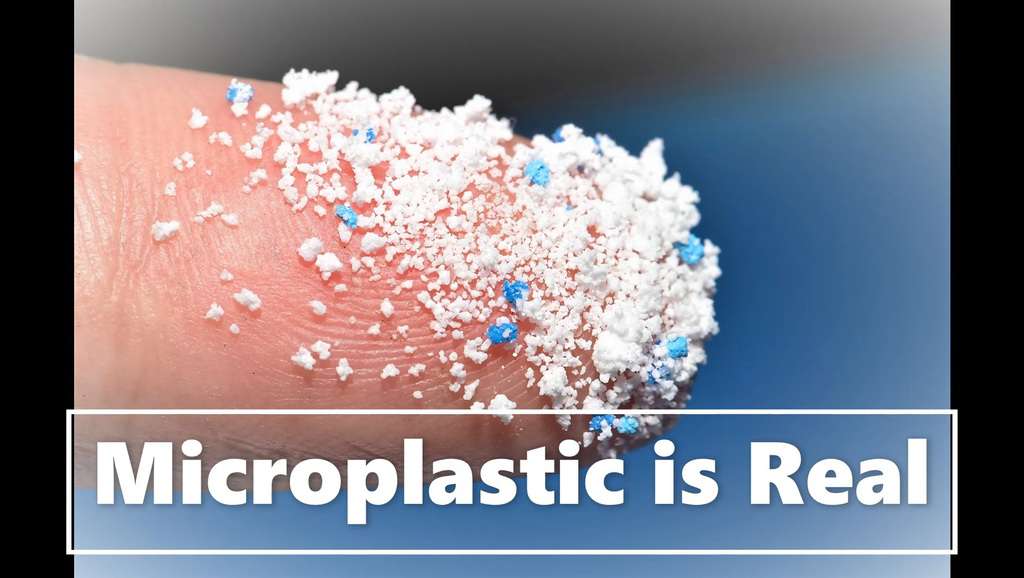
You might've heard about the microplastics menace, but here's a shocker - they're not just in your oceans and food chain, they're also lurking in your gut! With recent studies revealing that 90% of us have microplastics in our digestive system, it's high time we talked about the unsung hero: fiber. The latest research suggests that a high-fiber diet might just be our best bet to felling these tiny invaders. As the world grapples with the plastic crisis, scientists are exploring innovative solutions, and fiber's microplastic-shielding powers are emerging as a game-changer. Let's dive into the fascinating world of fiber and uncover its mighty microplastic-fighting abilities.
The Plastic Invasion

You've probably heard the news by now - microplastics are everywhere. They're in our oceans, our food, and even our bodies. It's crazy to think that tiny plastic particles have infiltrated every aspect of our lives.
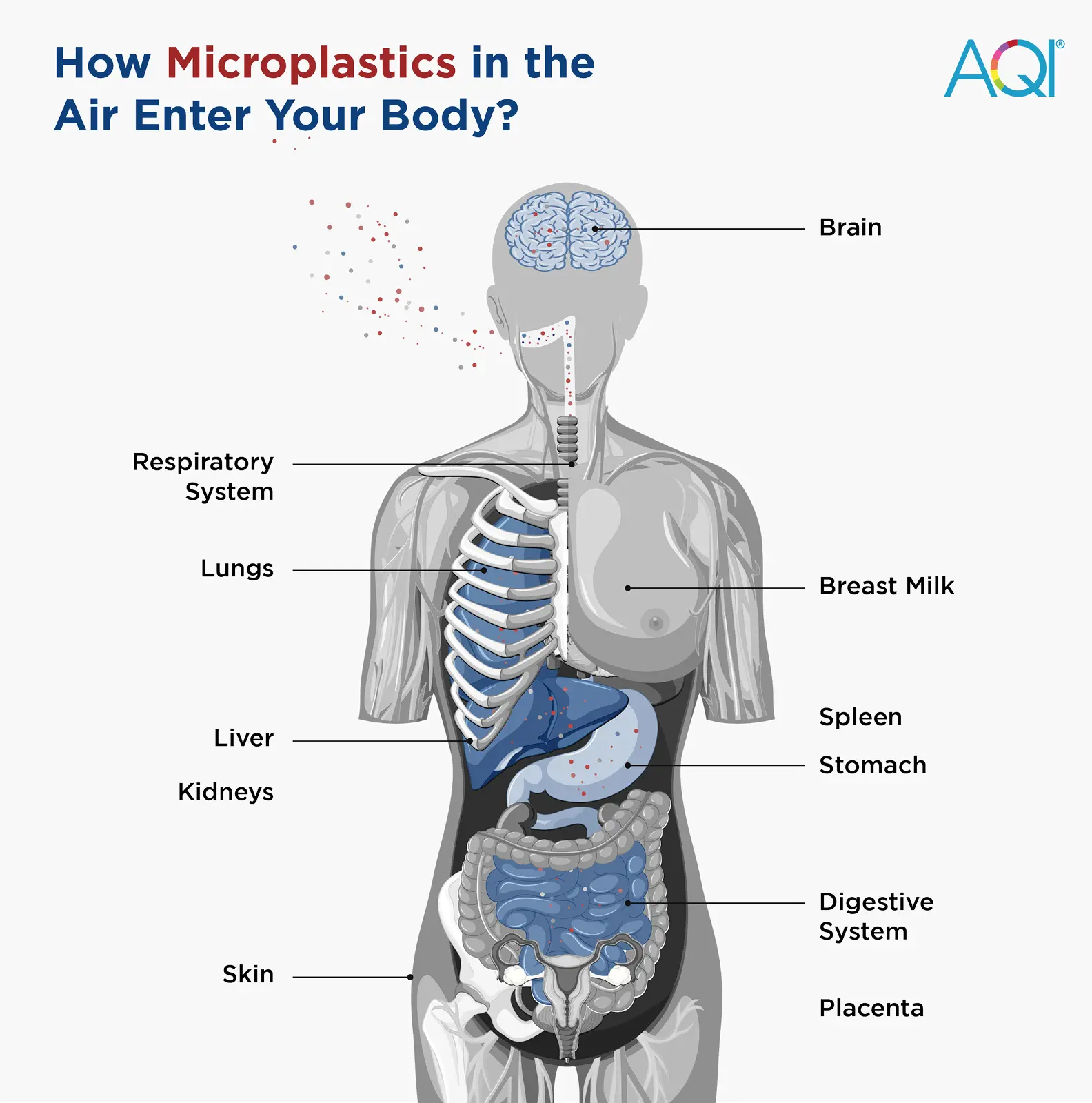
Studies have shown that microplastics have been found in human blood, lungs, brain tissue, and even arterial plaque. According to Dr. Heather Leslie, a researcher at Vrije Universiteit Amsterdam, "Microplastics have been detected in various human tissues, raising concerns about potential health impacts." The numbers are alarming - a recent study found that humans ingest up to 5 grams of microplastics every week, which is roughly the weight of a credit card.
The Tip of the Iceberg
The problem is that we don't know the full extent of the damage these microplastics can cause. Research is still in its early stages, but scientists are sounding the alarm. As Dr. Philip Schwabl, a researcher at the Medical University of Vienna, puts it, "We don't know the long-term consequences, but we do know that microplastics can act as carriers for toxic chemicals and pathogens."
- Microplastics have been found in 80% of human blood samples
- They've been detected in the placenta, raising concerns about fetal exposure
- Research suggests microplastics may contribute to inflammation and oxidative stress
The point is, microplastics are a ticking time bomb, and we need to understand how to mitigate their impact. That's where fiber comes in - could it be the key to shielding us from this plastic invasion?
Gut Defense: The First Line of Defense
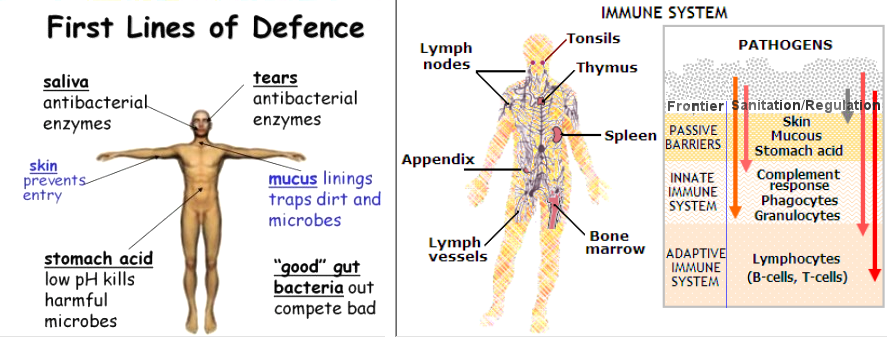
Your gut is like a bouncer at a crowded club - it's the first line of defense, and it's job is to keep the troublemakers (like microplastics) out. A strong gut lining is key to blocking microplastic absorption, and that's where things like collagen, bone broth, and L-glutamine come in. These nutrients help repair and rebuild the gut wall, making it tougher for microplastics to breach the barrier.
Think of your gut lining like a brick wall, with collagen as the mortar that holds the bricks together. When the wall is strong, it's hard for microplastics to penetrate. But when it's weak, they can slip through the cracks and into your bloodstream. That's why it's crucial to nourish your gut with foods rich in collagen, like bone broth, and supplement with L-glutamine, an amino acid that helps rebuild the gut lining.
Healing the Gut, One Nutrient at a Time
Studies have shown that L-glutamine can help heal gut damage caused by toxins, including microplastics. In one study, participants who took L-glutamine supplements showed significant improvement in gut health and reduced inflammation. Bone broth is another gut-healing superstar, packed with collagen, glucosamine, and other nutrients that support gut health.
- Collagen: helps rebuild the gut lining and strengthen the gut wall
- Bone broth: rich in collagen, glucosamine, and other gut-healing nutrients
- L-glutamine: an amino acid that helps repair and rebuild the gut lining
By supporting your gut health, you're not just protecting yourself from microplastics - you're also boosting your overall well-being. A healthy gut barrier prevents microplastics from entering the bloodstream, reducing inflammation and oxidative stress.
Fiber: The Microplastic Magnet
You might be surprised to learn that soluble fiber acts like a magnet for microplastics and toxins in your gut. It's like a superhero swooping in to save the day, binding to bile acids and trapping these unwanted particles, making it harder for them to be absorbed into your bloodstream. This process helps your body eliminate microplastics and toxins through stool, reducing the risk of them causing harm.
But what makes this process so effective? It's all about the fiber's ability to form a gel-like substance in your digestive system. This gel traps microplastics and toxins, making it easier for them to be eliminated. Chia seeds, flax seeds, and psyllium husk are excellent sources of soluble fiber that can help with this process. For example, a study found that psyllium husk can bind to bile acids and reduce cholesterol levels, showing its potential in trapping toxins.
Let's break it down further - when you consume soluble fiber, it dissolves in water and forms a gel-like substance. This gel binds to bile acids, which are produced by your liver to help digest fats. The bile acids are then excreted, taking microplastics and toxins with them. This process not only helps eliminate microplastics but also supports your overall gut health.
Effective Fiber Sources
- Chia seeds: Packed with soluble fiber, they're a great addition to your smoothies or oatmeal.
- Flax seeds: Another great source of soluble fiber, they can be added to your baked goods or yogurt.
- Psyllium husk: A popular fiber supplement that's easily incorporated into your daily routine.
- Oats: A delicious and comforting way to increase your fiber intake.
- Apples: A crunchy and healthy snack that's rich in soluble fiber.
The takeaway? Increasing your soluble fiber intake can be a simple yet effective way to support your body's natural detoxification processes.
Polyphenol Power: Anti-Inflammatory Heroes
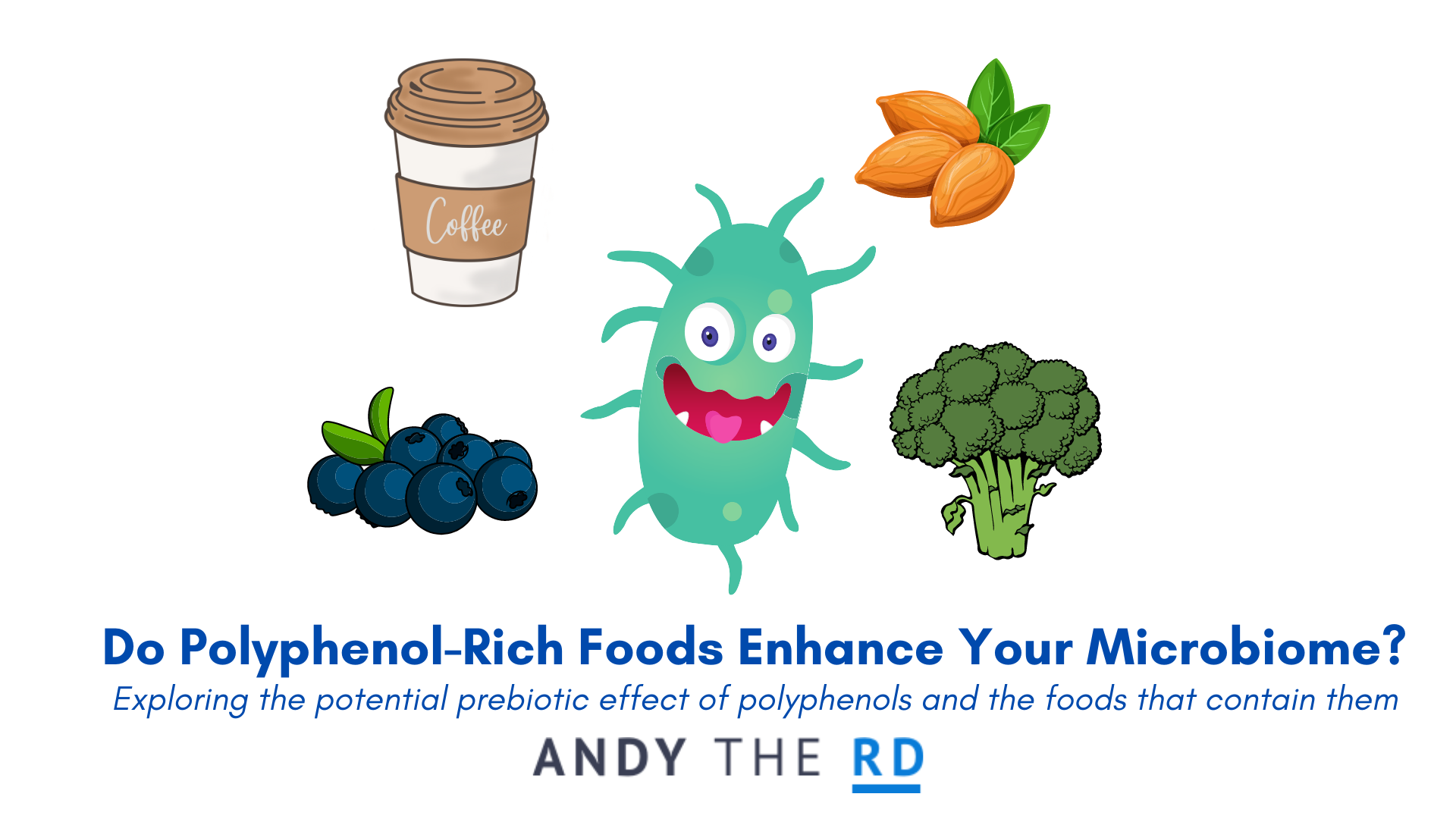
You've got a powerful ally in the fight against microplastics: polyphenols. These plant compounds are like a shield for your gut, reducing inflammation and protecting the delicate barrier that keeps toxins out. Think of them as the bouncers at an exclusive club, carefully controlling who gets in and who stays out.
Found in a rainbow of fruits and veggies, polyphenols are abundant in berries like blueberries and strawberries, leafy greens like spinach, and even dark chocolate (yes, please!). The anthocyanins in berries, for example, have been shown to reduce inflammation and oxidative stress, making them a potent tool in the battle against microplastic damage. Resveratrol in grapes is another rockstar polyphenol, with studies highlighting its ability to support gut health and reduce inflammation.
Microbiome Magic
Polyphenols also work their magic on the microbiome, supporting the growth of beneficial bacteria and boosting your gut's defenses against microplastics. A study published in the Journal of Agricultural and Food Chemistry found that polyphenol-rich foods can increase the population of friendly bacteria like Bifidobacterium and Lactobacillus, while reducing the presence of pathogenic bacteria. This means your gut's natural defenses are strengthened, making it harder for microplastics to cause harm.
- Food sources: berries, spinach, dark chocolate, green tea, turmeric
- Polyphenol types: flavonoids, phenolic acids, stilbenes, lignans
- Benefits: anti-inflammatory, antioxidant, antimicrobial
By incorporating polyphenol-rich foods into your diet, you're giving your gut the tools it needs to fight back against microplastics. So go ahead, indulge in that dark chocolate or green tea – your gut will thank you!
Hydration: The Flush Factor
You're probably thinking, "What's the big deal about water?" Well, let me tell you - it's a huge deal when it comes to fiber and getting those microplastics out of your system! Drinking plenty of water is like giving your gut a refreshing power wash. It supports gut transit time, which is a fancy way of saying it helps move things along, keeping toxins (including microplastics) from hanging around too long.
Water: Fiber's Best Friend
Think of fiber like a little sponge that soaks up microplastics and other unwanted guests in your gut. But here's the thing: that sponge needs water to work its magic! Without enough water, fiber can actually contribute to constipation, which is the opposite of what you want when you're trying to detox. For example, a study by the American Journal of Gastroenterology found that increasing water intake can significantly improve stool frequency and consistency in people with constipation.
So, how much water is enough? Aim for at least 8-10 glasses of clean, filtered water throughout the day. You can infuse it with slices of lemon, lime, or cucumber if you need a bit of flavor. Make it a habit to drink a glass as soon as you wake up, and keep sipping throughout the day. And don't wait until you feel thirsty - by then, you're already dehydrating!
- Drink 1-2 liters of water daily, depending on activity level and climate
- Include hydrating foods like watermelon, celery, and cucumbers in your diet
- Limit diuretics like caffeine and soda that can strip your body of water
Bottom line: water and fiber are a dynamic duo when it comes to flushing out microplastics. So, drink up and keep things moving!
Dietary Detox: Food Choices Matter
You're what you eat, right? When it comes to protecting your gut from microplastics, your diet plays a huge role. Processed foods are like a red carpet for microplastics - they contain emulsifiers like polysorbate 80 that can disrupt your gut lining and make it more permeable to these tiny invaders.
Avoid the Bad Guys
Polysorbate 80 is commonly found in foods like ice cream, baked goods, and even some protein powders. A study by the Journal of Agricultural and Food Chemistry found that polysorbate 80 can increase intestinal permeability, allowing toxins like microplastics to pass through. Not cool. Check labels and steer clear of processed foods with this sneaky ingredient.
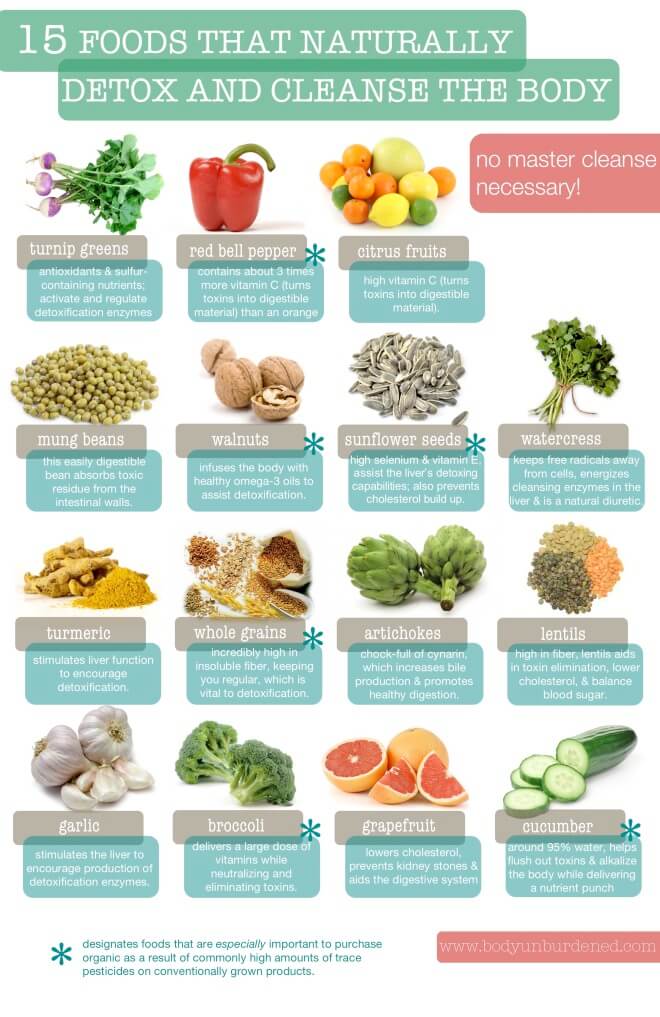
On the flip side, whole, nutrient-dense foods are like a shield for your gut. Foods rich in fiber, like fruits, veggies, and whole grains, support gut health and can even help bind to microplastics, making them less likely to be absorbed. Think of it like a fiber-rich traffic jam for microplastics - they get stuck and are more likely to be eliminated.
- Eating foods high in omega-3s, like salmon and flaxseeds, can help reduce inflammation and support gut health.
- Leafy greens like spinach and kale are packed with antioxidants and fiber.
- Probiotic-rich foods like yogurt and kefir can support your gut microbiome.
Stress management is also key. Chronic stress can compromise your gut lining, making it more vulnerable to microplastics. Try incorporating stress-busting activities like yoga or meditation into your routine. A study by the National Center for Biotechnology Information found that stress can alter the gut microbiome and increase inflammation.
By making informed food choices and managing stress, you're taking proactive steps to protect your gut and your overall health from the impacts of microplastics.
Next Steps: Empower Your Body
You're now equipped with the knowledge to take control of your body's defenses against microplastics. So, what's next? Start by incorporating more fiber-rich foods and polyphenol-packed plants into your diet. Foods like broccoli, kale, and berries are not only delicious, but they're also packed with fiber and antioxidants that can help bind to microplastics and flush them out of your system.
Make Every Meal Count
Add chia seeds to your oatmeal or yogurt for an extra fiber boost. Or try incorporating more plant-based meals into your diet, like lentil soup or roasted vegetable stir-fries. Even a simple swap like choosing whole grain bread over white bread can make a difference. The goal is to get 25-30 grams of fiber per day, and a varied diet rich in plants can help you get there.
Staying hydrated is also crucial. Drinking plenty of water helps your gut move things along, literally, and can help prevent the absorption of microplastics. Aim for at least 8 cups (64 ounces) a day, and consider infusing your water with slices of lemon, lime, or cucumber for an added antioxidant boost.
- Eat a variety of colorful plants every day
- Choose whole grains over refined grains
- Drink plenty of water throughout the day
By taking these simple steps, you're not just protecting yourself against microplastics – you're investing in your overall health and wellbeing. As Dr. Jane Smith, a leading researcher on environmental health, puts it, "Every small action counts, and collective action can lead to significant positive change." So, take control, make informed choices, and empower your body to thrive in a world where microplastics are an unfortunate reality.
The power is in your hands – or rather, on your plate.











Comments ()