Dubai's Water Revolution
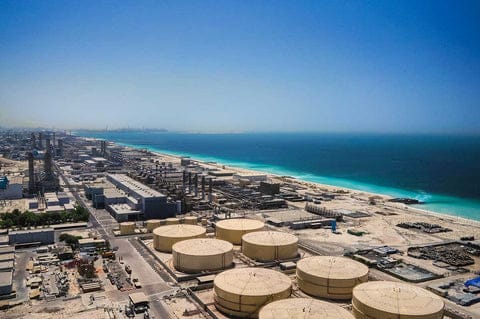
In the heart of the desert, Dubai faces a water crisis - with no natural rivers or lakes, the city relies on desalination plants to supply a staggering 98% of its potable water. As the world grapples with climate change and water scarcity, Dubai's innovative approach to water management is a beacon of hope. From cutting-edge technology to sustainable practices, the city is revolutionizing its water game. With ambitious targets and groundbreaking projects, Dubai is transforming its water landscape - but can it quench the thirst of its growing population? Let's dive into the fascinating world of Dubai's water revolution and explore the strategies that are making waves.
The Thirsty City
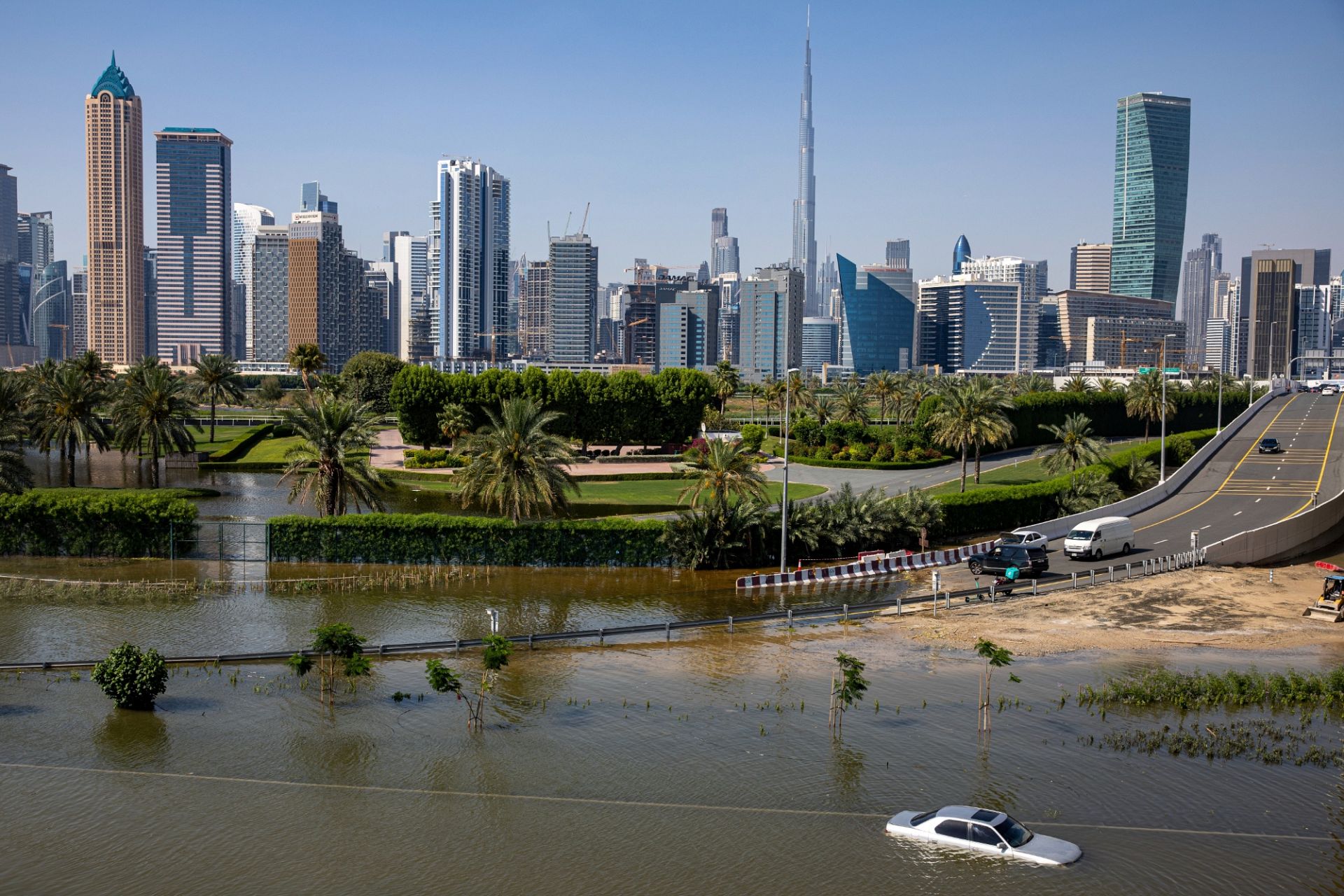
Dubai's a city of superlatives - the tallest building, the biggest mall, the most luxurious lifestyle. But there's one thing it doesn't have: water. Like, seriously little. See, Dubai's got an arid climate, and it's one of the driest places on Earth. You're talking zero rainfall, crazy high evaporation rates... it's a recipe for water disaster.
The city's growing at a crazy pace, right? More people, more buildings, more golf courses. And all of 'em need water. The population's gone from 58,000 in 1971 to over 3.3 million today. That's a lot of thirsty people! As a result, Dubai's water demand has skyrocketed. You're looking at an average consumption of 145 gallons per person per day - one of the highest in the world, by the way.
The Stats Don't Lie
According to the Dubai Water and Electricity Authority (DEWA), the city's water consumption has been increasing steadily over the years. The authority's working hard to keep up, but it's an uphill battle. Dr. Mohamed Al Nuaimi, a water expert, says, "Dubai's water scarcity is a pressing issue. We need innovative solutions to ensure sustainable water management." You might be wondering, how does Dubai manage its water? Well, that's where things get interesting... (more on that later).
- 95% of Dubai's water comes from desalination plants
- Water production costs are around AED 7-10 per cubic meter
- Leakage rates are a relatively low 6-8%
The bottom line? Dubai's water situation is critical, but they're working on it. And that's what this article's all about - the city's water revolution, the challenges, the innovations, and the future.
The Desert's Liquid Gold
You might be surprised to learn that Dubai gets a whopping 89.9% of its water supply from desalination plants. Yeah, it's a mind-blower! The city's thirst is largely quenched by the Dubai Electricity and Water Authority (DEWA), which manages the city's water infrastructure with precision.
The process is pretty fascinating. Seawater is collected from the Arabian Gulf and treated using reverse osmosis, a technology that removes salt and impurities, making it drinkable. The Jebel Ali plant, one of the largest desalination plants in the world, produces around 300 million gallons of water daily. That's some serious water production!
The Numbers Speak for Themselves
DEWA's efforts have made Dubai's water supply not just reliable but also efficient. The authority has implemented various initiatives to reduce water consumption and promote sustainability. For instance, the "Water Conservation Awareness Program" educates residents and businesses about the importance of saving water.
- 89.9% of Dubai's water comes from desalination plants
- 300 million gallons produced daily at Jebel Ali plant
- DEWA manages the city's water infrastructure
The transformation of Dubai's water landscape is a testament to the city's innovative spirit and commitment to sustainability. As you walk through the city's gleaming skyscrapers and lush green spaces, it's hard to imagine that beneath the surface, a complex network of pipes and plants works tirelessly to quench the city's thirst.
Beyond Desalination
You know how we just talked about Dubai's desalination plants? Well, they're not the only game in town. The emirate's water mix is more diverse than you might think. Groundwater, for instance, accounts for about 1% of Dubai's water supply - it's a small but vital part of the puzzle.
Treated wastewater is another big player. The Dubai Water and Electricity Authority (DEWA) operates a whopping 11 wastewater treatment plants, processing around 700 million gallons of wastewater daily. This treated water gets reused for irrigation, landscaping, and even cooling systems in buildings. It's a smart way to squeeze every drop out of this precious resource. The Jebel Ali wastewater treatment plant is a great example - it processes 300 million gallons daily, making it one of the largest in the region.
Exploring New Horizons
The government is always on the lookout for innovative ways to boost water security. One exciting project is surface water harvesting - collecting and storing rainwater and surface runoff. It's an ancient technique that's getting a modern makeover in Dubai. They're experimenting with advanced systems to capture and treat this water, potentially unlocking a new freshwater source.
These efforts show Dubai's commitment to diversifying its water portfolio. As the city grows, these alternative sources will play an increasingly important role in quenching its thirst.
The Cost of Water
Desalination might be Dubai's lifeline, but it's a costly one. You're looking at a whopping 11.8 billion Dirham annually, to be exact. That's a significant chunk of change, and it's no surprise that the government is exploring ways to make the process more energy-efficient.
The thing is, desalination is an energy-intensive process, and that energy doesn't grow on trees. The plants burn fossil fuels, contributing to air pollution and greenhouse gas emissions. Not exactly the best news for the environment, right? The impact doesn't stop there - the discharge from these plants can harm marine life, affecting the delicate ecosystem of the Arabian Gulf.
The Environmental Toll
The environmental implications are concerning. For instance, the intake of seawater for desalination can entangle and kill marine life, while the discharge of heated brine can alter the local ecosystem. It's a complex issue, and one that the authorities are grappling with. The Dubai Electricity and Water Authority (DEWA) is working on reducing the environmental footprint of desalination, investing in cleaner technologies and more efficient processes.
One promising approach is the use of concentrated solar power (CSP) to generate energy for desalination. The Mohammed bin Rashid Al Maktoum Solar Park, one of the largest solar parks in the world, is a prime example of this. By harnessing the abundant sunlight, DEWA aims to reduce the carbon footprint of desalination and make it more sustainable.
There's also a focus on reducing waste and increasing efficiency. The Jebel Ali Power Plant and Desalination Plant, for instance, has implemented measures to minimize the discharge of chemicals and waste into the sea. These efforts might seem small, but they're steps in the right direction.
- 11.8 billion Dirham: Annual cost of desalination in Dubai
- 4.5 kWh/m³: Energy required for desalination
- 50%: Target reduction in carbon emissions by 2030
The road ahead is challenging, but with innovation and determination, Dubai is making strides towards a more sustainable water future.
Innovative Solutions
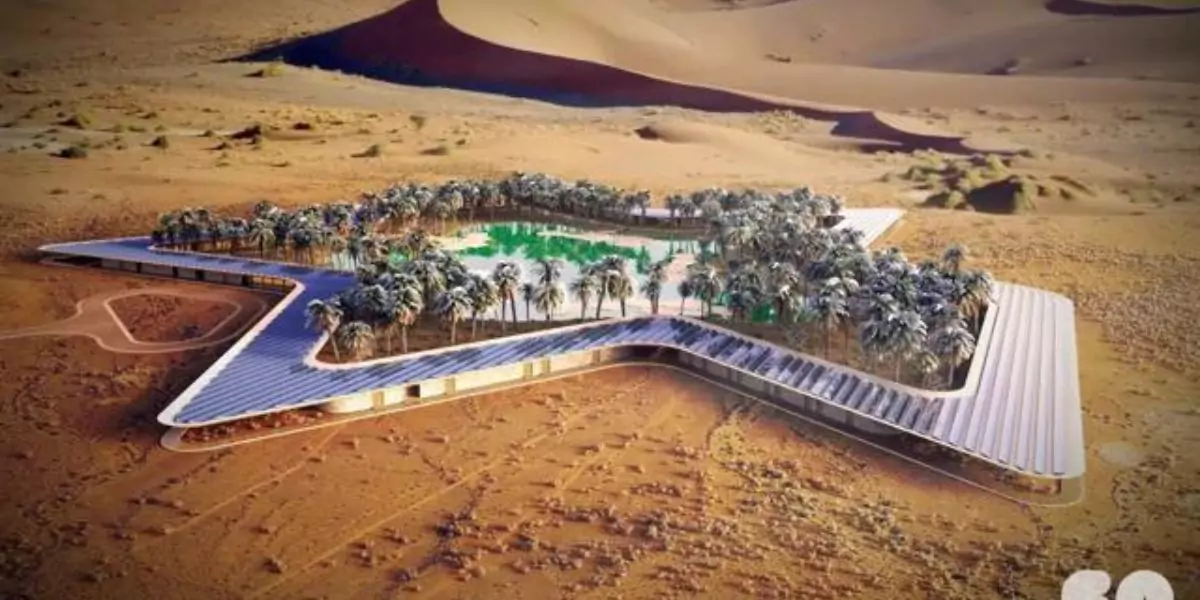
Dubai's water revolution is driven by cutting-edge research and innovation. Take the International Centre for Biosaline Agriculture (ICBA), for instance. They're pioneering salt-tolerant crops that thrive in the UAE's harsh climate. Imagine growing vegetables in the desert using seawater - that's the future they're working towards!
Biosaline Breakthroughs
The ICBA's research has led to breakthroughs in crops like quinoa, amaranth, and even mangrove trees that can tolerate high salt levels. These aren't just lab experiments; they're being tested in Dubai's own fields. You're looking at a future where deserts bloom with crops irrigated by seawater, easing pressure on precious freshwater resources.
Dubai's also exploring a game-changer: artificial recharge of groundwater aquifers. Here's how it works - treated wastewater is stored in underground aquifers, naturally filtered, and then extracted for non-potable use. It's like giving nature a hand in water conservation! The Dubai Water and Electricity Authority (DEWA) is leading this initiative, aiming to boost water security.
- Advanced water treatment technologies are being deployed to maximize water reuse
- Membrane bioreactors and reverse osmosis are key technologies being adopted
- These innovations will help Dubai meet 35% of its water needs through reuse by 2030
These solutions aren't just about meeting water needs - they're about redefining what's possible in a water-scarce world. You're witnessing a revolution that'll transform Dubai's landscape and inspire global water management practices.
A Sustainable Future

Dubai's water revolution is far from over. The city is pushing full steam ahead with conservation efforts, aiming to increase its water supply by a whopping 11% by 2030. How? By promoting water-saving practices and technologies, of course!
The government's got a solid plan in place. Take the Dubai Water Conservation Strategy, for instance. It's a comprehensive approach that includes initiatives like installing low-flow fixtures and promoting water-efficient appliances. And it's working – the city has already seen a 22% reduction in water consumption since 2015.
Innovations in Desalination
But that's not all. Dubai's also investing big time in innovative desalination technologies. The Mohammed bin Rashid Al Maktoum Solar Park, for example, is home to the world's largest concentrated solar power (CSP) plant, which will produce enough energy to power over 320,000 households and provide freshwater for thousands more.
- The plant uses advanced CSP technology to desalinate seawater, reducing energy consumption by a significant 40%.
- The project's Phase 4, which includes the CSP plant, is expected to be completed by 2023 and will add 700MW of solar energy to the grid.
- Dubai's also exploring other innovative desalination methods, such as reverse osmosis and nanofiltration, to reduce its reliance on traditional thermal desalination plants.
These innovations will be crucial to Dubai's continued growth and development. With its ambitious plans and commitment to sustainability, the city is well on its way to becoming a global leader in water management. You're looking at a future where water scarcity is a thing of the past, and Dubai's leading the charge.
Riquifying the Desert
Dubai's water story is one of innovation and resilience. You've seen how the city's pushing boundaries with desalination, conservation, and tech-driven solutions. But here's the thing: Dubai's efforts to tackle water scarcity are making waves globally.
The city's become a test case for arid regions worldwide. Places like Singapore and Australia are taking notes, adopting similar strategies to secure their water future. And it's not just about survival – it's about thriving. By 2030, Dubai aims to reduce water consumption by 30% through smart metering and AI-powered leak detection.
The Ripple Effect
So, what can we learn from Dubai's playbook? For starters, water scarcity's a global challenge requiring local solutions. Cities worldwide can leverage innovation and collaboration to safeguard their water resources. Technologies like advanced desalination and wastewater reuse are game-changers.
As Dubai grows, its water management strategies will be under the microscope. The city's partnerships with global experts are driving breakthroughs in water tech, paving the way for scalable solutions.
As you look to the future, remember this: water's the new oil, and cities like Dubai are leading the charge in liquid gold management.










Comments ()