DASH Diet Demystified - A Path to Better Health
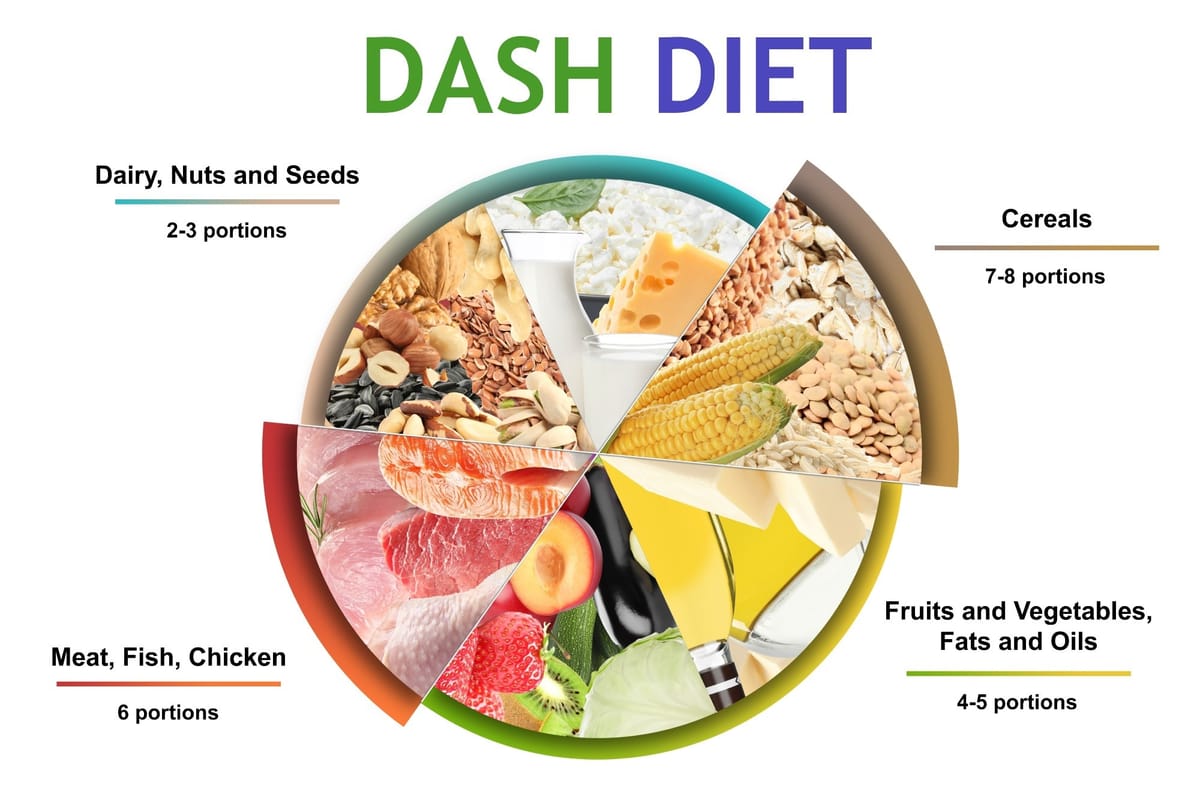
Are you tired of fad diets that promise quick fixes but leave you feeling deprived and defeated? You're not alone. With hypertension and heart disease on the rise in India, it's time to turn to a scientifically-backed solution: the DASH diet. Recent studies have shown that Indians are 4 times more likely to develop heart disease than other ethnic groups, making dietary changes crucial. The Dietary Approaches to Stop Hypertension (DASH) diet isn't just a diet, it's a lifestyle shift that prioritizes whole grains, fruits, and vegetables. So, what makes the DASH diet so effective, and how can you incorporate it into your busy life?
The Hypertension Epidemic
You probably know someone who's dealing with high blood pressure - maybe it's you, a family member, or a friend. Here's a sobering fact: nearly half of U.S. adults are in the same boat, according to the American Heart Association. That's roughly 108 million people struggling with hypertension.
The stats are alarming, but there's hope. The DASH diet has been making waves as a game-changer for blood pressure management. DASH stands for Dietary Approaches to Stop Hypertension, and it's backed by research from the National Institutes of Health. This eating plan isn't just about lowering sodium intake; it's a holistic approach to nutrition that emphasizes whole grains, fruits, veggies, lean proteins, and low-fat dairy.
The Power of Lifestyle Changes
You might be thinking, "Is it really possible to manage hypertension through diet and lifestyle?" The answer is a resounding yes! Studies have shown that making targeted changes can significantly reduce your risk of developing high blood pressure. For instance, the DASH diet has been shown to lower systolic blood pressure by as much as 11.4 mmHg in just 8 weeks.
- Reduced risk of heart disease and stroke
- Lower blood pressure
- Weight loss and improved overall health
The best part? The DASH diet isn't a fad; it's a sustainable lifestyle change that can have a profound impact on your health. By making a few simple tweaks to your daily routine, you can take control of your blood pressure and start feeling amazing.
What is the DASH Diet?

The DASH Diet, short for Dietary Approaches to Stop Hypertension, is a dietary pattern developed by the National Institutes of Health (NIH) to help lower blood pressure and promote overall health. It's not just a fad diet, but a long-term approach to healthy eating that's been backed by scientific research.
So, what does the DASH Diet look like? At its core, it's all about emphasizing whole, unprocessed foods like fruits, veggies, whole grains, lean proteins, and low-fat dairy. You're talking leafy greens, berries, brown rice, quinoa, chicken, fish, and nuts - the good stuff! The diet recommends limiting sodium to less than 2,300 milligrams a day, which is about 1 teaspoon of salt.
The Key Players
The DASH Diet focuses on these nutrient-rich foods:
- Whole grains like brown rice, quinoa, and whole wheat bread
- Fruits like apples, bananas, and berries
- Vegetables like broccoli, spinach, and carrots
- Lean proteins like chicken, fish, and legumes
- Low-fat dairy like milk and yogurt
On the flip side, you'll want to limit foods high in sodium, added sugars, and saturated fats. That means saying goodbye to processed meats, sugary drinks, and refined carbs like white bread and pasta.
One of the best things about the DASH Diet is its flexibility. You can tailor it to your taste preferences and dietary needs, making it a sustainable choice for the long haul. Plus, it's not just about lowering blood pressure - it's about nourishing your body and feeling great.
For example, a sample DASH Diet meal plan might include oatmeal with banana and nuts for breakfast, a big salad with grilled chicken for lunch, and baked salmon with roasted veggies for dinner. Sounds delicious, right?
Key Components of the DASH Diet
The DASH diet's magic lies in its simplicity. It's not about cutting out entire food groups or following a restrictive eating plan. Instead, it's about making informed choices and prioritizing whole, nutrient-dense foods. You're probably wondering what exactly makes up this diet, right? Let's break it down.
Plant Power
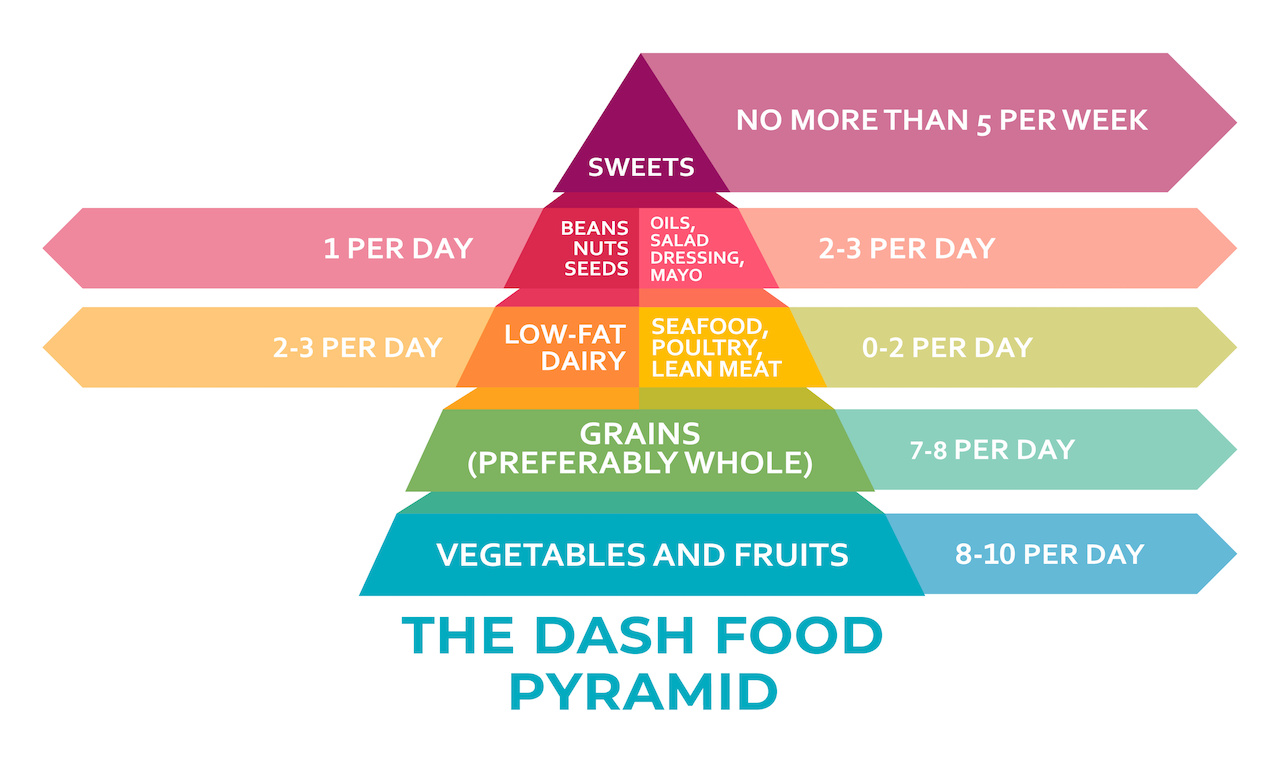
The DASH diet is all about piling on the plants – fruits, veggies, whole grains, and legumes. You're talking berries, leafy greens, sweet potatoes, and quinoa. These foods are packed with fiber, vitamins, and minerals that'll make your body thank you. Aim for 8-10 servings a day, and don't be shy about it. For example, add a handful of spinach to your morning omelette or snack on an apple and a handful of almonds.
Lean Protein and Low-Fat Dairy
When it comes to protein, the DASH diet recommends going lean – think poultry, fish, and beans. You'll also want to include low-fat dairy products like milk, yogurt, and cheese. These foods provide essential calcium, vitamin D, and protein without the excess saturated fat. Try incorporating fatty fish like salmon into your meals a couple of times a week, and opt for Greek yogurt with berries for a satisfying snack.
Sodium, the Silent Killer
Now, let's talk about sodium. The DASH diet caps daily sodium intake at 2,300mg – that's about 1 teaspoon of salt. Be mindful of processed and packaged foods, which are often loaded with hidden sodium. Cooking at home using fresh ingredients can help you keep your sodium levels in check. For instance, try seasoning your meals with herbs and spices instead of salt, and limit your use of soy sauce and other high-sodium condiments.
- Fruits: 4-5 servings a day
- Vegetables: 4-5 servings a day
- Whole grains: 6-8 servings a day
- Lean protein: 2 or fewer servings a day
- Low-fat dairy: 2-3 servings a day
Benefits Beyond Blood Pressure
You're probably thinking, "Okay, the DASH diet's great for blood pressure, but what else can it do?" Well, buckle up, friend! This diet's got a whole lot of benefits waiting for you. For starters, it's a great way to shed those extra kilos. Studies have shown that people on the DASH diet tend to lose weight, and keep it off. Take the DASH diet study done by the National Institutes of Health, where participants lost an average of 5-6 kg in just 8 weeks. That's pretty impressive!
Cholesterol Levels Get a Boost
The DASH diet's all about whole grains, fruits, veggies, and lean protein, which means you're getting loads of fibre and good-for-you fats. This combo works wonders for your cholesterol levels. Your LDL (that's the bad cholesterol) takes a hit, while your HDL (the good stuff) gets a nice little boost. In fact, studies have shown that the DASH diet can lower LDL cholesterol by up to 10% in just a few weeks.
But that's not all! The DASH diet's also got some serious cred when it comes to heart health. By combining the weight loss and cholesterol benefits, you're looking at a reduced risk of heart disease and stroke. We're talking major reductions, folks - up to 20-30% reduced risk of heart disease and 30-40% reduced risk of stroke.
Managing Blood Sugar's a Breeze
And if you're worried about blood sugar, the DASH diet's got you covered there too! The emphasis on whole grains, fruits, and veggies means you're getting complex carbs that'll keep your blood sugar levels stable. Plus, the fibre content'll keep you feeling fuller for longer, so you're less likely to reach for those sugary snacks.
- Weight loss and improved cholesterol levels
- Reduced risk of heart disease and stroke
- May help manage blood sugar levels
The best part? The DASH diet's not just a fad; it's a sustainable lifestyle change that'll get you results. So, what are you waiting for? Give it a shot and start experiencing these amazing benefits for yourself!
Getting Started with DASH
So, you're ready to jump into the DASH diet? Awesome! The best part is, you don't need to overhaul your entire lifestyle overnight. Start by making small tweaks, like adding a serving of fruits or veggies to each meal. For example, swap your mid-morning snack from a packet of chips to an apple or a carrot sticks with hummus – simple changes that make a big difference.
Make Grains Work for You
Refined grains like white bread and sugary cereals are out, and whole grains are in! Try swapping white rice for brown rice or quinoa. You can also experiment with whole-grain pasta – it's a game-changer. Aim for at least 3-4 whole grain servings a day. Foods like whole wheat bread, brown rice, and oats are rich in fiber, which keeps you fuller for longer.
Cravings can be tough, but there's always a healthier alternative. Love chocolate? Dark chocolate with at least 70% cocoa is a great option. Craving something crunchy? Try air-popped popcorn or baked sweet potato fries instead of regular fries. Swap sugary drinks for water infused with fruits like lemon, lime, or berries – it's refreshing and hydrating.
- Load up on colorful produce – the more colors, the better
- Explore new recipes that feature whole grains and veggies
- Plan your meals around seasonal produce for variety and freshness
Take it one step at a time, and don't be too hard on yourself if you slip up – it's all part of the journey. The DASH diet is about progress, not perfection. You're taking the first step towards a healthier lifestyle, and that's something to be proud of!
DASH Diet Success Stories
You've seen the science, now meet the people who've put it to work. Take John, a 52-year-old accountant from Mumbai, who's reversed his hypertension in just 8 weeks on the DASH diet. "I was on meds for 5 years, but since changing my diet, my blood pressure's dropped from 150/90 to 120/80," he says.
Real-Life Reversals
Then there's Priya, a 45-year-old teacher from Bangalore, who'd struggled with weight and fatigue for years. "I started the DASH diet and within 3 months, I'd lost 10 kg and my energy levels had skyrocketed," she shares. Her blood pressure's now normal, and she's off her BP meds.
The DASH diet's not just about lowering blood pressure, though. It's about taking control. Like Rohan, a 38-year-old entrepreneur from Delhi, who's using it to manage his stress and cholesterol levels. "It's changed how I eat, and how I live," he says.
- Reduced sodium intake: 2,300 mg/day (or less)
- Increased potassium-rich foods: fruits, veggies, whole grains
- More physical activity: 30 minutes/day, most days
These stories aren't anomalies. Studies show the DASH diet can lower systolic BP by 11.4 mmHg and diastolic BP by 5.5 mmHg in just 8 weeks. You're next. What's your story going to be?
Making DASH a Lifestyle
You've got the basics of the DASH diet down, and now it's time to make it a sustainable part of your life. The key is to focus on progress, not perfection. It's about making small changes that you can stick to in the long run.
Move More, Stress Less
Incorporate physical activity into your daily routine. You don't need to be a gym enthusiast; a 30-minute brisk walk or yoga session can do wonders. Try to aim for at least 150 minutes of moderate exercise per week, like brisk walking, cycling, or swimming. Exercise not only complements the DASH diet but also boosts your mood and energy levels.
Planning is everything when it comes to sticking to the DASH diet. Plan your meals and snacks in advance to avoid last-minute unhealthy choices. You can prep your meals for the week on Sundays or use a meal planning app to make things easier. Some popular apps like MyFitnessPal or LoseIt! can help you track your nutrient intake and stay on track.
You're not alone on this journey. Seek support from healthcare professionals or online communities. The American Heart Association (AHA) and the National Heart, Lung, and Blood Institute (NHLBI) offer plenty of resources and support groups. Sharing your experiences and tips with others can be a great motivator.
The DASH diet is more than just a diet; it's a path to a healthier, happier you. By making these small changes, you're taking a big step towards reducing your risk of heart disease, stroke, and other health issues. So, are you ready to take the next step? The DASH diet is your ticket to a healthier, more vibrant life – enjoy the ride!









Comments ()