Common Hearing Problems Explained
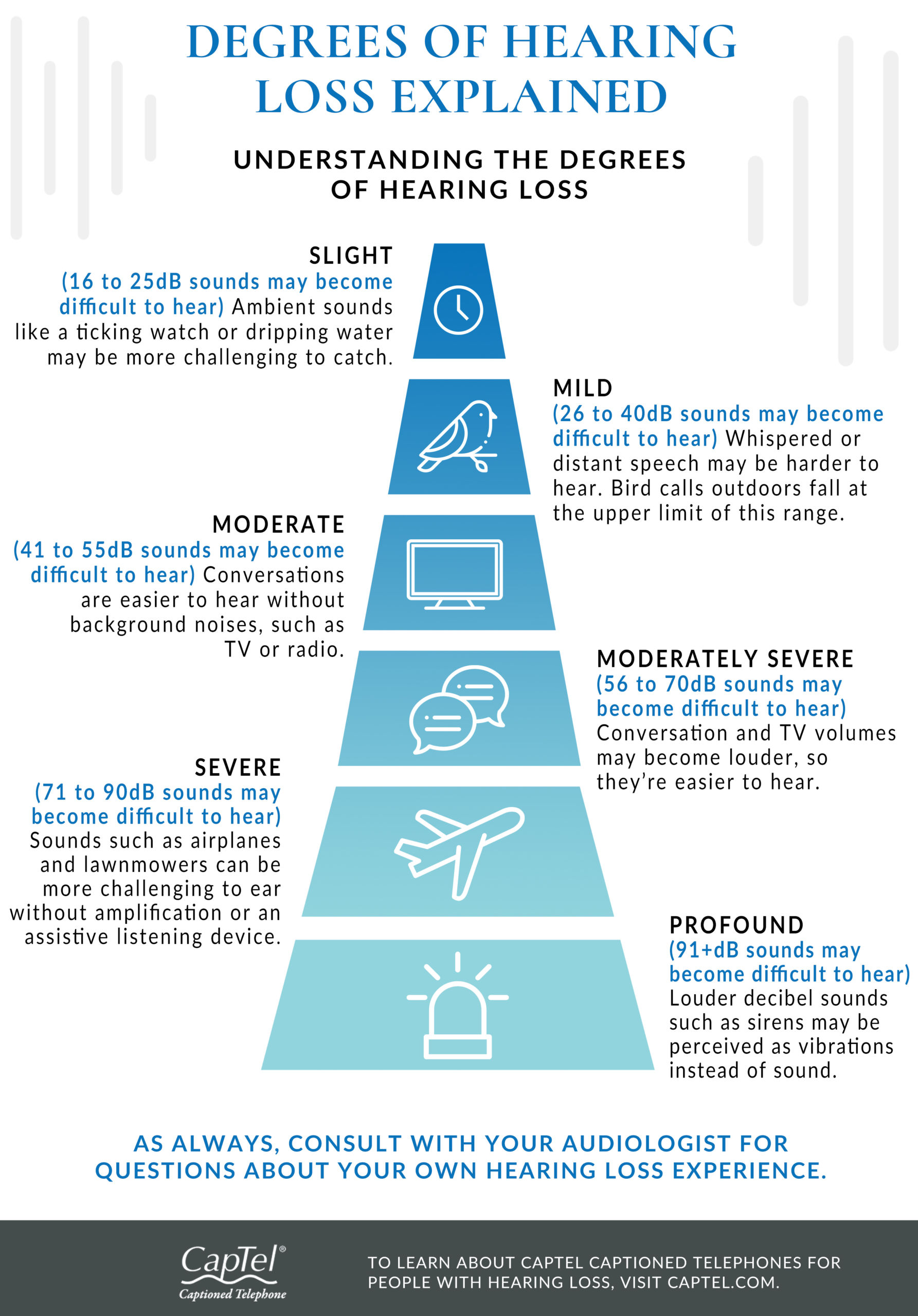
Imagine struggling to follow conversations at a family gathering or missing out on your favourite TV show because the dialogue sounds muffled. Hearing loss can sneak up on you, and with India's population aging rapidly, it's more common than you think - over 63 million Indians suffer from significant hearing loss. Recent studies highlight that untreated hearing loss can lead to social isolation, depression, and even cognitive decline. So, what exactly is causing these hearing issues, and how can you protect yourself? Let's dive into the most common hearing problems affecting people today and explore ways to tackle them.
The Silent Struggle
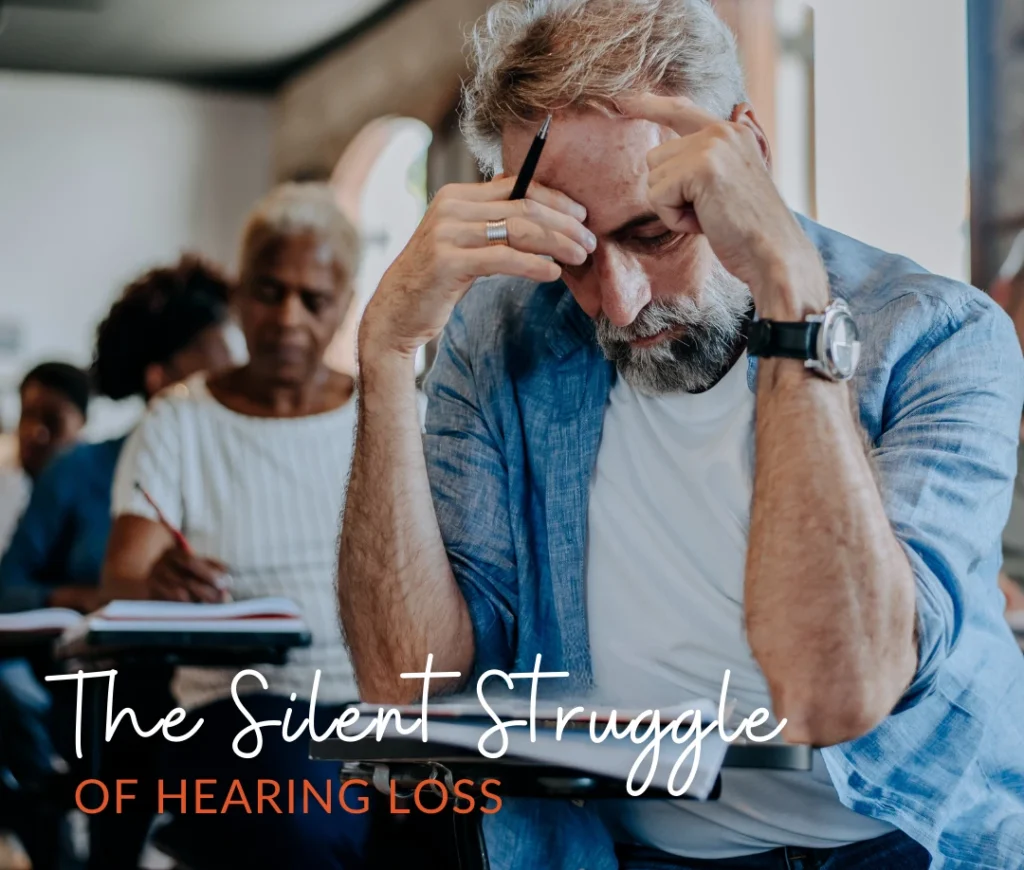
You might not realize it, but hearing loss is a bigger deal than you think. According to the World Health Organization (WHO), over 430 million people worldwide face some degree of hearing difficulty. That's more than the population of the United States! Yet, despite its prevalence, hearing loss often flies under the radar until it's too late.
Part of the problem is that hearing loss creeps up on you slowly. You might start turning up the TV volume or asking people to repeat themselves more often, but you don't think much of it. Dr. Sarah Syed, an audiologist at Apollo Hospitals, says, "People often mistake hearing loss for aging, but it's not just a normal part of getting older. It's a serious health issue that affects your daily life and relationships."
Think about it: when you're struggling to hear, everyday conversations become a chore. You're constantly asking people to repeat themselves, and you might start avoiding social gatherings or meetings altogether. This can lead to feelings of isolation, depression, and even cognitive decline. The good news is that with early detection and treatment, many hearing problems can be managed or even reversed.
The Impact on Daily Life
Hearing loss isn't just about missing out on conversations; it's about missing out on life. From enjoying family gatherings to feeling confident in meetings, hearing plays a big role. So, if you're experiencing any hearing difficulties, don't brush it off – get it checked out.
Types of Hearing Loss
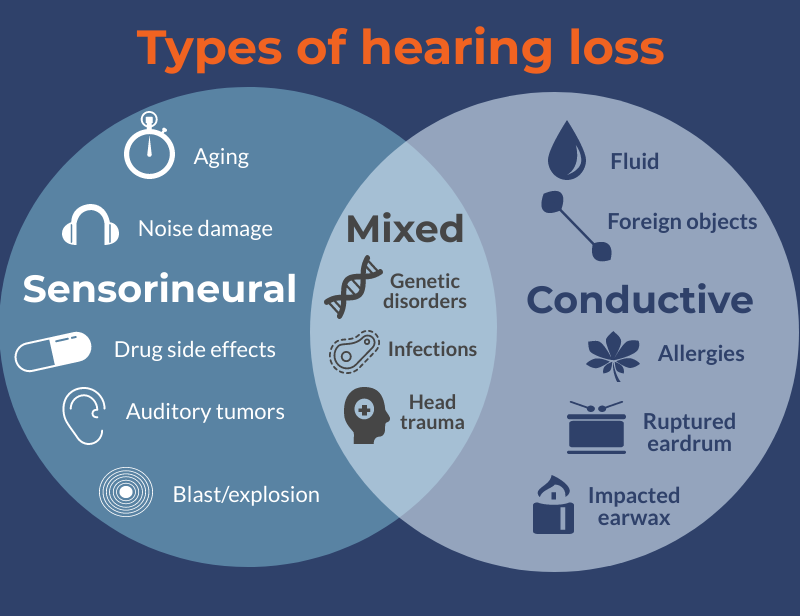
You might be wondering what exactly is happening when your hearing isn't what it used to be. Let's break it down. There are three main types of hearing loss: Conductive Hearing Loss, Sensorineural Hearing Loss, and Mixed Hearing Loss.
Conductive Hearing Loss: Middle Ear Problems
This type of hearing loss occurs when sound waves can't get through the outer and middle ear. It's like trying to hear someone through a wall – the sound is blocked. Common causes include ear infections, a build-up of earwax, or a perforated eardrum. Take Sarah, a 30-year-old teacher who had recurring ear infections as a child. She experienced difficulty hearing her students' voices, especially in the classroom. With treatment, her hearing improved significantly.
Sensorineural Hearing Loss: Inner Ear or Nerve Damage
This is the most common type of permanent hearing loss. It's like trying to tune into a radio station with static – the signal is weak. Damage to the inner ear or auditory nerve can be caused by aging, loud noise, or certain medications. John, a 65-year-old retired musician, noticed he was having trouble hearing high-pitched sounds after years of playing in loud bands. His hearing tests showed significant sensorineural hearing loss.
Mixed Hearing Loss: Combination of Both
Sometimes, it's not just one type of hearing loss – it's a mix. This is like having two different issues competing for your attention. You might have a conductive component (middle ear problem) and a sensorineural component (inner ear or nerve damage). Treatment can be more complex, but there are still options. For example, Emily, a 40-year-old office worker, had a middle ear infection that wasn't treated properly, leading to permanent inner ear damage. With the right treatment and hearing aids, she was able to improve her hearing.
These are just a few examples, but understanding what's going on with your hearing is the first step to getting help. So, what's your hearing story? Have you noticed any changes lately?
Causes and Risk Factors
Let's face it, hearing loss can creep up on you. One of the biggest culprits is age-related hearing loss, also known as presbycusis. As you age, the tiny hair cells in your inner ear start to deteriorate, making it harder to pick up sounds. It's a gradual process, but by the time you're 65, chances are you'll experience some degree of hearing loss.
Noise-Induced Hearing Loss: A Growing Concern
But age isn't the only factor at play. Noise-induced hearing loss is a major risk, especially if you're regularly exposed to loud noises. Think construction sites, rock concerts, or even listening to music too loud on your headphones. The World Health Organization (WHO) estimates that 1.1 billion young people are at risk of hearing loss due to unsafe listening practices. Take the case of rockstar Pete Townshend, who suffered significant hearing damage from years of loud music exposure.
Genetics can also play a role. If your family has a history of hearing loss, you might be more prone to it. Certain infections like meningitis, measles, and mumps can also wack your hearing. And then there's ototoxicity – some medications, like certain antibiotics, can damage your hearing.
- Prolonged exposure to loud noises (above 85 decibels)
- Genetic predisposition
- Infections like meningitis and measles
- Ototoxic medications
- Head trauma or injury
These factors can all contribute to hearing loss, often in combination. The good news is that understanding the causes can help you take steps to protect your hearing.
Symptoms to Watch Out For
So, how do you know if you're experiencing hearing problems? There are a few key symptoms to watch out for. Let's break it down.
High-Pitched Sounds Become a Challenge
One common symptom is difficulty hearing high-pitched sounds. You might find it hard to hear birds chirping, women's voices, or even the beeping of your microwave. For instance, my friend Rohan struggled to hear his daughter's voice when she spoke softly, and it turned out he was having trouble picking up high-pitched sounds.
Trouble Understanding Speech in Noise
Another symptom is trouble understanding speech in noisy environments. Restaurants, parties, or crowded streets can become a nightmare if you're struggling to hear. You're not alone here – many people face this issue. Take Mrs. Patel, a 65-year-old retiree who loved attending her grandkids' sports games until she started having trouble hearing the coach's instructions amidst the cheering crowd.
Tinnitus: The Ringing in Your Ears
Ever experienced a constant ringing or buzzing in your ears? That's called tinnitus, and it's a common symptom of hearing problems. It can be caused by exposure to loud noises, earwax buildup, or even certain medications. Dr. Kumar, an ENT specialist, shares that "tinnitus can be a sign of underlying hearing issues, so it's essential to get it checked."
- Frequent ear infections
- Difficulty hearing on the phone
- Feeling like your ears are plugged or blocked
If you're experiencing any of these symptoms, it's time to get your hearing checked. Don't wait – schedule an appointment with an audiologist today!
Impact on Daily Life
Hearing problems can really throw a wrench in your daily life, and it's not just about struggling to follow conversations. You're likely to strain relationships with family and friends, and social interactions can become super draining. Imagine being at a dinner party and missing out on the juicy gossip because you can't quite catch what everyone's saying.
It's not just social life that takes a hit; your mental health and cognitive function can also suffer. Studies have shown that people with untreated hearing loss are more likely to experience depression and anxiety. For instance, a study by the National Council on Aging found that people with hearing loss are 50% more likely to have depression. It's like your brain's constantly straining to hear, which can be exhausting.
The Isolation Factor
And then there's the isolation. You might start avoiding social gatherings or meetings because you're finding it hard to keep up with conversations. It's like you're missing out on life, and it's a pretty scary feeling. A case in point is John, a 65-year-old retiree who struggled with hearing loss for years. He stopped attending his weekly golf games and family gatherings, which led to him feeling lonely and disconnected.
- Strains relationships and social interactions
- Affects mental health and cognitive function
- Leads to feelings of isolation
The impact is real, and it's affecting millions of people worldwide. The good news is that there's help available, and it's not just about hearing aids. We're talking about support groups, communication strategies, and more.
Prevention and Protection
You've made it this far, so let's talk about how to keep your hearing sharp. Regular hearing check-ups are like oil changes for your car – you gotta do 'em to keep things running smoothly. The American Academy of Audiology recommends getting a baseline hearing test by age 30, then follow-ups every 3-5 years if everything's fine.
Protect Those Ears!
Using ear protection in loud environments is a no-brainer. Think about it: concerts, construction sites, or even mowing the lawn – all potential hearing hazards. For example, the World Health Organization says that prolonged exposure to sounds above 85 decibels can cause permanent damage. That's roughly the noise level of a food blender or heavy traffic. Invest in good earplugs or earmuffs; they're cheap compared to hearing aids.
Staying informed about hearing health is key. Did you know that certain medications, like some antibiotics and chemotherapy, can be ototoxic (toxic to the ears)? Knowing the risks helps you take control. The National Institute on Deafness and Other Communication Disorders (NIDCD) is a great resource for staying updated.
- Take breaks from loud noises (like every 15-20 minutes)
- Keep the volume down on your devices (60% of max is a good rule)
- Get your hearing checked if you notice any changes
Case in point: John, a 35-year-old musician, wore ear protection at gigs and got annual check-ups. He's still rocking concerts without a hitch. Bottom line: a little prevention goes a long way in protecting your hearing health.
Treatment Options: Getting Your Hearing Back on Track
So, you've got a hearing problem – what now? Don't worry, there are plenty of treatment options available to help you regain your connection to the world of sound. Let's break it down.
Hearing Aids: The First Line of Defense
Hearing aids are often the go-to solution for mild to moderate hearing loss. They're like tiny amplifiers that sit discreetly in your ear, making sounds louder and clearer. Imagine being able to hear your grandkids' laughter again, or enjoying conversations at family gatherings without straining. Companies like Phonak and Oticon offer advanced hearing aids with noise-cancellation features and Bluetooth connectivity.
For example, consider the case of Rohan, a 65-year-old retiree who struggled to hear his grandkids' whispers. With a pair of Phonak hearing aids, he was able to hear them clearly and even enjoy birdwatching again.
Cochlear Implants: A Game-Changer for Severe Cases
If you're dealing with severe to profound hearing loss, cochlear implants might be the answer. These devices bypass damaged parts of the ear and directly stimulate the auditory nerve. It's a surgical procedure, but it's often life-changing. Dr. Anil Jain, a renowned ENT specialist, shares, "Cochlear implants have revolutionized the way we treat severe hearing loss. Patients can enjoy music, conversations, and even phone calls with remarkable clarity."
Speech Therapy and Auditory Training: Fine-Tuning Your Skills
Sometimes, it's not just about hearing – it's about understanding. Speech therapy and auditory training can help you make the most of your hearing aids or implants. You'll learn to distinguish sounds, improve your listening skills, and even lip-read. It's like learning a new language, but it's your own language!
- Hearing aids amplify sound for mild to moderate hearing loss
- Cochlear implants bypass damaged ear parts for severe cases
- Speech therapy fine-tunes listening and communication skills
Taking Control of Hearing Health
You've got the power to protect your hearing, and it starts with being proactive. Early detection is key – catching hearing issues early on can make a huge difference in treatment outcomes. Just ask Dr. Aparna Kishnalaya, Audiologist at Apollo Hospitals, "The sooner you address hearing loss, the better we'll be able to manage it."
Simple Changes, Big Impact
Making a few tweaks to your daily habits can go a long way in preserving your hearing health. Turn down the volume on your phone, wear ear protection at loud events, and take breaks from noisy environments. These small changes can add up – a study by the World Health Organization found that over 1 billion young people are at risk of hearing loss due to loud music, but it's preventable.
- Get a hearing check-up if you're over 40 or have a family history of hearing loss
- Use earplugs at concerts or when operating power tools
- Keep your phone volume below 60% to avoid damage
Staying on top of your hearing health is all about being mindful and taking small steps. By making these simple changes, you're investing in your future self – and that's something to hear.
So, what's the next step? Book that hearing test, and start taking control of your hearing health today!











Comments ()