Cognitive Behavioral Therapy - A Path to Overcome Insomnia
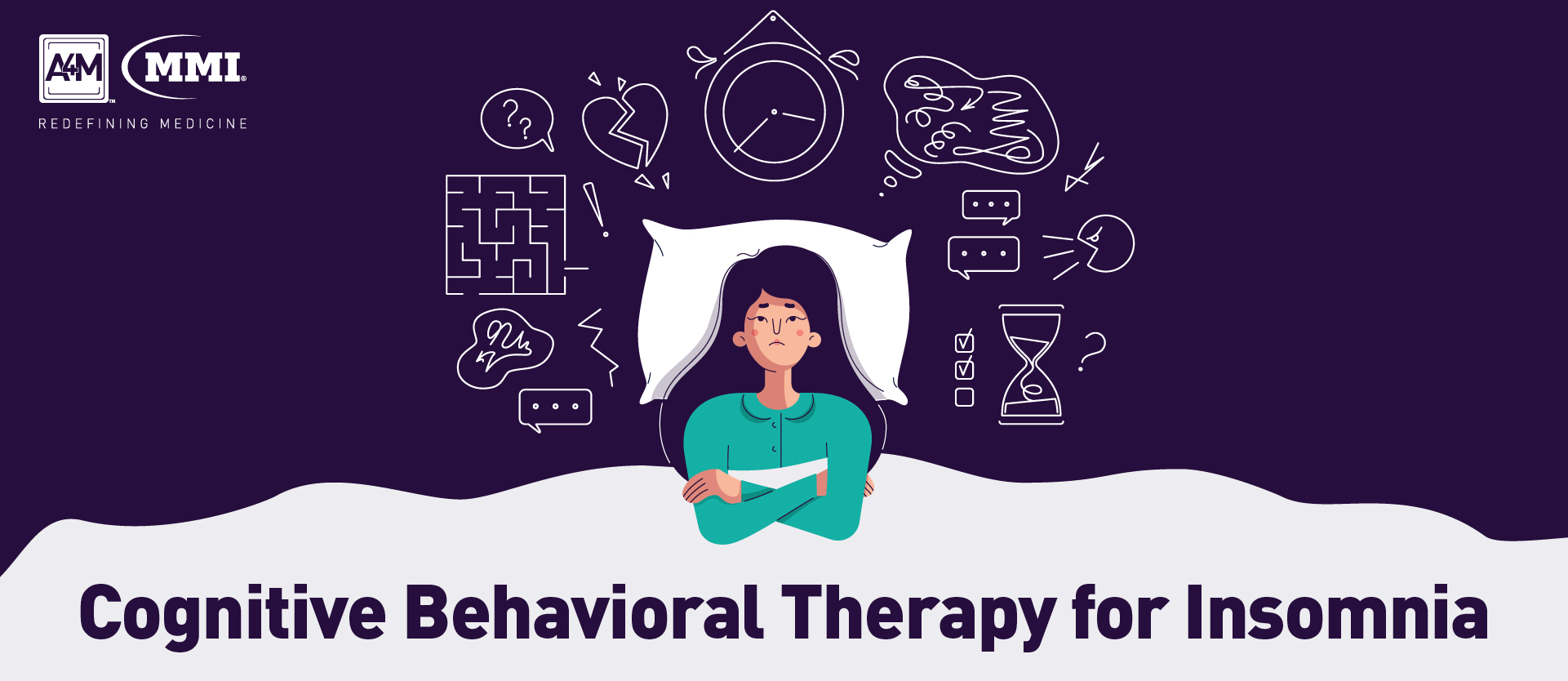
Are you one of the millions who toss and turn at night, craving sleep but unable to switch off? Insomnia's impact is huge - according to a 2023 study, nearly 1 in 5 Indians suffer from it, affecting mental health and productivity. Amidst rising stress and burnout, effective solutions are crucial. Cognitive Behavioral Therapy for Insomnia (CBT-I) has emerged as a promising approach, backed by recent research. Let's explore how CBT-I offers a path to restful nights and brighter days. Discover how this non-pharmacological therapy rewires sleep patterns and transforms lives.
The Struggle of Insomnia
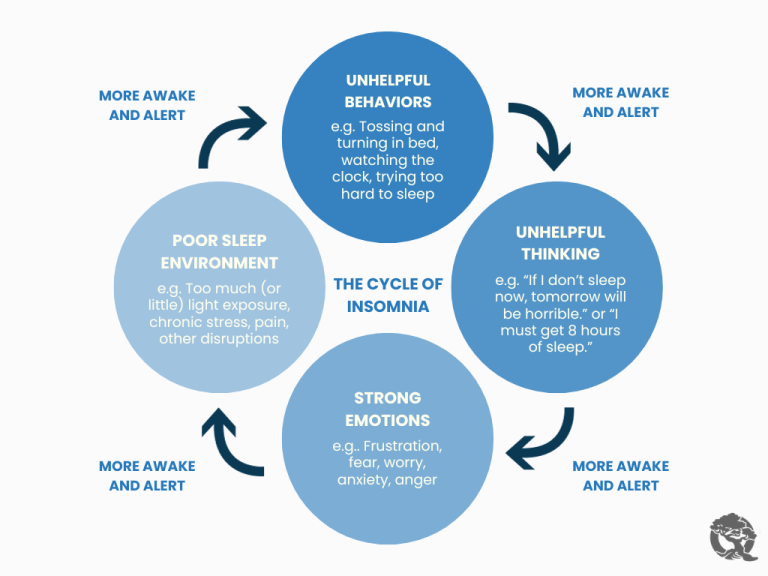
You've probably experienced it at some point: lying awake at 3 AM, staring at the ceiling, and willing yourself to fall asleep. It's frustrating, right? Insomnia is a common condition that affects millions of people worldwide. According to the American Academy of Sleep Medicine, nearly 30% of adults experience symptoms of insomnia, making it one is one of the most common sleep disorders.
But it's not just about losing sleep; insomnia can have serious consequences. It can lead to fatigue, mood disturbances, and decreased productivity, impacting your daily life and overall well-being. Dr. Matthew Walker, a renowned sleep researcher, notes that chronic insomnia can even increase the risk of anxiety, depression, and cardiovascular disease.
The Insomnia Epidemic
Despite its prevalence, insomnia often goes untreated or undertreated. Many people suffer in silence, trying to cope with the effects of sleepless nights on their own. But here's the thing: insomnia doesn't have to be a constant struggle. There's hope for a better night's sleep, and it starts with understanding the underlying causes and exploring effective treatments.
You're not alone in this struggle. Millions of people are searching for a solution, and cognitive behavioral therapy for insomnia (CBT-I) has emerged as a promising approach. So, what is CBT-I, and how can it help you overcome insomnia?
What is Cognitive Behavioral Therapy for Insomnia (CBT-I)?
CBT-I is a non-pharmacological approach that's all about tackling insomnia head-on. It's a short-term therapy, typically lasting 6-8 sessions, and it's structured to help you identify and change those negative sleep habits and thoughts that are messing with your Zzz's.
How Does it Work?
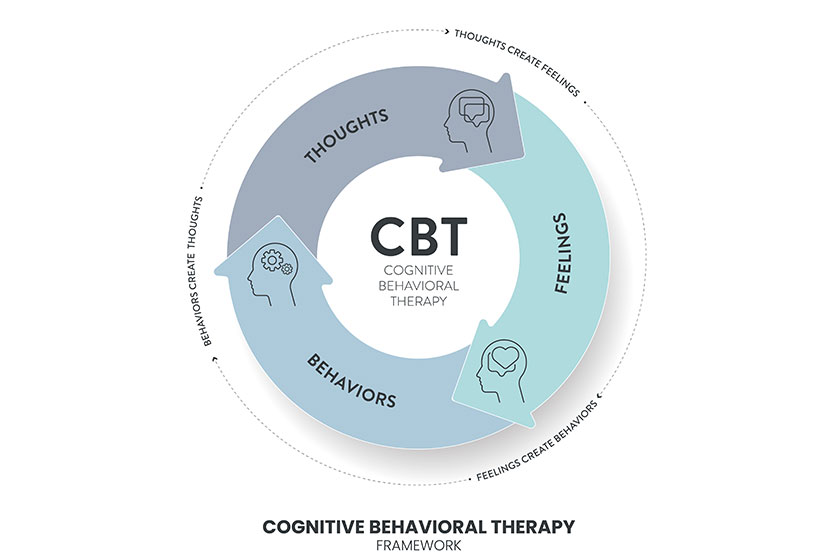
Let's break it down. CBT-I focuses on your thoughts, feelings, and actions around sleep. For example, do you hit the sack early hoping to catch some extra shut-eye, only to find yourself lying awake for hours? Or maybe you associate your bedroom with being awake, thanks to all those frustrating nights spent tossing and turning? CBT-I helps you recognize these patterns and replace them with healthier habits.
Take Sarah, a 35-year-old marketing manager who struggled with insomnia for years. She'd go to bed early, try to force sleep, and end up stressing about not sleeping. With CBT-I, she learned to associate her bed with sleep, not stress. She started going to bed only when sleepy and established a consistent wake-up time. Within a few weeks, she was sleeping better and feeling more energized.
Key Components
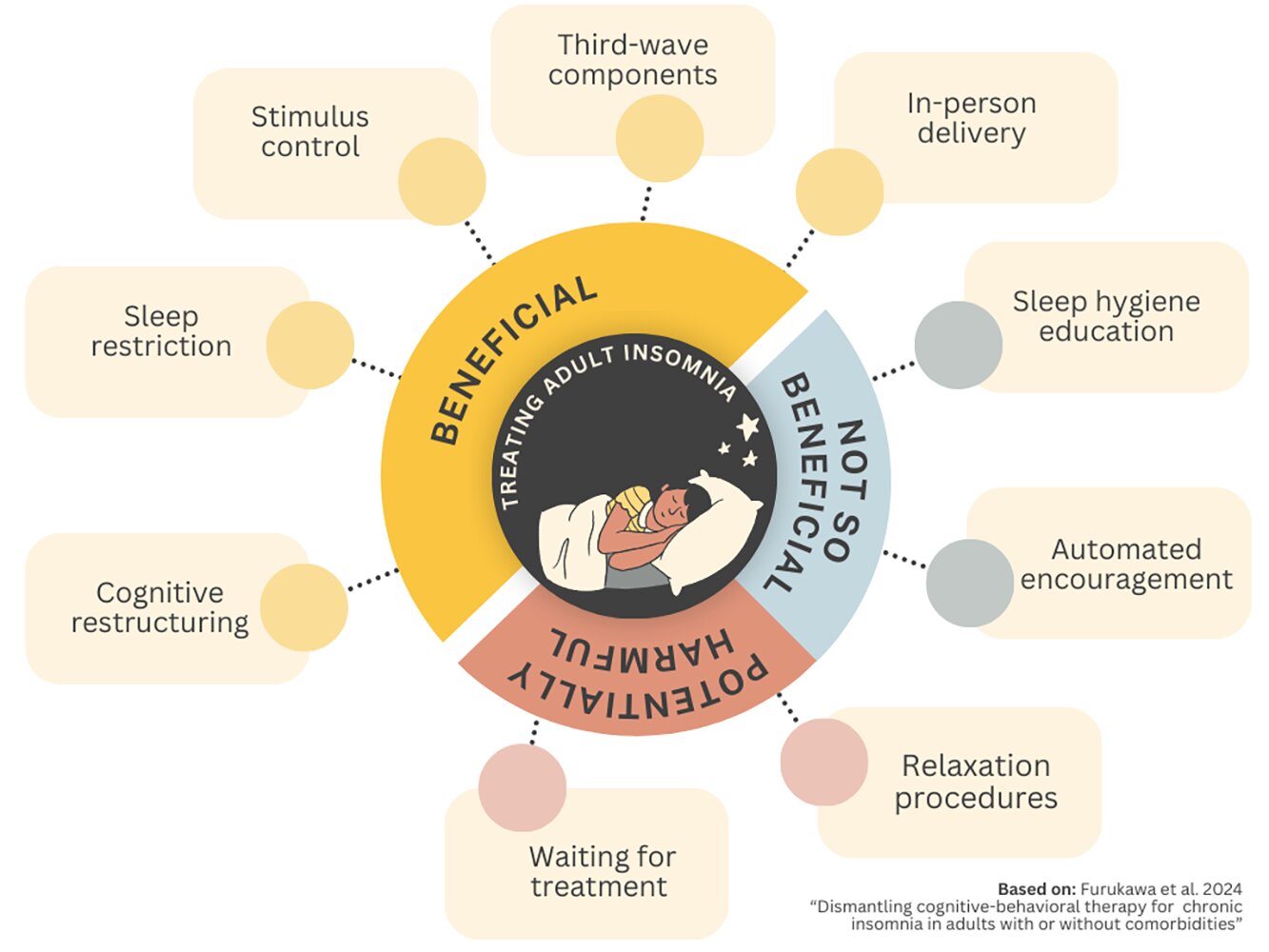
- Sleep Restriction: Limiting time in bed to match actual sleep time
- Stimulus Control: Creating an environment conducive to sleep (think dark, quiet, cool)
- Sleep Hygiene Education: Dipping into habits like caffeine intake and screen time before bed
- Cognitive Restructuring: Challenging negative thoughts about sleep
CBT-I isn't just about sleep; it's about reclaiming your life. By addressing the root causes of insomnia, you're setting yourself up for better days (and nights).
Key Components of CBT-I
So, what makes Cognitive Behavioral Therapy for Insomnia (CBT-I) so effective? Let's break down the key components that can help you overcome insomnia. Cognitive Restructuring: Challenging Negative Thoughts You might be surprised at how often your thoughts about sleep can actually make insomnia worse. Cognitive restructuring is about identifying and challenging those negative thoughts. For example, let's say you lie awake at night thinking, "I'll never get a good night's sleep." This thought can become a self-fulfilling prophecy. CBT-I helps you replace such thoughts with more realistic and positive ones, like, "I'm feeling tired, and I'll sleep when my body is ready." One technique used in cognitive restructuring is called "thought recording." You keep a journal to track your thoughts before bed and when you wake up during the night. This helps you identify patterns and challenge negative thoughts. For instance, a study published in the Journal of Clinical Sleep Medicine found that patients who practiced cognitive restructuring experienced significant improvements in sleep quality. Stimulus Control: Creating a Sleep-Conducive Environment Your bed should be a place for sleep, not for scrolling through your phone or watching TV. Stimulus control is about establishing a consistent sleep schedule and creating a sleep-friendly environment. This means making your bedroom a dark, quiet, and cool space. You can use blackout curtains, earplugs, or a white noise machine to achieve this. It's also crucial to associate your bed with sleep. Avoid using your bed for activities like reading, working, or watching TV. This helps your brain recognize your bed as a place for sleep, making it easier to fall asleep. For example, a study found that limiting bed activities to sleep and intimacy can improve sleep quality in just a few weeks. Relaxation Techniques: Reducing Stress and Anxiety Relaxation techniques like deep breathing, progressive muscle relaxation, and mindfulness meditation can help reduce stress and anxiety that often contribute to insomnia. Deep breathing, for instance, can calm your nervous system and prepare your body for sleep. Try this simple technique: breathe in through your nose for a count of four, hold your breath for a count of seven, and breathe out through your mouth for a count of eight. Repeat this cycle a few times before bed. You can also try progressive muscle relaxation, where you tense and then relax different muscle groups in your body. This can help release physical tension that might be keeping you awake. By incorporating these key components into your daily routine, you'll be well on your way to overcoming insomnia and enjoying a good night's sleep.
How CBT-I Works

So, how does Cognitive Behavioral Therapy for Insomnia (CBT-I) actually help you sleep better? Let's break it down. CBT-I is a structured program that helps you understand the underlying causes of your insomnia. It's like being a detective in your own sleep mystery, identifying the culprits that keep you awake night after night.
Identifying Patterns and Triggers
One of the first steps in CBT-I is to track your sleep patterns. This means keeping a sleep diary, where you jot down when you go to bed, when you wake up, and how you feel during the day. It's a real eye-opener! You'll start to see patterns, like how that afternoon coffee is affecting your sleep, or how stress at work is keeping you up at night. For example, Sarah, a 35-year-old marketing manager, discovered that her insomnia was linked to her habit of scrolling through her phone before bed. With her therapist, she identified the trigger and worked on a plan to replace it with a relaxing bedtime routine.
Managing Stress and Anxiety
CBT-I also teaches you skills to manage stress and anxiety that contribute to insomnia. Techniques like deep breathing, progressive muscle relaxation, and mindfulness meditation can help calm your mind and body before sleep. Take John's story: he was skeptical at first, but after practicing relaxation techniques for just two weeks, he reported sleeping through the night and waking up feeling refreshed.
- Identify and challenge negative sleep thoughts
- Develop a consistent sleep schedule
- Create a sleep-conducive environment
- Learn relaxation techniques to manage stress
The beauty of CBT-I is that it's tailored to your unique needs and sleep patterns. By working with a trained therapist, you'll uncover the underlying causes of your insomnia and develop strategies to overcome them. Ready to take the first step towards a restful night's sleep?
Benefits of CBT-I
You're probably wondering what you can expect from Cognitive Behavioral Therapy for Insomnia (CBT-I). Let's break it down. Studies have shown that CBT-I can lead to significant improvements in sleep quality and duration. For instance, a study published in the Journal of Clinical Sleep Medicine found that 70-80% of people with insomnia experienced improved sleep after undergoing CBT-I.
Reduced Anxiety and Depression
CBT-I doesn't just address sleep; it also tackles underlying issues like anxiety and depression. Take Sarah, a 35-year-old marketing executive who struggled with insomnia and anxiety. After 6 sessions of CBT-I, she reported feeling more relaxed and focused during the day. Her anxiety scores dropped from 8/10 to 3/10, and she started enjoying activities she had previously avoided.
One of the biggest benefits of CBT-I is increased energy and daytime functioning. When you're well-rested, you're more productive, and life becomes more enjoyable. You're able to tackle challenges with renewed enthusiasm and focus.
- Better sleep quality and duration
- Reduced symptoms of anxiety and depression
- Increased energy and daytime functioning
These benefits aren't limited to individual experiences. CBT-I has been widely recognized as an effective treatment for insomnia, with long-term results that surpass those of sleep medications. The American Academy of Sleep Medicine recommends CBT-I as the first-line treatment for chronic insomnia.
By addressing underlying sleep patterns and behaviors, CBT-I empowers you to take control of your sleep and overall well-being. And that's just the beginning – imagine waking up feeling refreshed, tackling your day with energy, and sleeping soundly through the night.
Finding a CBT-I Therapist: Your Next Step to Better Sleep
So, you've decided to give CBT-I a shot – that's awesome! Now, you're probably wondering how to find the right therapist. Here's the thing: not all therapists are created equal, especially when it comes to sleep issues. You want someone who's got the expertise and experience in CBT-I.
Look for therapists certified in CBT-I through organizations like the American Board of Sleep Medicine (ABSM). These pros have gone the extra mile to specialize in sleep therapy. The ABSM website has a directory of certified therapists – it's a great place to start your search. For instance, Dr. Sarah Johnson, a CBT-I certified therapist in Bangalore, has helped countless patients overcome insomnia using CBT-I techniques.
Insurance Coverage: Don't Break the Bank
Before you start reaching out to therapists, check with your insurance provider to see if they cover CBT-I sessions. Many insurance plans, including Medicare and some private insurers, cover CBT-I as a treatment for insomnia. This can make a huge difference in making therapy more accessible.
Can't find a CBT-I therapist in your area? Online directories and resources can help. The Indian Sleep Society and the Sleep Foundation websites have lists of sleep specialists and therapists. You can also ask your primary care physician for recommendations.
- Check online directories like the Indian Sleep Society website
- Ask your GP for recommendations
- Look for online CBT-I programs if you prefer remote sessions
Finding the right therapist is a personal process. Don't hesitate to reach out to a few different therapists to see who you vibe with. It's about finding someone who understands your struggles and can guide you towards better sleep.
Taking Control of Your Sleep
You've made it to the final section, and that's something to celebrate! You're now equipped with the knowledge to tackle insomnia head-on with Cognitive Behavioral Therapy for Insomnia (CBT-I). Studies have shown that CBT-I can lead to significant improvements in sleep quality, with around 70-80% of people experiencing benefits, according to Dr. Martin Szuba, a renowned sleep researcher.
Breaking the Cycle
CBT-I addresses the underlying issues driving your insomnia, helping you break free from the cycle of sleepless nights and tired days. By identifying and challenging negative thoughts and behaviors, you can regain control over your sleep and wake up feeling refreshed and revitalized. It's not just about sleep; it's about reclaiming your life.
Imagine waking up feeling energized, tackling your day with confidence, and enjoying activities without the weight of fatigue. That's the power of CBT-I. It's a journey, and it starts with a single step. You're not alone; thousands have overcome insomnia with CBT-I, including celebrities like Arianna Huffington, who swears by it.
- Identify your sleep patterns and challenges
- Challenge negative thoughts and behaviors
- Establish a consistent sleep schedule
- Create a sleep-conducive environment
- Practice relaxation techniques, like deep breathing or progressive muscle relaxation
The path to better sleep is within your grasp. Don't let insomnia hold you back – explore CBT-I and start your journey to a well-rested you. As the saying goes, "Sleep is the best meditation." Take control, and let CBT-I guide you towards a brighter, more energized tomorrow.









Comments ()