Cholesterol - The Silent Killer You Might Not See Coming

You might think heart disease is a distant threat, something that happens to other people, not you. But what if I told you that high cholesterol is silently creeping up on millions of Indians, often without any symptoms, and can lead to a heart attack or stroke without warning? In fact, a recent study revealed that nearly 1 in 5 Indians have high LDL cholesterol, a major risk factor for cardiovascular disease. With lifestyle diseases on the rise, it's time to take a closer look at the silent killer that's lurking in your arteries. Let's explore the hidden dangers of high cholesterol and what you can do to protect yourself.
The Hidden Dangers of Cholesterol
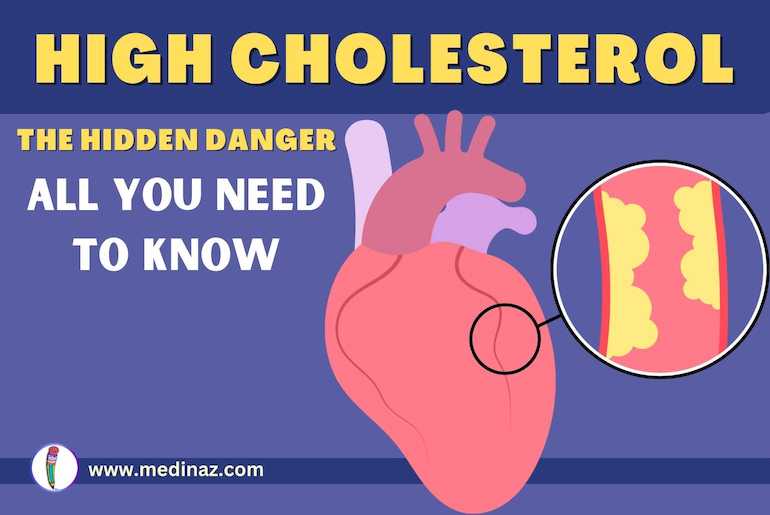
You might think of cholesterol as just a number on a medical report, but it's so much more than that. It's a waxy substance found in your blood, and high levels can raise your risk of heart disease. The American Heart Association says that nearly 102 million adults in the United States have high cholesterol, which is defined as 240 mg/dL or higher. That's roughly 39% of the adult population. The thing is, cholesterol often doesn't show any symptoms until it's too late. You might feel fine, but silently, cholesterol is building up in your arteries, making them narrower and harder. Dr. Anne Goldberg, a lipid specialist, puts it this way: "Cholesterol is like a silent killer; it sneaks up on you." This buildup can lead to heart attacks, strokes, and other cardiovascular diseases. Let's break it down: there are two main types of cholesterol - LDL (low-density lipoprotein) and HDL (high-density lipoprotein). LDL is the bad stuff that clogs your arteries, while HDL is the good stuff that helps remove excess cholesterol from your bloodstream. Ideally, you want low LDL and high HDL levels. You might be wondering how this happens. Well, it often starts with your lifestyle choices. Eating too much saturated and trans fats, not exercising enough, and smoking can all contribute to high cholesterol. Genetics also play a role, so if your family has a history of high cholesterol, you're more likely to develop it. The good news is that high cholesterol is manageable. With the right treatment and lifestyle changes, you can lower your risk of heart disease. We'll dive deeper into how you can take control of your cholesterol levels in the following sections. According to the Centers for Disease Control and Prevention (CDC), making healthy lifestyle choices can lower your risk of heart disease by up to 82%. That's a pretty compelling reason to take a closer look at your habits and make some positive changes.
Understanding Cholesterol Levels
Let's get down to business. Your cholesterol levels are like a report card for your heart health, and Lp(a) is one of the key metrics you want to keep an eye on. Think of Lp(a) as a type of cholesterol that's linked to a higher risk of heart disease. Now, you might be wondering what numbers to aim for.
What's a Normal Lp(a) Range?
Normal Lp(a) levels are typically considered to be below 30 milligrams per deciliter (mg/dL). If you're below this threshold, you're in the clear – for now. But if your levels are high, you need to know what that means for your health.
High Lp(a) levels can be a silent killer because they don't always cause symptoms. You're not going to feel it, but it can increase your risk of heart attack and stroke. For instance, studies have shown that people with Lp(a) levels above 50 mg/dL are at a significantly higher risk of cardiovascular disease.
The Role of Genetics in Lp(a) Levels
Here's the thing: genetics play a huge role in determining your Lp(a) levels. If your parents have high Lp(a) levels, you might be more likely to have them too. Research suggests that genetic factors can account for up to 90% of the variation in Lp(a) levels. That's why it's crucial to know your family history and discuss it with your doctor.
Let's consider a real-life example. Meet Sarah, a 35-year-old woman who's been experiencing chest pain and shortness of breath. After a series of tests, her doctor discovers that her Lp(a) levels are through the roof – over 100 mg/dL. With this knowledge, Sarah can take steps to reduce her risk, such as making lifestyle changes and working with her doctor to develop a treatment plan.
You're probably wondering what you can do to lower your Lp(a) levels. While genetics do play a role, there are still steps you can take to reduce your risk. We'll dive into those in the next section.
The Role of Lipoprotein(a) in Heart Health
You might think you know your cholesterol numbers, but there's a silent contributor to heart disease that often flies under the radar: Lipoprotein(a), or Lp(a) for short. It's a type of LDL cholesterol that's particularly nasty because it promotes blood clots and inflammation in your arteries. Think of it like a double whammy – not only does it raise your bad cholesterol levels, but it also makes your blood more likely to clot, setting you up for a heart attack or stroke. Let's break it down. Lp(a) is made up of a low-density lipoprotein (LDL) particle attached to a protein called apolipoprotein(a). Sounds complicated, right? But here's the thing: high Lp(a) levels can sharply increase your cardiovascular risk, even if your regular cholesterol levels are normal. A study published in the Journal of the American College of Cardiology found that people with high Lp(a) levels had a 70% higher risk of cardiovascular events compared to those with low levels. You're probably wondering how common this is. Well, about one in five people have high Lp(a) levels, and the kicker is that most don't even know it because it's not typically tested for. That's like playing Russian roulette with your heart health. Take the case of Sarah, a 45-year-old woman who had a heart attack seemingly out of the blue. Her doctor ran the usual tests, but it wasn't until they checked her Lp(a) levels that they found the culprit. With the right treatment, Sarah was able to significantly reduce her risk of another event. So, what can you do? If you have a family history of heart disease or have had a cardiovascular event, it's worth talking to your doctor about getting your Lp(a) levels checked. There are treatments available that can help lower your levels and reduce your risk. Don't wait until it's too late – take control of your heart health today. High Lp(a) levels are just one piece of the puzzle, but understanding them can be a game-changer for your health.
Managing Cholesterol-Related Risks
You've learned about the dangers of high cholesterol, but what's next? Let's talk about managing those risks. Think of it like maintaining a car – regular tune-ups and the right fuel can go a long way in keeping it running smoothly. Physicians recommend tackling modifiable risk factors like high LDL cholesterol, diabetes, and hypertension head-on. For instance, studies have shown that a 10% reduction in LDL cholesterol can lower your risk of heart disease by 20%. That's a pretty good deal, if you ask me. Your doctor might suggest lifestyle changes, like adopting a heart-healthy diet or exercising regularly. The American Heart Association recommends at least 150 minutes of moderate-intensity aerobic exercise per week. That's just 30 minutes a day, five days a week. Now, let's talk about medications. Statins are a common type of cholesterol-lowering medication that can help reduce your risk of heart disease. For example, atorvastatin (Lipitor) and rosuvastatin (Crestor) are popular options. These meds work by blocking an enzyme in your liver that produces cholesterol. But, they're not the only game in town. Other options like bile acid sequestrants, niacin, and fibrates might be prescribed depending on your specific needs.
High Lp(a) Levels: The Research Continues
You might've heard of Lp(a), a type of lipoprotein that's associated with an increased risk of heart disease. Research is ongoing to develop targeted therapies for high Lp(a) levels. One promising area of research involves using RNA-targeting therapies to reduce Lp(a) production in the liver. These therapies have shown potential in early clinical trials, offering hope for those with elevated Lp(a) levels. Let's look at a real-life example. Meet Sarah, a 45-year-old woman with high LDL cholesterol and a family history of heart disease. She's been working with her doctor to manage her cholesterol levels through diet and exercise. She's also taking a statin to help lower her LDL levels. By making these lifestyle changes and adhering to her medication regimen, Sarah has been able to keep her cholesterol levels under control. You can do the same. By working with your doctor and making a few simple changes, you can lower your cholesterol levels and reduce your risk of heart disease. It's all about taking control of your health and making informed decisions.
The Importance of Testing
You might be thinking, "I've had my cholesterol levels checked before, I'm good to go." But here's the thing: there's more to cholesterol than just LDL and HDL. Let's talk about Lp(a) – a type of lipoprotein that can significantly increase your risk of heart disease. The catch? It's not typically part of a standard lipid profile. You're probably wondering why your doctor doesn't automatically check for Lp(a). The truth is, patients need to specifically request this test. Dr. Steven Nissen, a cardiologist at the Cleveland Clinic, emphasizes the importance of Lp(a) testing, especially for those with a family history of heart disease. A once-in-a-lifetime test can help identify high-risk individuals, and early detection can potentially save lives. Consider the case of a 40-year-old man who had a heart attack out of the blue. His standard cholesterol tests were normal, but an Lp(a) test revealed a different story – his levels were sky-high. With this knowledge, his doctor was able to create a personalized treatment plan, significantly reducing his risk of another event. So, what can you do? If you're concerned about your heart health, ask your doctor about Lp(a) testing. It's a simple blood test that could provide valuable insights into your cardiovascular risk. Don't assume you're off the hook just because you've had a standard lipid profile. Your heart health is worth the extra test.
Who Should Get Tested?
While it's not necessary for everyone, certain individuals should definitely consider Lp(a) testing:
- Those with a family history of heart disease or high cholesterol
- Individuals who've had a heart attack or stroke at a young age
- Those with other cardiovascular risk factors, such as high blood pressure or diabetes
Don't wait until it's too late. Take control of your heart health by asking about Lp(a) testing today. Your heart will thank you.
Reducing Your Risk
You've got this! Knowing your numbers is a great starting point. Ask your doctor about getting tested for Lp(a) - it's a specific type of cholesterol that can increase your risk of heart disease. For example, if your Lp(a) levels are above 50 mg/dL, you might be at a higher risk. Don't worry, it's not all about medication; lifestyle changes can make a big difference. Maintaining a healthy lifestyle is key. Focus on a balanced diet rich in fruits, veggies, whole grains, and lean proteins. The Mediterranean diet is a great example - it's been shown to lower the risk of heart disease by up to 30%. Regular exercise is also crucial; aim for at least 150 minutes of moderate-intensity exercise or 75 minutes of vigorous-intensity exercise per week. You don't need to become a marathon runner; even a brisk walk can help.
Don't Wait for Symptoms
High cholesterol often doesn't show symptoms until it's too late. That's why regular check-ups are vital. Manage stress by finding healthy ways to cope, such as meditation, yoga, or deep breathing exercises. Chronic stress can raise your blood pressure and increase your risk of heart disease. Here's what you can do:
- Get your cholesterol levels checked regularly, especially if you have a family history of heart disease.
- Talk to your doctor about your Lp(a) levels and what they mean for your health.
- Make healthy lifestyle choices, like exercising regularly and eating a balanced diet.
- Find healthy ways to manage stress, such as meditation or yoga.
You have the power to reduce your risk of heart disease. By taking control of your health, you can lower your cholesterol levels and live a healthier, happier life. So, what are you waiting for? Take the first step today and start making those healthy changes. Your heart will thank you!











Comments ()