Chernobyl's Radiotrophic Fungus
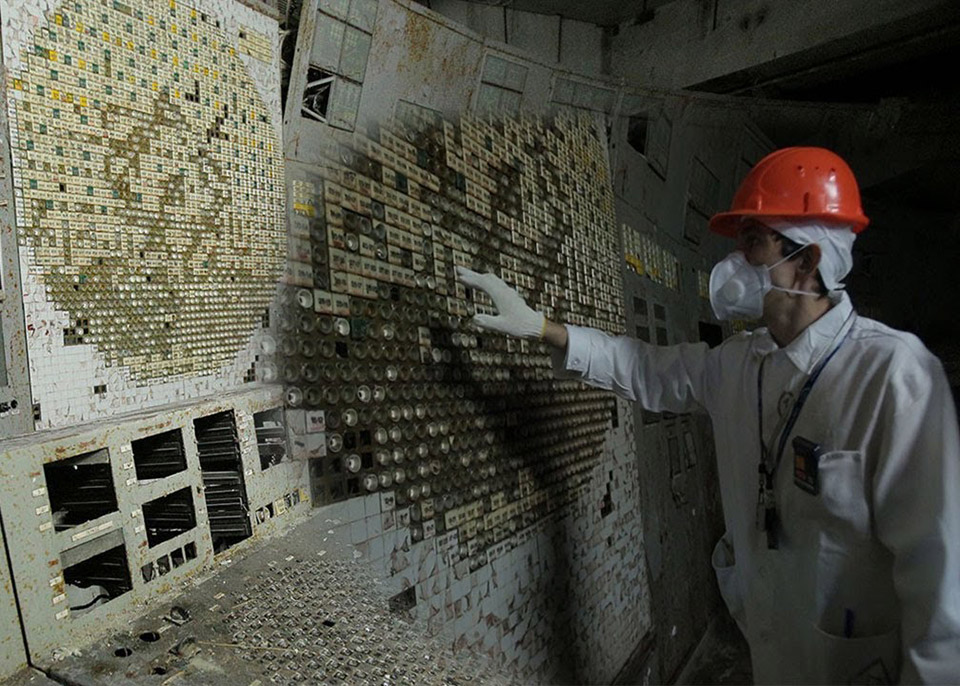
In the radioactive exclusion zone surrounding Chernobyl's ruined nuclear power plant, a peculiar organism has been thriving for decades, feeding on radiation and defying our understanding of life as we know it. This isn't science fiction - it's the real-life story of radiotrophic fungus, a species that could hold the key to unlocking new cancer treatments and revolutionising our approach to space exploration. Recently, scientists discovered that this fungus, Cladophialophora bantiana, can even survive the intense radiation of space, making it a prime candidate for future Mars missions. But how does it do it, and what secrets can it reveal about the boundaries of life?
Disaster Zone, Unlikely Sanctuary
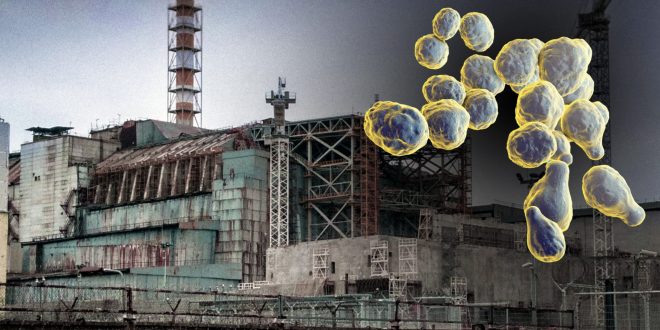
You know the story of Chernobyl - the catastrophic nuclear disaster that shook the world in 1986. Reactor 4 exploded, spewing radioactive particles into the air, contaminating everything within a 30km radius. The result? An exclusion zone that's still largely uninhabitable today, with radiation levels that would be fatal to most life forms.
But here's the thing: life found a way. Despite the toxic environment, certain organisms began to thrive in the exclusion zone. One of the most fascinating examples is a type of fungus - Cladophialophora - discovered growing on the reactor's walls. It's not just surviving; it's actually feeding on radiation. Yeah, you heard that right - this fungus is radiotrophic, using radiation as energy, much like plants use sunlight.
According to Dr. Ekaterina Dadachova, a leading researcher in the field, "These fungi are not just resistant to radiation; they're actually attracted to it." Studies have shown that these fungi can grow towards radiation sources, using melanin - the same pigment that gives human skin its color - to harness the energy. It's a wild concept, but it's backed by data: areas with high radiation levels are teeming with these fungi, while areas with lower levels have much less growth.
The implications are mind-boggling. Could this fungus hold the key to cleaning up nuclear waste? Or maybe even provide insights into human health and longevity? The possibilities are endless, and scientists are just starting to scratch the surface.
The Chernobyl disaster was a tragedy, but it's opened up new avenues for research and discovery. As we'll explore in the next section, this radiotrophic fungus is just one example of the incredible life that's thriving in the exclusion zone.
The Fungus That Thrives on Radiation

You won't believe what researchers found in the heart of Chernobyl's Reactor 4 back in 1991 - Cladosporium sphaerospermum, a fungus that's got scientists scratching their heads. This isn't just any fungus; it's one that's got a unique talent for surviving in one of the most radioactive places on Earth.
This fungus exhibits radiotropism, meaning it actively grows towards radiation sources. Yeah, you heard that right - it's like it's drawn to radiation like a moth to flame! Researchers have observed it growing directly on the reactor walls, where the radiation levels are crazy high - up to 200 times higher than background levels.
Feeding on Radiation?
Here's the really cool part: Cladosporium sphaerospermum isn't just surviving the radiation; it's actually feeding on it. The fungus contains melanin, the same pigment that gives human skin its color, which seems to be converting radiation into energy for growth. This process is similar to photosynthesis, where plants convert sunlight into energy.
Studies have shown that this fungus can even grow faster in high-radiation environments than in normal conditions. For example, samples exposed to high levels of radiation grew up to 3 times faster than those in low-radiation environments. This has led scientists to speculate about potential applications in space exploration and radiation shielding.
The discovery of Cladosporium sphaerospermum has opened up new avenues for research into radiation-resistant organisms and their potential uses. Who knows? Maybe one day we'll be using this fungus to shield spacecraft on long missions to Mars or beyond.
Melanin: The Magic Ingredient
You know how our skin produces melanin to protect us from the sun's harsh UV rays? Well, it turns out this incredible pigment is also the secret behind Chernobyl's radiotrophic fungus's superpower. This fungus is packed with melanin, and it's not just a coincidence – it's the key to its ability to thrive in one of the most radioactive places on Earth.
See, melanin has a unique property that allows it to absorb gamma radiation, converting it into chemical energy. It's a bit like photosynthesis, but instead of using sunlight, this fungus uses radiation. Researchers like Dr. Ekaterina Dadachova have studied this phenomenon, and it's mind-blowing stuff. They're finding that this process could have implications for cancer treatment and even space exploration.
How it works
The melanin in the fungus acts like a tiny antenna, absorbing radiation and converting it into energy. This energy is then used to fuel the fungus's growth and survival. It's a clever trick, and scientists are eager to learn more about it. In fact, studies have shown that melanin can absorb up to 99% of gamma radiation, making it an incredibly effective shield.
- Melanin absorbs gamma radiation
- Converts radiation into chemical energy
- Fuels fungus growth and survival
This discovery has opened up new avenues for research, from developing more effective radiation shielding to creating novel cancer therapies. Who knew something as simple as a fungus could hold such complex secrets?
Radiosynthesis: A New Frontier
You've probably heard about the incredible discoveries being made in the Chernobyl exclusion zone, where researchers are unraveling the mysteries of life in extreme environments. One of the most mind-blowing findings is the fungus Cryptococcus neoformans, which seems to be thriving in the radioactive shadows. Scientists like Dr. Ekaterina Dadachova have been studying this peculiar organism, and the results are nothing short of revolutionary.
The Power of Radiosynthesis
The big question is: how does it do it? Research suggests that Cryptococcus neoformans uses a process called radiosynthesis to harness the energy from radiation. It's like photosynthesis, but instead of using sunlight, this fungus is fueled by gamma rays. Yes, you read that right – gamma rays! The melanin pigment in the fungus's cells is thought to be the key to this remarkable ability, converting radiation into energy.
This challenges our understanding of life's limits in extreme environments. If fungi can thrive in Chernobyl's toxic soup, what else is out there? The implications are huge, not just for our understanding of life on Earth, but also for the possibility of life on other planets. NASA's been taking notice – researchers are already exploring the potential for radiosynthetic life on Mars or Europa, Jupiter's icy moon.
- Radiosynthesis could support life in deep space or planetary environments with limited sunlight
- Could lead to new ways to clean up radioactive waste or develop novel biotechnologies
- Expands our understanding of life's adaptability and the origins of life
The discovery of radiosynthesis in Cryptococcus neoformans is opening doors to new frontiers in biology, physics, and astrobiology. As we continue to unravel the secrets of Chernobyl's radiotrophic fungus, we might just uncover the keys to life's incredible diversity – and its ability to thrive in the most inhospitable places.
Space Applications: Protecting Astronauts
You might be wondering how Chernobyl's radiotrophic fungus could possibly be relevant to space exploration. Well, NASA thought so too, which is why they sent samples of the fungus to the International Space Station (ISS) in 2018. The results were pretty remarkable - the fungus grew a whopping 21% faster in space than it did on Earth.
The Radiation Shield Potential
But here's the really cool part: the fungus also showed potential as a radiation shield. In tests, it blocked roughly 2.4% of incoming radiation, which might not sound like a lot, but it's a promising start. This could be especially useful for long-duration space missions, where radiation exposure is a major concern. Imagine having a living, breathing shield that can protect astronauts on their way to Mars or beyond.
The idea isn't as far-fetched as it sounds. Researchers are already exploring the concept of "myco-architecture" - using fungi to build habitats on the Moon or Mars. The fungus can grow and adapt to its environment, making it an ideal candidate for creating natural radiation shields or even entire habitats. Just imagine a fungal dome on the Martian surface, protecting astronauts from harsh radiation and extreme temperatures.
- The ISS experiment was a collaboration between NASA and the University of Texas
- The fungus was grown on a specially designed substrate to mimic Martian regolith
- Future experiments will test the fungus's ability to grow in simulated lunar and Martian environments
It's an exciting time for space exploration, and Chernobyl's radiotrophic fungus is just one of the many innovative solutions being explored. Who knows, maybe one day we'll be living in fungal habitats on the Moon or Mars, thanks to this incredible organism.
Nuclear Cleanup: A Safer Approach

You've seen how C. spherobolus thrives in Chernobyl's radioactive environment. Now, let's explore how this fungus could revolutionise nuclear cleanup efforts. Researchers are looking at using this radiotrophic fungus to fast-track radioactive degradation at disaster sites, and the results are promising.
Bioremediation: Nature's Cleanup Crew
Traditional cleanup methods, like excavation and chemical treatment, can be invasive and costly. That's where bioremediation comes in – using living organisms like our fungal friends to clean up pollutants. C. spherobolus has shown it can break down radioactive materials, making it an attractive option for sites like Fukushima or Chernobyl.
One study at Chernobyl's Nuclear Power Plant showed that C. spherobolus could reduce radioactive cesium-137 levels by up to 30% in just a few months. That's a significant drop, considering the half-life of cesium-137 is about 30 years. Mycologist Dr Ekaterina Dadáková notes, "Fungi like C. spherobolus could be a game-changer for nuclear cleanup. They're natural, cost-effective, and can reach areas inaccessible to humans."
- Fast-tracking radioactive degradation
- Less invasive than traditional methods
- Potential for cost-effective large-scale application
- Can target specific radioactive isotopes
The next step? More research and field trials to understand how to scale up this technology. With ongoing projects in Chernobyl and beyond, we're seeing how nature's own cleanup crew could make nuclear sites safer.
Future Frontiers: Unlocking Potential
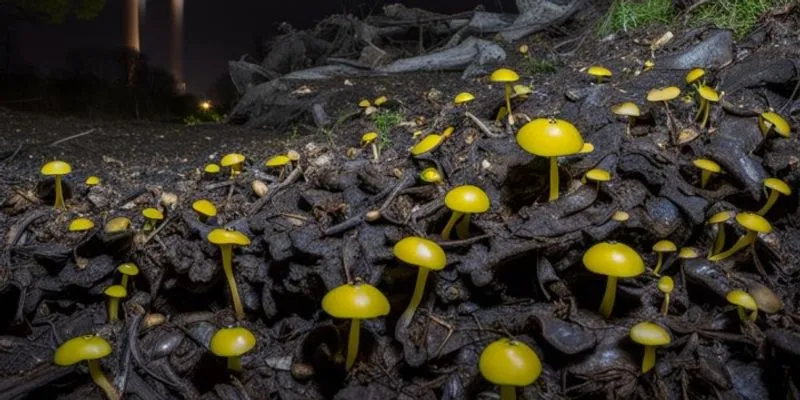
You're probably wondering what's next for Chernobyl's radiotrophic fungus. Genetic studies are underway to pinpoint the exact traits that enable these fungi to thrive in radiation. Researchers like Dr. Ekaterina Dadachova are leading the charge, and her team's findings could lead to breakthroughs in radiation resistance.
The Melanin Connection
Biotech companies are already exploring practical applications, like using melanin - the pigment responsible for the fungus's superpower - in protective paints and medical shielding. Imagine buildings coated with a special paint that absorbs radiation, or astronauts wearing melanin-infused suits for extra protection. NASA's already interested, and companies like Columbia University spin-off, StemRad, are working on radiation shielding inspired by the fungus.
There's potential for radiation-resistant crops and materials too. Scientists are experimenting with genetic modification to introduce radiation-resistant traits into food crops, which could revolutionize agriculture in areas with high radiation levels. Imagine farmers growing radiation-resistant rice in Fukushima or Chernobyl's exclusion zone.
- Radiation-resistant crops could feed communities near nuclear disaster sites
- Melanin-based shields could protect astronauts on deep space missions
- Protective coatings for nuclear power plants and medical facilities
The future's looking bright for Chernobyl's radiotrophic fungus. Who knew something growing in a toxic wasteland could hold keys to protecting our planet and beyond?









Comments ()