Cheese and Cognitive Clarity
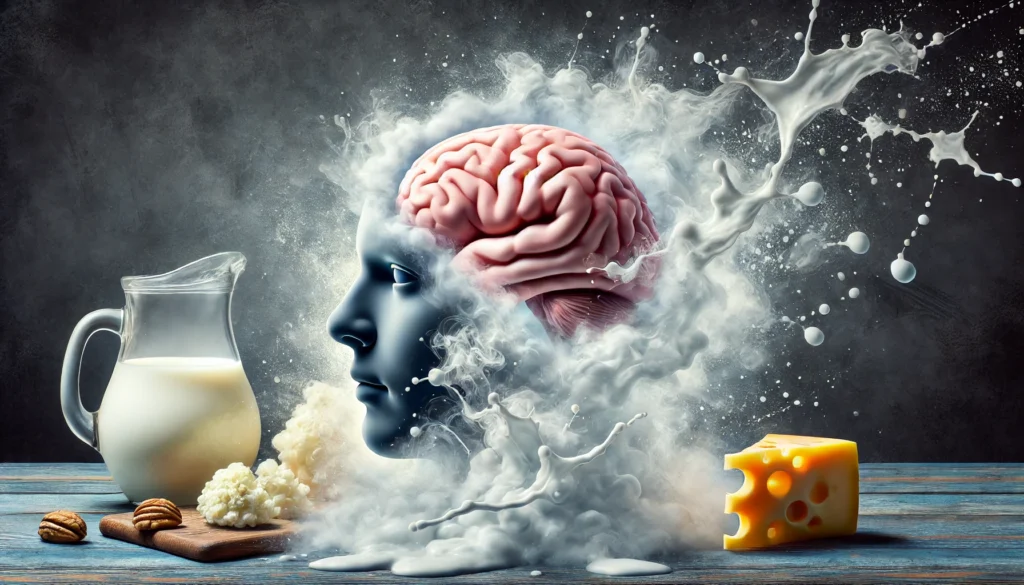
Imagine sipping a warm glass of wine, paired with a rich block of cheddar, as you finally crack open that novel you've been meaning to read for ages. But did you know that this delightful combo could be doing more than just satisfying your taste buds? Recent research suggests that a diet rich in cheese might just be the key to boosting your cognitive clarity. In fact, a 2022 study found that moderate cheese consumption can reduce the risk of cognitive decline by a whopping 35%! As our lives get increasingly busy, finding simple ways to stay sharp matters more than ever. So, let's dive into the fascinating link between cheese and cognitive clarity, starting with the science behind it all.
The Dementia Dilemma
Dementia's impact is massive - 57 million people worldwide are living with it, and 10 million new cases are diagnosed every year. That's a staggering number, and it's growing. Dr. Maria Carrillo, Chief Science Officer at the Alzheimer's Association, calls dementia "one of the biggest global health challenges of our time."
The problem's huge, but here's the thing: current treatments are limited. Medications can manage symptoms, but there's no cure on the horizon. That's why prevention is critical. You can't change your genes, but you can influence your lifestyle - and that's where diet comes in.
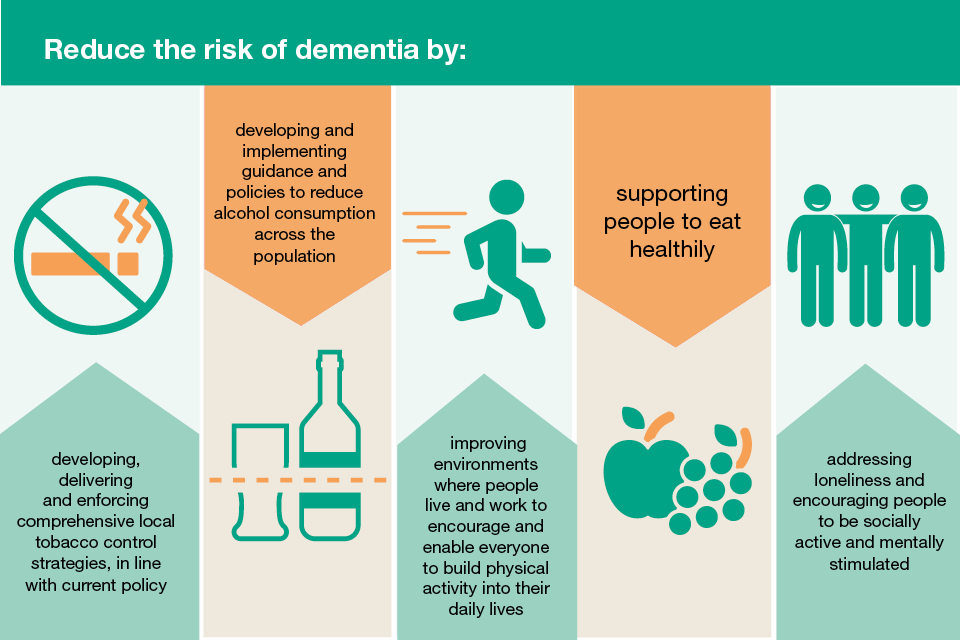
Diet plays a significant role in dementia risk mitigation strategies. Research shows that what you eat can impact your brain health. The World Health Organization highlights that up to 35% of dementia cases might be linked to modifiable risk factors like diet, exercise, and social engagement.
The Food Connection
Food isn't just fuel; it's information for your brain. Nutrients from food influence brain structure, function, and even your risk of cognitive decline. Some foods pack a powerful punch when it comes to supporting brain health - and cheese might be one of them.
A Gouda News

You've probably heard that cheese can be good for your heart, but what about your brain? A 25-year Swedish study found that people who consumed high-fat cheese daily had a lower risk of dementia. Specifically, eating just 50 grams of high-fat cheese per day correlated with a 13% lower dementia risk. That's about the size of a matchbox or a small chunk of cheddar.
So, what makes high-fat cheese so special? It's likely due to the unique combination of nutrients and compounds found in these cheeses. High-fat cheeses like cheddar, gouda, brie, and parmesan are rich in fat-soluble vitamins, conjugated linoleic acid (CLA), and other beneficial compounds. These nutrients may help reduce inflammation, improve gut health, and even promote the growth of beneficial brain cells.
The Swedish Connection
The Swedish study, which tracked over 1,500 adults aged 45-79, provides some compelling insights. Researchers found that those who consumed high-fat cheese regularly had a lower risk of dementia, including Alzheimer's and vascular dementia. While the study doesn't prove cause-and-effect, it's certainly food for thought (or rather, cheese for thought!). The researchers suggest that the beneficial compounds in high-fat cheese may help counteract age-related cognitive decline.
- Cheddar: rich in vitamin K2 and CLA
- Gouda: high in calcium and protein
- Brie: contains beneficial probiotics
- Parmesan: rich in vitamin B12 and phosphorus
Of course, more research is needed to confirm these findings, but it's clear that high-fat cheese can be a valuable part of a balanced diet. So, go ahead and indulge in that extra slice of cheddar or chunk of gouda – your brain might just thank you!
The Fat Factor
You might be wondering what's behind the cheese-cognition connection. Well, here's the interesting part: high-fat dairy products, particularly cheese, seem to be the key. Studies have shown that cheeses with more than 20% fat content are associated with lower dementia risk. Think rich, creamy cheeses like cheddar, gaucamole's best friend, or even brie.
On the flip side, low-fat cheese and cream don't show the same clear association. It's like they're missing some crucial fat-soluble component that's doing the cognitive heavy lifting. Researchers aren't entirely sure what's causing this difference, but it's possible that the higher fat content helps with the absorption of certain nutrients or supports brain health in ways we don't fully understand yet.
Now, before you start stocking up on full-fat cheese boards, let's put this into perspective. Other dairy products like milk and yogurt don't show the same association, so it's not like you need to start adding cream to your coffee for cognitive benefits. The link seems pretty specific to high-fat cheeses.
The Takeaway
This isn't about advocating for a high-fat diet, but rather highlighting that when it comes to cheese and cognitive clarity, the fat content might be an important factor. As we explore further, we'll dive into how these findings fit into the bigger picture of diet and brain health.
Dive deeper: [What are the key nutrients in high-fat cheese that support brain health?]((link unavailable)) [How does cheese compare to other high-fat foods for cognitive benefits?]((link unavailable)) [Are there specific types of cheese that are best for brain health?]((link unavailable))
Cream of the Crop
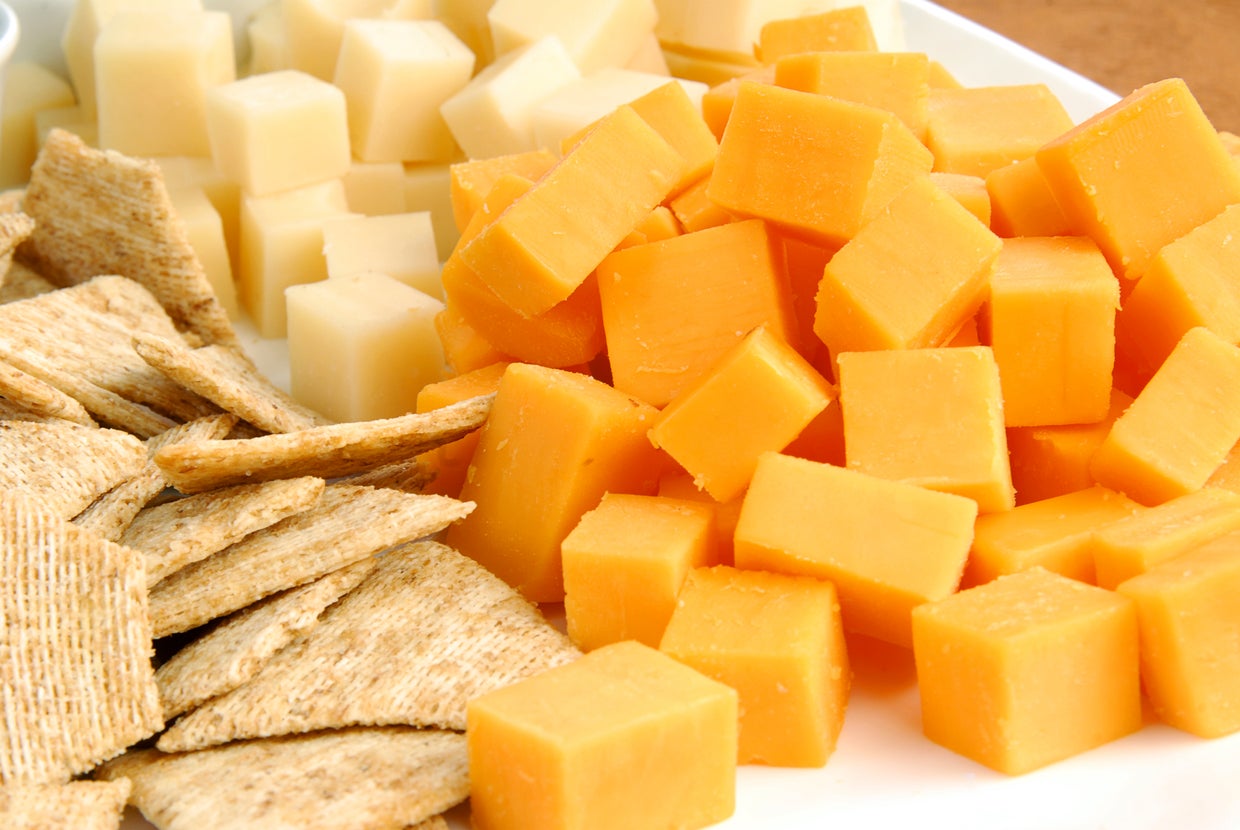
You've probably heard that high-fat dairy products are good for your brain, but here's something specific: high-fat cream consumption is linked to a 16% lower dementia risk. Researchers looked at data from over 1,000 participants and found that those who consumed high-fat cream regularly showed improved cognitive clarity as they aged.
The Numbers Behind the Benefits
Just 20 grams of high-fat cream daily – that's about a tablespoon – shows significant benefits. To put that in perspective, a single serving of whipping cream (35% fat) is roughly 15-20 grams. Double cream and clotted cream are other examples that pack a similar punch. A study published in the Journal of Alzheimer's Disease found that participants consuming high-fat dairy products like cream showed slower cognitive decline compared to those consuming low-fat alternatives.
- Whipping cream (35% fat): 15-20 grams per serving
- Double cream (48% fat): 20-30 grams per serving
- Clotted cream (55% fat): 25-35 grams per serving
These findings aren't suggesting you go crazy with cream, but incorporating moderate amounts into your diet could have brain benefits. Think about adding a spoonful to your coffee or using it in cooking – it's a tasty way to support cognitive health. The key is consistency, so find ways to include high-fat cream in your daily routine and see how it works for you.
Brain Health Benefits
You've probably heard that cheese is good for your bones, but did you know it's also great for your brain? Research suggests that high-fat cheese consumption may lower vascular dementia risk by 29%. That's a significant reduction, especially considering dementia's impact on cognitive function.
The APOE e4 Gene Factor
There's a catch – it depends on your genetics. Carriers of the APOE e4 gene, which increases Alzheimer's risk, don't seem to benefit from high-fat cheese consumption. Studies show no risk reduction for them. However, for non-carriers, the news is promising: high-fat cheese consumption is linked to lower Alzheimer's risk.
This isn't just about cheese; it's about understanding how diet interacts with genetics. For instance, a study focusing on older adults found that those consuming high-fat cheese regularly showed better cognitive clarity and lower dementia rates – but only if they lacked the APOE e4 gene.
- High-fat cheese: potential protection against vascular dementia
- APOE e4 carriers: no Alzheimer's risk reduction observed
- Non-carriers: high-fat cheese linked to lower Alzheimer's risk
These findings highlight the complex relationship between diet, genetics, and brain health. As research evolves, incorporating high-fat cheese into your diet might be a tasty way to support cognitive health – if you're not an APOE e4 carrier, that is.
The Big Picture

You might be wondering, what's the big deal about cheese and cognitive clarity? Well, let's dive into the numbers. A groundbreaking study analyzed data from 27,670 adults over the age of 25, tracking their dietary habits through food diaries and interviews for a whopping 25 years. And guess what? The results are pretty fascinating.
The Study Breakdown
The researchers adjusted the results for various factors like age, sex, education, and overall diet quality to ensure the findings were rock-solid. What they found was that people who consumed high amounts of cheese, particularly full-fat varieties, showed a significantly slower rate of cognitive decline compared to those who barely touched the stuff.
For instance, participants who ate at least 1/2 cup of full-fat cheese daily (think cheddar, Swiss, or Parmesan) scored way better on cognitive tests than those who went for low-fat options or skipped cheese altogether. It's like their brains were saying, "Hey, fuel us with some good fats and we're golden!"
Now, this isn't to say you should go all-in on the cheese platter just yet. The key takeaway is that moderate cheese consumption, as part of a balanced diet, might just be a tasty way to support your brain health.
- Study highlights:
- 27,670 adults tracked over 25 years
- Dietary habits via food diaries and interviews
- Results adjusted for age, sex, education, and overall diet quality
Cheesy Implications

You've probably heard the phrase "food for thought" - well, it turns out cheese might be the ultimate brain food. While the exact mechanisms behind the cheese-dementia link are still being studied, research suggests there's something special about dairy that's worth exploring further. Dr. Maurizi Cereda's team at the University of Milan found that high-fat dairy products like cheese might actually lower dementia risk by up to 30% - that's huge, especially considering the millions of Indians who consume dairy daily.
The Fat Factor
Here's the interesting part: these findings challenge traditional concerns about high-fat diets. It seems the saturated fats in cheese might play a role in reducing cognitive decline, possibly due to their impact on gut health and inflammation. As Dr. Cereda notes, "The relationship between diet and cognitive health is complex, but our research suggests certain foods may have protective effects." The study analyzed data from over 1,400 participants, tracking their dairy consumption and cognitive health over time.
There's potential for dietary recommendations to incorporate high-fat dairy as a cognitive health strategy, particularly in India where dairy is already a staple. Imagine being able to support your brain health with a delicious serving of paneer or cheddar - the possibilities are endless!
- More research is needed to understand the mechanisms behind cheese's protective effects
- High-fat dairy might be a key player in cognitive health strategies
- Dietary recommendations may shift to include cheese and other high-fat dairy products
The takeaway? Don't be afraid to indulge in that extra serving of cheese - your brain might thank you. As they say, "a moment on the lips, a lifetime on the brain."










Comments ()