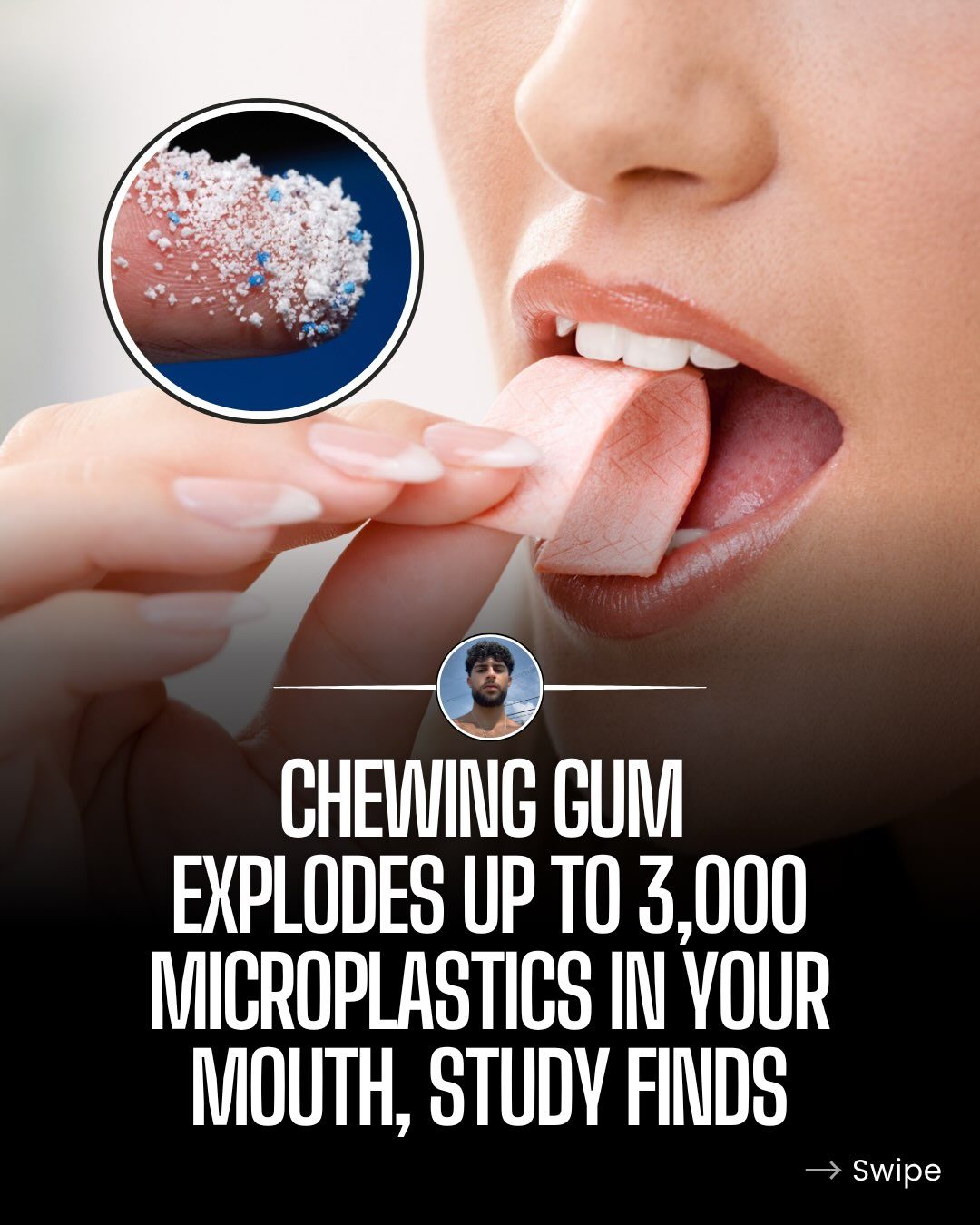
Chewing Gum Releases Up to 3,000 Microplastics: Study Finds
Chewing gum, a common habit for many, has been found to release hundreds to thousands of microplastic particles into th…
Category
Deep-dive articles in this topic.
Chewing gum, a common habit for many, has been found to release hundreds to thousands of microplastic particles into th…
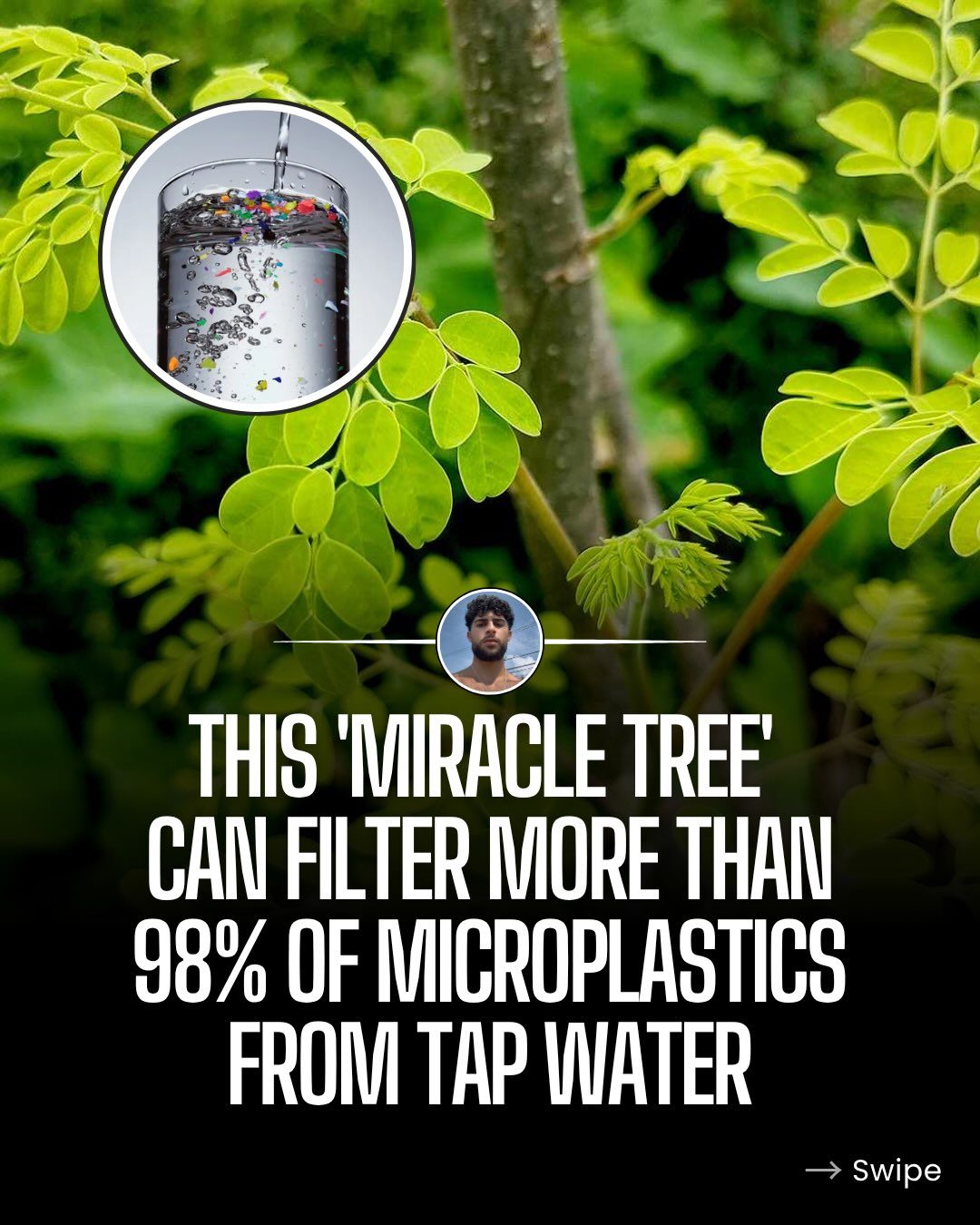
Moringa oleifera, known as the "miracle tree," offers a natural and effective solution for filtering microplastics from…
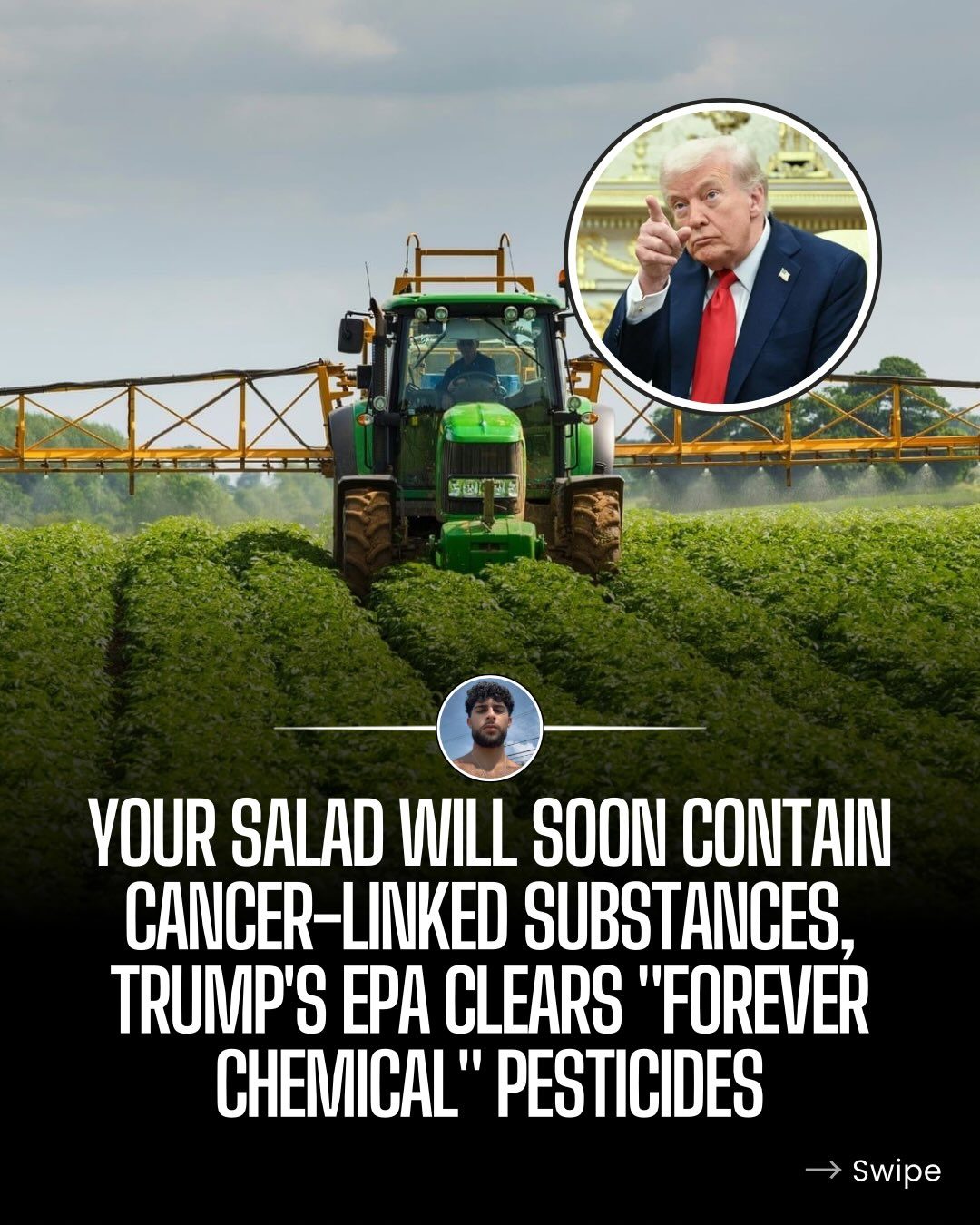
PFAS, or “forever chemicals” in pesticides, were approved by the EPA during the Trump administration to combat pests on…
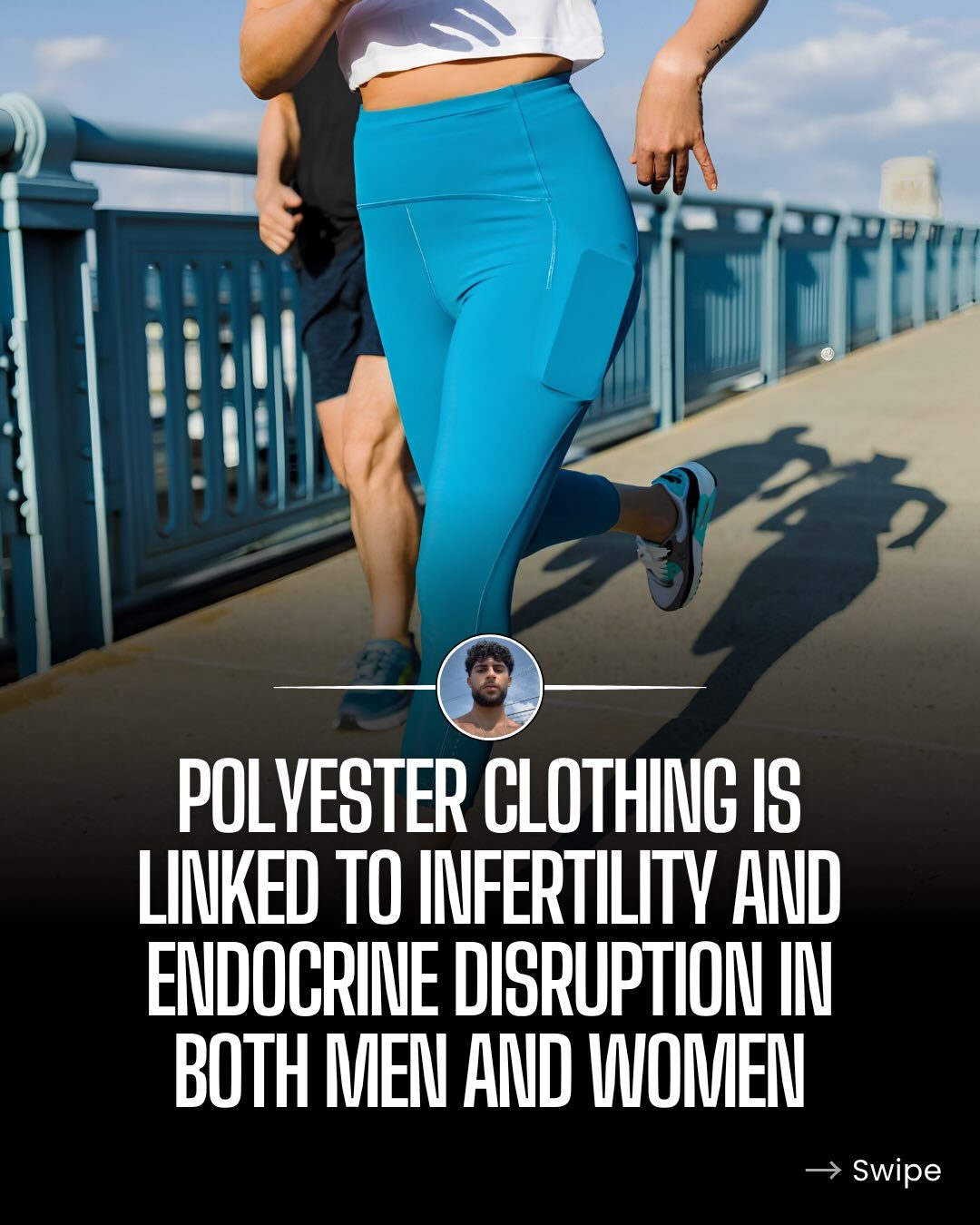
Polyester clothing, popular for its durability and affordability, poses potential health and environmental risks. Deriv…
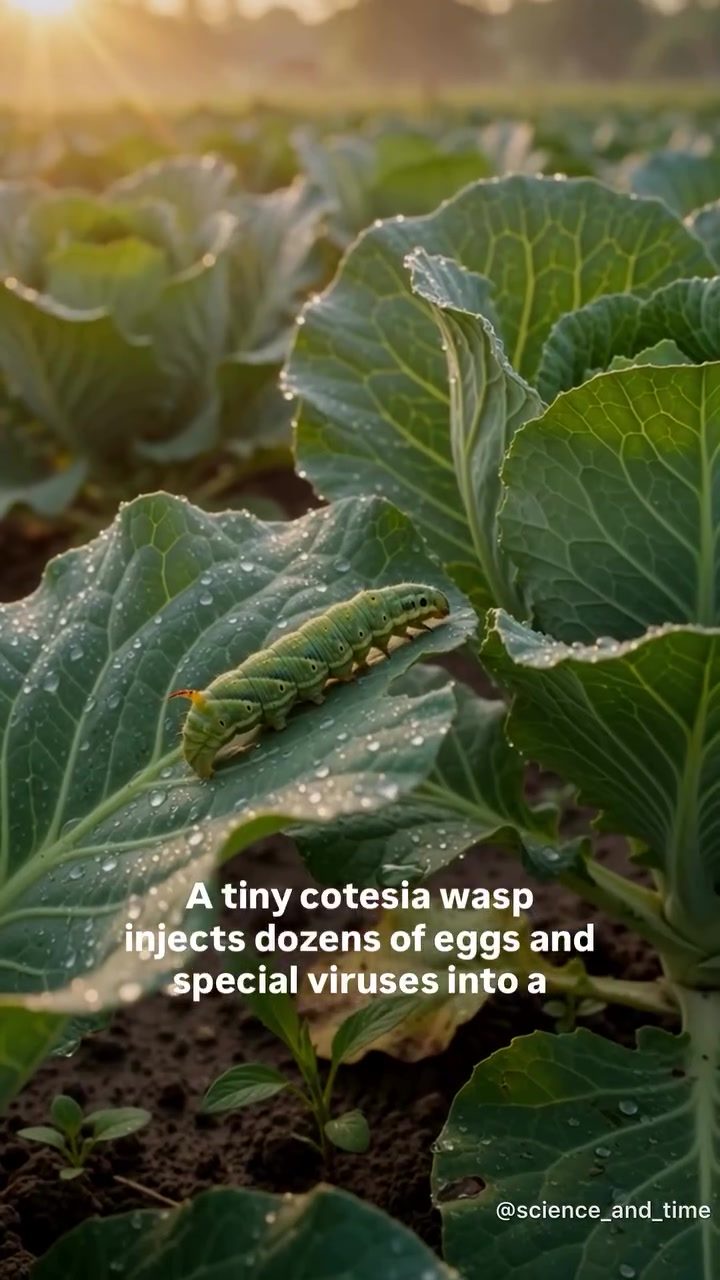
Cotesia wasps exhibit one of nature's most intriguing parasitic lifecycles, injecting their eggs into living caterpilla…
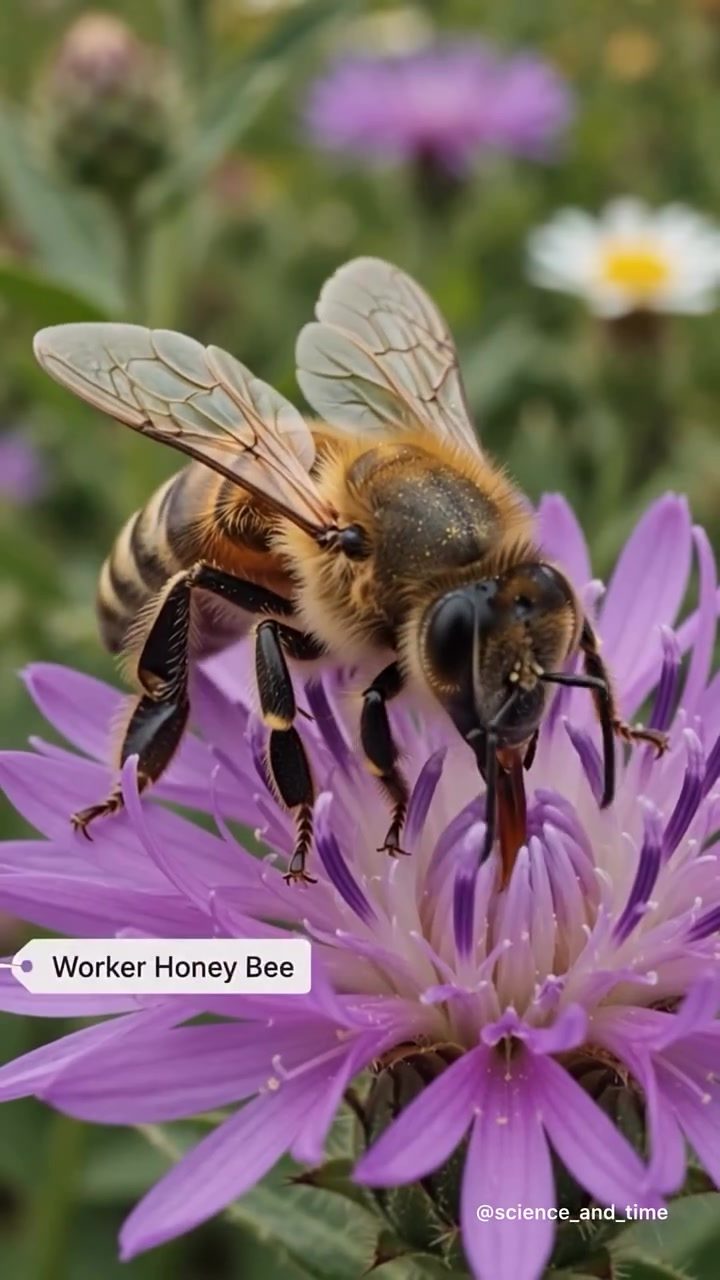
Honey bees are indispensable to our ecosystems, efficiently pollinating plants and producing honey. They operate in com…
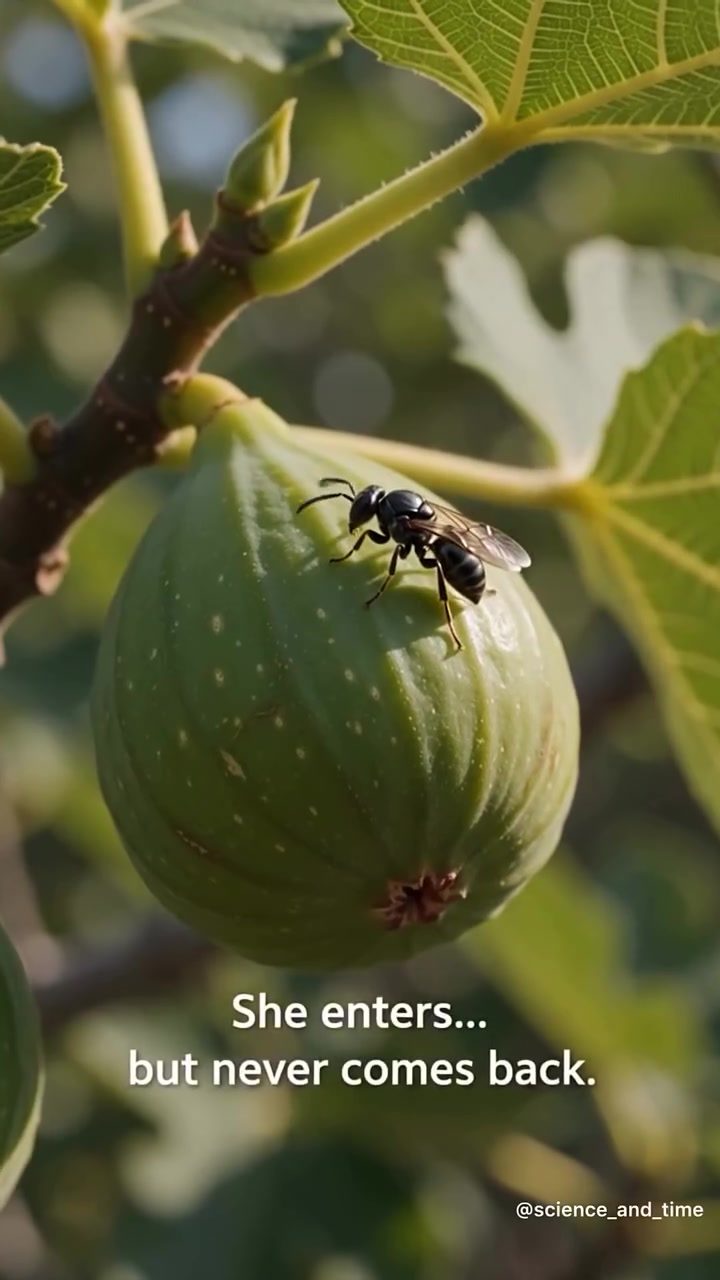
Fig wasps play a crucial role in the life cycle of fig trees, entering a tiny opening that tears off their wings and an…
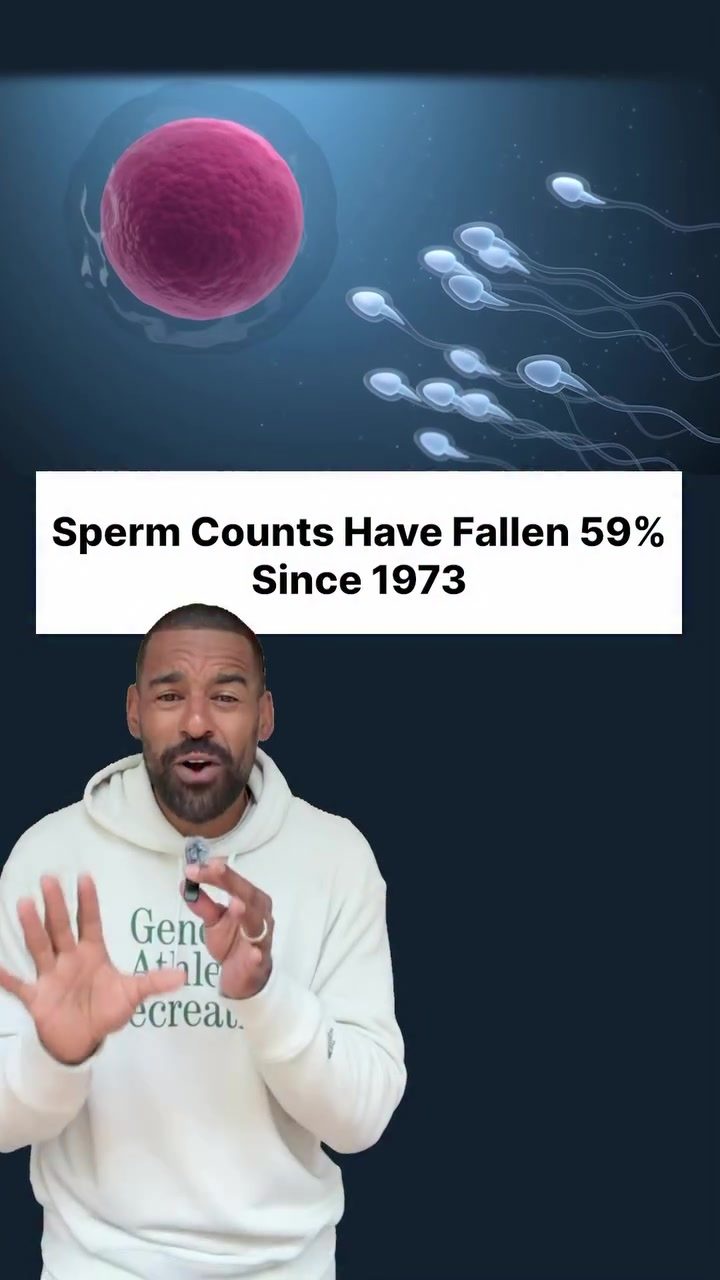
The world is facing a significant decline in sperm counts, with a 59% drop since 1973. This trend, driven by environmen…
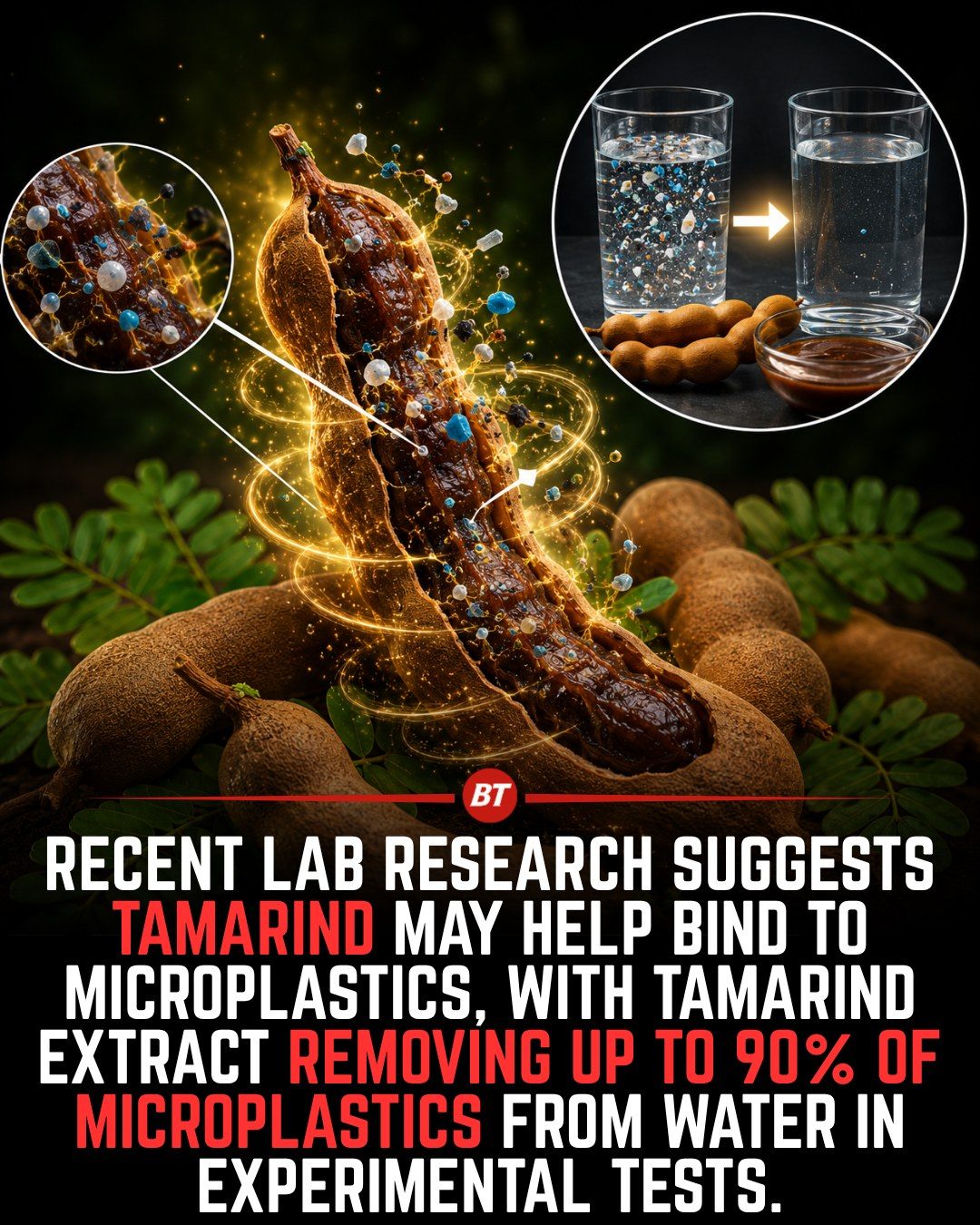
Tamarind, a tropical fruit, shows promise in fighting water pollution by binding to and removing microplastics. Early l…
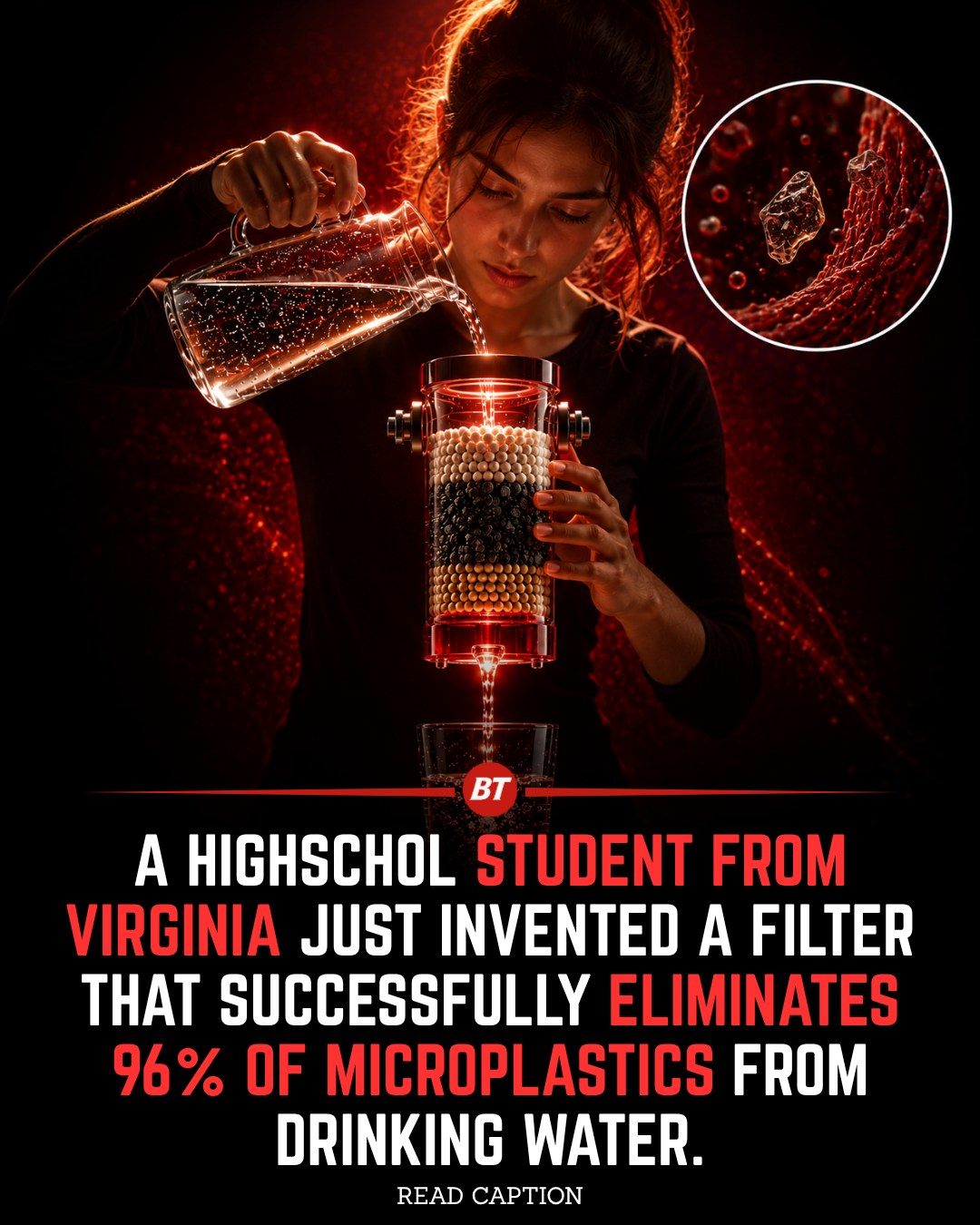
Mia Heller, an 18-year-old high school student, has created a water filter that removes 96% of microplastics using magn…
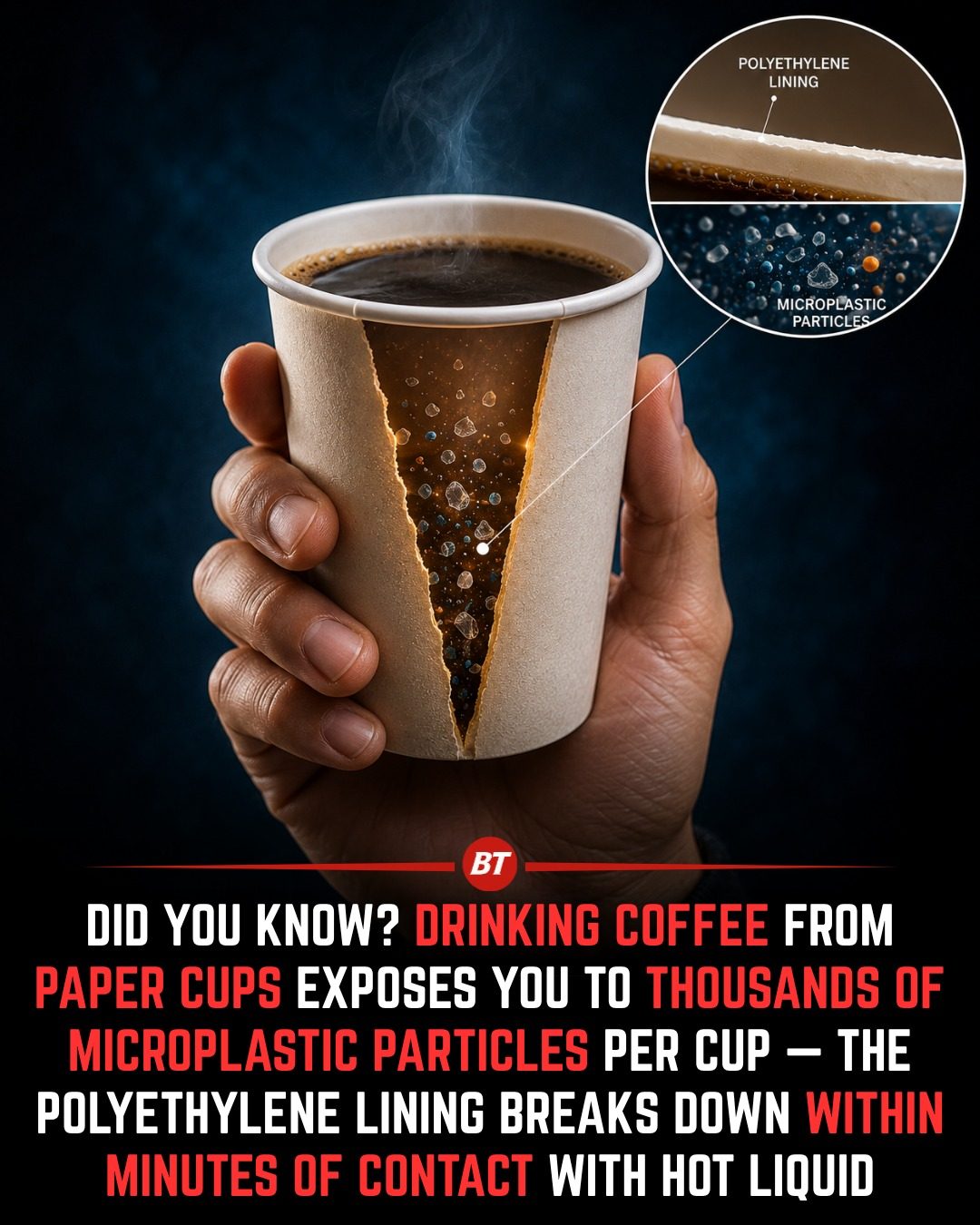
Disposable paper coffee cups, commonly used for takeaway beverages, harbor a hidden danger: a polyethylene lining that…

AI data centers, crucial for modern AI operations, consume vast amounts of water daily for cooling, raising environment…