Butter Alternatives for Baking and Cooking
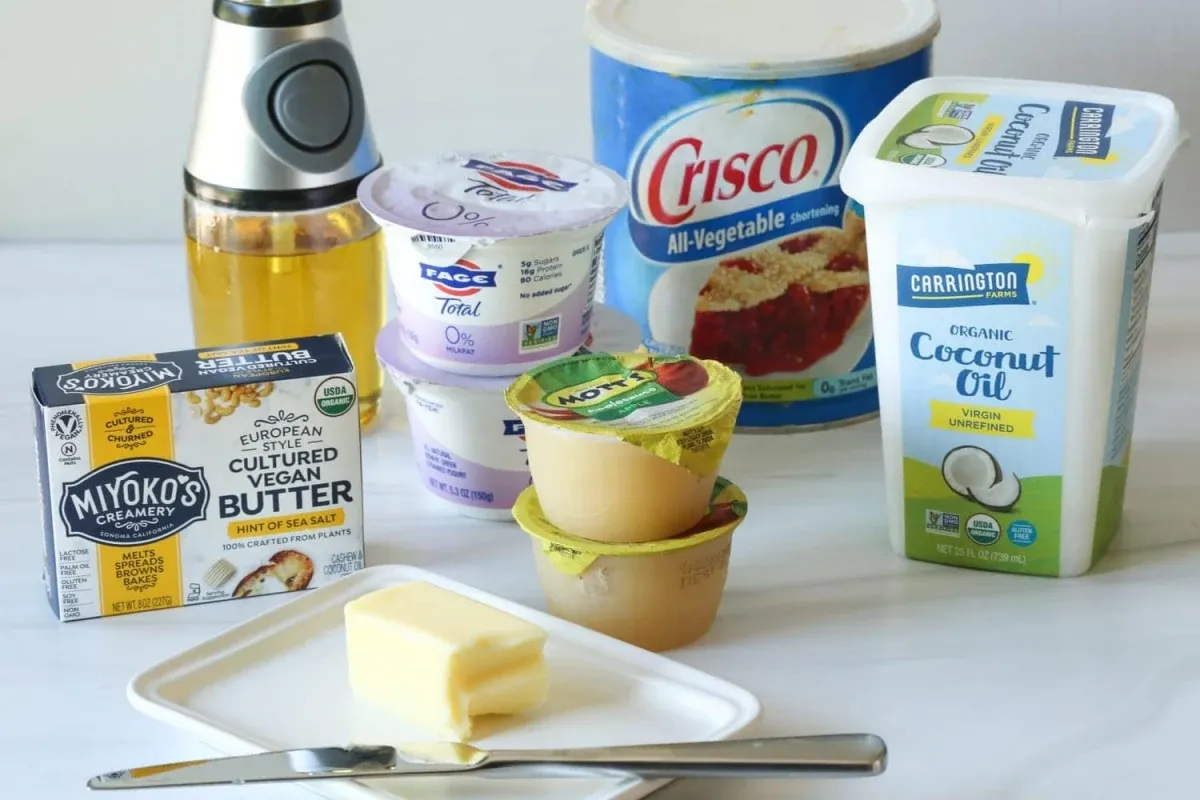
Are you tired of relying on butter in your baking and cooking, only to be let down by its saturated fat content or lactose intolerance? You're not alone! With the rise of plant-based diets and health-conscious eating, the demand for butter alternatives has skyrocketed - in fact, the global dairy-free butter market is projected to reach ₹20,000 crore by 2025, growing at a CAGR of 12%. As more people turn to vegan and flexitarian lifestyles, finding the right butter substitute can be a game-changer for recipes. Let's dive into the best alternatives that'll make you wonder why you ever used butter in the first place!
The Butter Conundrum
You've probably found yourself reaching for butter time and again while baking or cooking, right? It's a staple in many kitchens, and for good reason - butter adds a richness and depth of flavor that's hard to beat. According to a survey by the Dairy Management Inc., butter is still the preferred choice for baking and cooking among 75% of Indian households. However, with the rise of dairy-free and vegan lifestyles, more and more people are looking for alternatives that can deliver similar results without the dairy.
The Shift Towards Alternatives
The trend is clear: consumers are seeking lighter, healthier options without compromising on taste. A report by Euromonitor International suggests that the dairy-free market in India is expected to grow at a CAGR of 15% between 2023 and 2028. This shift is driven by increasing health awareness, lactose intolerance, and the growing popularity of plant-based diets. Experts like Dr. Sanjay Agrawal, a renowned nutritionist, recommend exploring alternatives like ghee, coconut oil, and nut butters for those looking to reduce their dairy intake.
Some popular reasons to explore butter alternatives include:
- Dairy-free diets: Whether you're vegan or lactose intolerant, there are plenty of options available.
- Health concerns: Some alternatives offer lower saturated fat content or added nutritional benefits.
- Flavor profiles: Different fats can add unique twists to your dishes, like the nutty taste of ghee or the tropical flavor of coconut oil.
As we dive deeper into the world of butter alternatives, we'll explore the best options for baking, cooking, and even some surprising uses you might not have considered.
Plant-Based Powerhouses
If you're looking to shake up your baking and cooking game, plant-based alternatives are where it's at. Coconut oil, for instance, is a total game-changer for adding richness to pastries and baked goods. Just ask Ina Garten, the Barefoot Contessa herself, who swears by coconut oil in her famous chocolate chip cookies. The best part? You can substitute it 1:1 for butter in most recipes, making it a breeze to experiment with.
The Heart-Healthy Hero: Avocado Oil
When it comes to high-heat cooking, avocado oil is your new BFF. With a smoke point of around 271°C, it's perfect for sautéing, roasting, or making stir-fries. Plus, it's packed with heart-healthy monounsaturated fats, making it a great choice for those looking to up their cooking oil game. Try using it in your next Indian-inspired dish, like a quick chicken tikka masala or roasted vegetable curry.
Nut butters like peanut and almond are also worth exploring, especially when you want to add depth and complexity to your recipes. Take peanut butter, for example – it's not just for sandwiches anymore! Use it to add a rich, nutty flavor to your baked goods, like peanut butter cookies or brownies. Or, try using almond butter in your savory dishes, like a Thai-inspired salad dressing or marinade.
- Coconut oil: perfect for baked goods, adds richness and moisture
- Avocado oil: ideal for high-heat cooking, heart-healthy and versatile
- Nut butters: add depth and complexity to both sweet and savory dishes
These plant-based powerhouses are just the beginning – experiment with them, and you'll be whipping up delicious, butter-free treats in no time!
Dairy-Free Substitutes
You're probably wondering what you can use instead of butter if you're dairy-free or vegan. Well, you've got some great options! Earth Balance is a popular choice, and for good reason - it offers a 1:1 butter substitute in baking, making it super easy to swap out. I've used it in plenty of recipes, from snickerdoodle cookies to banana bread, and it works like a charm.
Vegan butter sticks are another fantastic option. Brands like Miyoko's Kitchen and Kite Hill are gaining popularity, and it's easy to see why - they work well in both cooking and baking. You can use 'em to sauté veggies, make a killer grilled cheese (yes, it's possible with vegan butter!), or whip up a batch of flaky pie crust. The taste is surprisingly rich and buttery, without any of the dairy.
Ghee Alternatives Are On The Rise
If you're looking for something a bit different, ghee alternatives made from coconut oil are worth trying. They've been gaining popularity, and it's no surprise why - they add a lovely nutty flavor to dishes. Plus, they're lactose-free and vegan-friendly. I've seen some amazing recipes online that use coconut oil ghee alternatives in curries, soups, and even baked goods like naan bread.
- Earth Balance Vegan Buttery Sticks
- Miyoko's Kitchen European Style Vegan Butter
- Kite Hill Plant-Based Butter
These dairy-free substitutes are game-changers for anyone looking to mix things up in the kitchen. Give 'em a try and see what you think!
Animal Fat Alternatives
If you're looking for rich, indulgent flavors in your baking and cooking, animal fats are hard to beat. Let's break it down: lard, duck fat, and goose fat are all popular options, each with its own unique characteristics.
Lard, for instance, is a fan favorite among pastry chefs. It adds a flaky, tender texture to pastry dough that's hard to replicate with other fats. Think classic pork pie crusts or flaky biscuits - lard makes them shine. In fact, many traditional Mexican recipes, like tamales and empanadas, rely on lard for its distinct flavor and texture.
Duck Fat: A Game-Changer for Roasting
Duck fat, on the other hand, is perfect for roasting vegetables, potatoes, or even meats. It has a distinct, savory flavor that pairs well with earthy ingredients like mushrooms and root veggies. Try tossing sliced potatoes with duck fat, garlic, and rosemary, then roasting them in the oven - you'll be hooked!
Goose fat, often considered the gold standard of animal fats, brings a rich, buttery taste to the table. It's especially prized in French cuisine, where it's used to make decadent dishes like confit de canard (duck leg confit). If you've ever had the chance to try roasted potatoes cooked in goose fat, you know just how incredible they can be.
These animal fats can add depth and complexity to your cooking, but keep in mind that they're best used in moderation - a little goes a long way!
Oil-Based Options
You're looking for alternatives to butter, and oil-based options are a great place to turn. Olive oil, for instance, is a fantastic choice for savory dishes and baked goods. Imagine whipping up a Mediterranean-inspired focaccia with a drizzle of extra virgin olive oil - it's a game-changer! The fruity flavor adds a unique twist to your baked treats.
The Neutral Choice
Grapeseed oil is another popular option, and for good reason. It's light, neutral, and won't overpower your dishes. Use it for cooking up a stir-fry or as a substitute in your favorite cake recipe. With a high smoke point, grapeseed oil is perfect for high-heat cooking, and it's also rich in heart-healthy polyunsaturated fats.
Avocado oil's mild flavor makes it a versatile choice for both baking and sautéing. Try using it in your favorite cookie recipe or as a finishing oil for roasted veggies. The mild taste won't compete with other ingredients, and its high smoke point makes it ideal for cooking at high temperatures - we're talking up to 271°C! That's hotter than a freshly lit stove, folks!
- Olive oil: perfect for savory dishes and baked goods with a Mediterranean twist
- Grapeseed oil: ideal for high-heat cooking and neutral-tasting baked goods
- Avocado oil: great for baking, sautéing, and adding a subtle nutty flavor
These oil-based options offer a range of flavors and benefits. Experiment with them in your recipes to find the perfect fit. Whether you're a seasoned chef or a baking newbie, there's an oil-based alternative waiting for you to try.
Nutritional Considerations
When swapping butter for an alternative, you're not just changing the flavor profile – you're also shifting the nutritional deck. Some alternatives are higher in saturated fats, like coconut oil, which can be a concern if you're watching your heart health. Others, like avocado oil, are rich in heart-healthy unsaturated fats that can actually help lower your cholesterol levels.
The Fat Profile Matters
Let's break it down: butter is about 70% saturated fat, while ghee (clarified butter) is even higher at 80%. If you're looking to cut down on saturated fats, consider options like olive oil or grapeseed oil, which are predominantly unsaturated. Avocado oil, for instance, is about 70% monounsaturated fat – that's the good stuff!
Then there's the issue of added ingredients and allergens. Some butter alternatives, like vegan butters, might contain added preservatives or emulsifiers to mimic the taste and texture of real butter. Always check the labels, especially if you have dairy allergies or intolerances. For example, cashew-based butters are a great dairy-free option, but might not be suitable if you've got a tree nut allergy.
- Coconut oil: high in saturated fats (90%), great for baking
- Olive oil: rich in heart-healthy unsaturated fats, ideal for dressings
- Grapeseed oil: light flavor, high in polyunsaturated fats
Ultimately, it's about balance and awareness. Know your nutritional needs and choose alternatives that fit your diet. If you're unsure, consult with a healthcare pro – they're your best bet for personalized advice.
Experimenting with Ratios
Now that you've got your hands on some butter alternatives, it's time to get experimenting! When substituting butter with alternatives like coconut oil or avocado oil, start with a 1:1 ratio. But here's the thing: you might need to tweak it.
For instance, if you're using coconut oil in a cake recipe, you might want to reduce the amount by 10-15% to avoid an overly moist texture. That's because coconut oil has a higher fat content than butter, around 90% compared to butter's 80%. On the other hand, if you're using a lower-fat alternative like almond milk or cashew cream, you might need to add a bit more to achieve the right consistency.
Texture and Flavor Balance
The key is to balance texture and flavor. If you're making croissants with ghee, you'll want to maintain a similar fat content to butter, so a 1:1 substitution works well. But if you're making a cheesecake with cashew cream, you'll want to adjust the ratio to achieve that creamy texture. Play around with different ratios until you get the result you want.
- Coconut oil: Reduce by 10-15% in baked goods
- Avocado oil: Use 1:1 in savory dishes, reduce by 5-10% in baked goods
- Ghee: Use 1:1 in most recipes, adjust to taste
Your best bet is to experiment and taste as you go. That's the beauty of baking and cooking – it's all about trial and error. And don't be afraid to get creative and try new combinations!
The Future of Fat
The world of butter alternatives is evolving faster than you can say "dairy-free!" Innovative products are popping up left and right, giving you more options than ever to experiment with in your baking and cooking. Brands like Miyoko's Kitchen and KVOOM are leading the charge with their plant-based butter blends that taste remarkably like the real deal.
Health Trends Driving Demand
It's no surprise that health-conscious consumers are driving the demand for alternative fats. With the rise of veganism, keto, and paleo diets, you're probably looking for options that fit your lifestyle and make you feel good. Alternative fats like coconut oil, avocado oil, and nut butters are becoming staples in many kitchens, and it's easy to see why – they're packed with nutrients and offer unique flavor profiles.
As you navigate the world of alternative fats, don't be afraid to get creative! Try swapping out traditional butter for ghee, or experiment with using pumpkin seed oil in your baking. Who knows, you might just discover a new favorite. The possibilities are endless, and it's exciting to think about what the future holds for these innovative products.
- Look out for products made with sustainable ingredients and minimal processing
- Experiment with different flavor profiles to find your perfect match
- Don't be afraid to try new things – it's all about finding what works for you
The future of fat is plant-based, delicious, and full of possibilities. So go ahead, grab a tub of your favorite alternative butter, and get cooking!







Comments ()