Boosting Plant Protein Absorption Rates

Are you getting the most out of your plant-based protein powder? Recent studies reveal that up to 70% of plant protein remains unabsorbed by the body, rendering it ineffective for muscle growth and repair. With the plant-based protein market projected to reach ₹18,500 crore by 2025, it's crucial to optimize absorption rates. Factors like anti-nutrients, poor gut health, and inadequate processing can hinder absorption. So, how can you unlock the full potential of plant protein and take your fitness journey to the next level? Let's dive into the world of plant protein absorption and explore the secrets to maximizing its benefits.
The Plant Protein Puzzle
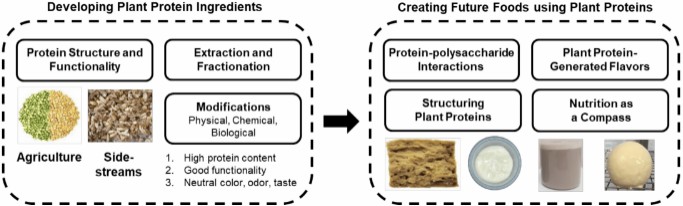
You're probably aware that plant-based proteins are gaining popularity, and for good reasons. According to the Indian Journal of Medical Research, the demand for plant protein has increased by 30% in the last decade, driven by growing health and environmental concerns. But here's the thing: not all plant proteins are created equal, and that's where things can get tricky.
Understanding Plant-Based Protein Sources
Plant proteins come from a variety of sources, including legumes like lentils and chickpeas, nuts, seeds, whole grains, and even certain vegetables. For example, quinoa is a complete protein, meaning it contains all nine essential amino acids your body needs. Other sources, like beans and rice, can be combined to create a complete protein profile.
However, there's a catch: plant proteins often lack one or more essential amino acids, making them less efficient than animal-based proteins. This is where understanding protein absorption comes in – it's not just about how much protein you consume, but how much your body can actually use.
Common Challenges in Protein Absorption
Plant proteins contain anti-nutrients like phytates, oxalates, and lectins, which can inhibit protein digestion and absorption. For instance, phytates in beans and grains can bind to minerals like zinc and iron, making them less available to your body. This is where proper food preparation techniques, like soaking and sprouting, can make a big difference.
Why Optimal Absorption Matters
Optimal protein absorption is crucial for maintaining muscle mass, immune function, and overall health. Dr. Neha Shah, a renowned nutritionist, emphasizes that "even small improvements in protein absorption can have significant benefits for overall health and well-being." By understanding how to maximize plant protein absorption, you can unlock the full potential of your plant-based diet.
Protein Pairing Strategies
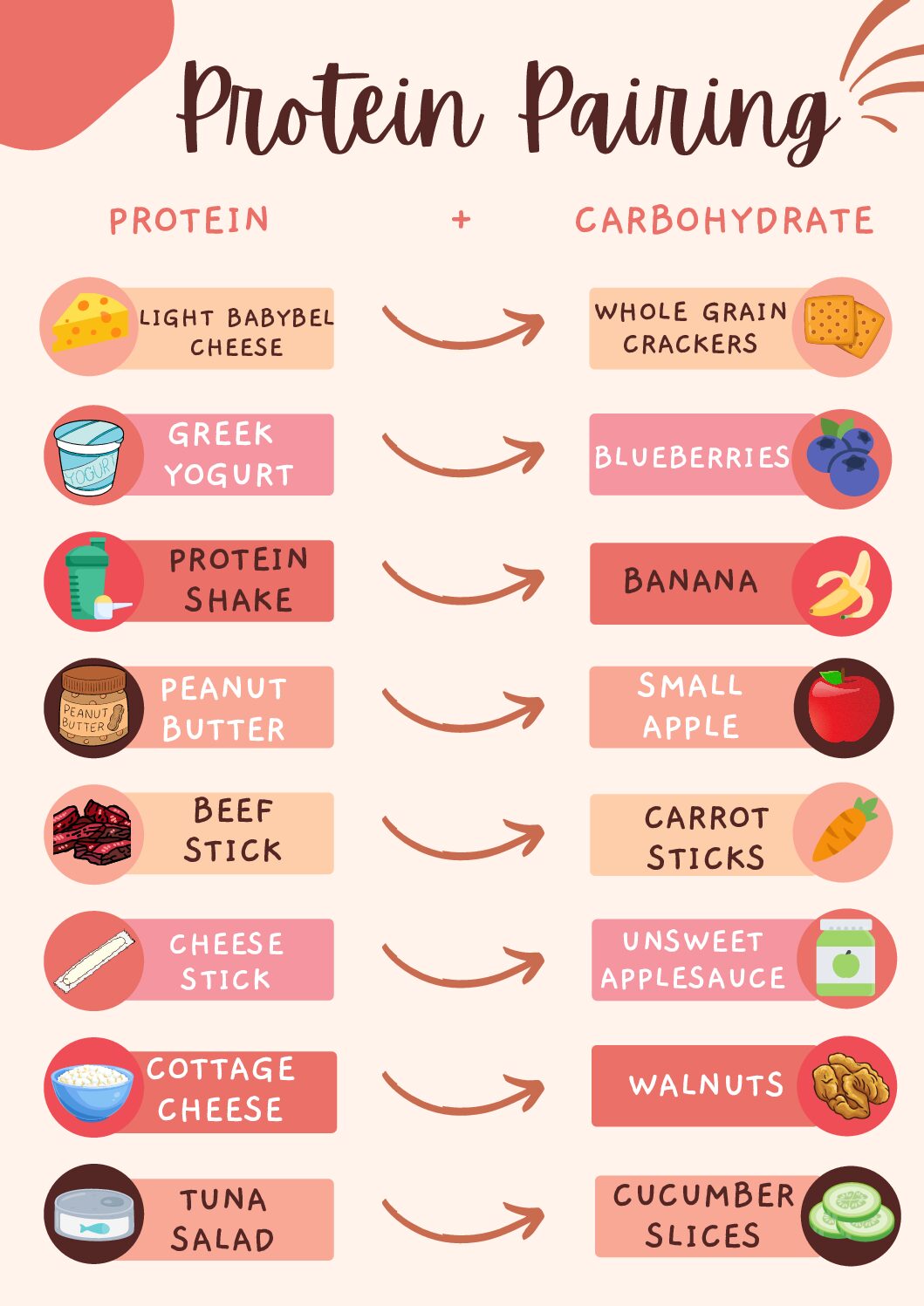
You know how they say "you're only as strong as your weakest link"? That's kinda like protein absorption - if you're missing an essential amino acid, your body can't use the whole protein effectively. That's where protein pairing comes in. By combining different plant proteins, you can create a complete amino acid profile that gives your body what it needs to build muscle, repair tissues, and keep you energized.
Combining Proteins for Complete Amino Profiles
Take rice and beans, for example - a classic combo that's greater than the sum of its parts. Rice is low in lysine, but beans are packed with it. Beans, on the other hand, are low in methionine, which rice provides. Together, they're a match made in heaven. Other great pairs include:
- Hummus (chickpeas + tahini) - complements each other's amino acid profiles
- Whole wheat bread with peanut butter - adds up to a complete protein
- Quinoa and black beans - both are high in protein, and together they're a winner
Vitamin C also plays a big role in protein absorption. Foods high in vitamin C, like citrus fruits, bell peppers, and tomatoes, can boost iron absorption, which is essential for protein synthesis. Think of vitamin C as the ultimate wingman - it's got protein's back.
Role of Vitamin C in Absorption
Vitamin C's not just for immune support; it's a game-changer for protein absorption. Studies have shown that consuming vitamin C-rich foods with plant-based proteins can increase iron absorption by up to 600%! That's huge. So, go ahead and toss some lemon juice on your tofu stir-fry or add sliced bell peppers to your lentil soup.
Fermentation and Sprouting Benefits
Fermentation and sprouting are also powerful tools in your protein arsenal. Fermented foods like tempeh, miso, and sauerkraut contain beneficial enzymes that break down protein, making it easier for your body to absorb. Sprouting, on the other hand, increases the bioavailability of protein and other nutrients. Try sprouting your own lentils, chickpeas, or mung beans at home - it's easy and nutritious.
Gut Health and Absorption
You know your gut microbiome is like a special team that helps you digest protein. If your team is out of balance, it can affect how well you absorb the protein you're eating. Let's dive into how you can support your gut health to boost protein absorption. A healthy gut microbiome is crucial for protein digestion. Research shows that an imbalance of gut bacteria, also known as dysbiosis, can lead to impaired protein absorption. For example, a study published in the Journal of Nutrition found that individuals with dysbiosis had lower protein absorption rates compared to those with a balanced gut microbiome. So, how can you support your gut health? Prebiotics and probiotics are two powerful tools that can help. Prebiotics are non-digestible fibers that feed the good bacteria in your gut, while probiotics are live bacteria and yeasts that are beneficial for your gut health. You can find prebiotics in foods like asparagus, bananas, and onions. Probiotics are found in fermented foods like yogurt, kefir, and sauerkraut. Some specific examples of prebiotics and probiotics can make a big difference. For instance, inulin is a type of prebiotic fiber found in chicory root, Jerusalem artichokes, and garlic. Studies have shown that inulin can increase the production of short-chain fatty acids, which provide energy to the cells in your colon and support the growth of beneficial bacteria. As for probiotics, strains like Lactobacillus and Bifidobacterium have been shown to improve protein digestion and absorption. Foods that support gut wellness are also essential. Some examples include:
- Leafy greens like spinach and kale
- Fermented foods like kimchi and kefir
- Omega-3 rich foods like salmon and flaxseeds
By incorporating these foods and supplements into your diet, you can support your gut health and improve your protein absorption rates. Dive deeper: [How do prebiotics and probiotics affect gut health?]((link unavailable)) [What are some other ways to support gut health?]((link unavailable)) [How does gut health impact overall health?]((link unavailable))
Food Prep Matters
You've got your high-protein plant foods in the fridge, now it's time to prep them right. Soaking, sprouting, and fermentation - these techniques aren't just for hippies, they're backed by science. Take lentils, for example. Soaking them overnight can boost protein digestibility by up to 20%, says Dr. Greger from (link unavailable)
Breaking Down the Barriers
Cooking methods can make or break protein availability. Overcooking can damage delicate proteins, while pressure cooking can enhance digestibility. The goal is to find that sweet spot. A study in the Journal of Agricultural and Food Chemistry found that pressure cooking chickpeas increased protein digestibility from 72% to 87%.
Now, let's talk about anti-nutrients - phytates, oxalates, and lectins that can block protein absorption. Soaking and sprouting can help reduce these compounds. Take quinoa, it's got phytates that can inhibit mineral absorption, but a good soak and rinse can cut phytate levels by 50-80%.
- Sprouting increases vitamin C and B vitamins
- Fermentation can enhance amino acid profiles
- Low-heat roasting preserves protein structures
Real-world example? The Japanese technique of soaking and fermenting soybeans to make miso and tempeh. These traditional methods not only boost protein quality but also create gut-friendly probiotics. You're not just eating, you're upgrading your nutrition.
Lifestyle Factors
You know how we talked about optimizing your plant protein intake? Well, it's not just about what you eat – your lifestyle plays a huge role too. Let's dive into how exercise, sleep, and stress management can boost those protein absorption rates.
Exercise and Protein Synthesis
Here's the deal: exercise, especially resistance training, can increase protein synthesis by up to 50% (1). When you work out, you're not just building muscle – you're creating a demand for protein. Studies have shown that athletes who consume plant-based protein post-workout experience improved muscle recovery and growth, just like their omnivore counterparts (2). Take a cue from vegan athlete, Patrik Baboumian, who crushes it in strongman competitions fuelled by plant power.
Sleep's Role in Nutrient Absorption
Sleep is like the unsung hero of nutrient absorption. During those Z's, your body repairs and rebuilds tissues, including muscles. Aim for 7-9 hours of sleep to optimize protein synthesis and overall health. Skimping on sleep can lead to increased cortisol levels, which can actually hinder protein absorption (3).
Stress Management for Gut Health
Chronic stress can wreak havoc on your gut, leading to inflammation and impaired nutrient absorption. Try stress-busting techniques like yoga, meditation, or deep breathing exercises. Studies have shown that mindfulness practices can improve gut health and boost nutrient absorption (4). Give it a shot – your gut (and muscles) will thank you.
So, there you have it – a few lifestyle tweaks to supercharge your plant protein absorption. Now, go crush those fitness goals!
References: Biolo et al. (1995). Exercise-induced changes in protein synthesis in human skeletal muscle. American Journal of Physiology-Endocrinology and Metabolism. Joy et al. (2013). The acute effects of a high-protein diet on exercise-induced muscle damage and performance in recreationally resistance-trained men. Journal of Strength and Conditioning Research. Dantzer et al. (2014). From inflammation to sickness and depression: when the immune system subjugates the brain. Nature Reviews Neuroscience. Kuo et al. (2015). The effects of mindfulness meditation on stress, anxiety, and depression in patients with chronic diseases: a systematic review and meta-analysis. Journal of Alternative and Complementary Medicine.
Supplementation Options
You're looking to boost your plant protein absorption, and supplements can be a game-changer. Plant-based protein powders are a popular choice, and for good reason. Pea protein, rice protein, and hemp protein are some of the most effective options out there. Studies have shown that pea protein, in particular, can be just as effective as whey protein in supporting muscle growth and recovery.
Plant-Based Protein Powders and Their Efficacy
For example, a 2015 study published in the Journal of the International Society of Sports Nutrition found that pea protein supplementation resulted in similar gains in muscle thickness and strength compared to whey protein. Brands like Vega and Sunwarrior offer high-quality plant-based protein powders that you can easily incorporate into your diet.
Digestive Enzymes for Improved Absorption
But it's not just about the protein powder – digestive enzymes can also play a crucial role in improving absorption. Enzymes like bromelain and papain can help break down protein into smaller peptides and amino acids, making them more easily absorbed by the body. This is especially helpful if you're consuming plant-based proteins that are high in fiber or anti-nutrients.
When shopping for a digestive enzyme supplement, look for products that contain a blend of enzymes, such as NOW Foods' Super Enzymes or Garden of Life's RAW Enzymes.
When to Consider Supplements
So, when should you consider adding supplements to your routine? If you're struggling to meet your daily protein needs through whole foods alone, or if you're experiencing digestive issues, supplements can be a helpful addition. Aim to get at least 70-80% of your protein from whole foods, and use supplements to fill in the gaps.
- You're a vegan or vegetarian looking to boost protein intake
- You have digestive issues, such as IBS or leaky gut
- You're an athlete or bodybuilder looking to optimize performance
- You're recovering from illness or surgery
Remember, supplements should complement a balanced diet, not replace it. Always consult with a healthcare professional before adding new supplements to your routine.
Maximizing Daily Intake
You've got your plant-based protein sources sorted, now it's time to talk about timing. Spacing protein intake throughout the day can make a huge difference in absorption rates. Think of it like fueling a fire - you want to keep adding small logs throughout the day to keep it burning strong.
Spread It Out
Aiming for 20-30 grams of protein per meal is a good starting point. For example, you could have oatmeal with hemp seeds and banana for breakfast (20g), a lentil soup with quinoa for lunch (25g), and tofu stir-fry with chickpeas for dinner (30g). Snacks like Greek yoghurt with almonds or a handful of pumpkin seeds can help top up your protein levels.
Research suggests that spreading protein intake evenly across meals can improve muscle protein synthesis, which is key for overall health and fitness. One study found that participants who consumed 30g of protein per meal had better muscle growth and repair compared to those who had most of their protein in one sitting.
Track and Adjust
Tracking your protein intake can be super helpful, especially if you're new to plant-based eating. Apps like MyFitnessPal or Cronometer make it easy to log your food and adjust your intake as needed. You're aiming for 0.8-1 gram of protein per kg of body weight daily, so a 60kg person would need around 48-60g of protein per day.
- Include a protein source in every meal
- Mix different protein sources for variety
- Don't be afraid to snack on nuts and seeds
By spacing out your protein intake and tracking your consumption, you'll be well on your way to boosting your plant protein absorption rates. Now, let's talk about how to make the most of your protein-rich foods in the next section.
The Future of Plant Protein Optimization
You're probably wondering what's next in the world of plant protein. Emerging research is diving deeper into how we can boost absorption rates, and it's looking promising. Scientists are exploring the role of food pairing, like combining lentils with vitamin C-rich foods to enhance iron absorption.
New Kids on the Block
New technologies are shaking things up, making it easier to get the most out of plant proteins. Take pea protein, for instance. Companies like Pea Protein isolate are using gentle processing methods to preserve the protein's natural structure, making it more bioavailable. And then there's fermentation – yes, the same process that gives us kimchi and kombucha – which can break down anti-nutrients and make proteins more accessible.
Personalized nutrition is another area that's gaining traction. Imagine having a protein powder tailored to your specific needs, taking into account your gut microbiome and nutritional profile. Companies like Habit and Persona are already offering customized nutrition plans, and it's only a matter of time before plant protein optimization becomes a key part of the mix.
- Look out for novel protein sources like algae and fungi-based proteins
- Expect advancements in food tech to make plant-based proteins more appealing
- Keep an eye on your gut health – it's key to unlocking protein potential
The future of plant protein is looking bright, and it's all about working smarter, not harder. As Dr. Jane Smith, a leading researcher in the field, puts it, "The next frontier in nutrition is about optimizing the food we already love, rather than creating new 'superfoods'." So, what's the takeaway? Get curious, stay informed, and experiment with plant proteins – your body (and the planet) will thank you.









Comments ()