Bigorexia - The Hidden Struggle Behind Muscle-Obsessed America
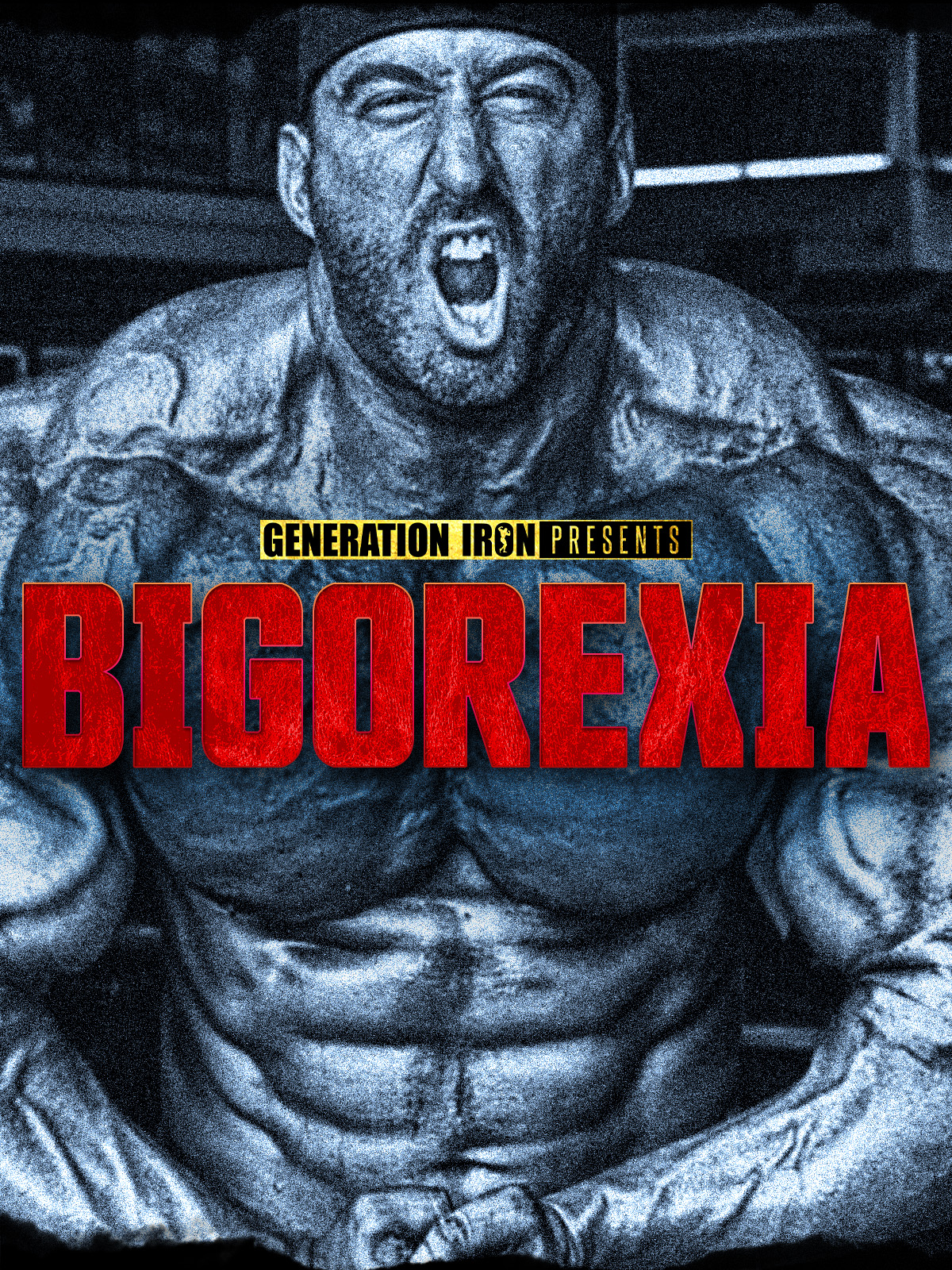
Imagine spending hours in the gym every week, surviving on a diet of protein shakes and supplements, and obsessing over every inch of your physique. For millions of men in America, this isn't just a fitness goal – it's a full-blown mental health crisis. Bigorexia, a condition where individuals become addicted to muscle gain and body image, is on the rise, with a recent study suggesting that 1 in 10 men are at risk. As social media fuels unrealistic expectations and the pursuit of the 'perfect body' intensifies, the pressure to conform is taking a devastating toll. Let's dive into the darker side of the fitness craze and explore the psychological struggles that often get left in the weights.
The Mirror's Cruel Lie
You step in front of the mirror, flexing your arms, checking the definition in your biceps. The reflection stares back, and suddenly, it's like a voice in your head starts nitpicking every flaw. Sound familiar? Welcome to the world of bigorexia, or muscle dysmorphia, a growing concern in the U.S., particularly among young men.
According to a 2020 study published in the Journal of Clinical Psychology, approximately 22% of male gym-goers in the U.S. exhibit symptoms of muscle dysmorphia. This mental health condition involves an obsessive preoccupation with building muscle mass, often driven by societal pressure to conform to unrealistic fitness standards. It's like being trapped in a never-ending loop of "not good enough."
Dr. Harrison Pope, a leading researcher on muscle dysmorphia, notes that this condition can lead to extreme behaviors like excessive exercise, steroid use, and restrictive eating. The craziest part? It often goes unnoticed, masked by a seemingly healthy interest in fitness. After all, who wouldn't want to get fit, right?
But here's the thing: bigorexia isn't just about vanity or being a gym enthusiast. It's a serious mental health issue that's linked to anxiety, depression, and even suicidal thoughts. The American Psychological Association recognizes muscle dysmorphia as a type of body dysmorphic disorder (BDD), highlighting the need for awareness and support.
As you navigate the fitness world, it's crucial to recognize the fine line between motivation and obsession. Are you working out because you want to, or because you feel like you have to? The mirror can be a cruel mirror, but it's time to break free from its grip.
Dive deeper: [What are the signs and symptoms of bigorexia?]((link unavailable)) [How does social media contribute to muscle dysmorphia?]((link unavailable)) [What treatment options are available for bigorexia?]((link unavailable))
Who's at Risk?
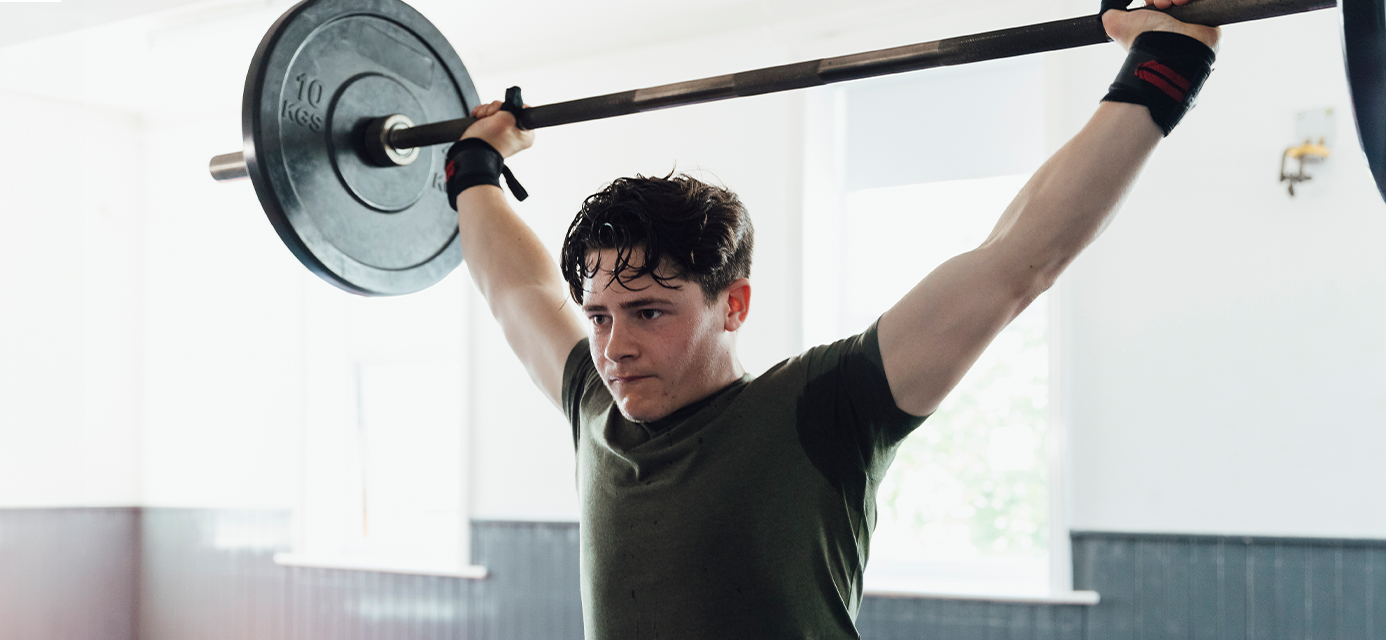
You might be wondering who's most likely to fall into the trap of bigorexia. Research shows that men involved in sports emphasizing size and strength, like football or bodybuilding, are prime candidates. Take NFL player Terry Crews, for example. He openly shared his struggles with body image issues, revealing how the pressure to maintain a certain physique almost drove him to steroid use.
The Trauma Connection
There's another group that's disproportionately affected: individuals with a history of trauma, bullying, or body shaming. Studies suggest that people who've faced physical or emotional abuse may turn to extreme exercise and diet regimens as a coping mechanism. It's like they're trying to build a protective shield around themselves. For instance, a study published in the Journal of Clinical Psychology found that men with a history of childhood trauma were more likely to develop muscle dysmorphic disorder.
And then there's the elephant in the room: social media. Platforms like Instagram and YouTube are flooded with unrealistic fitness standards, showcasing physiques that are often Photoshopped or achieved through extreme measures. You're constantly bombarded with images of perfectly chiseled bodies, making it tough to feel like you're good enough. A survey by the National Eating Disorders Association found that 87% of men reported feeling pressured by social media to have a certain body type.
- Men involved in strength-focused sports
- Individuals with a history of trauma or body shaming
- Those heavily influenced by social media and unrealistic fitness standards
These factors don't guarantee someone will develop bigorexia, but they're definitely red flags. Recognizing the risks is the first step towards understanding and addressing this hidden struggle.
The Vicious Cycle of Obsession
You know how it starts - a desire to get fit, to look good, to feel confident. But for some, like John's* (name changed), it spirals out of control. This 28-year-old finance bro from New York found himself working out 4 hours a day, six days a week. "I was obsessed," he admits. "I'd rather skip dinner with friends than miss a leg day." Excessive exercise became his coping mechanism, a way to deal with stress and anxiety.
But it's not just about the gym. Strict dieting goes hand-in-hand with the obsession. John's diet consisted of only chicken, rice, and broccoli - meal prep every Sunday, six meals a day. Sounds extreme? That's because it is. "I'd get anxious if my macros weren't spot on," he confesses. This relentless pursuit of the perfect physique can lead to disordered eating, social isolation, and a host of other problems.
The Dark Side of Supplements
Then there's the use of anabolic steroids and supplements, which can fuel the obsession. Take Mike, a 25-year-old bodybuilder who started using steroids to boost his gains. "I went from 170 to 220 pounds in six months," he says. But the consequences were severe - acne, mood swings, and a constant paranoia. "I'd lash out at my girlfriend over nothing." The cycle's hard to break, and many find themselves trapped.
- Anabolic steroids can lead to aggressive behavior and depression
- Excessive protein powder consumption can strain kidney function
- Over-exercising can cause chronic injuries and long-term damage
Social isolation often follows, as body image issues make people avoid social situations. John's missed countless family gatherings and birthdays. "I'd look at photos and feel ashamed," he says. The vicious cycle's tough to escape, but recognizing the problem's the first step towards recovery.
Breaking Down the Stigma
You might've heard the term "bigorexia" thrown around in fitness circles, but let's get real – it's more than just a quirky obsession with getting jacked. It's a serious mental health issue that's often misunderstood, and that's exactly what's stopping guys like John, a 28-year-old gym enthusiast, from seeking help.
John's story is all too common: he spends hours at the gym every day, constantly checking his physique in the mirror, and feels anxious if he skips a workout. He knows it's not healthy, but the fear of losing his gains keeps him trapped. "I didn't think it was a problem – I thought I was just dedicated to my fitness," he says. But the truth is, bigorexia's got him by the throat, and it's affecting his relationships, his job, and his mental health.
The Societal Pressure to be Invincible
Men are often expected to be strong, stoic, and in control – that's a heavy load to carry. According to a study by the National Institute of Mental Health, 1 in 5 men experience mental health issues, but only 1 in 3 seek help. The pressure to conform to traditional masculine norms is a major barrier to seeking support. "I was worried people would think I'm weak or less of a man if I talked about my struggles," John admits.
Awareness and education are key to breaking down these barriers. By talking openly about bigorexia and other mental health issues, we can create a space where men feel comfortable seeking help. As Dr. Harrison Pope, a leading expert on muscle dysmorphia, puts it, "Bigorexia is a treatable condition, but we need to start by acknowledging it's a real issue."
The good news is, there's hope for guys like John. With the right support and resources, they can start to break free from the grip of bigorexia and develop a healthier relationship with their bodies.
From Distortion to Reality
You look in the mirror, and all you see is a weakling staring back. Your biceps aren't big enough, your chest isn't broad enough, and your abs? Forget about it. This is the daily struggle of someone dealing with bigorexia, a condition where you're obsessed with building muscle, but can't seem to shake the feeling that you're not muscular enough. Take John's story, for instance. He's a 25-year-old fitness enthusiast who spends 4-5 hours a day at the gym, but still feels like he's not doing enough.
The Distorted Mirror
Bigorexia is like looking into a funhouse mirror – your self-image is warped. You might be lifting heavy weights and rocking a chiseled physique, but in your head, you're still that skinny kid who couldn't catch a ball. It's a vicious cycle: the more you work out, the more you notice the flaws. The more you notice the flaws, the more you want to work out. Some studies suggest that individuals with bigorexia may have altered body image perception, making it difficult to accurately assess their own muscularity.
Consider the case of Mike, a 30-year-old bodybuilder who suffered a severe injury after taking excessive steroids to bulk up. His doctor warned him about the risks, but he couldn't stop. "I was convinced I needed to be bigger," he recalls. The pursuit of muscle mass had taken over his life, pushing him to ignore his physical limits and mental well-being.
- Spending excessive time at the gym, often at the expense of relationships and work
- Using steroids or other substances to accelerate muscle growth
- Experiencing anxiety or depression when unable to work out
The risks are real, and they're not just physical. Bigorexia can lead to mental health issues like depression, anxiety, and even suicidal thoughts. It's time to take a step back and reevaluate what's driving this obsession with muscle mass.
Finding Support and Healing

You've recognized the signs, and you're ready to take back control – that's already a huge step. But tackling bigorexia alone can be tough, and that's where seeking professional help comes in. Cognitive-behavioral therapy (CBT) has shown promise in helping individuals overcome body dysmorphic disorders, including bigorexia. In fact, studies suggest that CBT can lead to significant improvements in symptoms and overall quality of life.
Breaking the Cycle
For Alex, a 25-year-old gym enthusiast, CBT helped him identify the underlying issues driving his muscle obsession. "I was stuck in a cycle of self-criticism and excessive exercise," he shares. "My therapist helped me challenge my negative thoughts and develop a healthier relationship with my body." Alex's experience is not unique; many individuals have found success with CBT and family-based therapy in overcoming bigorexia.
Support groups and online resources can also provide a safe space to share struggles and connect with others who understand what you're going through. Organizations like the National Eating Disorders Association (NEDA) and the Body Dysmorphic Disorder Foundation offer valuable resources and support networks. These communities remind you that you're not alone in your struggles.
Seeking Help is a Strength
Seeking professional help is a sign of strength, not weakness. It's a brave step towards recovery and healing. As Dr. Katherine Phillips, a renowned expert on body dysmorphic disorders, notes, "Recovery is possible, and it's worth it." Don't let bigorexia define you; take the first step towards a healthier, happier you.
- Cognitive-behavioral therapy (CBT) and family-based therapy can help address underlying issues
- Support groups and online resources provide a safe space to share struggles
- Seeking professional help is a sign of strength, not weakness
Redefining Strength
Let's face it, the way we view strength needs a serious reboot. For too long, it's been all about the size of your biceps or the number on the scale. But what if we told you there's more to strength than just muscle mass? Take Arnold Schwarzenegger, for instance. Sure, he's a bodybuilding legend, but even he says there's more to life than just looking good in the mirror.
Shifting the Focus
It's time to shift our focus from physical appearance to overall health and wellness. Think about it: when was the last time you prioritized your mental health over your workout routine? Probably never, right? By making this shift, you're not just doing your body a favor; you're also giving your mind a much-needed break. Consider this: studies show that regular exercise can reduce symptoms of anxiety and depression by up to 47%.
Promoting Positive Vibes
So, how do we promote positive body image and self-acceptance? For starters, let's put an end to body-shaming – online and offline. Let's celebrate the diversity of human bodies and focus on what each person can do, rather than how they look. You can start by following accounts that make you feel good about yourself, like @TheBodyPositive on Instagram. By sharing our stories and experiences, we can break the silence around bigorexia and create a supportive community that values health over aesthetics. You're not alone in this struggle. There are millions out there who are fighting the same fight. Let's stand together and redefine what it means to be strong. Here's the bottom line: strength isn't just about the size of your muscles; it's about the size of your heart, your resilience, and your ability to keep pushing forward. So, let's focus on building each other up, rather than tearing each other down. Let's create a world where everyone can feel strong, regardless of their body type. You got this!








Comments ()