Bananas and Blood Pressure - The Potassium Connection
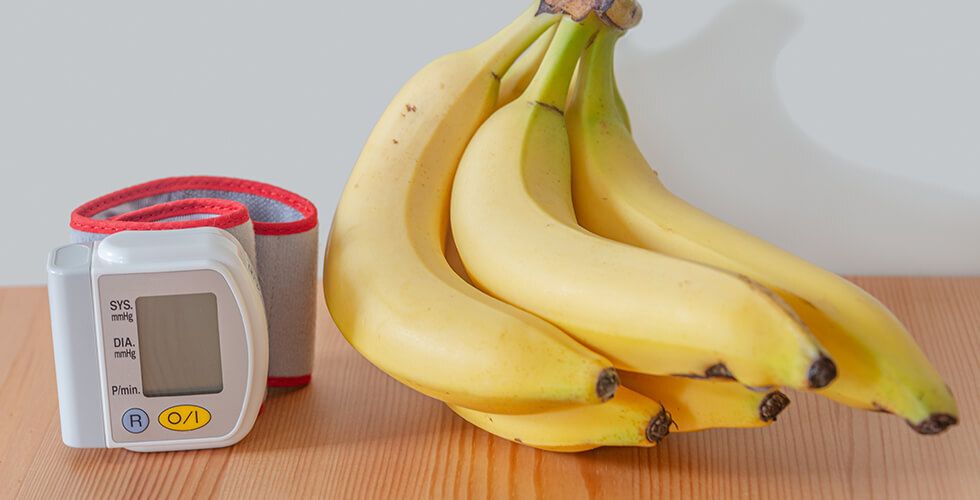
You've got high blood pressure and are looking for a simple way to manage it? Here's a fruit that can help: bananas! They're packed with potassium, and research shows that a potassium-rich diet can lower blood pressure in just a few weeks. In fact, studies suggest that increasing potassium intake can reduce systolic blood pressure by up to 7 mmHg. With hypertension affecting over 30% of adults in India, incorporating potassium-rich foods like bananas into your diet is a tasty and effective way to take control of your health. Let's explore how bananas can be a game-changer for your blood pressure.
The Silent Threat of High Blood Pressure
You probably know someone who's been affected by high blood pressure - maybe it's you, a family member, or a friend. The stats are staggering: according to the American Heart Association, nearly 1 in 3 American adults has high blood pressure, and many don't even know it. It's often called the "silent killer" because it can sneak up on you without any noticeable symptoms.
But here's the thing: uncontrolled hypertension can lead to some serious health issues, like heart disease, stroke, and kidney damage. Dr. John M. Flack, a renowned hypertension expert, emphasizes that "hypertension is a major risk factor for cardiovascular disease, and it's the leading cause of death worldwide." Yikes, that's sobering.
So, what's the key to managing blood pressure levels? Diet plays a huge role. What you eat can either exacerbate the problem or help keep it under control. The good news is that making a few simple changes can make a big difference. For instance, increasing your potassium intake can help lower blood pressure. We'll dive deeper into that later, but trust us, it's a game-changer.
The Numbers Don't Lie
Just how prevalent is high blood pressure in the US? Check out these numbers:
- 47% of American adults have hypertension
- Only about 1 in 4 adults with hypertension have it under control
- High blood pressure costs the US healthcare system an estimated $131 billion annually
These stats highlight the importance of taking action. The good news is that there's a lot you can do to manage your blood pressure, starting with your diet. Let's explore how bananas, in particular, can be a powerful tool in the fight against hypertension.
The Power of Potassium-Rich Foods
You know how they're always saying bananas are a superfood? Well, it's true! Bananas are an excellent source of potassium, an essential mineral that plays a big role in keeping your blood pressure in check. Just one medium-sized banana packs about 422 milligrams of potassium.
How Potassium Works Its Magic
Potassium helps balance sodium levels in your body, which is key to relaxing your blood vessels. When your blood vessels are relaxed, blood flows more smoothly, and your blood pressure stays healthy. Studies have shown that adequate potassium intake can lower blood pressure and reduce cardiovascular risk. The American Heart Association recommends getting at least 4,700 milligrams of potassium daily.
A great example is the DASH diet (Dietary Approaches to Stop Hypertension), which emphasizes potassium-rich foods like bananas, spinach, and sweet potatoes. Following this diet can help lower systolic blood pressure by up to 11.4 mmHg in just two weeks. That's huge!
- Bananas (1 medium): 422mg potassium
- Spinach (1 cup cooked): 839mg potassium
- Avocados (1 medium): 708mg potassium
- Yogurt (1 cup low-fat): 579mg potassium
Adding potassium-rich foods to your diet can make a big difference. Try incorporating bananas, spinach, and avocados into your meals – your heart will thank you!
How Bananas Support Heart Health
You know how bananas are always there for you, right? Well, they're also looking out for your heart health. One medium banana packs about 422mg of potassium, which is like a power punch for your cardiovascular system.
The potassium in bananas helps regulate blood pressure and fluid balance, which is crucial for keeping those blood vessels relaxed and functioning properly. Studies have shown that increased potassium intake can lead to significant reductions in blood pressure, especially in people with hypertension. For example, a study published in the Journal of the American College of Cardiology found that potassium supplementation lowered systolic blood pressure by an average of 5.3 mmHg.
The Benefits Don't Stop There
Bananas are also rich in fiber, magnesium, and antioxidants, which all work together to support heart health. The fiber in bananas can help lower cholesterol levels, while magnesium helps regulate blood vessel function. And let's not forget about the antioxidants – they're like the ultimate defense squad, protecting your heart from oxidative stress and inflammation.
- Fiber: helps lower cholesterol levels
- Magnesium: regulates blood vessel function
- Antioxidants: protects against oxidative stress and inflammation
Regular banana consumption may also reduce your risk of stroke and heart disease. A study published in the Journal of Nutrition found that people who ate bananas regularly had a lower risk of cardiovascular disease. So, go ahead and add bananas to your daily routine – your heart will thank you!
Who Should Be Cautious with Bananas?
You're probably thinking, "Bananas are healthy, so what's the catch?" Well, here's the thing: while bananas are a great source of potassium for most people, there are some individuals who need to be more careful. Let's dive into the specifics. If you have kidney disease or kidney failure, your body might not be able to filter out excess potassium effectively. This can lead to a buildup of potassium in your blood, which can be problematic. For instance, one study found that patients with chronic kidney disease who consumed high amounts of potassium-rich foods like bananas were more likely to experience hyperkalemia (high potassium levels in the blood). If you're one of these individuals, you'll want to work closely with your healthcare provider to monitor your potassium intake. Certain medications can also interact with potassium-rich foods like bananas. For example, ACE inhibitors, which are commonly used to treat high blood pressure and heart failure, can increase potassium levels in your blood. If you're taking medications like lisinopril (Zestril) or enalapril (Vasotec), you should talk to your doctor about how many bananas you can safely eat. You might be wondering about other medications that could interact with potassium. Some other examples include potassium-sparing diuretics, like spironolactone (Aldactone), and certain antibiotics. It's always a good idea to review your medications with your healthcare provider to ensure you're not putting yourself at risk. So, what can you do if you're concerned about banana consumption? Here's some advice: consult with your healthcare provider or a registered dietitian who can help you develop a personalized plan. They can assess your individual needs and health status to determine a safe amount of potassium-rich foods for you. In the meantime, keep in mind that it's not just bananas you need to worry about. Other foods like avocados, spinach, and sweet potatoes are also high in potassium. Being aware of your overall potassium intake can help you make informed choices about your diet. Dive deeper: [How do ACE inhibitors affect potassium levels?]((link unavailable)) [What are the symptoms of hyperkalemia?]((link unavailable)) [How can I incorporate bananas into a kidney-friendly diet?]((link unavailable))
Incorporating Bananas into Your Diet
You know what's great about bananas? They're super versatile. I mean, you can add them to your breakfast oatmeal or yogurt, and boom - you've got a nutritious start to the day. Just slice 'em up and toss 'em in. The potassium in bananas will help keep your blood pressure in check, as we discussed earlier.
Bananas in Your Daily Routine
Let's get practical. You can use bananas as a natural sweetener in smoothies and baked goods. Drip, drop a ripe banana into your blender or mixing bowl, and you'll reduce the need for refined sugars. Try swapping sugar with mashed banana in your favourite muffin recipe - it's a game-changer. For instance, the American Heart Association recommends reducing sugar intake to manage blood pressure, and bananas are a great alternative.
Bananas make for a fantastic, healthy snack on-the-go, too. Grab one, peel, and go! They're perfect for post-workout refueling or curbing that mid-morning hunger pang. Plus, they're easy to digest, so you won't feel slumpy.
- Add sliced bananas to oatmeal or yogurt for a potassium-packed breakfast
- Use bananas as a natural sweetener in smoothies and baked goods
- Enjoy bananas as a convenient, healthy snack
- Try banana 'ice cream' - blend frozen bananas with a splash of milk
- Add bananas to your pancake batter for extra moisture
The possibilities are endless, really. And with bananas being so rich in potassium, you're doing your blood pressure a solid favour. So go ahead, get creative with bananas!
Beyond Bananas: Other Potassium-Rich Foods
You know how bananas are often touted as the go-to potassium snack? Well, there's a whole world of other foods packed with this blood pressure-lowering mineral. Leafy greens like spinach and kale are potassium powerhouses - half a cup of cooked spinach has over 400mg, that's almost as much as a medium banana!
More Than Just Greens
Sweet potatoes, avocados, and tomatoes are also rich in potassium. Take avocados, for instance - one medium avocado has about 700mg of potassium, making it a great addition to your breakfast toast or salad. And if you're a tomato lover, you're in luck - a cup of cherry tomatoes can give you around 400mg of potassium.
Aim for a variety of these potassium-rich foods in your diet. The Dietary Guidelines for Indians recommends around 3500-4700mg of potassium per day for adults. Including a mix of these foods can help you get there. Plus, it's not just about one food - it's about creating a balanced diet that's rich in whole foods.
- Spinach (1 cup cooked): 400-500mg potassium
- Kale (1 cup cooked): 300-400mg potassium
- Avocado (1 medium): 700mg potassium
- Sweet potato (1 medium): 500mg potassium
- Tomatoes (1 cup cherry tomatoes): 400mg potassium
The beauty of potassium-rich foods is that they're often packed with other nutrients too - fibre, vitamins, and antioxidants. So, go ahead and add that spinach to your omelette, or snack on some avocado toast. Your blood pressure (and taste buds) will thank you!
Making the Most of Bananas for Blood Pressure
So, you're ready to harness the power of bananas to help manage your blood pressure? That's fantastic! Now, let's take it a step further. Combining bananas with other heart-healthy foods can amplify their benefits. Think potassium-rich spinach, magnesium-packed almonds, and omega-3 loaded salmon - it's a winning combo!
The Power of Combination
Pairing bananas with foods high in vitamin C, like oranges or bell peppers, can enhance potassium absorption. And don't forget to include whole grains like quinoa or brown rice - they're rich in fiber, which supports heart health. DASH (Dietary Approaches to Stop Hypertension) diet, developed by Dr. Lawrence Appel, is a great example of a balanced eating plan that can make a real difference.
Monitoring your blood pressure regularly is crucial. You can track changes and adjust your diet accordingly. For instance, if you're eating bananas regularly, check if there's a noticeable impact on your readings. Share your findings with your healthcare provider - they'll help you fine-tune your approach.
Speaking of which, consulting with a healthcare professional is a must. They'll consider your medical history, lifestyle, and other factors to provide personalized nutrition advice. Dr. Nieca Goldberg, a cardiologist, emphasizes the importance of tailored guidance.
Your journey to healthier blood pressure is just beginning. With bananas and a balanced diet, you're on the right track. The key is consistency and patience - and enjoying the process!
Your move: Grab a banana, pair it with some nuts, and take the first step towards a heart-healthy lifestyle!










Comments ()