Indian Pilgrimage Sites: A Journey Through Yamunotri Dham, Gangotri Dham, Bhairavnath Temple, and Mana Village
India is renowned for its rich spiritual heritage, and pilgrimage sites play a significant role in the cultural and religious landscape. Among the most revered sites are Yamunotri Dham, Gangotri Dham, Bhairavnath Temple, and Mana Village. These locations hold immense spiritual significance and attract devotees from all over the world. Let's delve into what makes each of these sites unique and why they are must-visit destinations for pilgrims.
Context | Why This Matters
Pilgrimage in India is not just a journey; it is a spiritual odyssey that encompasses faith, devotion, and personal transformation. For many, these pilgrimages are a way to seek blessings, purify the soul, and experience a deeper connection with the divine. Yamunotri Dham, Gangotri Dham, Bhairavnath Temple, and Mana Village are integral parts of this spiritual journey, each offering a unique experience that enhances the pilgrim's devotion.
Yamunotri Dham and Gangotri Dham
Yamunotri Dham
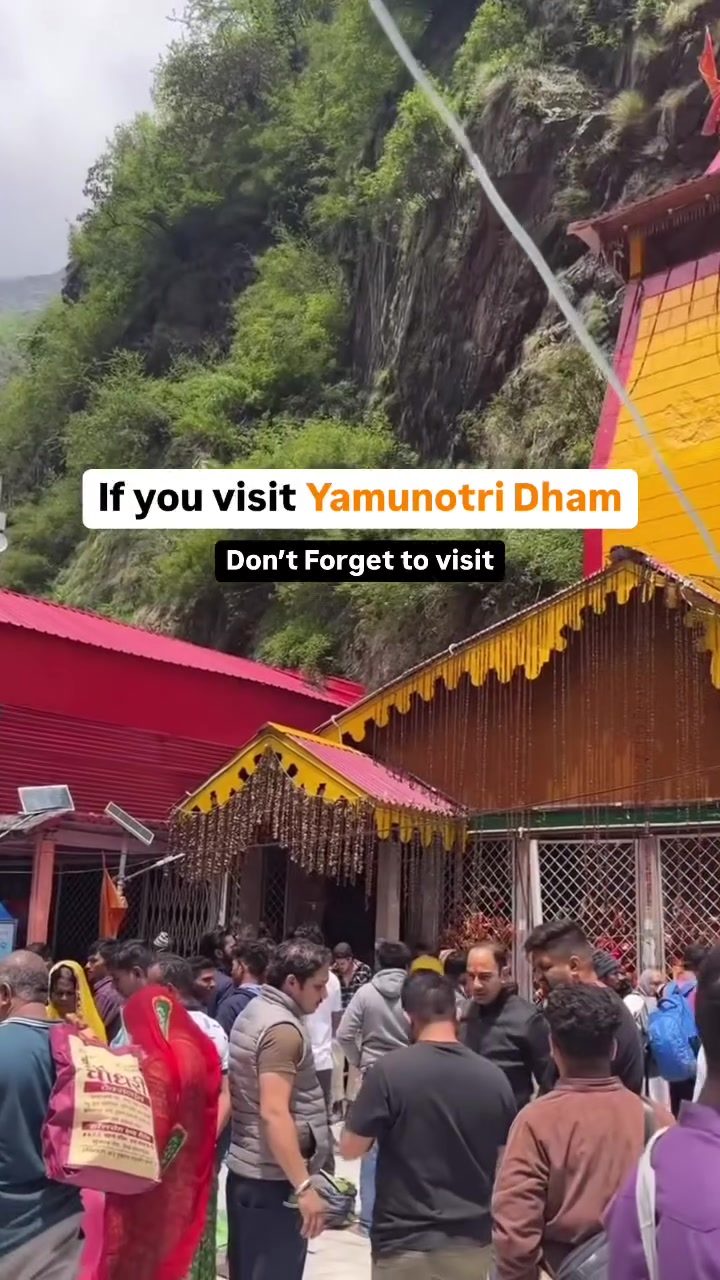
Yamunotri Dham is one of the most sacred pilgrimage sites in Hinduism, nestled in the Garhwal Himalayas. It is the source of the Yamuna River and is dedicated to the Goddess Yamuna, a revered deity in Hindu mythology. The journey to Yamunotri Dham is both arduous and rewarding. Pilgrims often trek through rugged terrain, braving steep climbs and cold temperatures to reach the temple, which marks the beginning of the Chota Char Dham Yatra, a revered circuit of four pilgrimage sites. The temple is an architectural marvel, offering a serene atmosphere that resonates with spiritual energy. Visitors often take a dip in the hot springs at Janki Chatti, known to have medicinal properties, before proceeding to the temple. The scene of Yamunotri Dham is truly majestic, with the crowd of devotees and the temple standing tall amidst the serene landscape.
Gangotri Dham
Similarly, Gangotri Dham is another sacred site, situated in the Garhwal region of Uttarakhand. It is the origin of the Ganges River, considered the holiest of all rivers in Hinduism. The temple here is dedicated to Goddess Ganga, or the sacred river Ganga itself. Pilgrims visit Gangotri to seek the blessings of the river, which is believed to purify the soul and wash away sins. The journey to Gangotri Dham is as challenging as it is fulfilling, with the path leading through dense forests, gushing rivers, and towering mountains. The temple, set against the backdrop of the Himalayas, exudes a sense of tranquility and divine presence.
Bhairavnath Temple and Mana Village
Bhairavnath Temple
Located near the holy town of Badrinath Dham, Bhairavnath Temple is another significant pilgrimage site. Dedicated to Lord Bhairav, a manifestation of Lord Shiva, this temple holds immense spiritual importance. Pilgrims believe that visiting Bhairavnath Temple is essential for the completion of the Char Dham Yatra. The temple's architecture and the surrounding natural beauty make it a place of profound spiritual significance. Pilgrims often visit this temple after completing their journey to Yamunotri Dham and Gangotri Dham, making it an integral part of their spiritual pilgrimage.
Mana Village
Mana Village is the last Indian village before the border with Tibet, making it a unique destination for both pilgrims and adventurers. Located near the iconic Badrinath Temple, Mana Village offers a glimpse into the traditional lifestyle of the locals. The village is surrounded by majestic mountains and lush greenery, providing a serene environment for reflection and spirituality. Mana Village is also home to several ancient temples, including the Narad Ghar, Vishnu Temple and the Vyas Gufa (Vashishtha Cave), which are considered sacred sites by Hindus. Many pilgrims visit Mana Village to seek blessings and experience the spiritual aura that permeates the area.
Practical Tips
Best Time to Visit
The best time to visit these pilgrimage sites is during the summer months, from April to June, and the early autumn months, from September to October. During these periods, the weather is mild, and the paths are accessible. Monsoon season, from July to August, should be avoided due to heavy rainfall and potential landslides. Winter, from November to March, can be extremely cold with heavy snowfall, making the journey difficult.
Essential Gear
Pilgrimage to these sites can be physically demanding, so it's essential to be well-prepared. Carry warm clothing, sturdy trekking shoes, a first-aid kit, and sufficient water and food supplies. A good-quality backpack and a walking stick can also be very helpful, especially for the treks to Yamunotri Dham and Gangotri Dham.
Accommodation and Transportation
Accommodation options range from budget guesthouses to luxurious hotels, depending on your preference and budget. It's advisable to book your accommodations in advance, especially during peak pilgrimage seasons. Transportation to these sites is mainly via private cars, buses, or shared taxis from major cities like Rishikesh and Dehradun. For those visiting Yamunotri Dham and Gangotri Dham, the last leg of the journey often involves a helicopter ride due to the challenging terrain.
Safety Precautions
Ensure you have travel insurance that covers high-altitude trekking and any medical emergencies. Carry altitude sickness medication, and be aware of the symptoms. Altitude sickness can be a common occurrence due to the high-altitude locations of these pilgrimage sites. Stay hydrated and take regular breaks during your journey to avoid overexertion.
Important Takeaways
- Spiritual Significance: Each of these sites holds deep spiritual significance and is integral to the Hindu pilgrimage experience.
- Challenging Terrain: The journey to these sites is often challenging, requiring physical endurance and preparation.
- Cultural Experience: Visiting these sites offers a unique cultural experience, allowing you to interact with locals and understand their way of life.
- Best Time to Visit: Plan your visit during the summer or early autumn months for the best weather conditions.
- Preparation is Key: Carry essential gear, book accommodations in advance, and be prepared for the physical demands of the journey.
Conclusion
Yamunotri Dham, Gangotri Dham, Bhairavnath Temple, and Mana Village are more than just pilgrimage sites; they are spiritual journeys that offer a profound connection with the divine. Each site has its unique charm and significance, making them essential destinations for those seeking spiritual enlightenment. Whether you are a devout pilgrim or an adventurer looking to explore the spiritual heart of India, these sites offer an experience that will stay with you for a lifetime.
Questions readers ask
What is the significance of Yamunotri Dham for Hindu pilgrims?
Yamunotri Dham is the source of the Yamuna River and is dedicated to the Hindu goddess Yamuna. For pilgrims, a visit to Yamunotri Dham marks the beginning of the Char Dham pilgrimage. This site is renowned for its thermal springs and the ancient temple that is nestled in the Himalayas. Pilgrims often take a holy dip in the hot springs and seek blessings from the deity before proceeding to other pilgrimage sites.
How do pilgrims typically travel to Gangotri Dham?
Gangotri Dham is accessible by road, but the journey often involves trekking through the Himalayas. Pilgrims typically travel from Rishikesh or Dehradun to Uttarkashi by road, and from there, they can either drive or trek to Gangotri. The trek is considered a spiritual journey in itself, offering stunning views of the Himalayas and a chance to connect with nature. Alternatively, Helicopter services are also available for those who prefer a shorter journey.
What makes Bhairavnath Temple unique among other pilgrimage sites?
Bhairavnath Temple is unique for its association with Lord Shiva's fierce manifestation, Bhairava. The temple is located in the picturesque village of Kharsali, surrounded by lush greenery and the serene waters of the Bhagirathi River. What stands out is its tranquil atmosphere, making it a serene spot for meditation and introspection. It is also one of the few temples dedicated to Bhairava, adding to its allure for devotees seeking a different aspect of the divine.
What can visitors expect to see and do in Mana Village?
Mana Village is the last Indian village before the border with China, offering a unique blend of natural beauty and cultural richness. Visitors can explore the ancient temples, including the famous Vyas Gufa and the temple of Mata Bhatiyatap. The village is also a gateway to the famous Badrinath Temple, which is considered one of the holiest shrines in Hinduism. Additionally, the scenic beauty of the village, surrounded by snow-capped peaks and lush valleys, provides a peaceful and spiritual experience.
What are the best times to visit Yamunotri and Gangotri Dham?
The best times to visit Yamunotri and Gangotri Dham are during the summer months, from April to June, and the early autumn months, from September to October. During these periods, the weather is pleasant, and the temples are open for pilgrims. The winter months are extremely cold and the temples are closed, while the monsoon season can make the treks difficult and dangerous due to heavy rainfall and landslides, making it crucial to plan your visit accordingly.
Are there any specific rituals or practices that pilgrims should be aware of when visiting these sites?
Pilgrims visiting these sites often participate in rituals such as taking a holy dip in the rivers, performing pujas at the temples, and offering prayers. At Yamunotri Dham, the ritual of cooking rice in the hot springs and offering it to the deity is significant. In Gangotri, the ritual of performing the Ganga Aarti, a devotional ceremony involving the lighting of lamps and offering prayers, is a must-see. It is important to follow local customs and seek guidance from priests or knowledgeable locals to fully participate in these rituals.
Related deep dives
Similar reads based on topic and creator.



Recent articles
Fresh deep dives from the latest Reels we unpacked.




Comments
Be the first to comment.