Watch the Reel
Nose Pore Extraction and Skincare
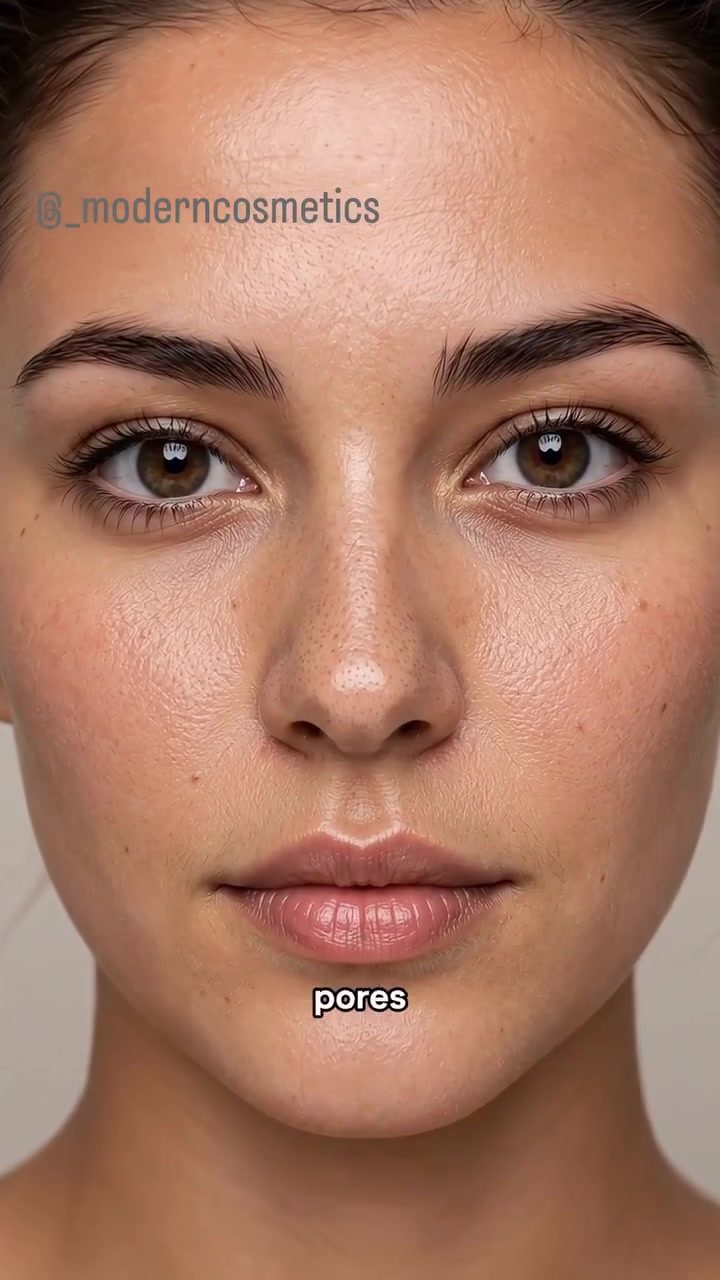
Pores around the nose often appear larger than those in other areas of the face. This phenomenon is due to the high concentration of sebaceous glands in the nasal region, which produce your skin's natural oil, known as sebum. Understanding why pores in this area look bigger and what those tiny dots really are can help you make informed decisions about your skincare routine.
Context / Why this matters
The nose is a focal point of the face, and its appearance can significantly impact overall facial aesthetics. Large, noticeable pores can be a source of concern for many, leading to frequent skincare treatments and product use. Recognizing the natural characteristics of the skin around the nose can alleviate unnecessary worries and guide more effective skincare practices.
Main discussion
Sebaceous Glands and Sebum
Sebaceous glands are tiny glands found in the skin that produce sebum, an oily substance that helps keep the skin lubricated and protected. The nose has a higher concentration of these glands compared to other facial areas. This abundance of sebum can make the pores around the nose appear larger and more noticeable.
Sebaceous Filaments
Those tiny dots around the nose are not always blackheads. In many cases, they are sebaceous filaments, which are a normal part of the skin. Sebaceous filaments are small, hair-like structures that help guide sebum from the sebaceous glands to the surface of the skin. They can sometimes be mistaken for blackheads, but understanding their function can prevent unnecessary treatment.
The Role of Follicles
The sebaceous glands are connected to hair follicles, and the combination of oil and dead skin cells within these follicles can make them more visible. This is particularly noticeable around the nose, where the production of sebum is higher. The follicular openings can appear larger due to the buildup of oil and dead skin cells, contributing to the perception of larger pores.
Practical tips
Cleansing Routine
A consistent cleansing routine is essential for managing the appearance of pores around the nose. Use a gentle cleanser that effectively removes excess oil and dirt without stripping the skin of its natural moisture. Double cleansing, which involves using an oil-based cleanser followed by a water-based one, can be particularly effective in deeply cleaning the pores.
Exfoliation
Regular exfoliation helps remove dead skin cells and unclogs pores. However, it's important to choose the right type of exfoliant for your skin. Chemical exfoliants, such as those containing salicylic acid or glycolic acid, can be gentler and more effective than physical exfoliants for the delicate skin around the nose.
Moisturizing
While it might seem counterintuitive, keeping the skin around the nose well-moisturized can help regulate sebum production. Opt for lightweight, oil-free moisturizers that provide hydration without clogging pores.
Pore Extraction
Pore extraction can be a beneficial procedure for removing the buildup of oil and dead skin cells within the pores. However, it should be performed by a skincare professional to avoid damage to the skin. Regular extractions can help maintain the appearance of smaller, less noticeable pores.
Important takeaways
Understanding the natural characteristics of the skin around the nose can significantly impact your skincare decisions. Recognizing that larger pores and sebaceous filaments are normal can prevent unnecessary treatments and alleviate concerns about skin health. Regular cleansing, gentle exfoliation, and appropriate moisturizing can help manage the appearance of pores, while professional pore extraction can provide deeper cleaning benefits.
Conclusion
The skin around the nose is unique due to its high concentration of sebaceous glands and the presence of sebaceous filaments. These natural features contribute to the appearance of larger pores and tiny dots that are often mistaken for blackheads. By understanding these characteristics and adopting a tailored skincare routine, you can effectively manage the appearance of your pores and maintain healthy, radiant skin.
Key points
- The nose has a high concentration of sebaceous glands, making pores in this area appear larger due to increased sebum production.
- Sebaceous filaments, which guide sebum to the skin's surface, are often mistaken for blackheads.
- The buildup of oil and dead skin cells in hair follicles around the nose can make pores appear larger.
- A consistent cleansing routine, including double cleansing, is essential for managing the appearance of pores around the nose.
- Chemical exfoliants containing salicylic acid or glycolic acid are effective for unclogging pores around the nose.
- Keeping the skin around the nose well-moisturized with lightweight, oil-free moisturizers can help regulate sebum production.
FAQ
Nose pores often look bigger due to the high concentration of sebaceous glands in the nasal area. These glands produce sebum, your skin's natural oil, which can make pores more visible.
Not necessarily. The dark appearance often comes from the sebum and dead skin cells that collect in the pore, which can be normal. Blackheads, however, are a type of acne that can sometimes be seen in these pores.
While you can't change the size of your pores, you can make them less noticeable. Regular cleansing, exfoliation, and using products with ingredients like niacinamide or retinol can help reduce excess oil and tighten the skin around the pores.
Gentle cleansing with a mild, non-comedogenic cleanser can help remove excess oil and dirt from your nose pores. Avoid harsh scrubs or excessive squeezing, as these can irritate the skin and potentially cause more harm than good.
It is generally not recommended to extract pore contents at home, as this can lead to skin irritation, infection, or scarring. If you're concerned about your pores, consult a skincare professional for a safe and effective extraction process.
Look for products that contain ingredients like salicylic acid, which can help clear out pores, or retinol, which can improve skin texture and reduce the appearance of pores over time. Additionally, products with niacinamide can help regulate oil production and minimize pore size.
Products
Share this article
Related deep dives
Similar reads based on topic and creator.




Recent articles
Fresh deep dives from the latest Reels we unpacked.




Comments
Be the first to comment.