The Hypothetical Decade of a Never-ending Pandemic
In a world where the coronavirus pandemic never ended, daily life would have been dramatically altered over a decade. The scenario presented in the video describes a progression of events, from initial panic and lockdowns to long-term societal changes and personal struggles.
Context / Why this matters
The ongoing pandemic has already reshaped society, but imagining a world where it persists indefinitely is a way to understand the lasting impacts of global health crises. The progression described includes immediate effects, such as panic-buying and lockdown, as well as long-term changes, like altered social interactions and strained healthcare systems. Understanding these potential outcomes can help us prepare for future crises.
Main discussion
The Immediate Effects
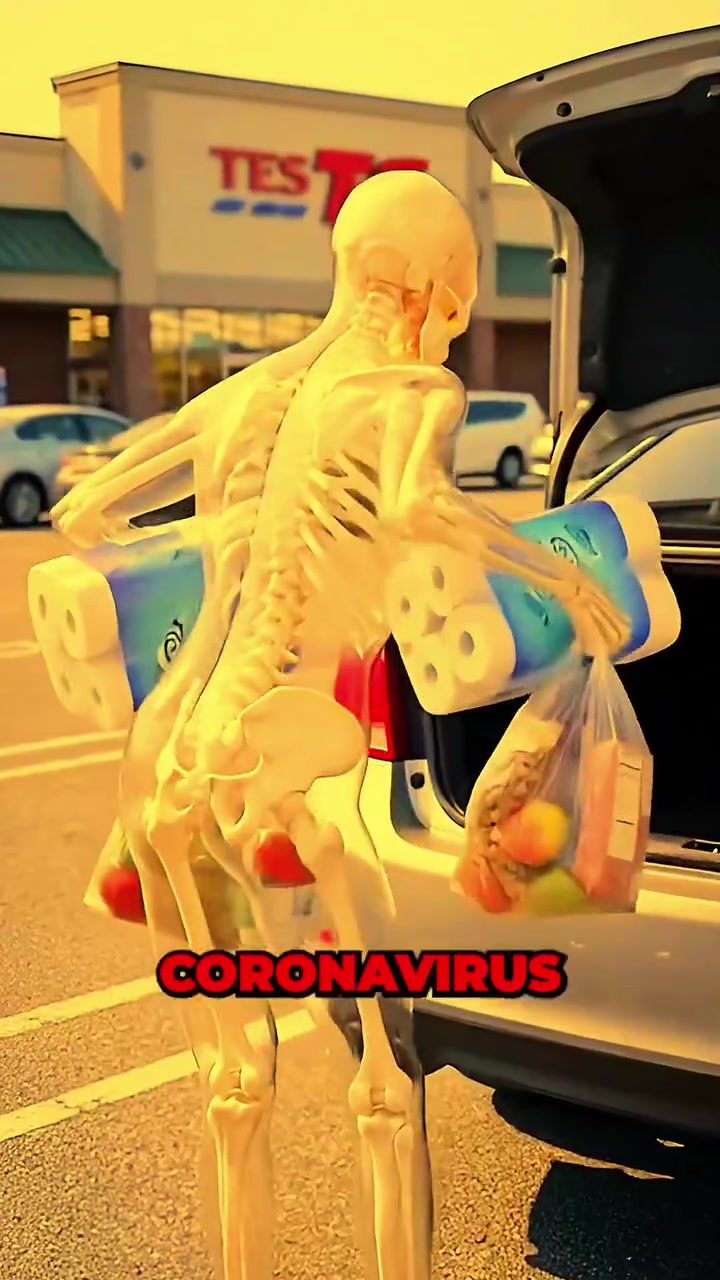
The scenario begins with the immediate aftermath of the pandemic announcement. Lockdowns, grounded flights, and closed borders are the first significant changes. People rush to stores to stock up on essentials like groceries and toilet paper, treating them as currency. This reflects the initial panic and uncertainty that gripped societies when lockdowns were first implemented.
The First Year
Months into the pandemic, the situation becomes more dire. Hospitals are overwhelmed, and sirens become a nightly presence. Checking in on friends becomes a grim task, as some don't pick up the phone, and some never will. The relatable experience of panic from a random sneeze and frequently checking your temperature underscores the heightened anxiety and fear.
Year 1: Variants and Supply Chain Collapse
As the pandemic progresses into its first year, variants evolve, becoming faster and stronger. Supply chains collapse, leading to empty shelves and a constant sense of scarcity. The weariness of a normal physical fatigue is palpable, reflecting the overwhelming stress and exhaustion of the ongoing crisis.
Year 2: Power Outages and Social Isolation
By the second year, power outages and empty highways become the new normal. People stop planning for the future and focus only on the immediate week. The shift in mindset from long-term planning to short-term survival highlights the psychological impact of prolonged crises.
Year 3: No Global Coordination
Without global coordination, social interactions change drastically. People stop shaking hands and hugging, even stepping back when someone coughs. The lack of coordination leads to fragmented responses, exacerbating the isolation and fear.
Year 5: Shrinking Social Circles
Five years in, social circles shrink significantly. Certain numbers are no longer called, and there's no one left to reassure you. The social fabric begins to fray as people lose touch with loved ones and support systems.
Year 10: Eerie Quiet and Health System Collapse
By the tenth year, the world hasn’t collapsed in one night, but it has slowly deteriorated. People wake up tired, with burning throats and aching bodies. When symptoms recur, there’s no hospital to call. This eerie quiet and the collapse of the healthcare system paint a grim picture of a world unprepared for a prolonged pandemic.
Practical tips
While the scenario is hypothetical, it offers practical insights into crisis preparedness. Here are some tips to better navigate similar situations:
Stock Up, But Don’t Panic
Stocking up on essentials is crucial, but it's important to do so without causing shortages for others. Plan your purchases wisely and consider the needs of your community.
Prepare for Long-Term Changes
Long-term planning is essential. Prepare for the possibility of extended crises by diversifying your income sources and building a resilient support network. This includes both financial and emotional support.
Maintain Social Connections
Social isolation can be detrimental to mental health. Even in times of crisis, make an effort to maintain social connections, whether through virtual means or safe in-person interactions.
Important takeaways
The progression described in the video highlights several critical points:
- Immediate Panic and Uncertainty: The initial response to a crisis can lead to panic-buying and social disruption.
- Long-term Adaptation: Over time, people adapt to new norms, but this adaptation can lead to further isolation and health issues.
- Importance of Coordination: Global and local coordination are essential for managing crises effectively.
- Mental and Physical Health: Prolonged crises take a significant toll on both mental and physical health, necessitating robust support systems.
Conclusion
The hypothetical scenario of a never-ending pandemic serves as a stark reminder of the potential long-term impacts of such crises. Understanding these impacts can help us better prepare for future challenges, emphasizing the need for coordinated efforts, community support, and long-term planning. By learning from this hypothetical progression, we can build more resilient societies capable of navigating extended periods of crisis.
Related deep dives
Similar reads based on topic and creator.




Recent articles
Fresh deep dives from the latest Reels we unpacked.



Comments
Be the first to comment.