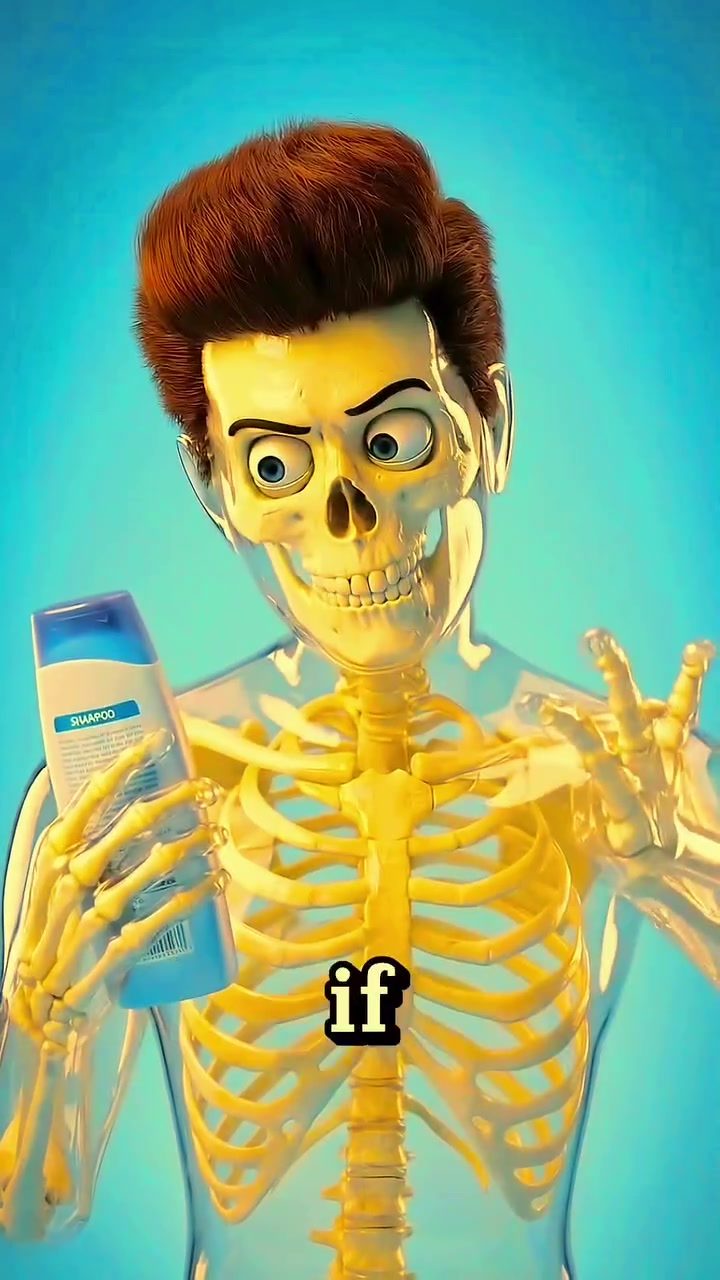
Hair and the 30-Day Experiment: A Wild Fantastical Journey
The idea of going 30 days without washing your hair can stir up many questions and concerns. What happens to your hair and scalp during this extended period? The narrative that follows is a fantastical and humorous exploration of what might occur, guided by a unique and animated voice.
Context / Why This Matters
Your hair and scalp are dynamic, constantly producing oils and shedding dead skin cells. Regular hair washing helps to manage these natural processes, but what happens if you suspend this routine? The result is a wild and hilarious journey, even if it's not something you'd want to experience.
The 30-Day Hair Adventure
The narrative begins on Day 1: Freedom! As you decide to stop washing your hair, your scalp and hair will start to feel different. The scalp produces natural oils called sebum, which gives hair a "shiny" appearance. Without washing, these oils will build up, making your hair feel greasy and heavy. The initial fluffy texture will be replaced by a wavy, shiny look. This day-by-day breakdown shows just how much your hair changes over 30 days.
The Oil Overload
On Day 3, the shine begins to take over. Sebum production increases, making your hair look wet and heavy. This oiliness might even feel good at first, but the buildup becomes unattractive and cumbersome. Your hair will start to lose its bounce and volume, and you may notice that it does not sit in the same way on your head. Your hair might resemble a greasy wig compared to the fluffy hair you had on day one.
The Scalp Struggles
As the days pass, your hair will not be the only thing going through changes. Your scalp will also undergo significant transformations. On Day 12, the itch sets in. Dead skin cells accumulate, creating a buildup on the scalp that can make the urge to scratch overwhelming. This is the point when you might start to wonder if you made a wise decision.
The Final Stretch: The Stench
Imagine reaching the halfway mark, and you are still not washing your hair. As you approach Day 30, the stench becomes unbearable. Bacteria feed on the accumulated oil, causing an unmistakable odor. You might not want to admit it, but there comes a point when you realize that you are a walking biohazard. This is the extent of the transformation your hair and scalp will undergo if you go 30 days without washing.
Practical Tips
The whole journey is a fun and exaggerated look at what your hair could go through without washing. While this is far from a recommendation to stop washing, it's a great reminder of how integral it is to our hygiene and overall well-being. If you want to go a bit longer between washes, here are some practical tips to manage the buildup:
Opt for a Dry Shampoo
A dry shampoo can help absorb excess oil and refresh your hair without the need for water. This can be a lifesaver if you are looking to extend the time between washes.
Use a Scalp Massage
A scalp massage can help stimulate blood flow and loosen any buildup on your scalp. This doesn’t replace washing but can be a temporary solution when you're in a bind.
Consider a Waterless Hair Rinse
There are products on the market designed to clean your hair without water. These can be a good option if you are looking to prolong the time between washes.
Important Takeaways
The 30-day journey is a reminder of the dynamic nature of your hair and scalp. Regular washing helps manage the buildup of oils and dead skin cells, keeping your hair healthy and clean. While skipping a day or two might not cause major issues, an extended period without washing can lead to discomfort and unattractive results.
Conclusion
The 30-day hair adventure is a humorous and exaggerated narrative, but it highlights the importance of regular hair care. By understanding the daily changes your hair undergoes, you can better appreciate the role of washing in maintaining hair health. While the journey might seem extreme, it's a good reminder to keep up with your hygiene routine and enjoy the benefits of clean and healthy hair.
Questions readers ask
What is the 'no poo' challenge and why would someone try it?
The 'no poo' challenge involves going without shampoo for an extended period, often 30 days or more. People try this to reduce their dependence on hair products, save money, or explore natural hair care methods. It can also help those with sensitive scalps or hair that's prone to becoming greasy.
What are the first signs that you will experience in the first few days of the 30-day no shampoo journey?
In the initial days, you may notice that your hair feels slightly heavier or more oily than usual. This is due to the buildup of natural oils, or sebum, that your scalp produces. Your hair might also feel dirtier sooner than you're used to, as shampoo is no longer stripping away the oils and dead skin cells.
Why does the scalp become itchy during the no shampoo challenge?
As dead skin cells and oils accumulate on your scalp, it can lead to itchiness. This is because the buildup can irritate your scalp and clog your hair follicles. Additionally, your scalp might be reacting to the absence of shampoo, which can disrupt its natural balance.
How can you manage the itchiness and greasiness that comes with the no shampoo challenge?
To manage itchiness, try gently exfoliating your scalp with your fingertips or a soft brush. For greasiness, consider using a dry shampoo or rinsing your hair with apple cider vinegar to absorb excess oil. You can also try washing your hair with just water, which can help maintain your scalp's natural balance.
What are some benefits of trying the 30-day no shampoo challenge?
If you decide to go for the 30 days no shampoo, some potential benefits include reduced hair damage from harsh chemicals, cost savings from not buying shampoo, and improved scalp health. Additionally, you might notice that your hair feels lighter and more voluminous over time, as it adjusts to producing less oil.
Is it okay to use conditioner during the no shampoo challenge?
Yes, you can use conditioner during the no shampoo challenge, particularly if you're experiencing dryness or tangles. However, it's best to use a lightweight, residue-free conditioner and focus on the mid-lengths and ends of your hair, rather than your scalp. This can help manage greasiness and maintain hair health.
What should you expect when you finally wash your hair after completing the 30-day no shampoo challenge?
After completing the 30 days no shampoo, your first wash might feel quite different. Your hair may feel exceptionally clean and light. You might also notice that your hair texture has changed, perhaps feeling more voluminous or softer. It’s also possible that your scalp will take some time to regain its normal oil production level.
Related deep dives
Similar reads based on topic and creator.




Recent articles
Fresh deep dives from the latest Reels we unpacked.
Comments
Be the first to comment.