Flood Warning Systems: A Critical Tool for Environmental Monitoring
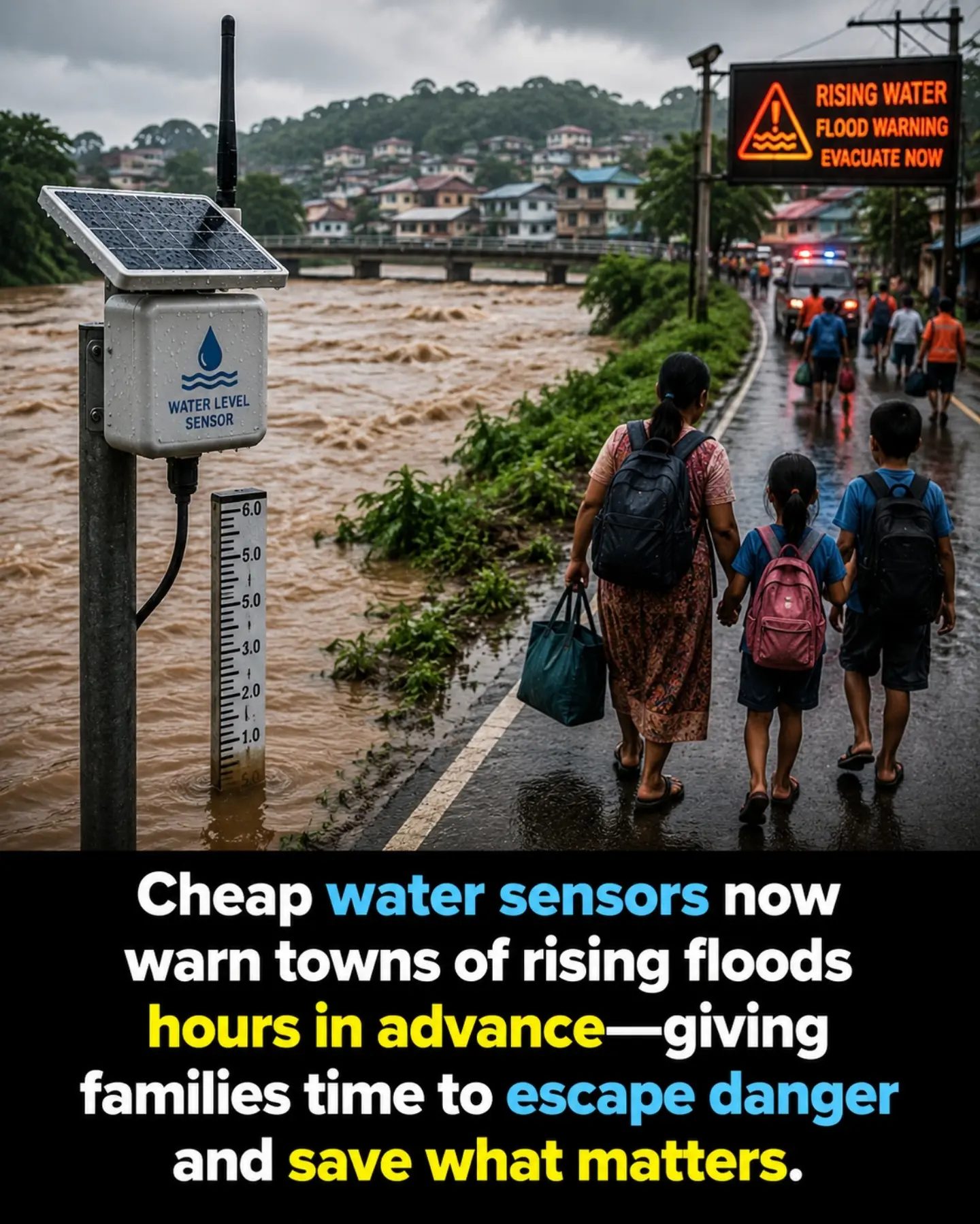
Floods can strike suddenly, causing significant damage and posing severe risks to life and property. Water level sensors play a crucial role in mitigating these risks by providing early flood warnings. These sensors are essential components of modern flood warning systems, offering communities precious time to prepare and evacuate.
Why This Matters
Floods are among the most devastating natural disasters, leading to extensive property damage, displacement of residents, and even loss of life. Early warning systems, powered by water level sensors, can significantly reduce these impacts. By detecting rising water levels, these systems provide critical advance notice, allowing towns and cities to implement evacuation plans and safeguard valuable assets.
How Water Level Sensors Work
Water level sensors monitor the height of water in real-time. These sensors are typically installed in strategic locations, such as rivers, canals, and other bodies of water prone to flooding. They continuously measure water levels and transmit this data to a central monitoring system. When water levels exceed predefined thresholds, the system generates a flood warning, alerting local authorities and residents.
Types of Water Level Sensors
-
Ultrasonic Sensors: These sensors use sound waves to measure water levels. They emit ultrasonic waves that bounce off the water surface and return to the sensor. The time it takes for the waves to return is used to calculate the water level.
-
Float Switch Sensors: These sensors employ a floating mechanism that rises and falls with the water level. As the float moves, it activates a switch that sends a signal to the monitoring system.
-
Pressure Sensors: These sensors measure the pressure exerted by the water column above them. The pressure data is then converted into a water level reading.
-
Radar Sensors: Similar to ultrasonic sensors, radar sensors use radio waves to measure water levels. They offer high accuracy and are less affected by environmental factors like water turbulence.
Installation and Maintenance
Proper installation and regular maintenance are crucial for the reliable operation of water level sensors. Here are some practical tips to ensure optimal performance:
Installation Tips
-
Selecting the Right Location: Choose a site that is representative of the water body's overall level. Avoid areas with debris or turbulence that could interfere with sensor readings.
-
Secure Mounting: Ensure the sensor is securely mounted to prevent displacement by water currents or debris. Use appropriate mounting brackets and anchors.
-
Calibration: Calibrate the sensor to ensure accurate readings. Follow the manufacturer's guidelines for calibration procedures.
-
Electrical Connections: Make sure all electrical connections are secure and protected from water ingress. Use waterproof connectors and cables.
Maintenance Tips
-
Regular Cleaning: Periodically clean the sensor to remove any buildup of dirt, algae, or other contaminants that could affect its performance.
-
Periodic Checks: Conduct regular inspections to ensure the sensor is functioning correctly. Check for signs of wear and tear or damage.
-
Data Verification: Verify the data transmitted by the sensor against manual measurements to ensure accuracy. Adjust calibration if necessary.
-
Battery Replacement: If the sensor is battery-powered, replace the batteries as recommended by the manufacturer to maintain continuous operation.
Practical Tips for Flood Preparedness
-
Community Awareness: Educate the community about the importance of flood warning systems and the actions to take when a flood warning is issued.
-
Emergency Plans: Develop and regularly update emergency response plans. Ensure that all residents are familiar with evacuation routes and safety measures.
-
Communication Systems: Establish reliable communication systems to disseminate flood warnings promptly. Use multiple channels, including SMS, radio, and social media.
-
Shelters and Resources: Identify and prepare designated shelters and resources for evacuation and relief. Ensure that these locations are well-stocked with essential supplies.
Important Takeaways
- Water level sensors are vital for early flood detection and warning.
- Different types of sensors, including ultrasonic, float switch, pressure, and radar sensors, offer various advantages and are suitable for different environments.
- Proper installation, calibration, and maintenance are essential for the reliable operation of water level sensors.
- Community preparedness and effective communication systems enhance the overall effectiveness of flood warning systems.
Conclusion
Water level sensors are indispensable tools in the fight against flood-related disasters. By providing early warnings, these sensors empower communities to take proactive measures, saving lives and minimizing damage. Investing in robust flood warning systems and maintaining them effectively can significantly enhance a town's resilience against flooding.
Questions readers ask
How do water level sensors help in early flood detection?
Water level sensors continuously track water levels in flood-prone areas. When water levels rise, sensors send alerts, providing communities with critical time to prepare and evacuate before flooding occurs.
What are the benefits of installing flood sensors in communities?
Installing flood sensors offers numerous benefits, including reducing property damage, minimizing displacement of residents, and saving lives. These sensors enhance overall safety by providing advance warnings.
How do flood warning systems work with water level sensors?
Flood warning systems integrate water level sensors to monitor water levels in real-time. When sensors detect a rapid rise in water levels, they trigger alerts, initiating safety measures and evacuation protocols.
Why are flood-prone areas prioritized for sensor installation?
Flood-prone areas are prioritized for sensor installation because they are at the highest risk of experiencing flooding. By focusing on these vulnerable locations, communities can better manage and respond to flood events.
What role do water level sensors play in flood preparedness technology?
Water level sensors are at the core of flood preparedness technology. They provide timely, reliable data to support decision-making, enabling authorities to implement effective safety measures and evacuation plans.
How can communities benefit from real-time flood alerts?
Real-time flood alerts, powered by water level sensors, allow communities to take immediate action. This includes activating emergency response teams, closing roads, and initiating evacuations, thereby minimizing the impact of floods.
What are the key components of a modern flood warning system?
A modern flood warning system relies on key components including water level sensors, data transmission networks, and alert dissemination platforms. These elements work together to provide timely and accurate flood warnings to at-risk communities.
Related deep dives
Similar reads based on topic and creator.

Recent articles
Fresh deep dives from the latest Reels we unpacked.




Comments
Be the first to comment.