Restoring Scotland's Woodlands: The Power of Community Seed Collection
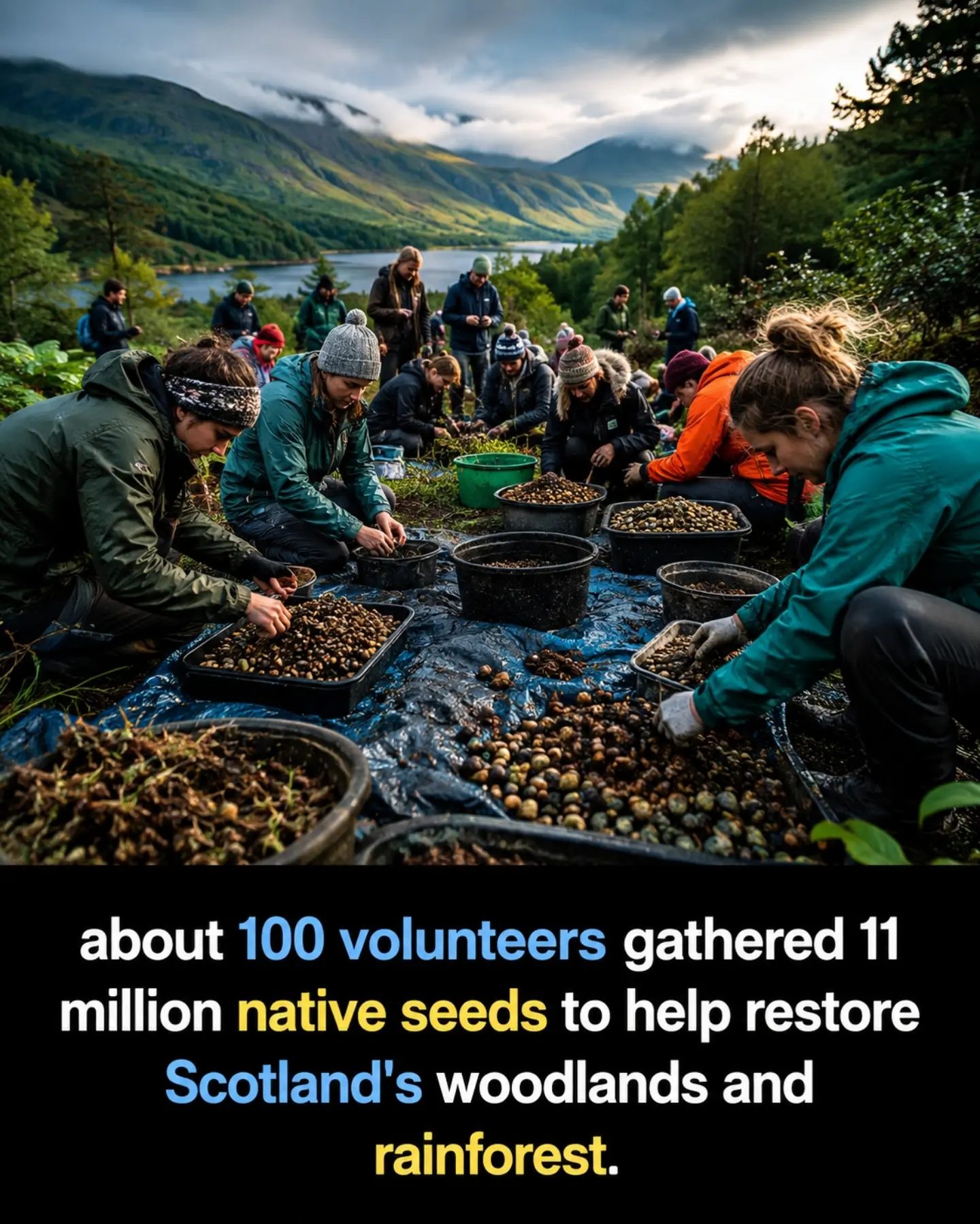
Volunteers are the backbone of many environmental conservation efforts, and in Scotland, a dedicated group of approximately 100 volunteers has taken on the significant task of restoring the country's woodlands and rainforest. By gathering and collecting seeds, these volunteers are playing a crucial role in preserving Scotland's native flora.
Why This Matters
The restoration of Scotland's woodlands and rainforest is not just an environmental endeavor; it is a community effort that brings people together for a common cause. The activities of these volunteers have a direct impact on biodiversity, soil health, and the overall resilience of the ecosystem. By focusing on native seeds, the volunteers ensure that the restored areas will support local wildlife and maintain the natural balance of the ecosystem. Additionally, the collective efforts of volunteers foster a sense of community and shared purpose, which can inspire others to participate in conservation initiatives.
Main Discussion
The Importance of Seed Collection
Seed collection is a fundamental aspect of reforestation efforts. By gathering and planting native seeds, volunteers help to re-establish natural habitats that have been degraded or destroyed by various factors such as deforestation, invasive species, and climate change. Native seeds are crucial because they are adapted to local conditions and support the local ecosystem, including wildlife that depends on these specific plant species.
The Role of Volunteers
Volunteers are essential in the seed collection process. Their dedication and hard work enable large-scale restoration projects to be completed efficiently and effectively. The group of approximately 100 volunteers in Scotland collected 11 million native seeds, a monumental task that requires significant time, effort, and organization. This collective effort showcases the power of community engagement in environmental conservation. When people come together with a shared goal, they can achieve impressive results that benefit both the environment and the community.
Preparing Seeds for Planting
The process of collecting seeds is just the beginning. Once the seeds are gathered, they need to be sorted, cleaned, and prepared for planting. This involves removing any debris or non-viable seeds and ensuring that the seeds are stored properly to maintain their viability until they are ready to be planted. The volunteers' meticulous work in preparing the seeds ensures that the planting process is successful and that the seeds have the best chance of germination and growth.
The Impact on Scotland's Woodlands
The restoration of Scotland's woodlands and rainforest has numerous benefits. Native forests provide habitat for a diverse range of wildlife, including birds, mammals, and insects. They also help to mitigate climate change by absorbing carbon dioxide from the atmosphere and releasing oxygen. Additionally, healthy forests improve soil quality, prevent erosion, and regulate water cycles. By restoring these critical ecosystems, volunteers are not only preserving Scotland's natural heritage but also contributing to the long-term sustainability of the environment.
Practical Tips
If you're interested in getting involved in seed collection and reforestation efforts, here are some practical tips to help you get started:
Join a Local Conservation Group
Many communities have local conservation groups or organizations dedicated to environmental preservation. Joining one of these groups can provide you with the opportunity to participate in seed collection efforts, attend workshops, and learn from experienced volunteers.
Learn About Native Seeds
Understanding the types of native seeds in your area and their specific needs is essential for successful reforestation. Research the native flora and fauna in your region and learn about the best practices for collecting, storing, and planting seeds.
Gather the Right Tools
Having the right tools can make seed collection more efficient and enjoyable. Essential tools include gloves, seed collection bags or containers, and a notebook for recording the types and quantities of seeds collected. You might also want to bring a map and compass to navigate the collection area safely.
Store Seeds Properly
Proper storage is crucial for maintaining the viability of seeds. Store seeds in a cool, dry place away from direct sunlight and moisture. Use airtight containers to prevent contamination and ensure that the seeds remain viable until they are ready to be planted.
Planting Techniques
Successful planting requires knowledge of the best techniques for different seed types. Some seeds need to be planted immediately after collection, while others can be stored for later planting. Research the specific requirements for the seeds you are collecting and follow best practices for planting.
Important Takeaways
- Seed collection and reforestation are vital for preserving biodiversity and restoring natural habitats.
- Volunteers play a crucial role in these conservation efforts, contributing their time, skills, and dedication.
- Proper seed preparation and storage are essential for successful planting and ecosystem restoration.
- Community engagement in environmental conservation fosters a sense of shared purpose and collective responsibility.
Conclusion
The efforts of approximately 100 volunteers in Scotland to collect 11 million native seeds and restore the country's woodlands and rainforest are a testament to the power of community engagement in environmental conservation. By focusing on native seeds, these volunteers are not only preserving Scotland's natural heritage but also contributing to the long-term sustainability of the environment. Whether you are a seasoned conservationist or just starting out, there are many ways to get involved in seed collection and reforestation efforts. By joining a local conservation group, learning about native seeds, and following best practices for seed collection and planting, you can make a meaningful difference in preserving and restoring natural habitats.
Questions readers ask
Who is involved in restoring Scotland's woodlands and rainforests?
Approximately 100 volunteers are actively involved in restoring Scotland's woodlands and rainforests. These dedicated individuals are the driving force behind the seed collection and planting efforts, playing a crucial role in preserving Scotland's native flora.
How many seeds have the volunteers collected for the restoration projects?
The volunteers have gathered and are planting over 11 million native seeds as part of their restoration efforts. This substantial number ensures a significant impact on Scotland's woodlands and rainforests.
What are the primary benefits of the woodland restoration efforts?
The restoration efforts directly benefit biodiversity, soil health, and ecosystem resilience. By focusing on native seeds, the volunteers help maintain the natural balance of Scotland’s ecosystems, fostering a healthier environment.
How do these volunteers contribute to the community?
The volunteers bring people together for a common cause, fostering a sense of community and collective responsibility. Their efforts not only improve the environment but also strengthen local ties and camaraderie.
What kind of seeds are the volunteers collecting and planting?
The volunteers are collecting and planting native seeds. This focus on native flora ensures that the restored woodlands and rainforests accurately reflect Scotland's natural landscape, promoting the long-term health of the ecosystems.
How can I get involved in these restoration efforts?
To get involved, you can reach out to local environmental groups or volunteer organizations in Scotland that are part of the woodland restoration initiatives. These groups often welcome new members and provide opportunities to participate in seed collection and planting activities.
What is the significance of restoring rainforests in Scotland?
Restoring rainforests in Scotland is significant because it helps to preserve the unique biodiversity of these ecosystems. Rainforests play a critical role in maintaining soil health, supporting a variety of plant and animal species, and contributing to the overall resilience of Scotland's ecosystems.
Related deep dives
Similar reads based on topic and creator.




Recent articles
Fresh deep dives from the latest Reels we unpacked.



Comments
Be the first to comment.