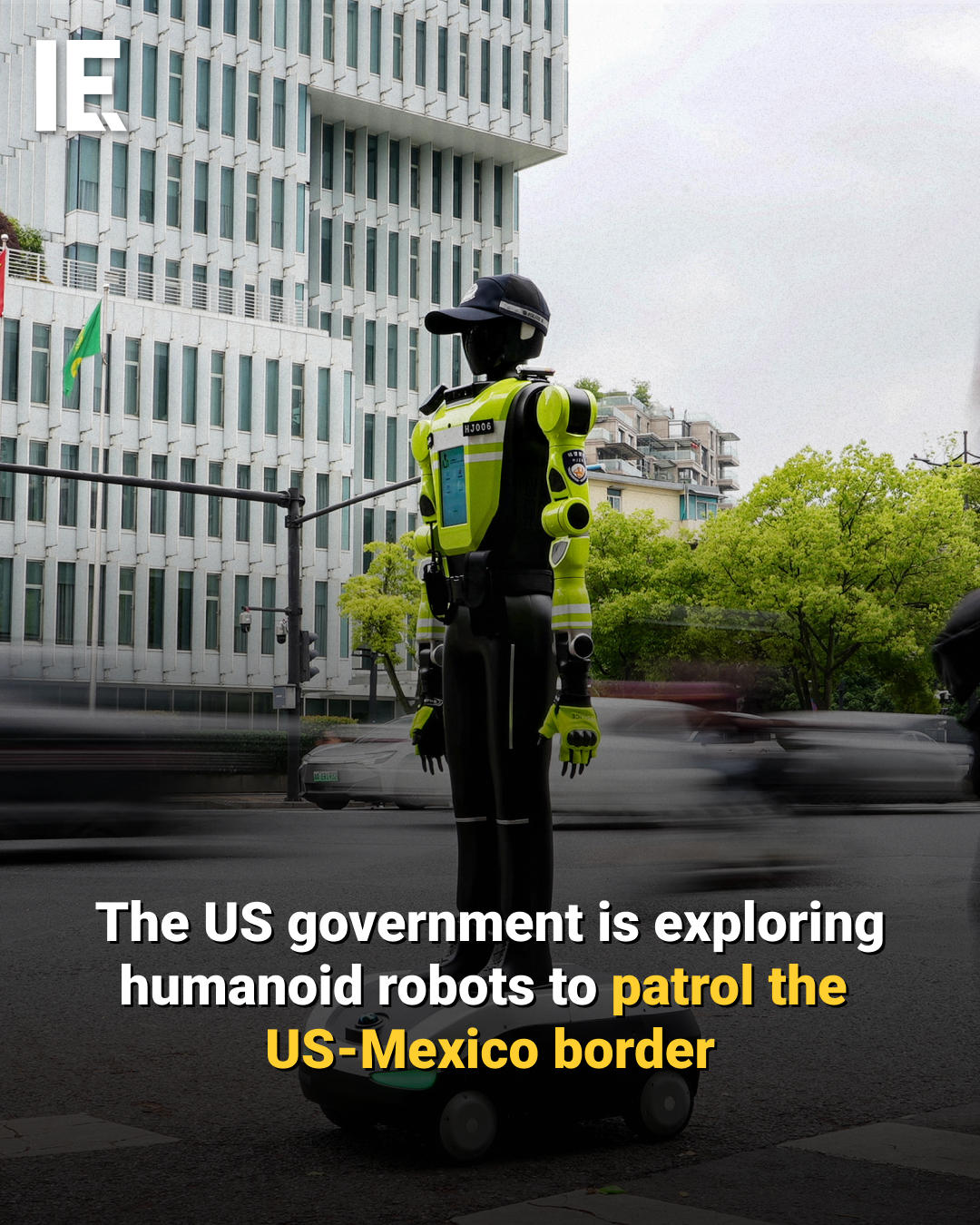
The U.S. government is considering a futuristic approach to border security: deploying humanoid robots to patrol the U.S.-Mexico border. This is not science fiction. The idea is already out there, visualized in a short clip when a humanoid robot appears standing in an urban setting wearing a uniform, mimicking a human border patrol officer. Bots could soon replace boots on the ground in one of the most contentious patrol zones in the world. But as this experiment sits on the border of reality, many questions have already emerged.
Border Guards 2023
Humanoid robots are machines designed to resemble the human form, capable of mimicking basic human movements. They are different from other robots due to their ability to interact more naturally with their environment, such as navigating through human-occupied spaces and performing tasks that require a certain level of human-like agility and interaction. The idea of deploying humanoid robots for border patrol is to create a new line of defense that can handle tasks previously done by humans, but with enhanced capabilities. These robots could potentially perform surveillance, monitor borders, and detect illegal activities more efficiently than human patrol officers, with reduced risk of human error or injury. The government could deploy the robots to enhance safety and security along the border. Additionally, humanoid robots could operate in hazardous environments where human patrol officers would be at risk, as well as provide continuous surveillance without the need for breaks or shifts. The government's consideration of deploying humanoid robots to patrol the U.S.-Mexico border is a response to the complexities and challenges of managing a vast and often dangerous border region. With the increase in technology and automation, the demand for more innovative and effective security measures has grown. The concept of using advanced technology to secure borders is not entirely new, but the inclusion of humanoid robots takes border patrol to a whole new level.
The Future of Security, Border Style
The implementation of humanoid robots for border patrol could profoundly impact the future of border security, opening doors for more advanced and efficient security measures. This development aligns with broader trends in law enforcement and security, where technology is increasingly being used to augment human capabilities. With the growing need for enhanced border security, the use of such robots could provide a more efficient and effective way to monitor and secure vast and challenging areas, ensuring better protection of borders and reducing human risk.
Robots vs Reality
What Can a Robot Patrol?
The humanoid robot in the clip is seen standing on a street in front of a building, wearing a uniform, and appears to be patrolling. Its appearance suggests that the robot could potentially be used for surveillance and monitoring, detecting illegal activities, and providing a visible security presence. But can a robot actually patrol? Humanoid robots could be programmed to patrol specified routes, monitor for suspicious activities, and communicate with human operators. Equipped with advanced sensors and cameras, these robots could detect and identify potential threats, such as illegal border crossings or other suspicious activities, in real-time. Their ability to operate continuously without the need for breaks or shifts makes them an attractive option for extended surveillance and monitoring.
Human vs. Machine
Despite their potential advantages, humanoid robots also face significant challenges. For example, they may struggle with navigating complex terrain or interacting with humans in unpredictable situations. Moreover, the cost of deploying and maintaining a fleet of humanoid robots could be incredibly high compared to using human patrol officers.
Human Efficacy
The deployment of humanoid robots at the border highlights the need for evaluating the efficacy of human patrol units and the eventual integration of human and robotic forces. The potential risks and benefits of using humanoid robots need to be carefully assessed. Humans may still be necessary for handling complex situations and making critical decisions, as well as doing some integral tasks. Increased use of technology in law enforcement is a trend that is likely to continue and eventually necessitate a change in current paradigms and frameworks.
Uncharted Territory
Each robot would also need to navigate complex legal and ethical issues, which could potentially create new challenges for border security. The ethical considerations of deploying humanoid robots, including ensuring privacy and security, would need to be addressed. All of these concerns would be compounded by the robot's unforeseen adaptability to potentially harmful modifications or hacking.
Take a Walk on the Wild Side
Be aware of what a humanoid robot can and cannot do. These robots can be programmed to perform many tasks, such as patrolling and monitoring, but they also have limitations. They may struggle to handle complex terrain or interact with humans in unpredictable situations. They may not be able to make critical decisions or handle complex situations. Furthermore, their ability to detect and identify potential threats may be limited in certain environments and conditions. As such, it would be wise to integrate the robotics with human capabilities, and not rely too heavily on this technology at the cost of losing the human advantage.
- Considerations: Thinking to utilize humanoid robots for patrol would require planning permutations in situations that are fully under surveillance, constant human oversight, and technological capacity to intervene in emergencies.
- Integration: The robots should be able to communicate with human operators and other security systems. This would ensure an integrated security response and potentially prevent the robot from being isolated or vulnerable to hacking.
- Legality: It is essential to consult legal advisors regarding the use of humanoid robots in border patrol and prepare for potential challenges and complications.
Questions readers ask
What exactly are humanoid robots, and how do they differ from other types of robots?
Humanoid robots are designed to look and move like humans, which allows them to navigate through human-occupied spaces more naturally. They can perform tasks that require human-like agility and interaction, unlike other robots that might be specialized for specific tasks but lack the versatility of humanoid robots. This makes them particularly useful for border patrol, where they can mimic the actions of human officers while adding enhanced capabilities.
How would humanoid robots enhance border security compared to human patrol officers?
Humanoid robots could potentially perform surveillance, monitor borders, and detect illegal activities more efficiently than human patrol officers. They can operate continuously without the need for breaks or shifts, reducing the risk of human error or injury. Additionally, they could operate in hazardous environments where human patrol officers would be at risk, providing a new layer of defense along the border.
What are the potential challenges or limitations of using humanoid robots for border patrol?
While humanoid robots offer many advantages, there are also potential challenges. For instance, the technology is still evolving, and there may be limitations in their ability to handle complex or unpredictable situations. Additionally, there could be ethical and legal considerations, such as how the robots would interact with individuals and handle sensitive situations.
How would the deployment of humanoid robots impact the jobs of human border patrol officers?
The deployment of humanoid robots could lead to a shift in the roles of human border patrol officers. While some jobs might be automated, human officers would still be crucial for supervising the robots, handling complex situations, and providing a human touch in interactions with the public. The transition could also create new job opportunities in maintaining and operating the robots.
Is this the first time the U.S. government has considered using advanced technology for border security?
No, the U.S. government has been exploring various forms of technology to enhance border security for years. However, the idea of deploying humanoid robots takes this approach to a new level. The use of advanced technology for border security is in line with broader trends in law enforcement, where technology is increasingly used to augment human capabilities.
What specific tasks could a humanoid robot perform while patrolling the border?
A humanoid robot could be programmed to patrol specified routes, monitor for suspicious activities, and communicate with human operators. Equipped with advanced sensors, cameras, and other technologies, these robots could detect and report illegal activities, providing a visible security presence and enhancing overall border surveillance.
Related deep dives
Similar reads based on topic and creator.


Recent articles
Fresh deep dives from the latest Reels we unpacked.



Comments
Be the first to comment.