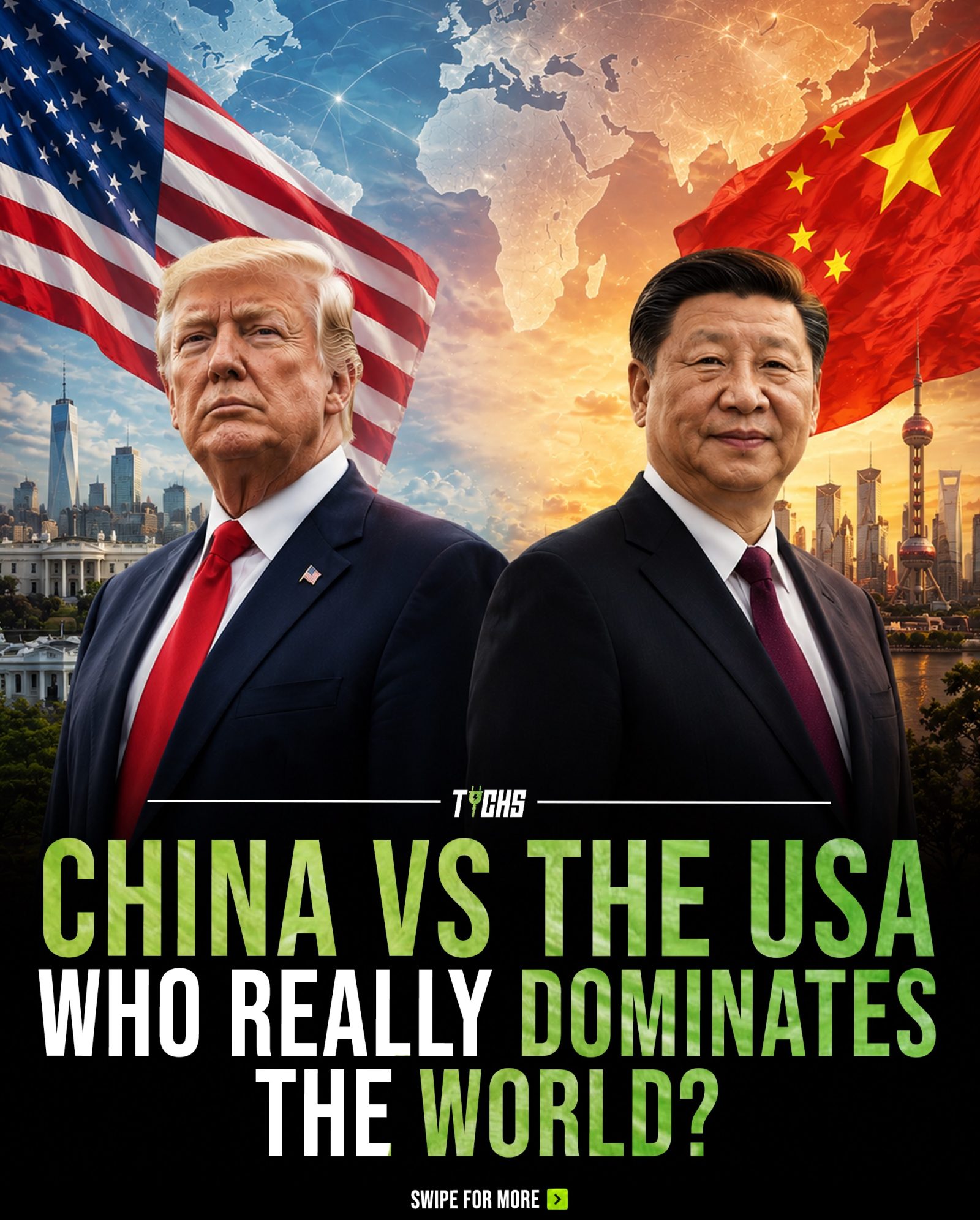
The global power balance between the United States and China is a dynamic and multifaceted issue that impacts various sectors, including economics, technology, military strength, manufacturing, and artificial intelligence. The interplay between these two superpowers is sculpting the future of the global landscape.
Why this matters
Understanding the dynamics between the United States and China is crucial for several reasons. These two countries are the world's largest economies and their actions significantly influence global markets, innovation, and geopolitical stability. Whether it's through trade agreements, technological advancements, or military strategies, the decisions made by these nations have far-reaching consequences. For businesses, investors, and policymakers, staying informed about this power struggle is essential for navigating the complexities of the modern world.
Comparing strengths
Economic Power
China has established itself as the world's largest exporter, with an economic output exceeding $3.5 trillion, significantly more than the United States' $2.0+ trillion. This economic dominance is evident in various sectors, including manufacturing and rare earth mineral production, which are essential for modern technology. China's control over these resources gives it a strategic advantage in global supply chains. Additionally, China's leadership in electric vehicle sales and naval fleet size further solidifies its economic prowess.
Military Strength
The United States, on the other hand, maintains a stronghold in military spending, air power, and nuclear weapons. This military dominance allows the U.S. to project its power globally and influence geopolitical dynamics. The U.S. also leads in frontier AI and global technology giants, positioning it at the forefront of technological innovation and development.
Technology
The global tech industry is heavily influenced by both countries. The U.S. dominates with major players like Apple, Nvidia, and Google, while China's Tencent and ByteDance are also significant forces. This tech competition drives innovation and pushes the boundaries of what is possible, affecting everything from consumer electronics to artificial intelligence.
The Intensifying Competition
Rather than one country fully dominating everything, both powers now control different parts of the global system. This creates an intense competition that will influence trade, innovation, energy, geopolitics, and technological leadership for decades to come. The rivalry between the U.S. and China is not just about economic or military dominance; it's about shaping the future of global standards, regulations, and technological advancements.
Practical tips for navigating this landscape
For businesses and individuals looking to navigate this complex landscape, several practical tips can help:
Stay Informed
Keep up-to-date with the latest developments in both countries. Understanding their policies, technological advancements, and economic strategies can provide valuable insights for making informed decisions.
Diversify Investments
Given the intense competition, diversifying investments across different sectors and geographies can help mitigate risks. This approach ensures that your portfolio is not overly dependent on the performance of a single region or industry.
Leverage Technology
Both the U.S. and China are at the forefront of technological innovation. Utilizing advanced technologies can enhance efficiency, productivity, and competitiveness in various sectors.
Foster Collaboration
While competition is inevitable, fostering collaboration can also be beneficial. Engaging in partnerships and joint ventures can help leverage the strengths of both countries, leading to mutually beneficial outcomes.
Adapt to Change
The global landscape is constantly evolving, and staying adaptable is crucial. Being flexible and ready to pivot in response to changes in policy, technology, or market dynamics can provide a competitive edge.
Important takeaways
There are several key takeaways from the shifting power balance between the United States and China:
-
Economic Interdependence: Despite their rivalry, both countries are economically interdependent. Trade and investments flow in both directions, creating a complex web of economic ties.
-
Technological Innovation: Technological advancements in both countries are driving global innovation. This competition is pushing the boundaries of what is possible, from AI to electric vehicles.
-
Geopolitical Influence: The power balance between the U.S. and China has significant geopolitical implications. Their actions and decisions can influence global stability, diplomacy, and security.
-
Strategic Resources: Control over strategic resources, such as rare earth minerals, gives China a competitive edge in manufacturing and technology. This highlights the importance of resource management and supply chain resilience.
-
Future Impact: The competition between the U.S. and China will continue to shape the future of trade, innovation, energy, and technological leadership. Staying informed and adaptable will be crucial for navigating this complex landscape.
Conclusion
The global power balance between the United States and China is a critical issue that affects various aspects of the modern world. Understanding the strengths, weaknesses, and strategies of both countries is essential for navigating the complexities of the global landscape. By staying informed, diversifying investments, leveraging technology, fostering collaboration, and adapting to change, businesses and individuals can position themselves to thrive in this dynamic environment. The future will be shaped by the competition and collaboration between these two superpowers, and being prepared for this evolving landscape is key to success.
Questions readers ask
How does the economic rivalry between the US and China impact global markets?
The economic rivalry between the US and China impacts global markets through trade policies, tariffs, and investment flows. For instance, trade disputes can lead to increased costs for businesses and shifts in supply chains, while investment policies can influence the availability of capital and technology. Staying informed about these dynamics helps businesses and investors make strategic decisions.
What are the key areas of technological competition between the US and China?
The key areas of technological competition include artificial intelligence, 5G networks, and semiconductor manufacturing. Both countries are investing heavily in these sectors to gain a competitive edge, which can affect global innovation and market leadership. Understanding these areas of competition is essential for businesses looking to capitalize on emerging technologies.
How does the military comparison between the US and China influence global stability?
The military comparison between the US and China significantly influences global stability through geopolitical strategies, defense spending, and regional security dynamics. Both nations' military investments and deployments can escalate tensions or deter conflicts, impacting global security and stability. For policymakers, being aware of these dynamics is critical for shaping foreign policies and alliances.
What role do investment opportunities play in the US-China power dynamic?
Investment opportunities play a pivotal role in the US-China power dynamic by driving economic growth and influencing global market trends. Both countries offer distinct investment landscapes, from China's rapid infrastructure development to the US's robust financial markets. Evaluating these opportunities helps investors navigate risks and capitalize on growth potential.
How does China's economic growth impact the future of global power?
China's economic growth significantly impacts the future of global power by reshaping trade networks, technological advancements, and geopolitical influence. As China's economy continues to grow, it challenges the US's global dominance, leading to shifts in economic and political landscapes. Recognizing these changes is crucial for businesses and policymakers to adapt to new global realities.
What are the implications of the US-China trade relationship on global markets?
The US-China trade relationship influences global markets through trade agreements, tariffs, and supply chains. Fluctuations in this relationship can lead to market volatility, altered trade routes, and changes in consumer goods pricing. Monitoring these changes helps businesses and investors make informed decisions and prepare for potential disruptions.
How does China's global tech influence compare to that of the US?
China's global tech influence is growing rapidly, particularly in areas like telecommunications (e.g., Huawei) and e-commerce (e.g., Alibaba). However, the US maintains a strong presence in software, digital platforms, and AI. The competition between these two tech giants drives global innovation but also creates challenges in areas like data security and market access. Understanding these dynamics helps businesses and policymakers stay ahead in the tech race.
Related deep dives
Similar reads based on topic and creator.




Recent articles
Fresh deep dives from the latest Reels we unpacked.




Comments
Be the first to comment.