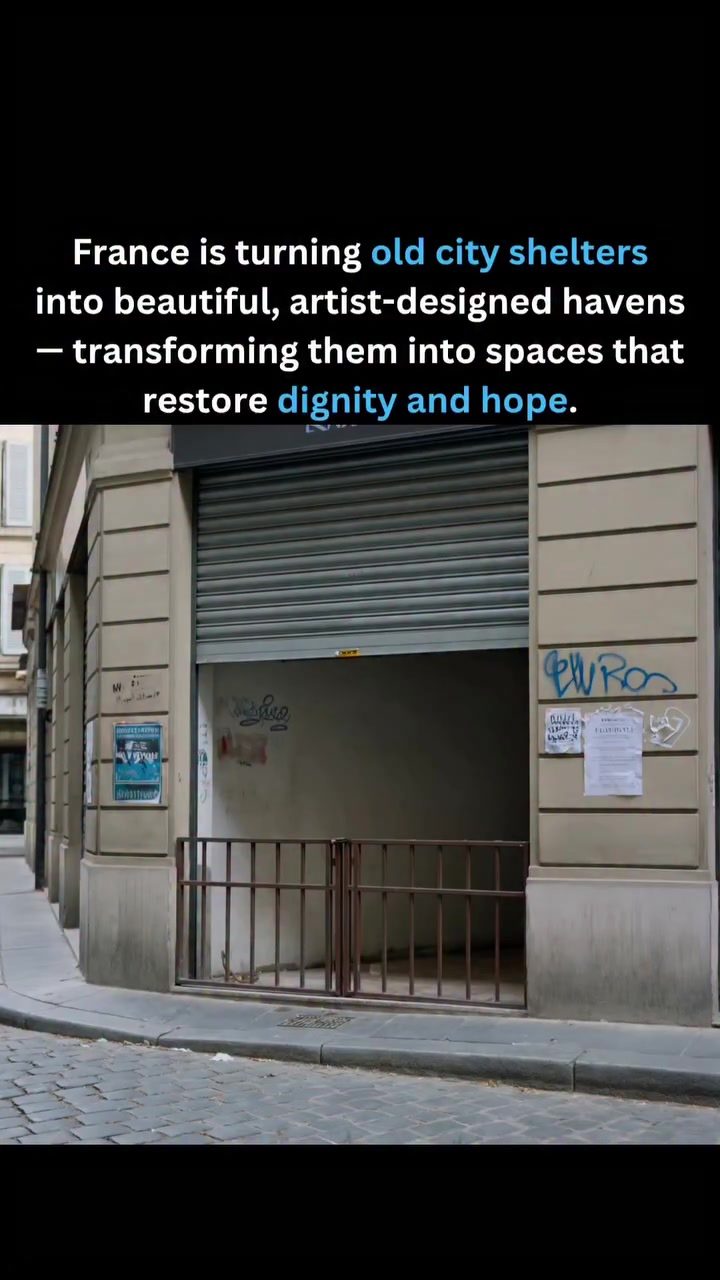
Urban Shelter Transformation
France is taking a groundbreaking approach to revitalizing its urban spaces by transforming old city shelters into vibrant, artist-designed havens. This initiative aims to restore dignity and hope to communities in need, turning dilapidated shelters into welcoming and inspiring environments.
Why This Matters
The transformation of urban shelters is more than just a cosmetic upgrade. This project intersects the worlds of art, community development, and urban planning. The collaborative efforts between artists and city planners offer a fresh perspective on how public spaces can serve as catalysts for social change. By invigorating these often-overlooked shelters, France is redefining urban spaces as places of hope, creativity, and belonging.
Main Discussion
The transformation of old city shelters in France is a multifaceted process that involves both artistry and strategic planning. Let’s explore the key aspects of this endeavor.
The Power of Art in Urban Spaces
Art has long been recognized as a powerful tool for community engagement and social impact. The inclusion of artists in the transformation of city shelters brings a unique perspective to urban design. Artists are often drawn to the raw, unfiltered beauty of discarded spaces, seeing potential where others might see only decay. By involving artists in the renovation process, France is injecting creativity into its urban fabric, making shelters not just functional but also aesthetically uplifting.
The Transformation Process
The process of transforming these shelters is a step-by-step journey from dilapidation to vibrancy. It starts with the initial assessment of the shelter’s condition, followed by a meticulous cleanup and repair phase. At this stage, artists step in, bringing their unique visions to life through murals and other artistic interventions.
The final product is a shelter that is not only structurally sound but also visually compelling. The shelters are transformed into spaces that evoke a sense of dignity and hope, creating an environment where individuals feel valued and respected.
The Role of Community Engagement
Community engagement is a critical component of this project. Local residents are involved in various stages of the transformation process, from the initial planning to the final touches. This collaborative approach ensures that the renovated shelters meet the needs and preferences of the community, fostering a sense of ownership and pride.
Engaging the community also provides artists with a deeper understanding of the local context, allowing them to create art that resonates with the residents. The end result is a shelter that reflects the community’s identity and aspirations, making it a place where people feel at home.
Practical Tips
Anyone looking to embark on a similar project can benefit from these practical insights:
Engage Local Artists
Local artists bring a deep understanding of the community’s cultural fabric and can create art that resonates with residents. Look for artists who are passionate about community engagement and socially conscious projects.
Involve the Community
Community involvement is key to the success of any urban transformation project. Engage residents from the planning phase to ensure their needs and preferences are met. Utilize local volunteers for tasks like cleanup and painting, fostering a sense of ownership among community members.
Focus on Sustainability
Ensure that the transformation is sustainable. Use eco-friendly materials and incorporate energy-efficient solutions to reduce the environmental impact. This approach not only benefits the environment but also sets a positive example for the community.
Use High-Quality Materials
The durability of the transformation depends on the quality of the materials used. Invest in high-quality paints, materials, and finishes to ensure that the renovated shelters maintain their vibrancy and appeal over time.
Plan for Maintenance
Develop a maintenance plan to keep the shelters in good condition. Regular upkeep ensures that the spaces remain welcoming and functional, maintaining their positive impact on the community.
Important Takeaways
The transformation of urban shelters in France highlights several important takeaways:
- Art has the power to transform dilapidated spaces into vibrant, welcoming environments.
- Community engagement is crucial for the success of any urban transformation project.
- Sustainable practices and high-quality materials ensure the longevity and effectiveness of the transformation.
- A collaborative approach between artists, planners, and residents fosters a sense of ownership and pride in the community.
Conclusion
The transformation of old city shelters into artist-designed havens in France is a testament to the power of art and community engagement in urban development. By turning dilapidated shelters into vibrant, inspiring spaces, France is not only enhancing its urban landscape but also restoring dignity and hope to its communities.
This innovative approach serves as a model for other cities looking to revitalize their urban spaces and create more inclusive, welcoming environments. The success of this project underscores the importance of investing in community-led initiatives and leveraging the transformative power of art.
Questions readers ask
What types of art can be found in these revitalized urban shelters in France?
The revitalized urban shelters in France feature a wide range of art, including murals, sculptures, and installations. These artworks are created by both local and renowned artists, transforming the interiors and exteriors of the shelters into vibrant, inspiring spaces.
How are these urban art projects in France contributing to community development?
By converting old shelters into artistic havens, France is fostering a sense of community pride and hope. These projects provide residents with access to public art, create opportunities for community engagement, and encourage creativity, all of which contribute to the revitalization and development of neighborhoods.
What role do city planners play in these urban art initiatives in France?
City planners collaborate closely with artists to ensure that the transformations are both aesthetically pleasing and functional. They help integrate the art into the urban fabric, making the shelters more inviting and accessible to the public, and contribute to a larger vision of urban renewal.
Can the public visit these artistic urban shelters in France?
Yes, many of these shelters are open to the public, serving as communal spaces where visitors can appreciate the art and engage with the community. Some shelters may also host events and exhibitions, further enhancing their role as cultural hubs within the city.
How are the artists selected for these urban art projects in France?
The selection process for artists involves a combination of open calls, collaborations with local art organizations, and invitations to established artists. The goal is to bring together a diverse range of artistic talents to create a rich tapestry of art that reflects the community's spirit and fosters a dynamic exchange of ideas.
What are the long-term benefits of transforming urban shelters into art-filled spaces?
The long-term benefits include enhanced community engagement, improved perceptions of safety and cleanliness, and increased property values. These artistic transformations also help to reduce vandalism and crime by making the shelters more attractive and inviting, leading to a more positive urban environment overall.
How can other cities learn from France's approach to urban renewal through art?
Other cities can learn by studying France's collaborative approach, which integrates art, community development, and urban planning. By fostering partnerships between artists, city planners, and local communities, cities can create their own unique initiatives that transform overlooked spaces into vibrant, inspiring environments.
Recent articles
Fresh deep dives from the latest Reels we unpacked.
Comments
Be the first to comment.